
When you think of the Arctic, you might picture icy landscapes and unique wildlife. One fascinating creature that thrives in this cold environment is the Arctic hare, also known scientifically as Lepus arcticus. These hares are not just adapted to the tundra; they have some interesting traits that help them survive harsh conditions. You might be curious about their young and what they are called.
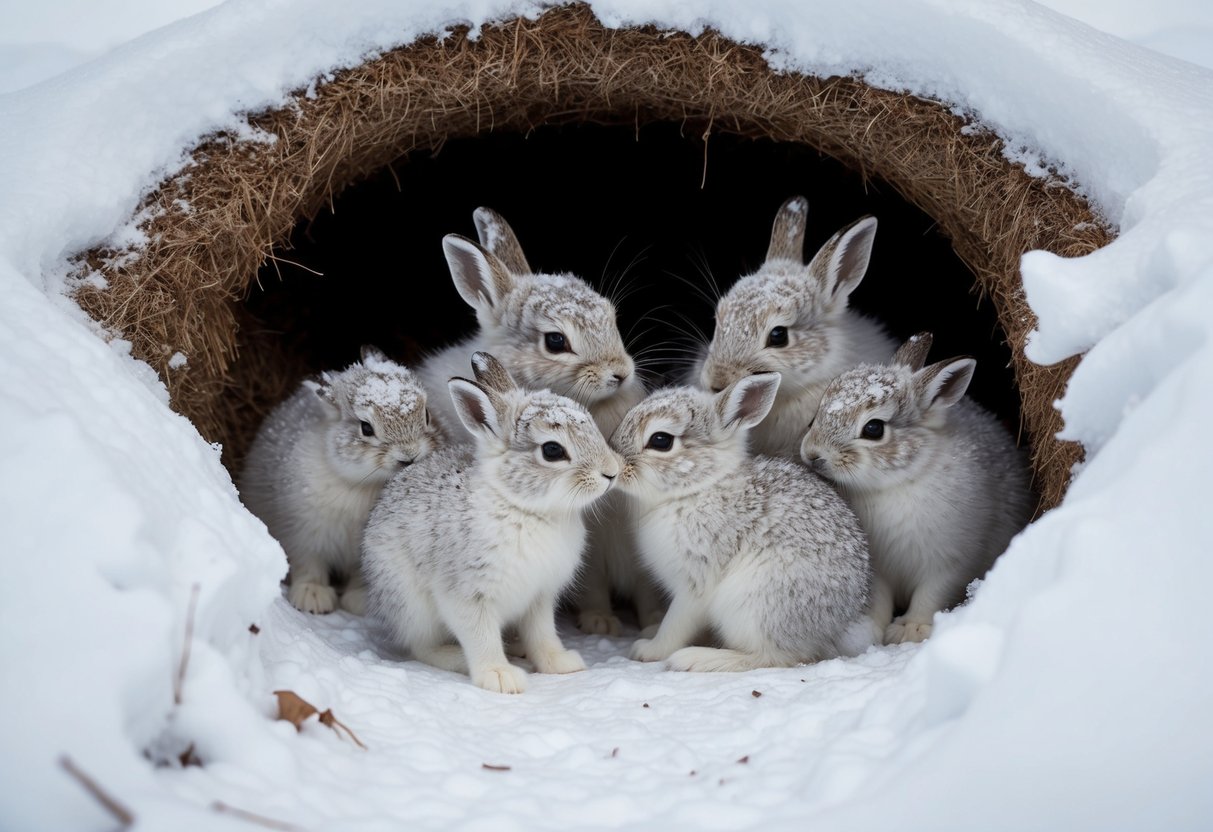
The babies of Arctic hares are known as leverets. These adorable little hares are born with fur and can see right away, making them quite remarkable in the animal kingdom. The female Arctic hare usually gives birth to a litter of 2 to 8 leverets in the spring or early summer. Staying close to their mother at first ensures that they learn the skills needed to thrive in the tundra.
If you’re eager to learn more about these cute leverets, including their habits and how they adapt to their frigid home, keep reading. You’ll discover why Arctic hares are such an important part of their ecosystem and how their young contribute to their survival.
Physical Characteristics and Adaptations
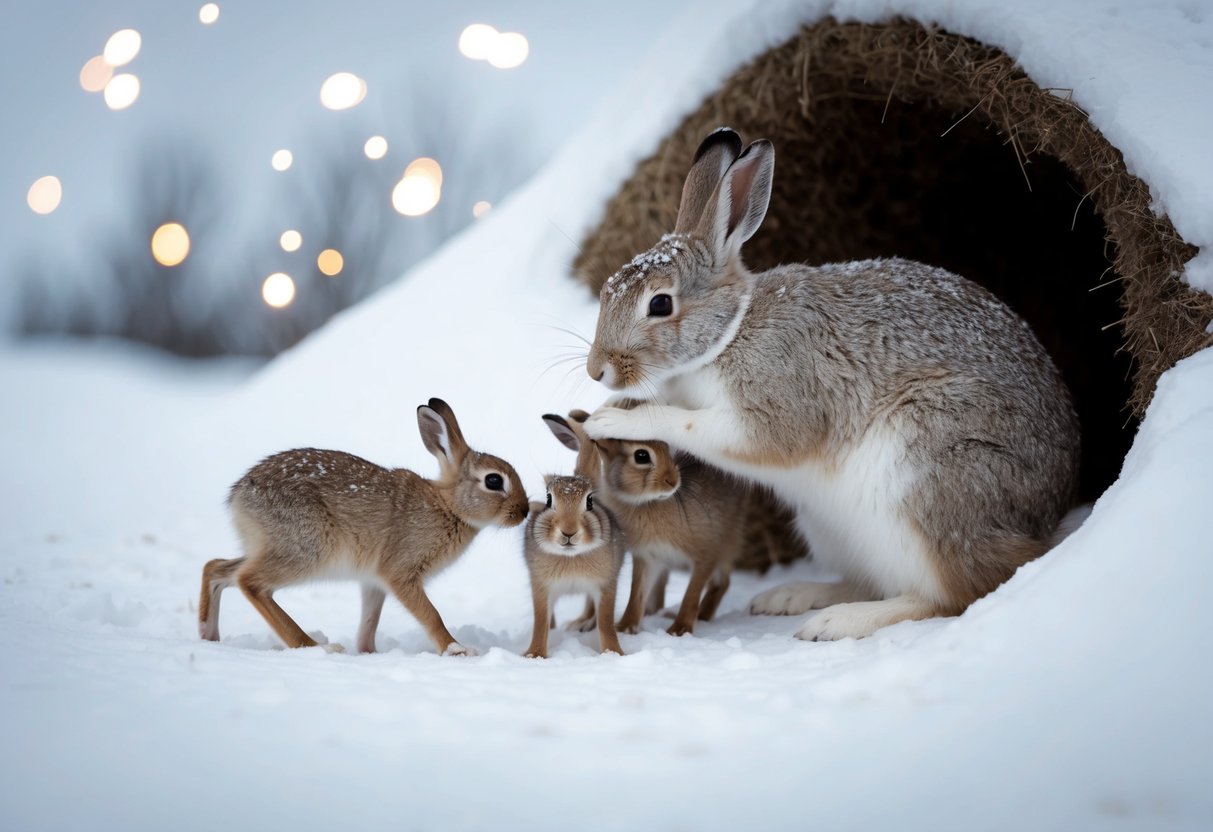
When you think of Arctic hares, their white fur stands out. This fur helps with camouflage against the snowy landscape. In summer, they shed some of this fur for a brownish coat that blends with rocks and tundra plants.
Their fur isn’t just for looks. It provides excellent insulation. Arctic hares can have up to 20% of their body weight in fat, which helps keep them warm in freezing temperatures. This extra insulation keeps their body temperature stable, even in harsh conditions.
Another cool feature is their shorter ears. Unlike other hares, shorter ears help reduce heat loss while still allowing them to hear well. You might also notice their large eyes with black eyelashes. This adds protection from the sun’s glare on snow.
Arctic hares undergo seasonal moulting. In spring, they shed their thick winter coat to prepare for warmer months. This adaptation helps them remain comfortable in varying temperatures throughout the year.
These features make Arctic hares specially equipped to thrive in tough environments, showing how nature has perfectly crafted them for survival.
Habitat and Distribution
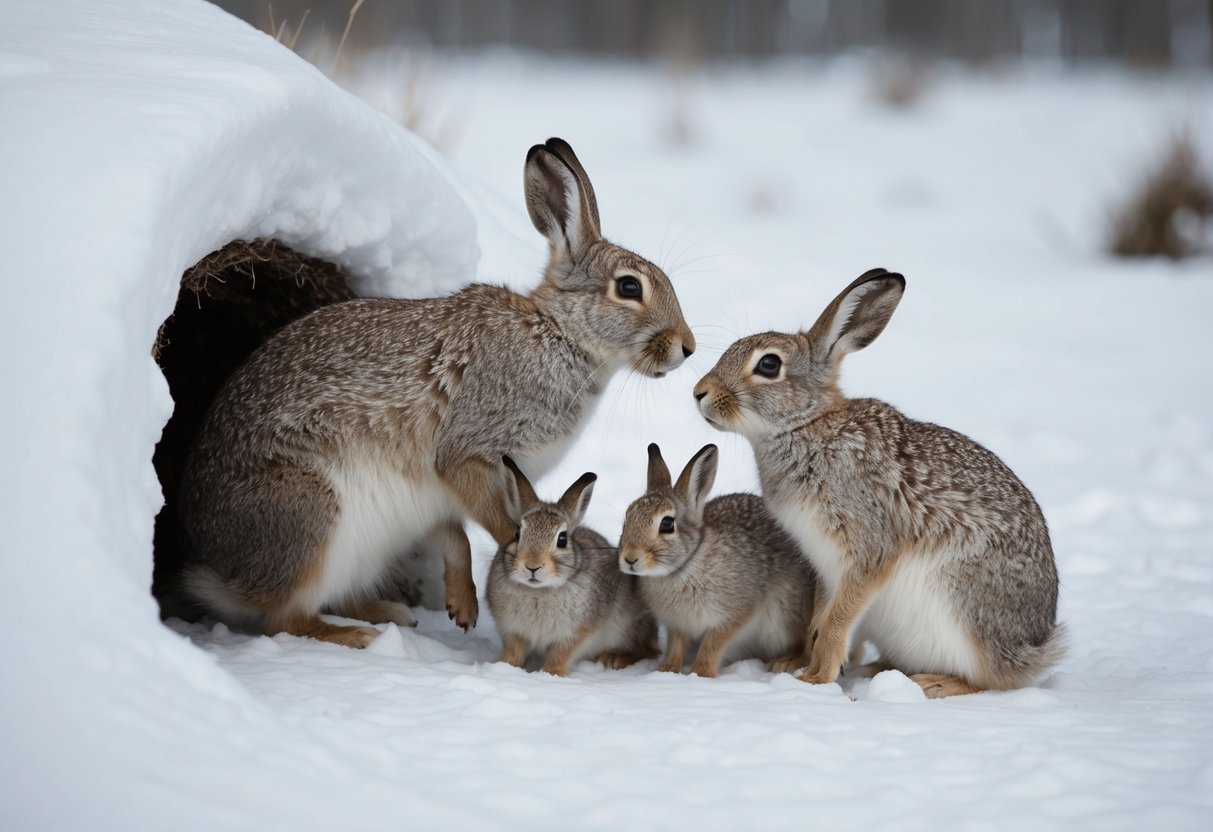
Arctic hares are well-suited to the harsh conditions of their environment. They thrive in icy biomes such as the Arctic tundra, where cold temperatures and snow are common. Understanding their adaptations and range can help you appreciate these remarkable animals.
Adaptation to the Arctic Climate
You might be surprised at how well Arctic hares adapt to extreme cold. Their dense fur keeps them warm, providing insulation against icy winds and freezing temperatures.
These hares also have shorter ears and limbs compared to other species. This helps minimize heat loss. They can maintain a body temperature that allows them to thrive in temperatures as low as -30°C (-22°F).
In winter, their fur changes to a white color, blending with the snow. This camouflage helps protect them from predators. In summer, their fur turns brown or gray, matching the tundra landscape.
Range Across the Northern Hemisphere
Arctic hares are primarily found in the northern regions of North America and Greenland. Their range includes parts of Northern Canada, such as Ellesmere Island, and the Canadian Arctic Islands.
You can also find them in Alaska and some areas of the North American tundra. Their distribution is closely tied to food availability and the right type of habitat.
They prefer open areas with low vegetation, where they can find grasses and woody plants. Their ability to travel long distances helps them find food during harsh winters.
Reproduction and Lifespan
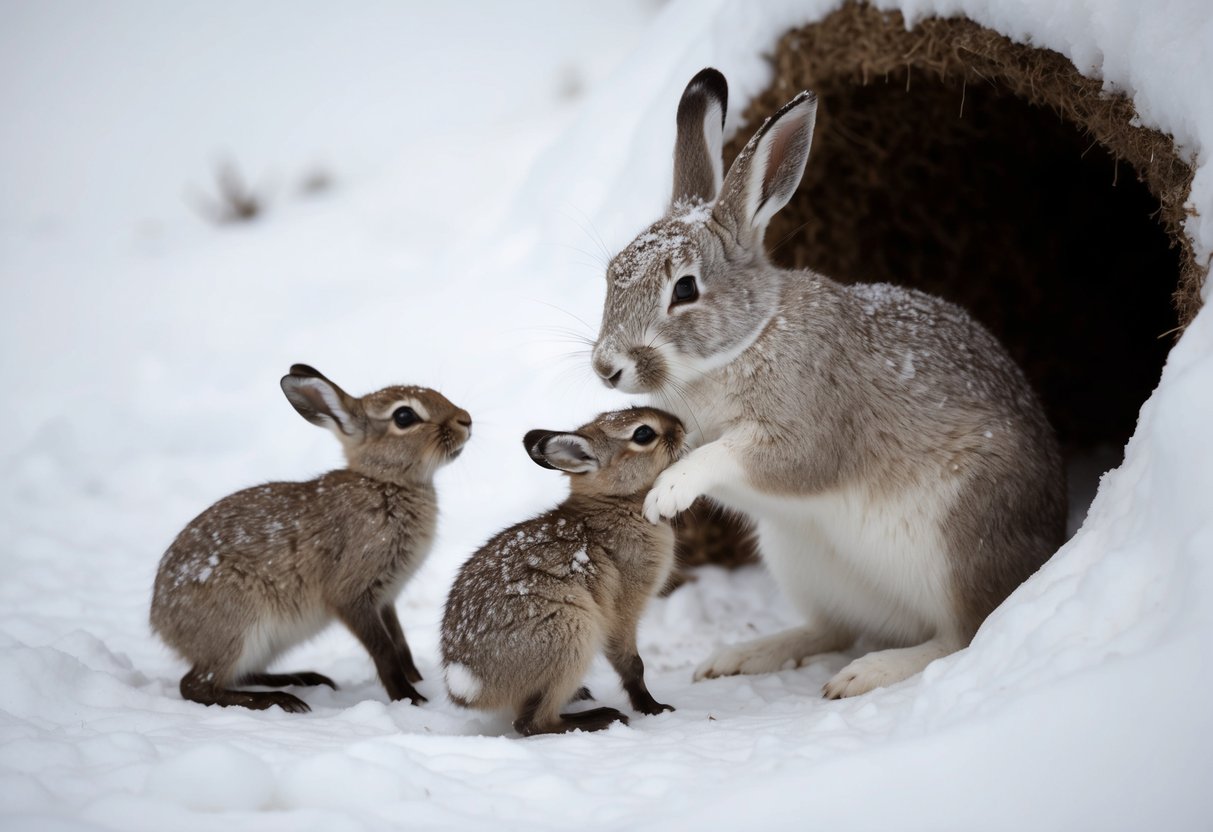
Arctic hares have interesting reproduction habits and unique growth stages for their young. This section covers how they breed and the development of their leverets, giving you a clear understanding of their life cycle.
Breeding Habits and Seasonality
Arctic hares begin their mating season in early spring, around April or May. During this time, males will actively seek out females to mate with. Hares are known for being quite social during this period, exhibiting playful behaviors as part of their courtship.
The gestation period lasts about 53 days. After this time, females give birth to a litter of leverets, typically ranging from 2 to 8 babies, with an average size of around 5.4. This quick reproduction helps ensure that their population can withstand challenges in their harsh Arctic environment.
Growth and Development of Leverets
Once born, leverets are covered in fur and can see, making them more resilient right from the start. They stay close to their mother for safety and warmth. Typically, within 2 to 3 weeks, they start becoming independent but continue to rely on her.
By the time they are about 8 to 9 weeks old, the leverets are weaned. They grow quickly and are nearly full-sized by late summer. At around 315 days, they reach sexual maturity, ready to continue the cycle. This reproductive strategy is vital for maintaining their populations in the wild, where they face various threats.
Diet and Predation
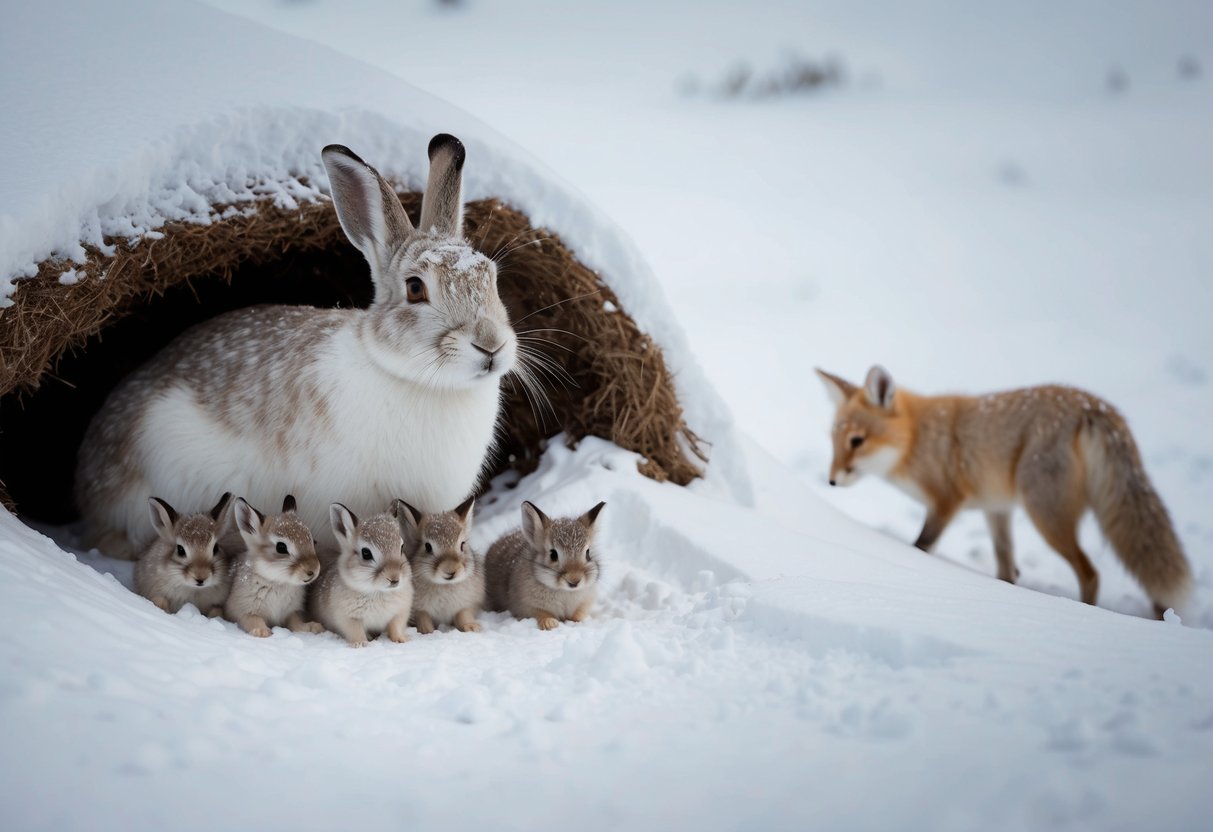
Arctic hares have a unique diet and face various predators in their harsh environment. Understanding what they eat and how they survive is essential to grasp their lifestyle in the Arctic.
Survival Strategies and Foraging
As herbivores, Arctic hares primarily consume a mix of woody plants, lichen, moss, and berries. Their diet changes with the seasons. During winter, they rely on the leaves and twigs of shrubs under the snow.
To find food, you may often see them digging through the snow. Their thick fur helps protect them from the cold, making it easier to forage even in harsh conditions. In summer, they enjoy a wider range of green leaves and fresh shoots, helping them replenish energy.
These hares are also important seed dispersers in their ecosystem. By eating various plants, they help maintain the balance of their habitat while ensuring their nutritional needs are met.
Common Predators and Threats
Many predators threaten Arctic hares. Their main enemies include the Arctic fox, wolves, and lynx. Other threats come from snowy owls, red foxes, and even larger hunters like polar bears.
To avoid being eaten, these hares rely on their speed and agility. They often escape into dense vegetation or create shallow depressions in the snow, known as “forms,” to hide.
Climate change and human impact also threaten their habitat. As their environment shifts, food availability can decrease. Protecting their natural surroundings is crucial for their survival.


