
Arctic foxes are fascinating creatures known for their adaptability in harsh environments. You might wonder what these small predators include in their diet, especially when it comes to hunting in the tundra. Yes, Arctic foxes do eat Arctic hares, though they typically prefer smaller prey like lemmings and voles.
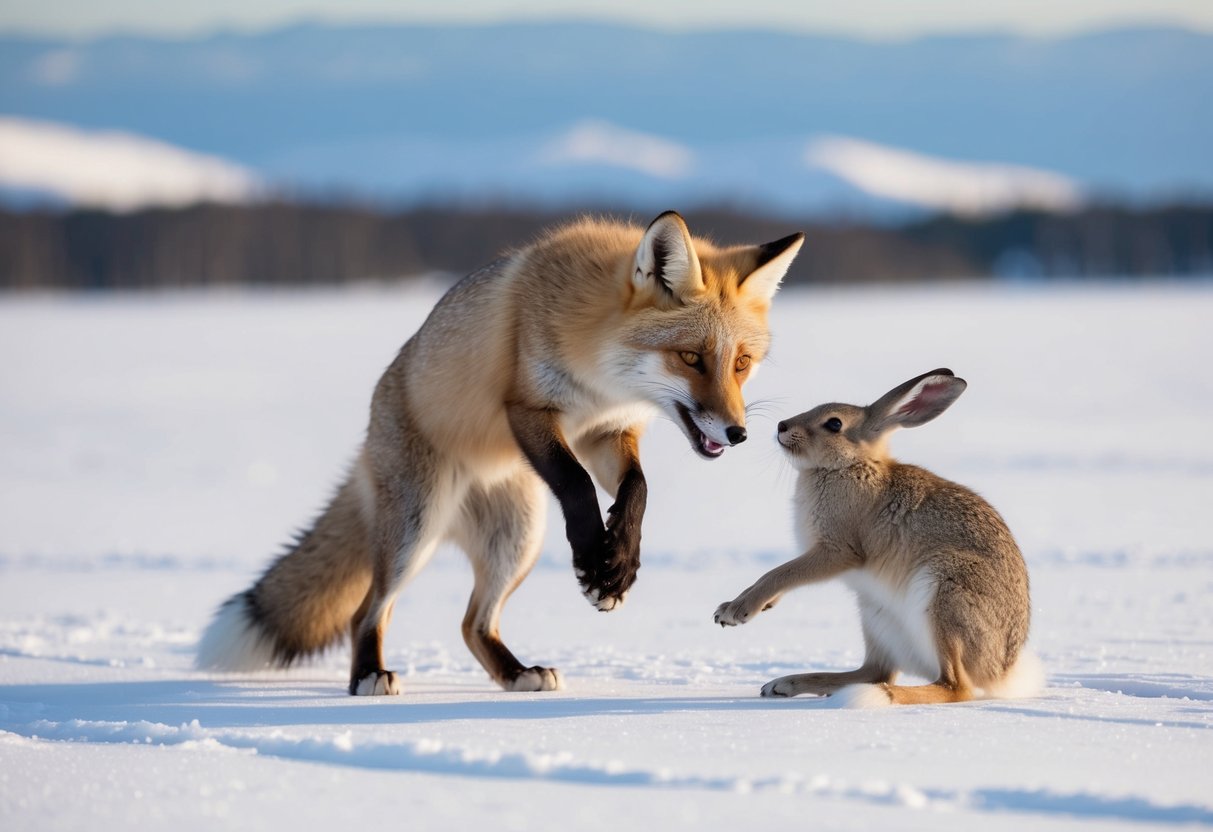
While these foxes are skilled hunters, catching an Arctic hare can be a challenge due to the hare’s impressive speed. Arctic hares can reach speeds of up to 65 kilometers per hour, which makes them difficult targets.
When the opportunity arises, Arctic foxes will certainly take advantage of this food source, demonstrating their role in the delicate balance of the Arctic ecosystem.
Understanding the predator-prey relationship between Arctic foxes and Arctic hares not only shows you how these animals survive but also highlights the intricate connections in nature. As you learn more about their diets and hunting habits, you’ll get a glimpse into life in the wild Arctic.
Understanding the Arctic Fox
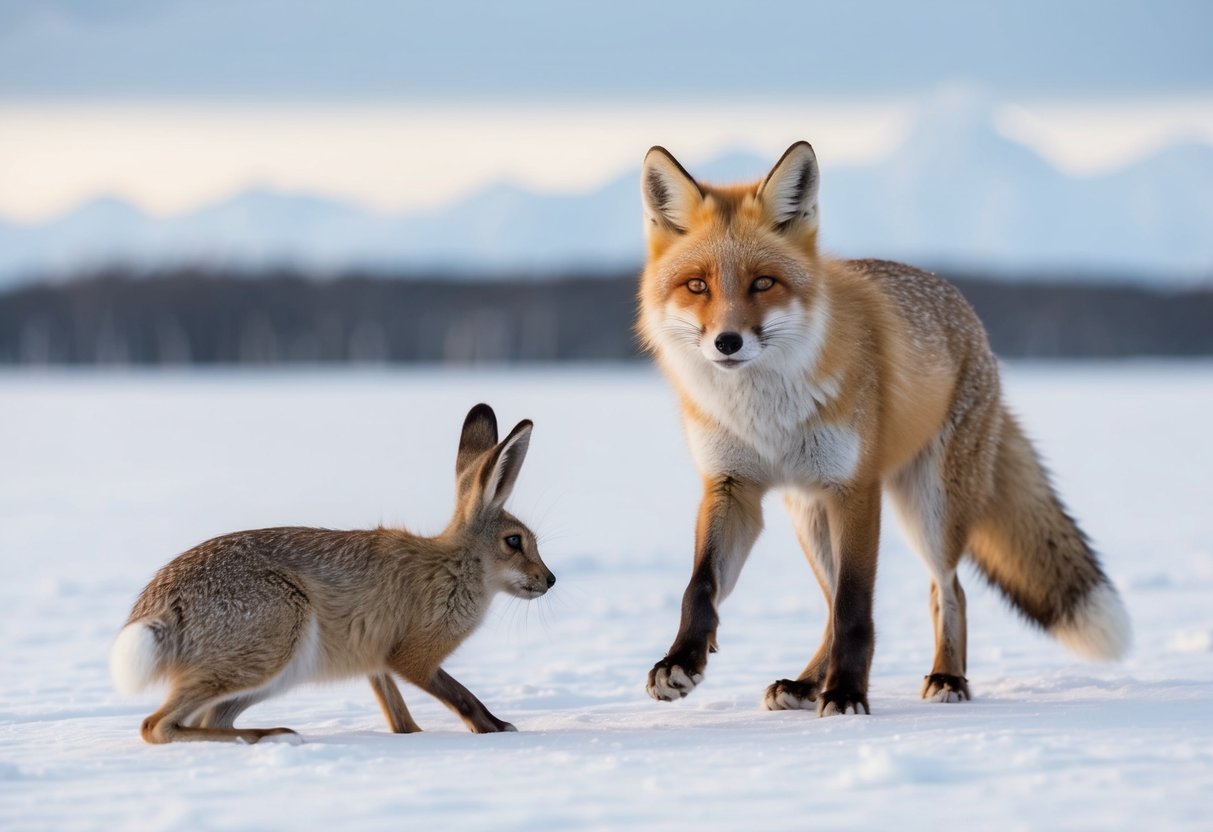
The Arctic fox, known scientifically as Vulpes lagopus, is a fascinating creature well adapted to its cold environment. This section covers its habitat, physical traits, eating habits, and survival methods. Each aspect plays a vital role in how Arctic foxes thrive in the challenging conditions of the Northern Hemisphere.
Habitat and Distribution
You will find Arctic foxes mostly in the Arctic tundra, spanning areas in Alaska, Canada, Greenland, and parts of Russia. This habitat features cold temperatures and limited vegetation, which makes it unique.
During the summer, they may move to areas with more food resources.
Arctic foxes are known for their impressive ability to travel between miles of tundra in search of food. They prefer open spaces where they can easily spot prey. Their range can shift based on seasonal changes and food availability.
Physical Adaptations
Arctic foxes have several physical traits that help them survive in harsh environments. Their thick fur provides warmth during freezing temperatures. The fur changes color with the seasons, offering effective camouflage against both snow in winter and earth in summer.
These foxes are small, weighing about 6 to 24 pounds. Their short legs and compact bodies reduce heat loss. They also have small ears to minimize exposure to the cold.
These adaptations are crucial for their survival and play an important role in their hunting strategies.
Dietary Habits
When it comes to food, Arctic foxes are opportunistic eaters. They primarily eat small mammals such as lemmings, voles, and, occasionally, Arctic hares. The availability of these animals can vary significantly, especially with the lemming population cycles.
During winter, when food is short, Arctic foxes may scavenge carcasses left by larger predators like golden eagles. They are skillful hunters, often relying on their acute sense of hearing to locate prey buried under the snow. Occasionally, they will consume berries and bird eggs, making their diet quite varied.
Survival Strategies
Survival in the Arctic tundra requires several strategies. Arctic foxes are known for their resourcefulness. They will store food, such as lemmings, to eat later when resources are low.
They also have a strong sense of territory. Each pair of foxes creates and defends a home range. Their adaptability allows them to survive changing conditions.
Additionally, Arctic foxes exhibit social behavior. They often live in small family groups, which helps them protect their young during the sensitive weaning stage. These survival tactics are essential for their continued existence in an unforgiving landscape.
The Diet of the Arctic Fox
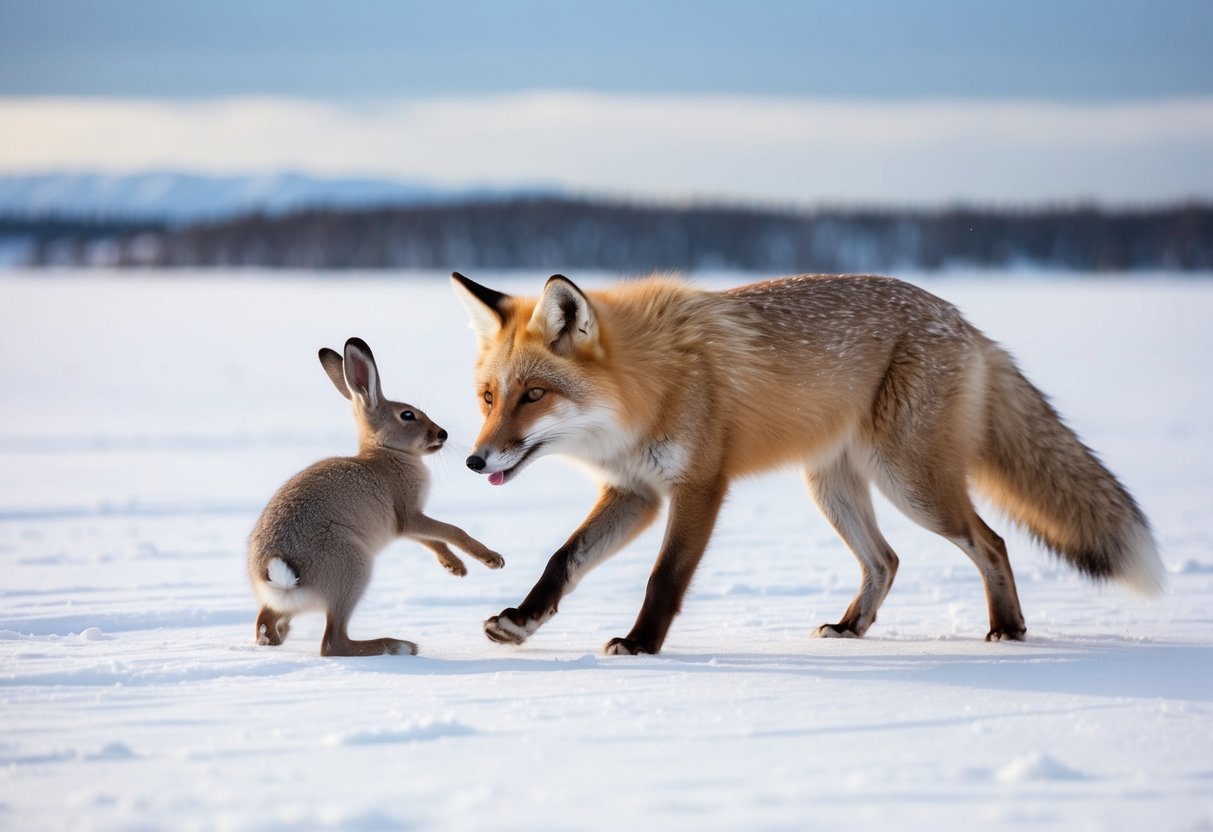
Arctic foxes have a varied diet that changes with the seasons. They mainly rely on small mammals and can adapt to different food sources based on availability. This section highlights what they eat, how they hunt, their seasonal food changes, and their scavenging habits.
Primary Food Sources
Your main focus should be on the primary food sources of arctic foxes. They primarily consume lemmings, which are a staple in their diet. An arctic fox can eat up to 12 lemmings in a day. Besides lemmings, they also hunt other rodents, including voles and small mammals like squirrels.
Bird eggs are another valuable food source during the spring and summer months. They will also eat birds themselves when they can catch them. Some arctic foxes include carrion in their diets, which means they eat the remains of dead animals as well.
Hunting Tactics
When hunting, arctic foxes are smart and stealthy. They often use a technique called “stalking” to get close to their prey. Once they spot a meal, they may pounce from a distance, using their sharp claws to catch small mammals.
Their thick fur helps them stay warm while they hunt in freezing temperatures. They may also hunt in pairs or groups, especially when targeting larger prey. Listening carefully for movement under the snow helps them locate hidden rodents.
Seasonal Dietary Changes
Your diet can change quite a bit during different seasons. In winter, when food is scarce, arctic foxes rely heavily on lemmings and carrion left by larger predators like wolves. This is when they become opportunistic feeders.
During the summer, they take advantage of the abundance of berries, seaweed, and insects. These add diversity to their meals and provide extra nutrients. The availability of bird eggs and fledglings during warmer months helps them raise their young effectively.
Scavenging Behavior
Scavenging is a significant part of an arctic fox’s survival strategy. They often follow larger predators to eat leftover food. This includes remains from kills made by wolves or polar bears.
Being an opportunistic feeder, arctic foxes can eat whatever is available. They consume marine invertebrates when near the coast, such as crabs or mussels. This flexibility helps them thrive in tough conditions where food can be unpredictable.
Interactions with Prey and Predators

In the Arctic ecosystem, the relationships between different animals, including arctic foxes and arctic hares, are essential for survival. Understanding these interactions helps reveal how these creatures adapt to their harsh environment.
Arctic Hares as Prey
Arctic hares are a primary food source for arctic foxes. They enjoy hunting these hares, especially during the spring when hare populations peak. Arctic hares can weigh between 4 to 12 pounds and are known for their strong legs and speed, which help them evade predators.
When arctic foxes pursue hares, they depend on stealth and quick bursts of speed. Their white fur during winter provides excellent camouflage against the snow. This advantage helps them sneak up on unsuspecting hares, increasing their chances of a successful hunt. The diets of arctic foxes often include lemmings too, but arctic hares are an important part of their food supply.
Natural Predators of the Arctic Fox
While arctic foxes are skilled hunters, they also face threats from larger predators. Arctic wolves are among the main predators of arctic foxes. They hunt in packs, which gives them an advantage in catching foxes.
Other potential threats include polar bears and grizzly bears. These massive creatures are not typical hunters of arctic foxes, but their size and power can make them dangerous if a fox gets too close. Additionally, wolverines and snowy owls may compete with foxes for food, adding pressure to the fox population.
Predator-Prey Dynamics
The relationship between arctic foxes and their prey, like arctic hares, creates a delicate balance in the ecosystem. When hare populations are high, foxes thrive. Conversely, if hare numbers drop, foxes may struggle to find enough food.
Foxes must be both aggressive and evasive to survive in this competitive environment. Their ability to adapt their hunting strategies, such as using cover and camouflage, is crucial. This dynamic also involves other predators, like wolves and snowy owls, influencing the availability of hares.
Through these interactions, arctic animals shape their behaviors and adapt to survive in one of the world’s most challenging habitats.
Environmental Challenges and Adaptations
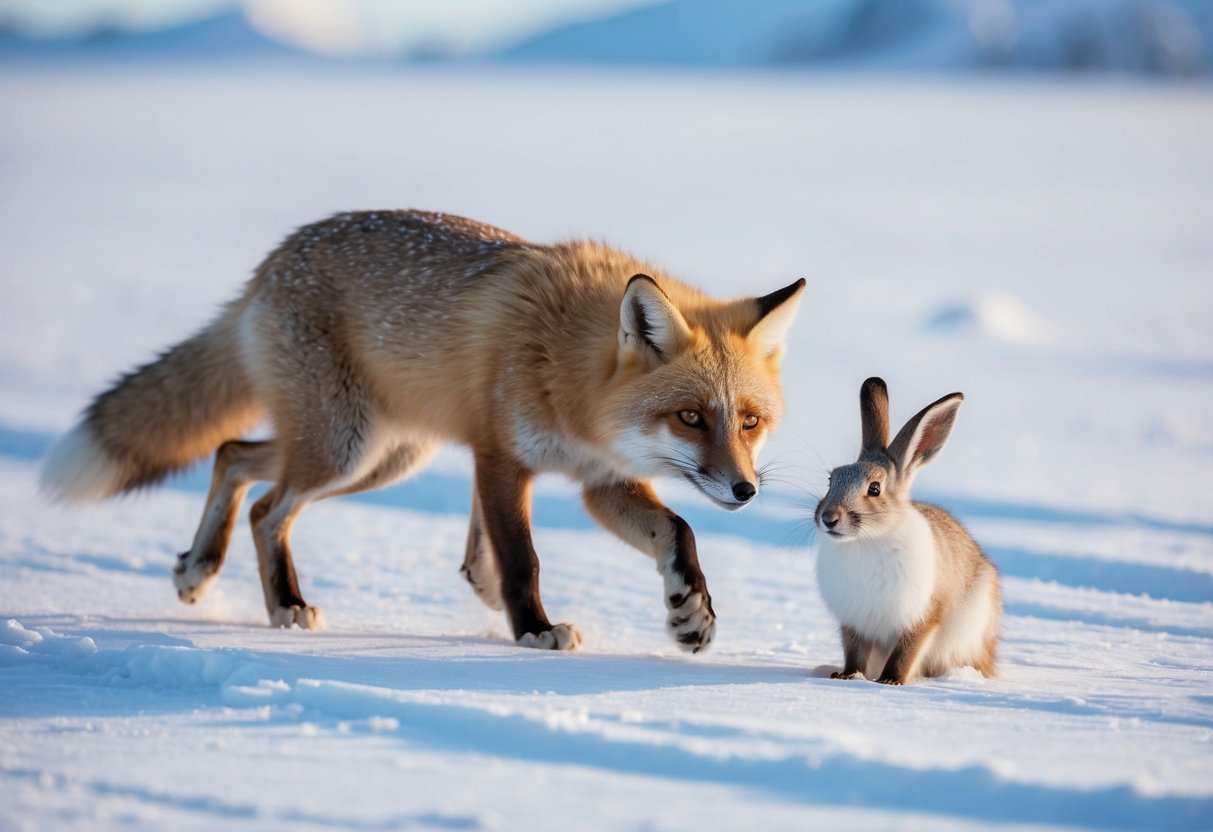
Arctic foxes face a variety of environmental challenges that affect their survival. Climate change and human activities are among the major threats they encounter. Understanding these factors helps you appreciate the adaptations these foxes have developed over time.
Climate Change Impacts
Climate change is a serious issue in the Arctic. Warming temperatures lead to melting ice and changes in habitat. As the tundra shrinks, arctic foxes find it harder to hunt for food.
Their main prey, such as lemmings, may also be affected. When rodent populations decline, foxes have fewer options for meals. This affects their ability to raise pups, as they rely on these food sources for nourishment.
Arctic foxes can adapt to some of these changes by altering their diet. They are opportunistic feeders. This means they will eat what they can find, such as birds and fish, when their normal prey is scarce.
Conservation and Human Impact
Human activities add extra pressure on arctic foxes. Threats to their habitats include development and pollution. The introduction of predators like the red fox can lead to competition for food and shelter.
To help arctic foxes survive, conservation efforts are crucial. A first step is protecting their habitat from development and pollution. You can support organizations that focus on wildlife protection.
Education also plays a role. Raising awareness about climate change and its effects encourages action. You can join or support initiatives aimed at preserving the delicate Arctic ecosystem for future generations.


