
When a fox meets a wolf, you might picture an epic showdown or a dramatic escape. In reality, the interaction between these two canids is quite different. Foxes and wolves are usually not enemies; they have distinct lifestyles and habits that keep them apart. Wolves are pack animals that hunt larger prey together, while foxes are more solitary and agile, using their speed to catch smaller animals.

If a fox were to encounter a wolf, it would likely be a cautious meeting. Foxes tend to avoid larger predators like wolves to stay safe. In their natural habitats, wolves dominate, and foxes know this. Their behaviors are shaped by the need to find food and avoid danger.
Understanding the dynamics in the canidae family helps explain why these two animals have different approaches to life in the wild.
In most cases, a fox would choose to retreat rather than engage. This strategy allows it to live another day without confrontation. Such interactions offer a glimpse into the rich tapestry of animal behavior and survival in nature. You might find it fascinating to see how these amazing creatures coexist in their environments.
Comparative Analysis of Fox and Wolf Biology

When comparing foxes and wolves, you’ll find many interesting biological differences and similarities. From their physical traits to their genetic structures, each species has unique characteristics that define them. Let’s take a closer look at what sets these two canids apart.
Physical Characteristics
Foxes, like the red fox, are generally smaller than wolves. An average red fox weighs between 10-15 pounds and stands about 1-2 feet tall. In contrast, a gray wolf can weigh 80-150 pounds and reach a height of up to 2.8 feet at the shoulder.
Fur Color and Texture:
- Foxes have a variety of coat colors, including red, gray, and silver.
- Wolves typically sport a thicker coat with shades of gray, brown, and black.
The size difference contributes to wolves’ strength and their ability to hunt larger prey. Foxes rely on agility and cunning to survive in their environments. Their slender bodies and bushy tails help them navigate through diverse terrains, while wolves have robust bodies designed for endurance.
Genetics and Breeding Patterns
Foxes and wolves have different genetic structures. Foxes belong to the genus Vulpes, while wolves are classified under Canis. Despite this difference, hybridization can occur, though it is rare. A red wolf and a gray wolf can interbreed, producing viable offspring with a mix of traits.
Wolves generally have more complex social structures, which affect their breeding patterns. They typically mate for life and have breeding seasons in specific times of the year. Foxes, on the other hand, tend to have a more flexible breeding system. They can mate multiple times and often only raise one litter of pups annually.
Chromosomes:
- Wolves have 78 chromosomes.
- Red foxes have 34 chromosomes.
This difference in genetic material leads to distinct traits in each species.
Lifespan and Health
In terms of lifespan, wolves usually live around 6-8 years in the wild, though some can live up to 13 years. Foxes tend to have a shorter lifespan, living around 3-6 years in the wild due to various threats like diseases and predators.
Both species are susceptible to diseases that can impact populations. Wolves often face challenges from habitat loss and human interaction, while red foxes are sometimes threatened by urbanization.
Conservation Status:
- Gray wolves are listed as endangered in some areas.
- Red foxes have a more stable population overall.
Conservation efforts play a vital role in ensuring the health and survival of both species. Understanding their biology helps in these efforts.
Social Interactions and Behavior
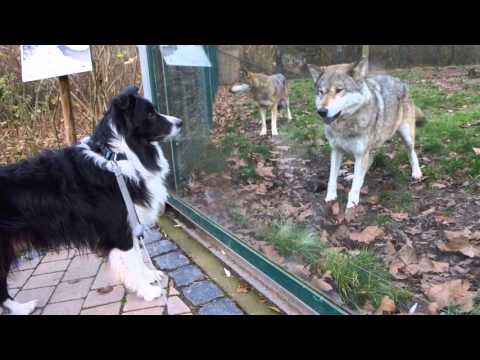
When a fox meets a wolf, their interactions depend on their social structures and behaviors. Understanding these dynamics helps clarify how these two animals might respond to each other in nature.
Pack Dynamics vs. Solitary Nature
Wolves are highly social animals that thrive in structured packs. This pack mentality means they rely on teamwork for hunting and protection. Each member has a role, which creates a strong social structure. In contrast, foxes are often solitary creatures. Some, like red foxes, may form small family groups, but they do not exhibit the same level of social organization as wolves.
If a fox encounters a wolf, its solitary and cunning nature may prompt it to avoid confrontation. The social behavior of wolves, with their complex hierarchy, could lead them to assert dominance over the territory they share, pressing the fox to retreat.
Communication and Vocalizations
Communication plays a vital role in how these animals interact. Wolves use various vocalizations like howls, barks, and screams to communicate within their pack and establish territory. Howling helps them coordinate when hunting or signify their location to other group members.
Foxes, while also capable of vocalizations, tend to be more stealthy. Their sounds are often softer and more varied.
In a meeting, a wolf’s howls may intimidate a fox, which may respond with cautious movements or subtle sounds to avoid detection. Understanding these vocalizations enhances your insight into their behavior.
Territorial Habits
Territory is significant for both foxes and wolves. Wolves maintain large territories to control resources and habitats. They defend these areas aggressively against other wolves and intruders, including foxes.
Foxes have smaller territories that they mark with scents to communicate boundaries. If a fox enters a wolf’s territory, the wolf may view it as a threat. Habitat loss can complicate these interactions, as both species might find themselves in closer proximity due to shrinking environments. This overlap can lead to conflict, emphasizing the need for both animals to adapt to changing ecosystems.
Encounters in the Wild: What Happens If a Fox Meets a Wolf?

When a fox encounters a wolf in the wild, the situation can vary greatly depending on several factors, including their behaviors and interactions. Understanding these dynamics can provide insights into how these two species navigate their habitats.
Behavioral Responses to Interactions
When a fox meets a wolf, their interactions depend on their social structures and behaviors. Understanding these dynamics helps clarify how these two animals might respond to each other in nature.
Pack Dynamics vs. Solitary Nature
Wolves are highly social animals that thrive in structured packs. This pack mentality means they rely on teamwork for hunting and protection. Each member has a role, which creates a strong social structure. In contrast, foxes are often solitary creatures. Some, like red foxes, may form small family groups, but they do not exhibit the same level of social organization as wolves.
If a fox encounters a wolf, its solitary and cunning nature may prompt it to avoid confrontation. The social behavior of wolves, with their complex hierarchy, could lead them to assert dominance over the territory they share, pressing the fox to retreat.
Communication and Vocalizations
Communication plays a vital role in how these animals interact. Wolves use various vocalizations like howls, barks, and screams to communicate within their pack and establish territory. Howling helps them coordinate when hunting or signify their location to other group members.
Foxes, while also capable of vocalizations, tend to be more stealthy. Their sounds are often softer and more varied.
In a meeting, a wolf’s howls may intimidate a fox, which may respond with cautious movements or subtle sounds to avoid detection. Understanding these vocalizations enhances your insight into their behavior.
Possible Outcomes of Encounters
A wolf might ignore a fox if it is not hungry or feels secure in its territory. However, the situation can be more threatening for the fox if resources are scarce or the wolf is part of a pack.
In dire cases, a wolf might chase and attack a fox, especially if it sees it as competition for prey. On the other hand, if the fox manages to escape, it can evade the wolf’s pursuit due to its agility.
Effective encounters between the two rarely lead to direct conflict. Foxes primarily eat smaller animals, while wolves tend to target larger prey. This difference means that while they share habitats, they can often coexist without significant issues.


