
Arctic hares are fascinating creatures that thrive in the cold environments of the tundra. If you’ve ever wondered what these hardy animals eat to survive in such harsh conditions, you’re in for a treat. Arctic hares mostly eat a diet rich in woody plants, such as arctic willow, which makes up about 95% of their food year-round.
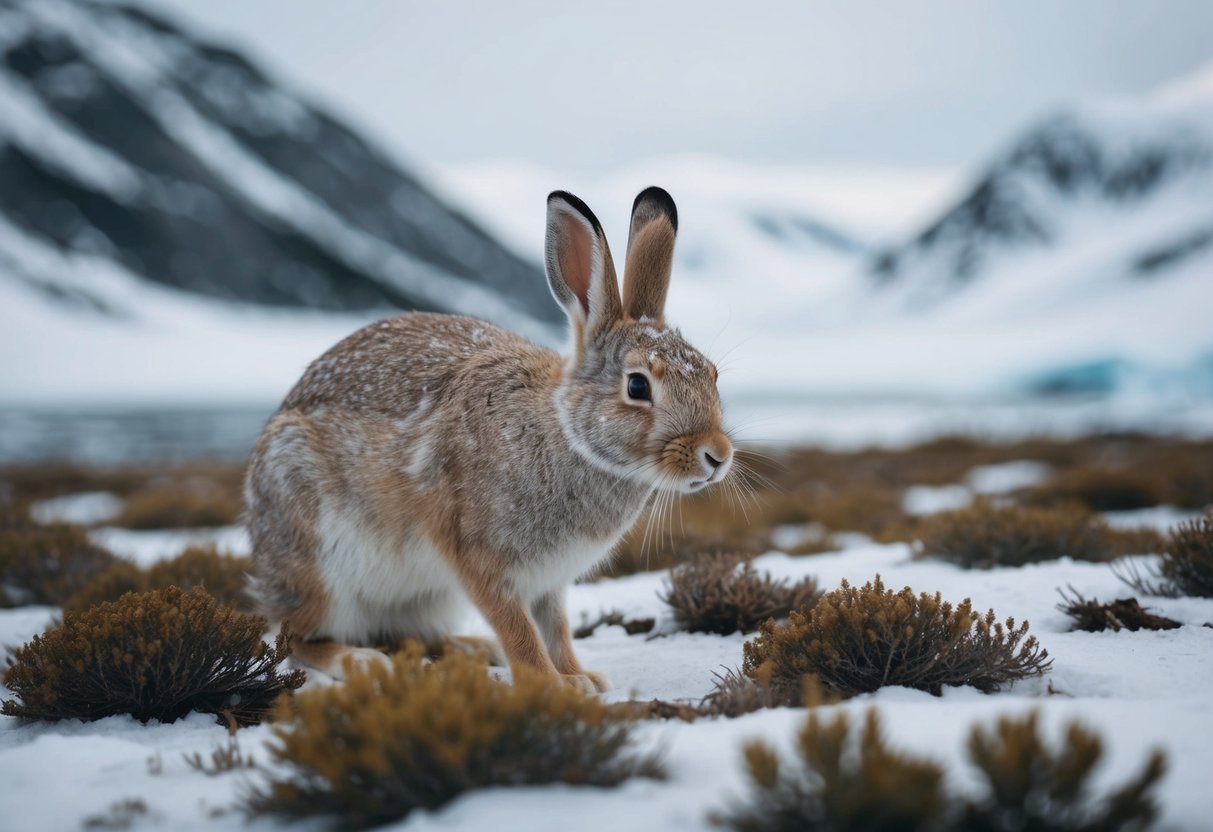
Along with arctic willow, these hares also enjoy a variety of other plants, including grasses, flowers, and leaves. In the summer, they may even munch on legumes and berries when they are available. Despite being primarily herbivorous, arctic hares have been known to nibble on meat or fish when the opportunity arises, showcasing their adaptability in the wild.
Understanding the diet of arctic hares gives you insight into how they survive and adapt to their chilly habitat. Whether you’re a nature enthusiast or just curious about wildlife, exploring what arctic hares eat adds a new layer to your appreciation of these unique animals.
Understanding the Arctic Habitat

The Arctic habitat is unique and presents distinct challenges. Knowing about this environment helps you understand how Arctic hares thrive here. They face extreme cold and must adapt to a landscape dominated by snow, ice, and limited vegetation.
The Tundra Ecosystem
The tundra is a cold, treeless area home to various plants and animals. In this ecosystem, you will find hardy species like lichens, moss, and low shrubs. These plants can survive in harsh conditions, providing essential food for Arctic hares.
Snow covers much of the tundra for long periods, making food scarce. Arctic hares dig through snow to access woody plants like willow and juniper. They also rely on smaller plants growing in the summer months. The presence of predators such as Arctic foxes and polar bears adds to the challenges faced by these hares, requiring them to remain alert while foraging.
Adaptations for Survival
To survive in extreme cold, Arctic hares have developed several adaptations. Their thick fur keeps them warm and changes from brown or gray in summer to white in winter, blending with the snowy landscape.
These hares have powerful hind legs that allow them to move quickly and escape from predators. Additionally, their ability to eat snow helps them stay hydrated when water sources are scarce. They also forage in specific areas to maximize nutrient intake, ensuring they get enough food to endure the harsh Arctic conditions.
The Arctic Hare Diet

The Arctic hare has a diverse diet that varies according to the season and available food sources. Understanding what they primarily eat will shed light on their unique adaptations to a harsh environment, providing insight into their nutritional needs and habits.
Primary Food Sources
Arctic hares primarily eat a variety of plant matter that helps them thrive in cold climates. Their main food sources include grasses, flowers, and woody plants such as willow. They also consume lichen and mosses, which are crucial for hydration and nutrition, especially in winter.
In warmer months, these hares enjoy berries and buds. This diet is rich in essential nutrients that support their health. The combination of these foods allows the hares to meet their dietary needs effectively, enabling them to stay active and alert.
Seasonal Variations in Diet
The diet of Arctic hares changes with the seasons. In summer, they have access to a wider range of green plants, including leaves and roots. They take advantage of the rich plant life during this time.
In contrast, during the harsh winter months, their diet relies heavily on woody plants and shrubs. They often dig under the snow to find food, consuming whatever vegetation is available, including dried grasses and twigs. This ability to adapt their diet helps them survive the cold months.
Opportunistic Eating Habits
Arctic hares are known for their opportunistic eating habits. While they mainly eat plants, they occasionally consume carcasses or even seaweed when the opportunity arises. This flexibility in diet helps them adapt to food shortages, ensuring they obtain necessary nutrients.
Their digestive system is well-suited for processing tough plant matter. This ability not only maximizes the nutrition from their food but also allows them to thrive in a challenging habitat. Being opportunistic eaters enables Arctic hares to make the most of available resources, ensuring their survival in the wild.
Predation and Protection

Arctic hares face various natural threats and have developed unique ways to protect themselves. Understanding their predators and defense strategies is crucial to appreciating their survival in harsh environments.
Natural Predators of the Arctic Hare
Arctic hares are preyed upon by several natural predators. Key hunters include Arctic foxes, wolves, lynx, and snowy owls. Each of these animals plays a role in the Arctic ecosystem.
- Arctic Foxes: These agile hunters are skilled at catching hares, especially when the snow is deep.
- Wolves: Wolves hunt in packs, making them effective at taking down larger prey like hares.
- Lynx: Their sharp eyesight helps them spot hares even in dense vegetation.
Humans also pose a risk through hunting. Overhunting can affect hare populations, making it essential to manage hunting practices carefully.
Defense Mechanisms and Strategy
To survive, Arctic hares have developed several impressive defense strategies. Their white fur allows them to blend into snowy backgrounds, providing effective camouflage. This helps them avoid predators during the winter months.
During the summer, their fur turns brown, aiding in hiding among rocks and vegetation.
The hares also have black-tipped ears, which help them detect sounds. When threatened, they can flee quickly, reaching speeds up to 40 miles per hour.
Gathering in groups can also be a strategy to reduce individual risk. More eyes mean better chances of spotting a predator early. These adaptations are vital for their survival in the wild.
Interactions and Behaviors
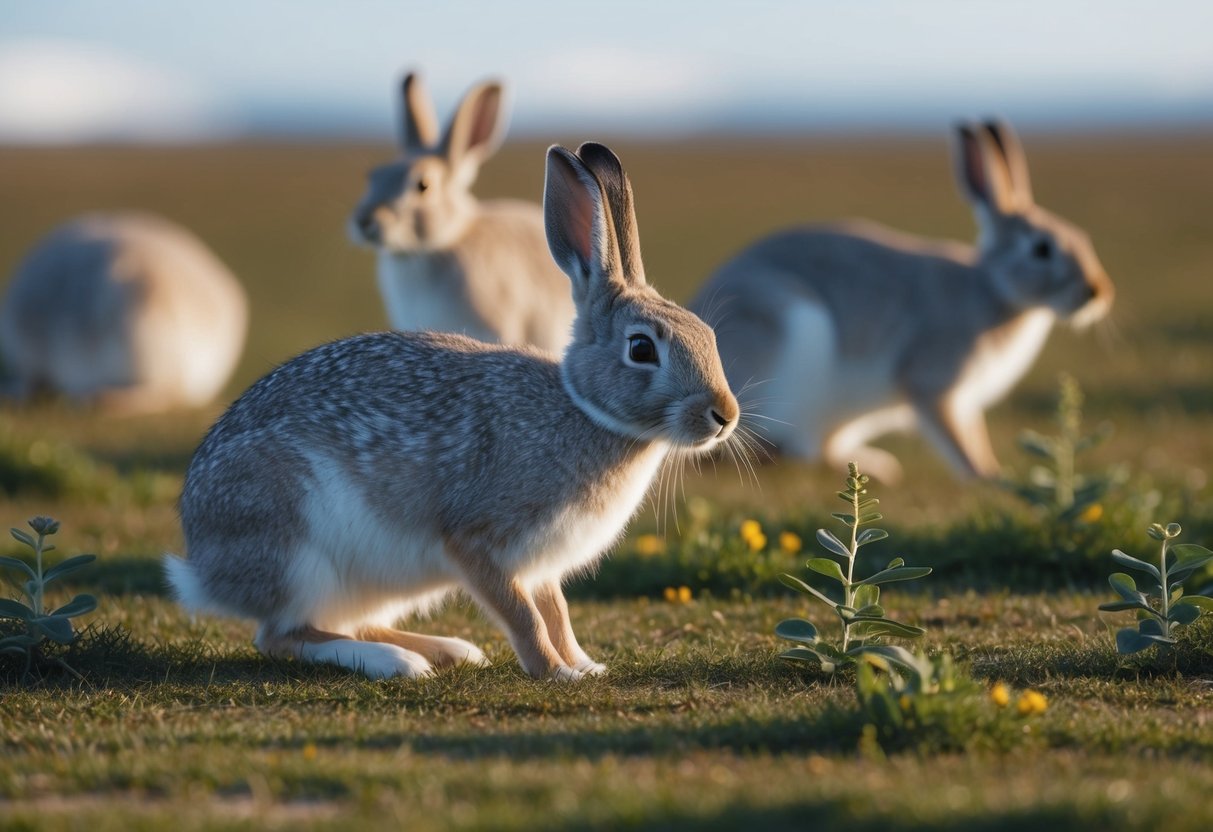
Arctic hares have unique social structures and foraging behaviors that help them survive in their harsh environments. You’ll find interesting details about their social dynamics and how they seek food in different ways.
Social Structure and Reproduction
Arctic hares often live solitary lifestyles. They don’t form large groups like some other species. Instead, they prefer to roam alone or in small groups.
During the breeding season, their social behavior changes. They can be polygynous, meaning one male may mate with several females. After a gestation period, the females give birth to leverets, which are small hares. These young hares are born with fur and open eyes, making them relatively independent.
Social interactions, like grooming, can happen among mothers and their young. This helps strengthen their bond and ensures the leverets grow strong.
Foraging and Feeding Behavior
Arctic hares are skilled foragers when it comes to food. They typically feed during twilight hours, making them somewhat nocturnal. This behavior helps them avoid predators and harsh conditions.
Their diet consists mainly of plant materials. They consume grasses, shrubs, and willows, depending on the season. Interestingly, Arctic hares also practice coprophagy. This means they eat their own droppings to extract more nutrients from their food.
They use strategic digging to uncover buried plants under the snow. This ensures they have enough to eat even in winter. This adaptability is key to their survival in a challenging environment.


