
Arctic hares are fascinating creatures that thrive in extreme conditions. Their habitat is the frigid tundra, where finding food can be a challenge. You may be surprised to learn that arctic hares do eat grass, but their diet is much more varied, including other plants like leaves, buds, and flowers.
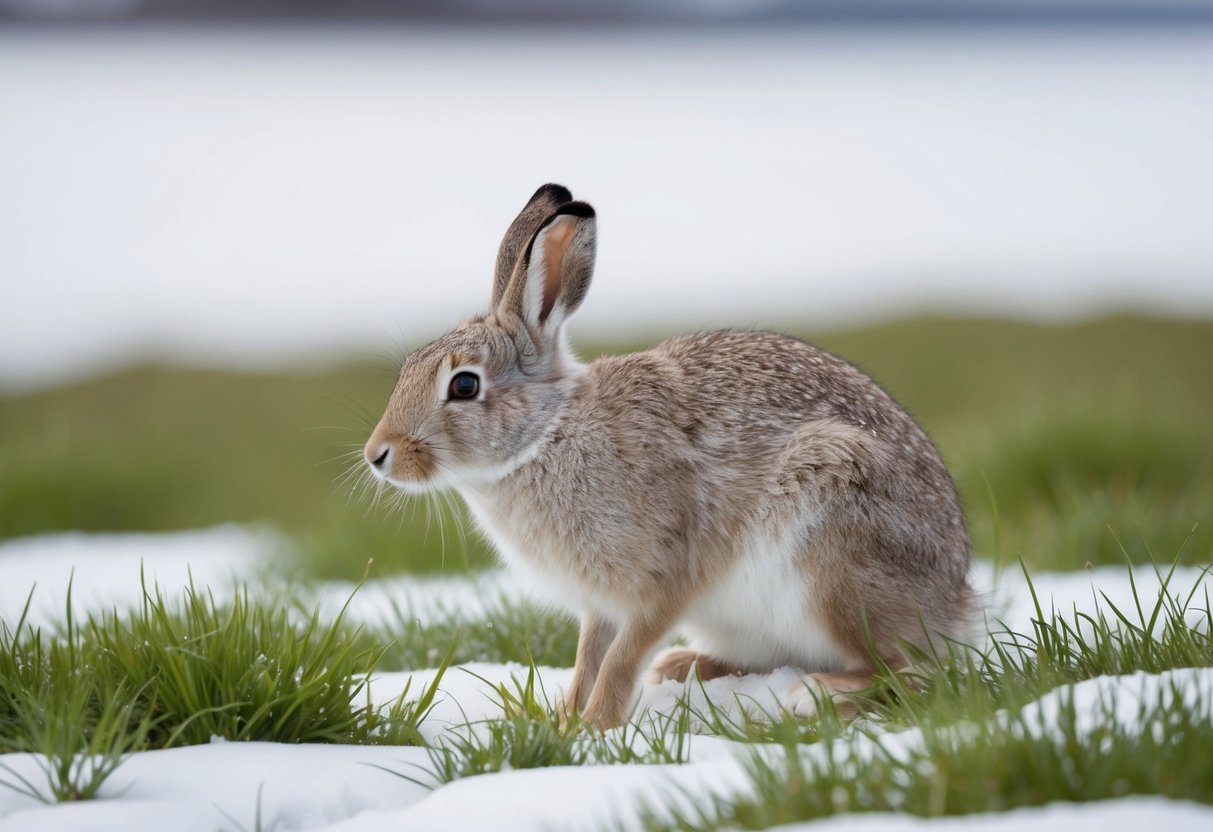
These hares have unique adaptations that help them survive in a cold environment. During winter, they dig through snow to reach woody plants and lichens when grass is hard to find.
In the summer months, they enjoy a wider selection of vegetation, which helps them stay nourished.
Understanding the diet of arctic hares gives you insight into how they adapt to their harsh surroundings. Their ability to eat a variety of plants helps them thrive despite the challenges they face in their Arctic home.
Arctic Hare Diet and Foraging Behavior

Understanding the diet and foraging habits of Arctic hares helps you appreciate how they thrive in extreme environments. These hares are skilled at finding food sources that sustain them throughout different seasons.
Primary Food Sources
Arctic hares primarily eat a variety of plant materials. Their diet mainly consists of grasses, mosses, and lichens.
In the summer, they enjoy fresh berries, willow twigs, and the leaves of lush plants.
During winter months, when food is scarcer, they rely on woody plants. They feast on the bark and buds of shrubs like birch and juniper.
This adaptability makes it easier for them to cope with harsh conditions and limited food availability.
An important thing to remember is that these hares are opportunistic feeders. They choose foods based on what is most accessible and nutritious. Their ability to adapt their diet ensures they get the energy they need to survive.
Foraging Strategies and Adaptations
To find food, Arctic hares have developed clever foraging techniques. In winter, they dig through snow to access hidden food sources. This includes using their strong legs to unearth plants buried beneath layers of snow.
In summer, they look for young, tender vegetation, which is higher in nutrients. Arctic hares often graze on high-nutrient plants like young willow leaves.
Seasonal changes greatly affect their foraging behavior. When snow covers the ground, they focus on what’s beneath. As summer arrives, they switch to foraging on the surface for herbs and fresh greens.
These strategies, combined with their ability to shift diets, allow Arctic hares to thrive in the challenging conditions of the Arctic.
The Arctic Ecosystem and Hare Habitat
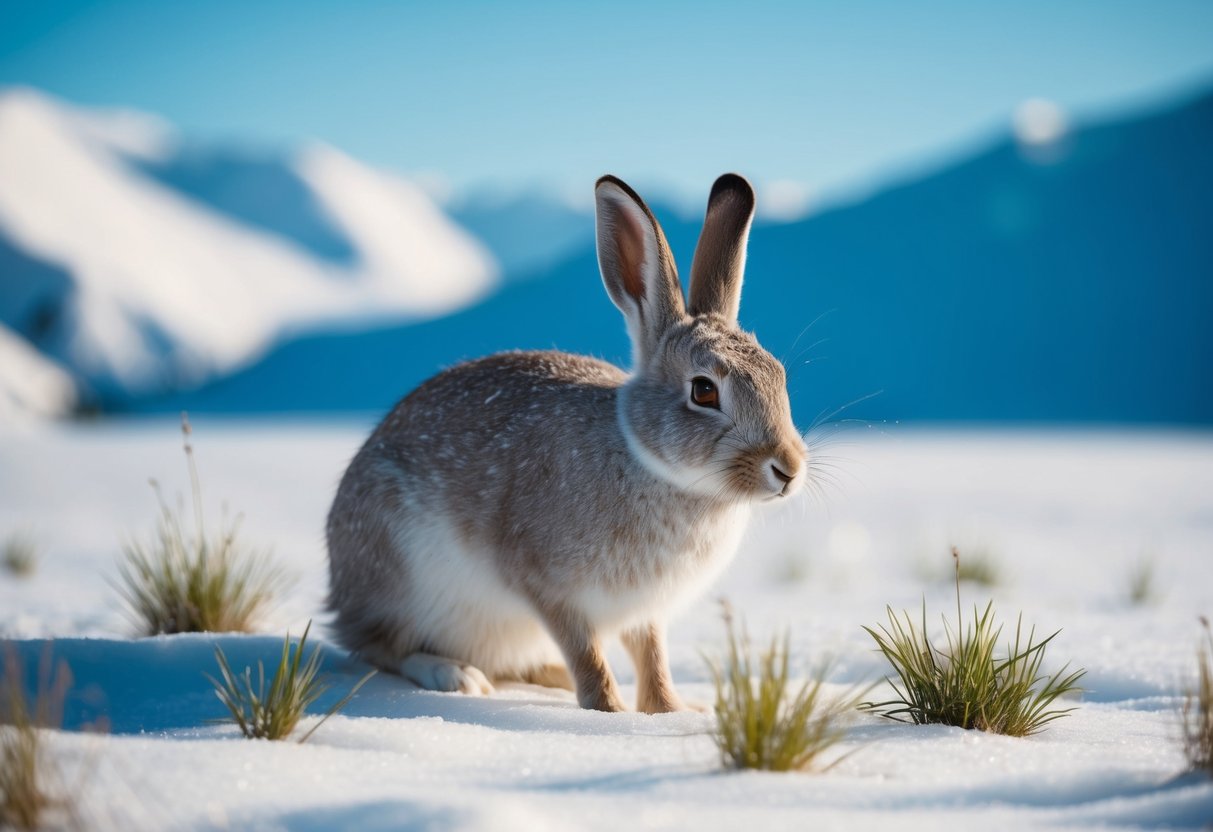
The Arctic ecosystem presents unique challenges and adaptations for wildlife. You will find that the conditions and vegetation in this harsh environment play a vital role in the survival of Arctic hares.
Unique Features of the Tundra
The arctic tundra is characterized by its cold climate and short growing seasons. This biome features permafrost, a layer of permanently frozen ground that limits plant growth. Vegetation is usually low to the ground, with species like mosses, lichens, and small shrubs.
Arctic hares have adapted to this landscape by relying on these low-growing plants for food. They typically dig through the snow to find grass, willows, and other edible plants.
The limited vegetation makes their foraging skills essential for survival. Changes caused by climate change, such as warming temperatures, threaten this delicate ecosystem, impacting food availability for many animals, including hares.
Adapting to the Cold
To cope with the extreme cold of their habitat, Arctic hares have developed several important adaptations. They have thick fur that provides insulation and keeps them warm during harsh winters.
Their white fur helps them blend into the snowy landscape, offering protection from predators.
These hares can also change their diet based on the season. In the winter, they look for woody plants and twigs buried beneath the snow. During milder months, they eat a wider variety of plants, including buds and grasses.
These adaptations are crucial for surviving the Arctic’s long and unforgiving winters. As climate change alters their environment, these hares must continuously adapt to survive in their ever-changing habitat.
Predators and Survival Strategies of Arctic Hares
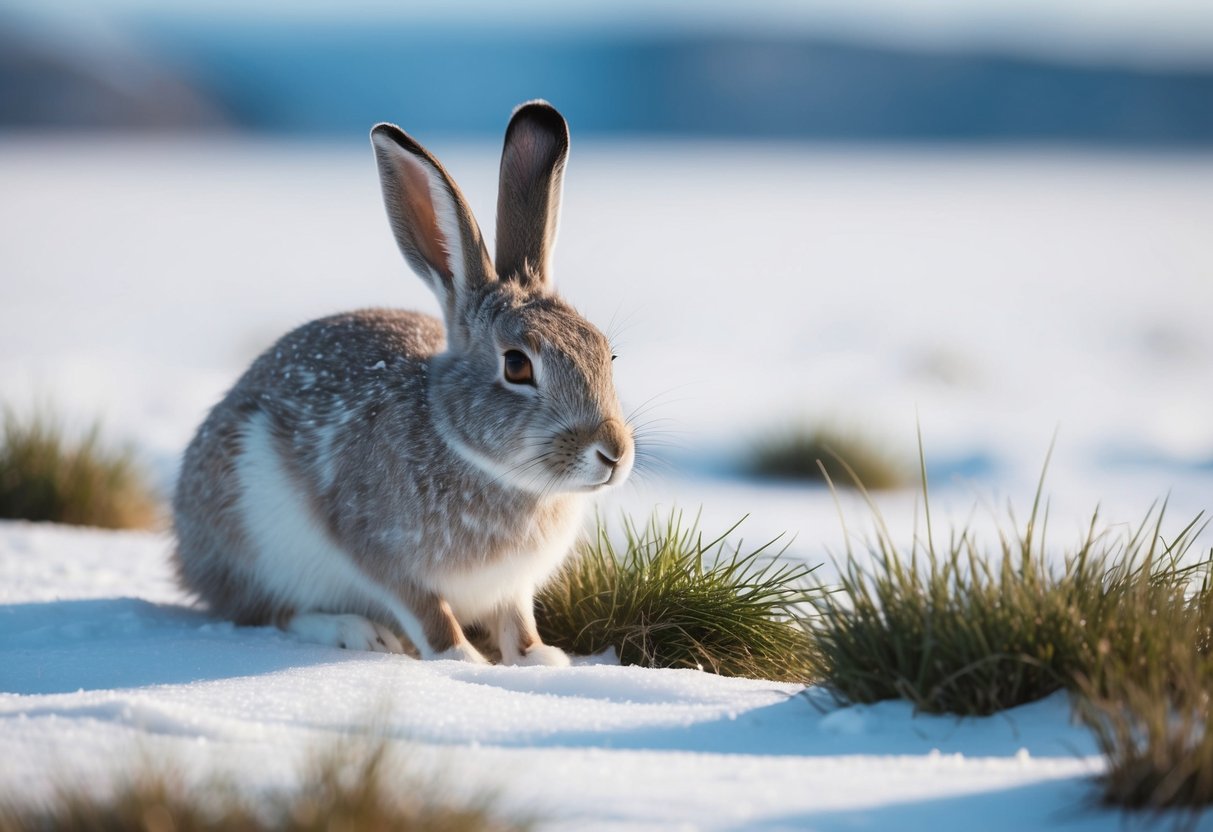
Arctic hares face many predators in their cold habitats. To survive, they have developed unique defense strategies. Understanding these threats and how hares cope can help you appreciate their resilience in harsh environments.
Natural Predators of the Arctic Hare
Arctic hares are preyed upon by a variety of animals. Key predators include:
- Arctic foxes: These clever hunters excel in snowy conditions.
- Wolves: Often hunt in packs, making them effective at tracking hares.
- Birds of prey: Snowy owls, hawks, and other birds dive from the sky to catch unsuspecting hares.
- Polar bears: Though less common, they might hunt hares when food is scarce.
These predators rely heavily on Arctic hares as a food source, especially during long winter months when other options are limited. The presence of these hunters creates a constant challenge for the hares.
Defense Mechanisms and Escaping Techniques
To evade their predators, Arctic hares have developed several survival strategies. Their camouflage helps them blend into the snowy landscape. During winter, their fur turns white, allowing them to hide effectively.
When threatened, Arctic hares can reach speeds of up to 45 miles per hour. They often take sudden turns or zigzag to confuse their pursuers.
In addition to speed, hares also rely on their excellent hearing and keen sense of smell. They can detect danger from afar, giving them valuable time to escape. By using these various techniques, Arctic hares increase their chances of survival in a challenging environment.
Reproduction and Social Behavior of Arctic Hares
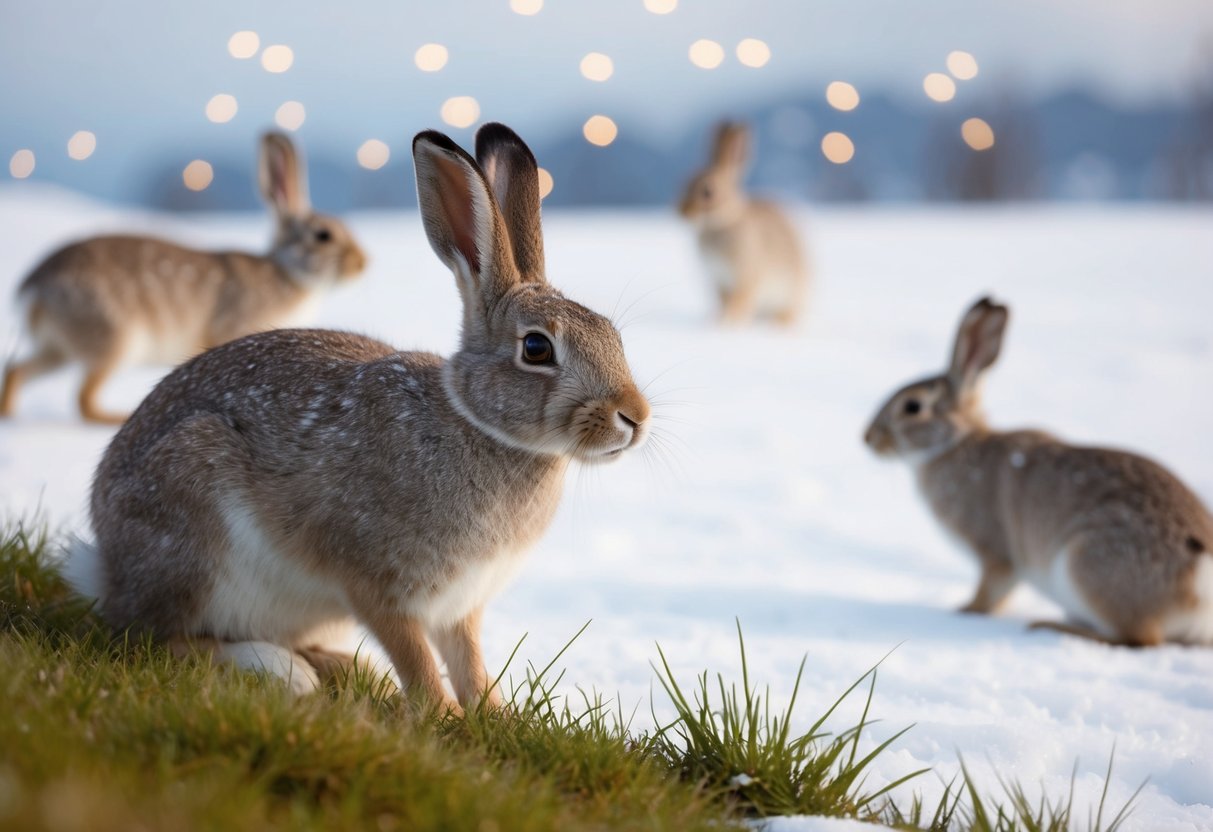
Arctic hares have unique ways of reproducing and socializing that help them survive in harsh environments. Their breeding habits and social dynamics play important roles in ensuring their species continues to thrive.
Breeding Habits and Care of Young
The mating season for Arctic hares usually occurs between April and June. During this time, males compete for females through various mating rituals. They often engage in displays of strength and speed, chasing each other around.
Once a female chooses a mate, she will dig a simple den in the snow. After about 50 days, she gives birth to a litter of leverets.
These young hares are born fully furred and with their eyes open, allowing them to be relatively independent soon after birth. The mother nurses her leverets for a few weeks, then leaves them to forage for food.
They primarily eat plants like dwarf willow and grasses.
Social Dynamics and Group Behavior
Arctic hares can often be seen in groups, especially during the summer months. These groups provide safety from predators. By staying together, they can watch for danger more effectively.
When in groups, Arctic hares engage in social behaviors, such as grooming and playing. They use their strong legs to mark territories and communicate through body language. While they tend to be solitary during the breeding season, their social structure helps maintain a stable population and foster interactions among individuals. This balance of solitude and socialization is key to their survival in the Arctic.


