
Arctic hares are fascinating creatures that have adapted well to their harsh surroundings in the Arctic tundra. One of their most important features is their strong claws. These powerful claws not only help them dig through hard-packed snow when searching for food, but they also provide essential support when they are running at impressive speeds.
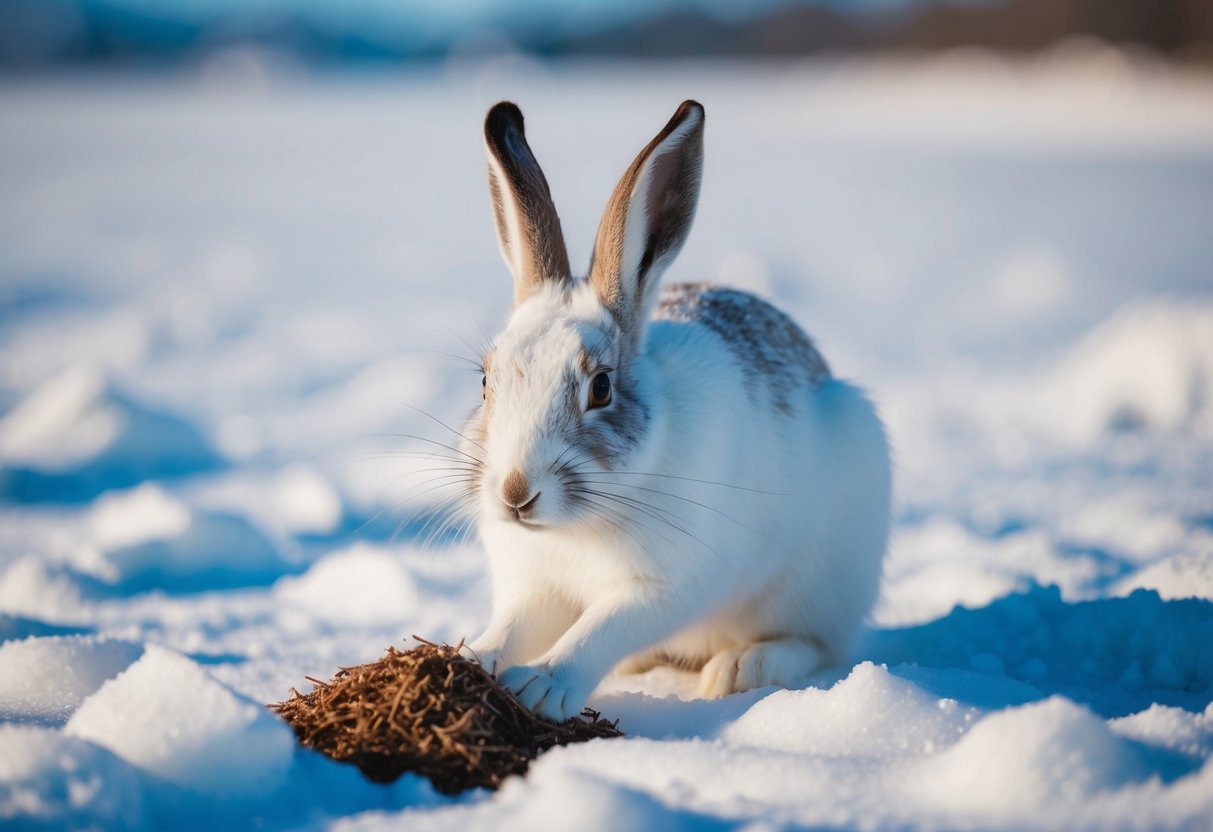
You might wonder why such adaptations are crucial for survival. The Arctic environment is challenging, with limited food options buried beneath thick layers of snow. The strong claws of arctic hares give them an edge by allowing them to access food sources and navigate their icy home effectively.
As you explore this topic further, you’ll uncover the unique ways that these mammals use their claws for both foraging and evading predators. Discovering how these adaptations make arctic hares resilient will give you a deeper appreciation for the wonders of nature.
Physical Characteristics and Adaptations
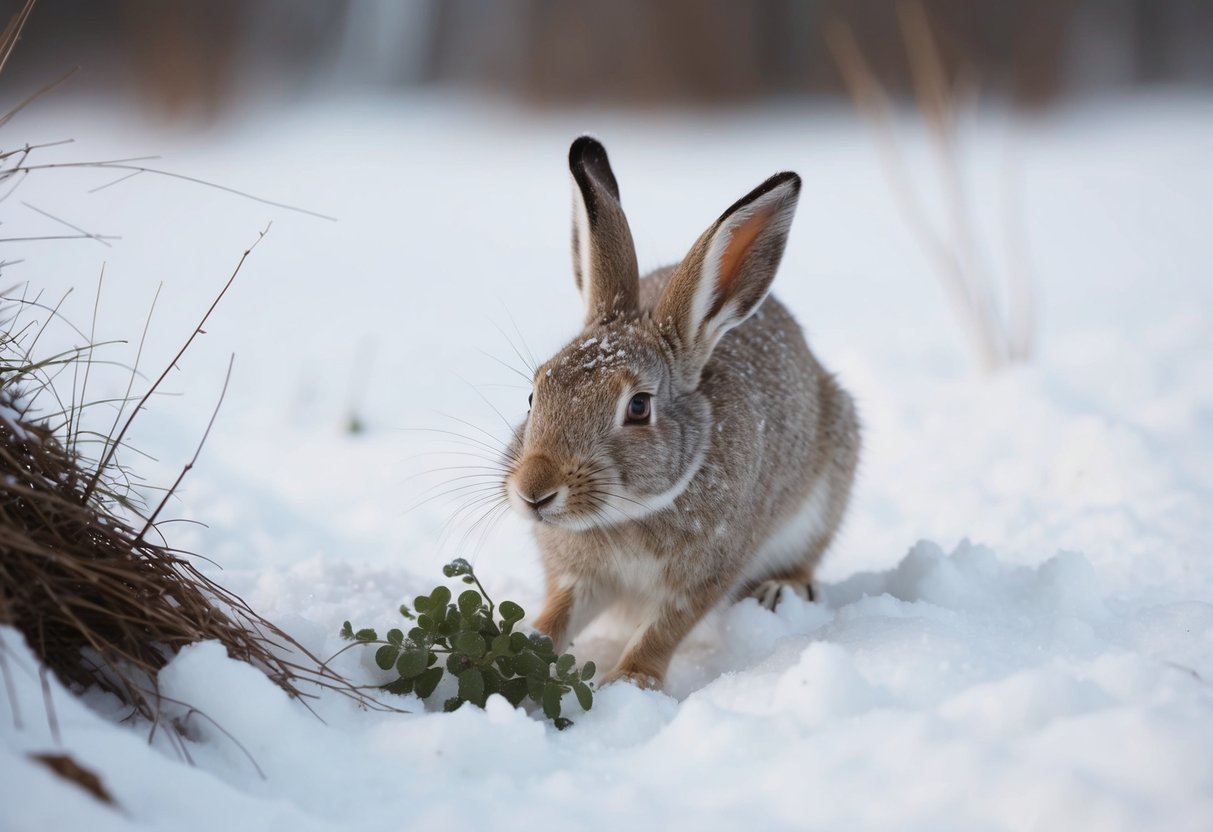
Arctic hares have developed unique physical traits that help them thrive in their harsh environment. Their adaptations include special fur for insulation, strong hind legs for fast movement, and keen senses for survival. Let’s explore these traits in more detail.
Adaptive Fur for Extreme Weather
Your Arctic hare features a thick coat of soft, white fur. This fur provides excellent insulation against the frigid temperatures of the Arctic. The white color also serves as camouflage, blending perfectly with the snowy landscape.
During winter, the fur becomes even denser, trapping warmth close to the body. In contrast, when the seasons change, the fur may change to a brown or grey color, helping the hare evade predators in summer. This ability to adapt its fur color is essential for both warmth and survival.
Specialized Limbs and Claws
One of the most important adaptations of the Arctic hare is its strong claws. These claws are designed for digging through snow to find food. They help the hare uncover hidden plants and roots beneath the snow cover.
In addition to their claws, Arctic hares possess long hind legs. These legs allow them to run quickly and navigate through their icy terrain. With speeds reaching up to 40 miles per hour, they can swiftly escape predators. The combination of strong claws and powerful legs makes for a perfect survival tool in this harsh climate.
Sensory Adaptations for Survival
Arctic hares have impressive senses that help them stay safe. They possess a keen sense of smell, which allows them to detect food sources and predators from a distance. This ability is critical when visibility is low due to blizzards or heavy snow.
Their large ears are another important feature. While the ears are small compared to their body size, they still have excellent hearing. This allows the hare to detect sounds in their environment, helping them stay alert and aware of any dangers.
Each of these physical traits plays a vital role in the Arctic hare’s survival in one of the toughest habitats on Earth.
Behavior and Habitat
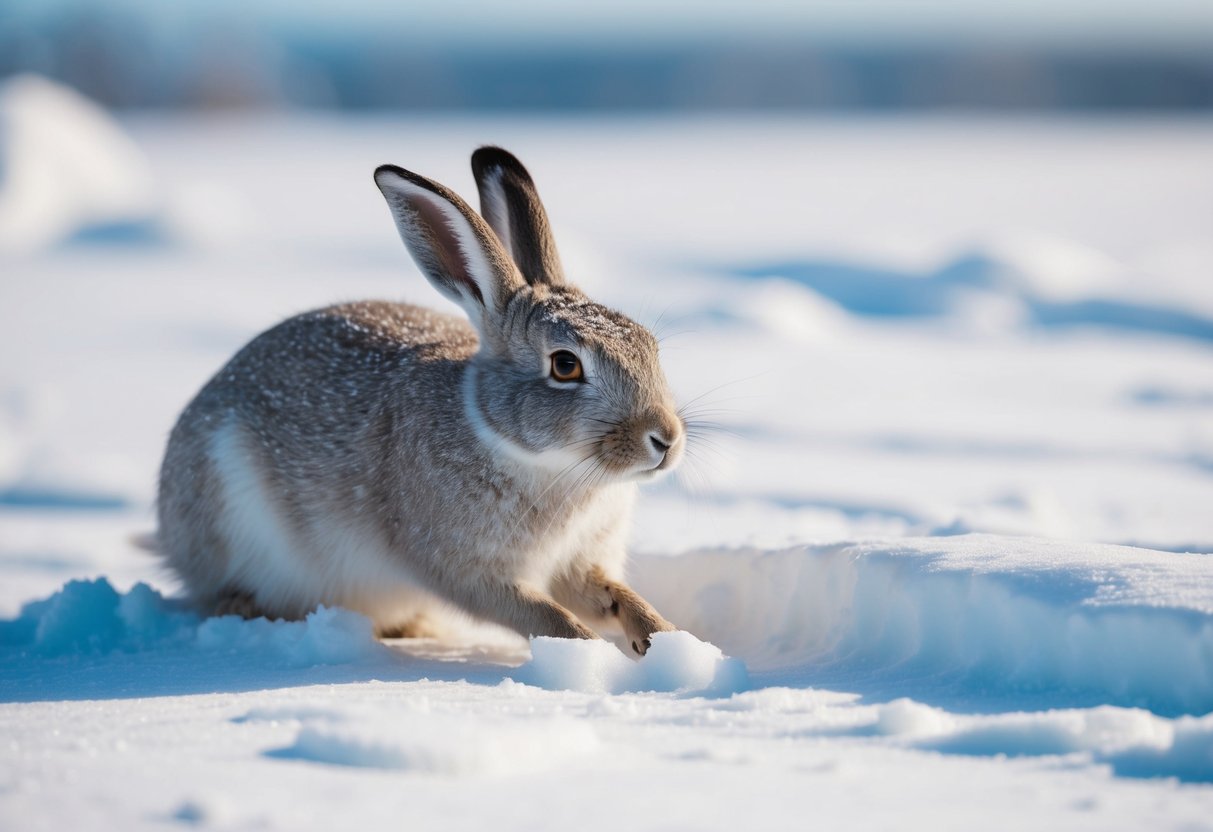
Arctic hares display unique behaviors and adapt to their environments in fascinating ways. Their interactions and strategies help them survive in the harsh tundra. Let’s explore how they behave socially and how they manage their diet.
Social Behavior and Predators
Arctic hares often live alone but can also form groups of up to 100 during the summer. Being in a group helps them stay alert and increases their chances of spotting predators.
When danger approaches, they use their strong claws to dig quickly into the snow or burrow for shelter. This ability to dart away and change directions rapidly helps them escape threats.
Predators include Arctic foxes, wolves, and birds of prey. Staying aware of their surroundings is key to surviving in the tundra, where danger can come at any moment.
Diet and Foraging Habits
Your diet as an Arctic hare mainly consists of plants. You can find tasty options like moss and lichens in your cold habitat.
In the summer, you enjoy a wider variety of greens, while in winter, your food choices shrink. It’s important to dig through the snow to access hidden food sources.
Using your strong claws, you can efficiently pull plants from rocky areas. This foraging skill ensures you get the nutrients needed to survive the harsh Arctic conditions.
Reproduction and Lifespan
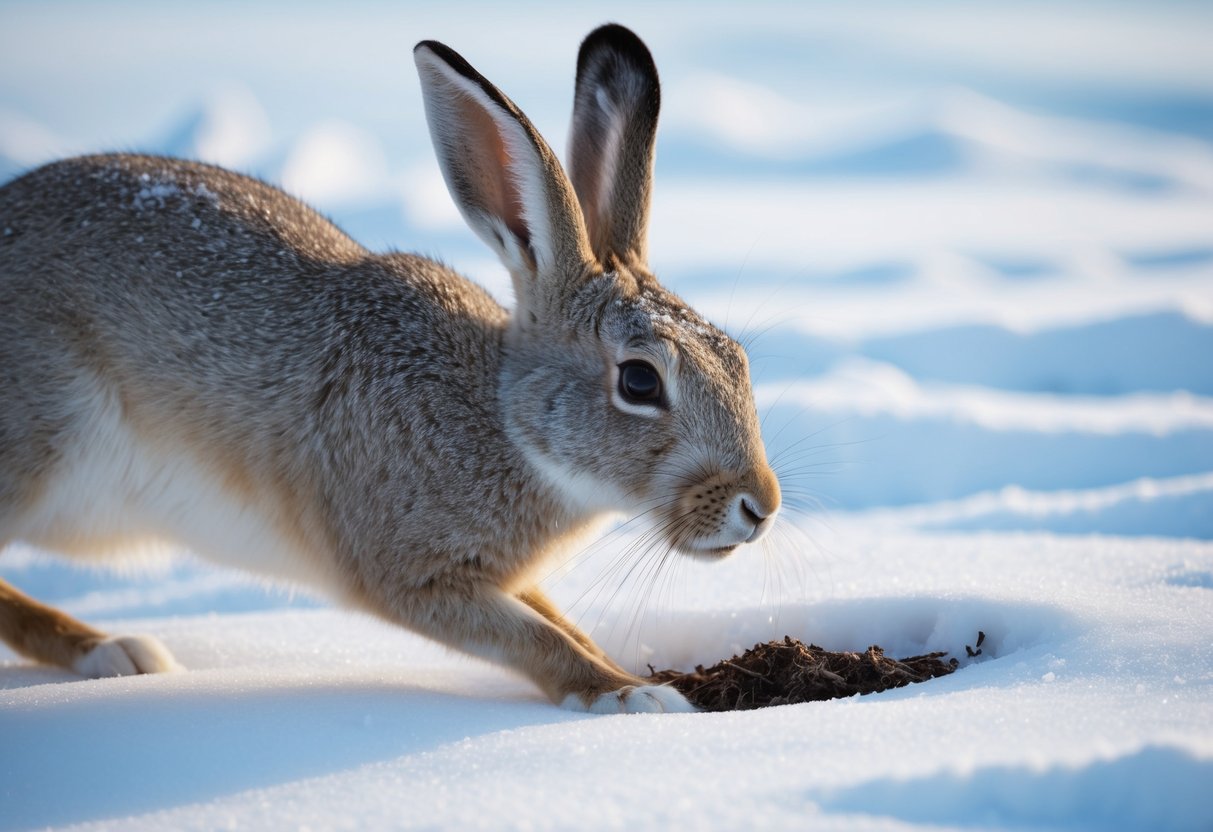
Arctic hares have interesting reproductive habits and a notable lifespan that helps them thrive in their harsh environment. Understanding their mating season and the development of their young can provide insights into their survival in the wild.
Mating Season and Reproduction
During the mating season, typically in late spring, male arctic hares compete for the attention of females, known as does. Males attract the does with displays of strength and agility. This courtship can involve chasing and boxing, which looks like playful fighting.
After mating, a doe will usually have a litter of 1 to 8 leverets after a gestation period of about 50 days. Interestingly, does may mate with multiple males each season, which can increase genetic diversity in their young. Their ability to reproduce quickly helps sustain their population in extreme conditions.
Growth and Development of the Young
After birth, leverets are born fully fur-lined, making them quite cute and in a sense, ready to face the chilly environment. They weigh around 0.5 kg (about 1 lb) at birth.
Leverets are initially hidden in a shallow nest to protect them from predators.
Within a few weeks, they begin to grow quickly and can start nibbling on solid food. By 4 to 5 weeks, they start venturing out and exploring their environment. They rely on their mother for protection during this early stage of life.
In the wild, arctic hares can live up to 3 to 5 years, but some may survive longer. Their life cycle and reproductive strategies allow them to adapt and thrive in the challenging Arctic landscape.


