
Arctic foxes are fascinating creatures found in the cold tundras of the Arctic. You might wonder if these clever animals include snow hares in their diet. Yes, Arctic foxes do eat snow hares when they can catch them, alongside other small mammals and birds. Understanding their diet can give you a better insight into their survival strategies in such a harsh environment.
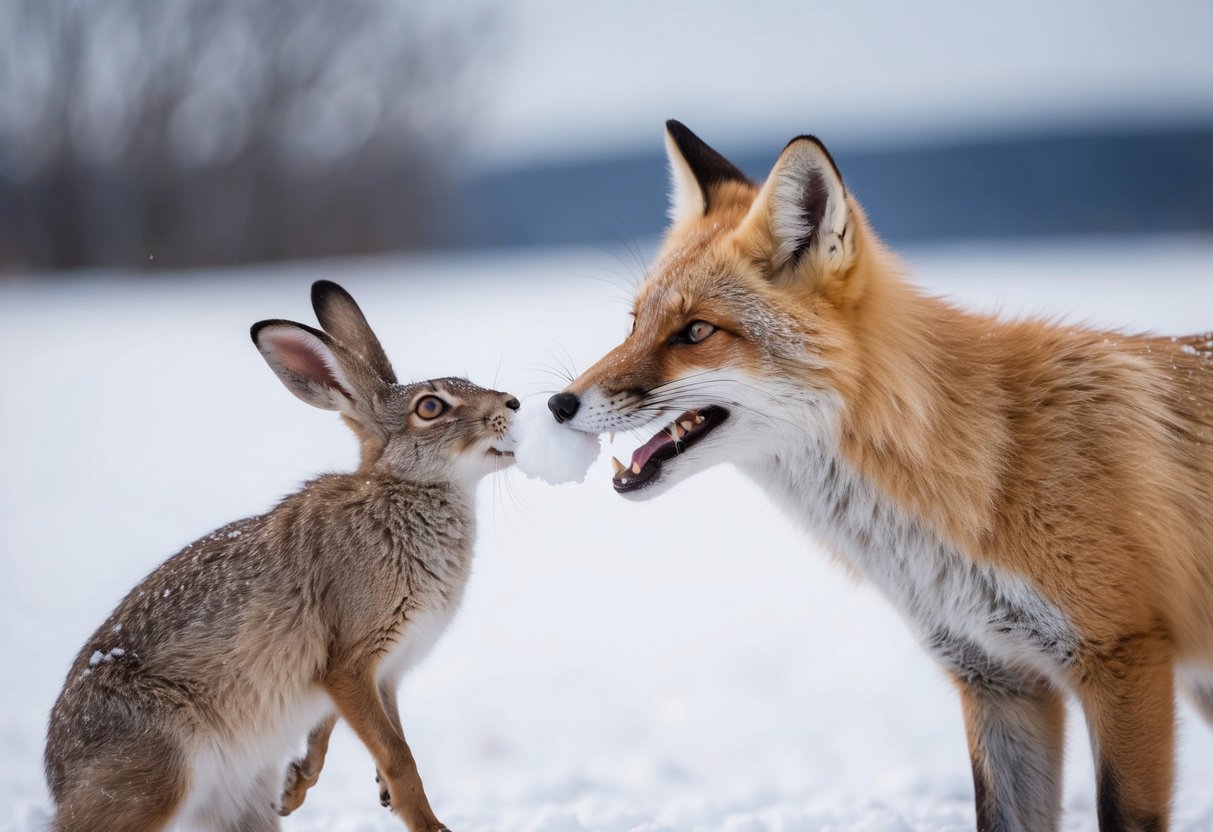
These foxes, known scientifically as Vulpes lagopus, are opportunistic hunters. When food is scarce, their diet can shift to include whatever small animals are available. This flexibility helps them thrive despite the challenges of their icy habitat.
As you read on, you’ll discover more about what Arctic foxes eat and how they interact with their predators in the wild.
By learning about their eating habits, you can appreciate the role Arctic foxes play in their ecosystem. Their adaptability makes them one of the few species that thrive in extreme cold, making them a true marvel of nature.
Arctic Fox Diet and Hunting Behaviors

Arctic foxes have diverse diets and specialized hunting skills that help them survive in harsh environments. They are opportunistic feeders, eating a mix of animals and plants, depending on availability. Let’s explore their prey and predation techniques.
Prey and Predation
Arctic foxes mainly hunt small mammals like lemmings, which are crucial for their sustenance. They can consume up to 12 lemmings a day. Other important prey includes hares, birds, and rodents. During spring and summer, they often eat insects and berries.
When hunting, they rely on their keen sense of hearing and acute vision. Although larger animals like golden eagles, polar bears, and wolves prey on them, they have developed clever hunting techniques to avoid danger. For example, they can dive into the snow to catch hidden prey.
Foraging and Feeding Habits
Foraging behaviors in Arctic foxes are shaped by their environment. They typically stay close to their dens to protect themselves and their young. They often scavenge carrion left by predators, like red foxes, using it as a food source when other options are scarce.
In addition to hunting, they may eat marine invertebrates and seaweed if available. Their diet is adaptable, allowing them to survive in the ever-changing Arctic landscape. This flexibility is key, especially during winter when food is limited.
Adaptations of the Arctic Fox

The Arctic fox has developed unique adaptations that help it thrive in the harsh conditions of the Arctic tundra. These changes enhance its ability to find food, stay warm, and avoid predators in extreme climates.
Physical Characteristics
One of the most notable features of the Arctic fox is its thick fur. It has a double layer of fur that insulates against temperatures as low as -58°F. The outer layer is longer and waterproof, while the inner layer is short and dense. This combination keeps the fox warm.
Another important adaptation is camouflage. In winter, their fur turns white, blending in with the snow. In summer, the fur changes to brown or gray to match the tundra’s rocks and vegetation. This color change helps them avoid detection by both prey and predators.
Short legs and a compact body shape also contribute to their survival. These features reduce heat loss. Their agility allows them to navigate through deep snow and rocky terrain while hunting.
Behavioral Adaptations
The Arctic fox has developed keen senses to survive. Its keen sense of smell enables it to locate prey beneath the snow. This skill is critical for finding lemmings and other small animals.
The fox also has a remarkable ability to regulate its core temperature. During the coldest months, it can enter a state of reduced activity, conserving energy. This behavior helps it survive when food is scarce.
Lastly, as climate change affects its habitat, the Arctic fox demonstrates flexibility in its behavior. You might find them changing their hunting patterns or moving to new areas to adapt to shifting conditions. Their ability to adjust plays a vital role in their survival in a changing world.
Life in the Arctic Tundra
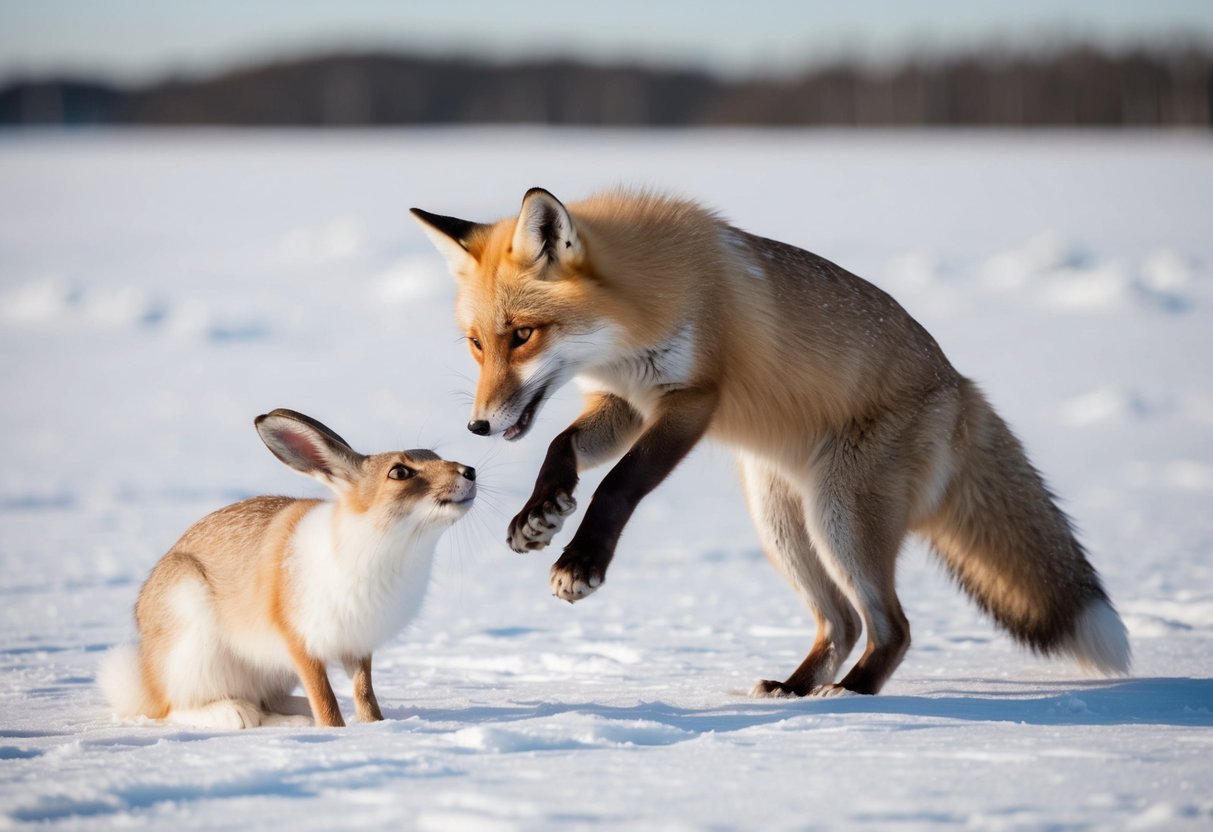
The Arctic tundra is a unique and challenging environment that supports a variety of wildlife. You’ll find diverse habitats and specific life cycles that help animals adapt to harsh conditions. Let’s explore two key aspects of this fascinating ecosystem.
Habitat and Distribution
The Arctic tundra spans across the Northern Hemisphere, covering regions like Alaska, Canada, Greenland, and Scandinavia. This environment features cold temperatures, strong winds, and a short growing season.
The ground is often frozen, creating permafrost that limits the types of vegetation. Plants such as mosses, lichens, and low shrubs thrive here.
Animals, like the Arctic fox and snow hare, are well-suited to survive in this habitat. They often have thick fur and adapt their diets based on food availability. The tundra’s biodiversity is essential for maintaining a balanced ecosystem, supporting not just the foxes, but also various birds and small mammals.
Mating and Lifecycle
The mating season for Arctic foxes is typically in March and April. During this time, pairs mate and form strong bonds. After a gestation period of about 52 days, the female gives birth to a litter of 5 to 10 kits.
These kits are born blind and rely on their parents for food and protection. They grow quickly and start exploring outside their den a few weeks after birth.
By summer, the young foxes learn vital skills for hunting and surviving in the tundra. Their lifespan can reach up to 3-6 years in the wild, but they face many challenges due to predators and harsh conditions. Understanding these life cycles helps you appreciate the resilience of Arctic wildlife.
Interaction with Other Species
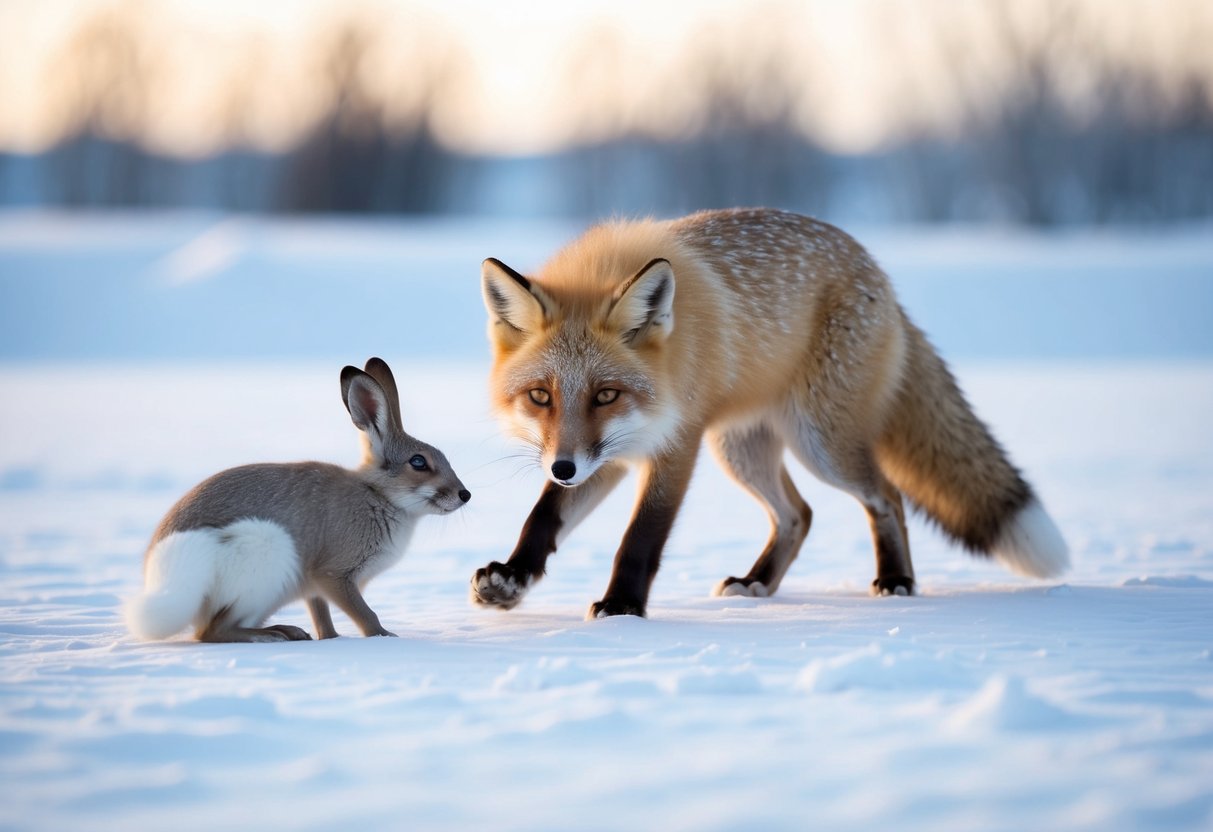
Arctic foxes interact with many species in their habitat, playing important roles that affect the entire ecosystem. Their behavior includes both competition and cooperation with other animals, leading to a complex web of relationships.
Role in the Ecosystem
Arctic foxes are key players in the Arctic ecosystem. As opportunistic feeders, they scavenged on remains left by larger predators like polar bears. This helps recycle nutrients back into the environment.
They primarily feed on small mammals such as lemmings and voles, helping balance their populations. In turn, their presence acts as prey for larger carnivores, maintaining a healthy food chain.
With their ability to adapt to various habitats, Arctic foxes thrive in different territories, which helps support local biodiversity. Their scientific name, Vulpes lagopus, reflects their specialized traits for survival in harsh conditions.
Competition and Coexistence
Arctic foxes often compete with other carnivores for food. They share their habitats with animals such as red foxes and wolves, which can lead to aggression.
These interactions can affect populations of small mammals, as both the foxes and their competitors hunt them. However, Arctic foxes have adapted to coexist by utilizing different hunting times, often being more nocturnal.
Their scavenging habits allow them to take advantage of leftover prey, reducing direct competition. This flexibility means Arctic foxes can thrive even in areas with many other predators.


