
Arctic hares are fascinating animals that thrive in the harsh conditions of the tundra. As you learn more about them, you may wonder about their reproductive habits. Female Arctic hares are pregnant for about seven weeks, during which they prepare to bring new life into their icy habitat.

These hares, known scientifically as Lepus arcticus, have unique adaptations that help them survive in extreme cold. From their thick, insulating fur to their strong legs for bounding across snow, Arctic hares are built for their environment. Understanding their pregnancy duration gives you insight into how they nurture their young in such a challenging habitat.
During this short gestation period, female hares invest a lot of energy into ensuring their leverets are ready to face the world. This nurturing phase is crucial for their survival in the wild.
As you read on, you’ll discover more about the incredible life cycle of the Arctic hare and how it continues to adapt to its environment.
Physical Characteristics of the Arctic Hare

The Arctic hare has unique features that help it thrive in cold environments. Its fur, size, and dietary habits are crucial for its survival in the harsh Arctic climate. Learning more about these aspects will give you a better understanding of this fascinating creature.
Adaptations for the Arctic Climate
Arctic hares have thick, dense fur that offers excellent insulation against extreme cold. This fur is longer and softer in winter, turning white to blend in with the snow. In contrast, during the summer months, their fur changes to a more grayish-brown shade for camouflage in the tundra.
Their body size is also important. Arctic hares are larger than many other hare species, weighing between 6 to 12 pounds and reaching lengths of 17 to 28 inches. A bigger body size helps retain heat more effectively.
These hares have shorter ears compared to other species. This reduces heat loss, making them well-adapted to their chilly habitat.
Diet and Foraging Behavior
Arctic hares primarily feed on tough vegetation, such as willow, bark, and various herbs. During winter, when food is scarce, they rely on the bark of shrubs and trees for sustenance.
The hares use snow as a source of hydration since freshwater is limited in their environment. They dig through the snow to find food buried beneath. In addition, their excellent vision helps them spot predators while foraging.
Leverets, or baby hares, are born fully furred and can see. This adaptation allows them to stay hidden from predators right from birth. Understanding their foraging behavior helps illustrate how these hares survive in their cold and challenging home.
Reproduction and Life Cycle
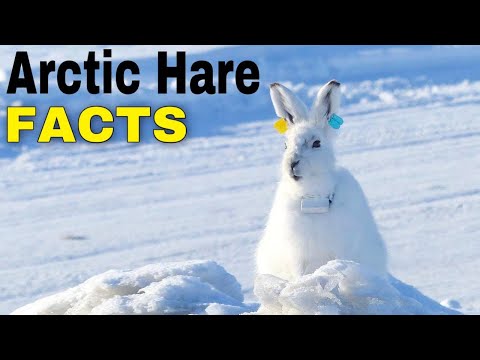
Arctic hares have a fascinating reproductive cycle that includes a specific mating season and a notable gestation period. Understanding these factors is key to grasping how they raise their young.
Gestation Period and Breeding Season
The breeding season for Arctic hares usually takes place from April to May. During this time, males and females roam the tundra to find mates. Female Arctic hares enter estrus, which is their reproductive window, and can sometimes have a short period of availability.
The gestation period lasts about 50 days, after which the female gives birth to a litter of 1 to 8 leverets. The timing of their reproduction coincides with warmer weather, which helps the young survive. Babies are typically born in May or June, allowing them to be well-prepared for the summer months.
Raising the Young and Their Survival
After giving birth, the female Arctic hare takes careful steps to ensure the survival of her leverets. These young hares are born with fur and open eyes, making them quite independent early on. However, they depend on their mother for food and protection during their first few weeks.
The mother stays with her leverets, hiding them in nests made from grass and fur. She returns frequently to nurse them. This strategy keeps the young safe from predators. As they grow, the leverets eventually start to explore their environment. By the time they are 8 to 10 weeks old, they are almost fully independent and ready to face the harsh Arctic life on their own.
Behavior & Social Structure

Arctic hares have unique behavior patterns and social structures that aid in their survival. Understanding these aspects provides insight into their lives in harsh environments.
Solitary versus Social Tendencies
Arctic hares can be both solitary and social creatures. While they often prefer to live alone, certain conditions prompt them to join larger groups known as bands. During winter, these bands can form with hundreds of hares. This helps them stay warm and offers protection against predators.
When the breeding season arrives, males and females will seek each other out across the tundra. These social interactions are vital for reproduction, especially since females have a limited time for mating.
In warmer months, you may find them more solitary, as they forage for food and explore their territories on their own.
Adaptations to Predatory Threats
The behavior of Arctic hares also revolves around avoiding predators such as foxes and wolves. Their primary adaptation is their remarkable speed and agility. They can reach speeds of up to 45 miles per hour.
When faced with danger, these hares often use zigzag movements to escape. Additionally, their white fur in winter provides excellent camouflage against the snow, making it harder for predators to spot them.
In groups, they can also fend off threats better, as more eyes are on the lookout for danger. This social structure helps each hare stay safe and increases their chance of survival in the wild.
Challenges and Conservation

Arctic hares face several challenges that impact their survival. Understanding these issues can help you appreciate the importance of conservation efforts.
Environmental Threats and Adaptation Strategies
Arctic hares deal with environmental threats like habitat loss and global warming. These factors can disrupt their food supply and living conditions. As temperatures rise, their tundra environments change, affecting the plants they rely on for food.
To adapt, arctic hares have developed thick fur that insulates them against the cold. They can also change their diet based on what is available. This resilience helps them cope with harsh conditions, but it is not a cure-all. Loss of habitat makes it harder for them to thrive.
Current Conservation Status and Efforts
The IUCN classifies arctic hares as “Least Concern.” This status shows that, for now, their populations are relatively stable. However, their status could change if we don’t maintain conservation efforts.
Conservation groups work to protect their habitat and address challenges like hunting and climate change. These efforts include monitoring hare populations and protecting their natural environments from industrial activities. Your support can help raise awareness and encourage sustainable practices that benefit these resilient creatures in the wild.


