
Arctic hares are fascinating animals that thrive in the harsh tundra environment. They have special adaptations, such as thick fur and the ability to camouflage themselves, which help them survive in this challenging habitat. Several predators hunt these hares, making them an important part of the food chain in nature.

As you learn more about Arctic hares, you’ll discover how these clever creatures use their skills to escape danger. The vast, snowy landscapes provide both hiding spots and open spaces for running, allowing them to stay one step ahead of their hunters. Understanding the relationships between Arctic hares and their predators gives you a greater appreciation for the balance of life in the tundra.
Join me as we explore the different animals that hunt Arctic hares and uncover the secrets of their survival in the wild. You’ll gain insights into the challenges these hares face and how their adaptations are vital to their existence in this beautiful yet unforgiving environment.
Physical Characteristics and Adaptations

The Arctic hare has several unique features and adaptations that help it survive in a harsh environment. These traits enable it to blend into its surroundings and manage the extreme cold temperatures.
Adaptative Camouflage and Fur
One of the most striking characteristics of the Arctic hare is its thick, white fur. This natural camouflage allows you to spot these hares easily against the snowy landscape. The white fur provides excellent insulation, keeping them warm in frigid conditions.
In addition to the fur’s color, the Arctic hare has black eyelashes that help shield its eyes from the bright sunlight reflecting off the snow. This feature enhances vision while maintaining comfort in glaring conditions. The fur’s density provides the necessary insulation for the harsh Arctic winters, which can be life-changing for survival.
Molting and Seasonal Changes
As seasons change, the Arctic hare undergoes molting, which is vital for staying well camouflaged. During the winter, your hare’s fur is thick and white. This helps it hide from predators like foxes and owls.
In spring, the Arctic hare’s fur changes color to a brown or gray shade, blending with the earth and tundra vegetation. This seasonal change is essential for their survival, ensuring they remain hidden from enemies year-round. The timing of molting is critical, as it aligns with environmental changes, maximizing their chances of staying undetected.
Habitat and Lifestyle

Arctic hares live in unique environments that shape their habits and social interactions. Their survival relies on specific habitats and how they adapt to extreme conditions in the polar regions.
Habitat and Distribution
Arctic hares are native to the Arctic tundra, where they thrive in cold temperatures and snowy landscapes. They are often found in areas with low-growing vegetation, which provides both food and cover.
These hares create burrows to seek shelter from the harsh climate and predators. They typically live in groups, which can consist of up to 200 individuals, helping them watch for threats.
Unfortunately, habitat loss due to global warming poses a significant risk to their survival. The melting ice and changing landscapes reduce their available habitat, making it harder for them to find food and shelter.
Social Behavior and Lifestyle
You will find that Arctic hares exhibit interesting social behaviors. They usually lead solitary lives but gather in groups for protection and when food is abundant.
During the mating season, males compete for females, and a single male might mate with multiple females. Their social structure is fluid and can change based on environmental conditions.
These hares are primarily nocturnal, meaning they are most active at night. They rely on their strong legs for quick escapes from predators like Arctic foxes and wolves. Conservation efforts are vital to help stabilize their populations as they face increased threats from climate change and hunting.
Predators and Survival Strategies
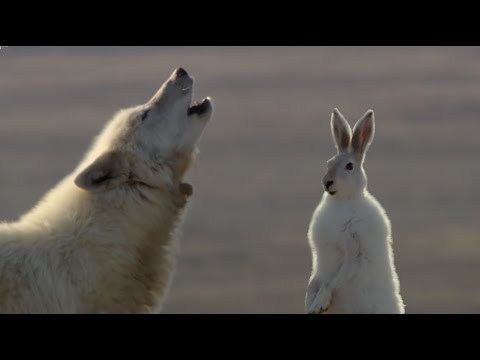
Arctic hares face several threats from predators in their harsh environment. Their survival depends on recognizing these threats and developing effective strategies to evade them.
Common Arctic Hare Predators
Several predators actively hunt Arctic hares. Key predators include:
- Arctic foxes: Skillful hunters that rely on their keen sense of smell and agility to catch hares.
- Snowy owls: These birds of prey use their remarkable vision to spot hares from the air.
- Grey wolves: Often hunting in packs, they pose a significant threat due to their coordinated hunting strategies.
- Canadian lynx: With their unique adaptations, lynxes are well-suited for hunting hares in snowy terrains.
- Ermines and red foxes: These smaller predators also join the list, utilizing stealth to approach their prey.
This array of predators highlights the ecological balance that exists in the Arctic ecosystem.
Behavioral Adaptations for Survival
Arctic hares possess specific adaptations to improve their chances of survival.
One vital strategy is their seasonal camouflage. In winter, they develop white fur, helping them blend into the snowy landscape. In summer, their fur changes to brown, providing cover in the tundra.
Additionally, hares utilize their strong legs for quick escapes. When threatened, they can sprint away at high speeds and perform sharp turns to evade capture.
Vigilance plays a critical role as well. Arctic hares are highly alert and often use their keen eyesight to detect potential dangers early. This awareness is essential, especially when predators like wolves or birds of prey are nearby.
By combining these survival strategies with their adaptable nature, Arctic hares continually navigate the challenges posed by their predators.
Diet and Food Web Interactions

Arctic hares have a unique place in their environment. Their diet and the role they play in the food web are important for understanding the Arctic ecosystem’s balance.
Diverse Diet of the Arctic Hare
You might be surprised to know that Arctic hares have a varied diet. They primarily eat herbaceous plants, including mosses and lichens. These are abundant in their cold habitat and provide essential nutrients.
In summer, they enjoy a selection of berries and woody plants. This diverse diet helps them thrive in different seasons. The nutritional variety they consume allows them to store fat, which is crucial for energy during harsh winters.
As herbivores, Arctic hares play a key role in controlling plant populations. By eating various types of vegetation, they help maintain the balance within their ecosystem.
Arctic Hare’s Role in the Ecosystem
Your understanding of the Arctic hare’s role is crucial. They are not just consumers; they are a significant part of the Arctic food web. Predators like Arctic foxes, red foxes, and lynxes rely on hares for food.
When the hare population increases, it supports predator species. Conversely, when their numbers decline, it can affect these predators. This interaction shows how interconnected life is in the Arctic ecosystem.
By feeding on plants, Arctic hares also shape their environment. They promote plant growth and diversity, helping to sustain other species in their habitat. Their activities contribute to the overall health of the ecosystem.


