
The Arctic fox, known scientifically as Vulpes lagopus, is a remarkable survivor in one of the coldest environments on Earth. Living in the tundra, this small mammal faces harsh winters with temperatures that can plummet well below freezing. The Arctic fox stays warm thanks to its thick, double-layered fur, which provides excellent insulation against the bitter cold.
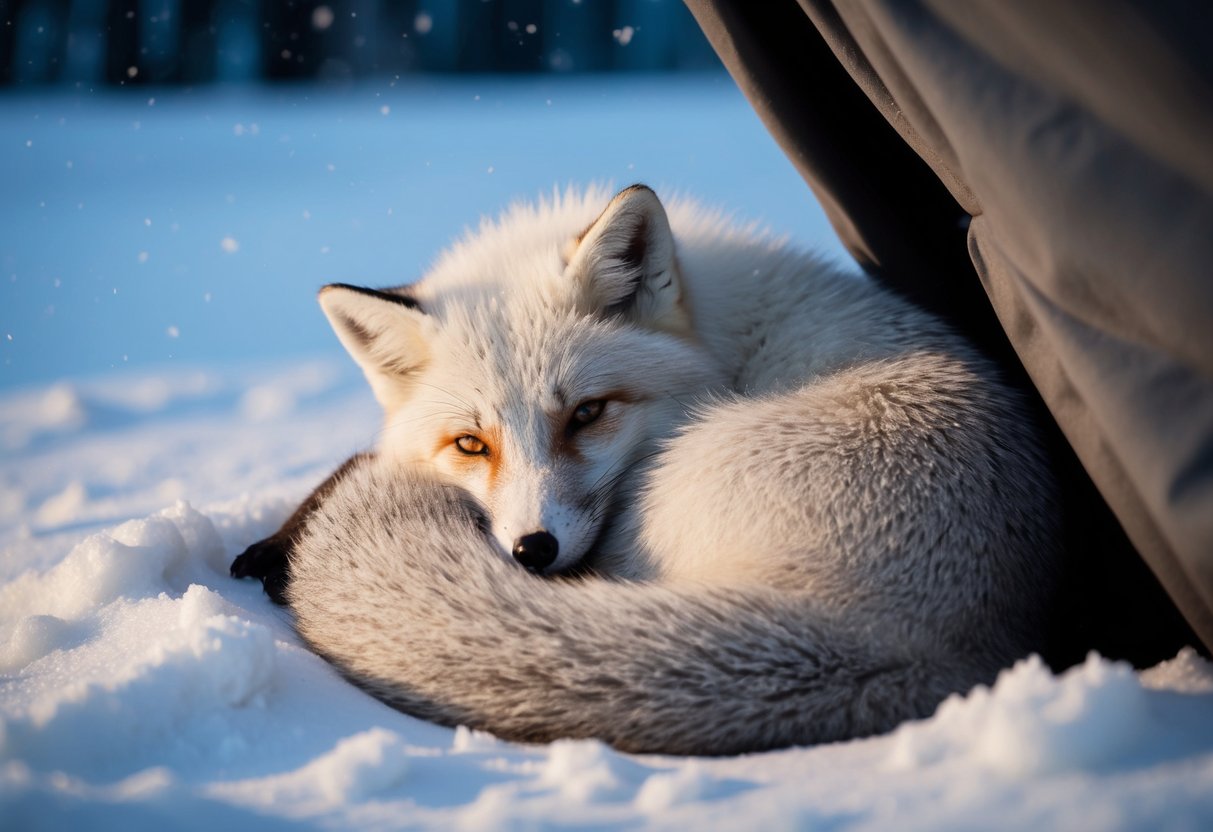
You may be surprised to learn that this fox’s adaptations go beyond its fur. These animals have evolved a compact body shape with shorter legs and snouts, which helps reduce heat loss. They also have furry pads on their feet that protect them from the icy ground while keeping them warm.
As you explore the various ways the Arctic fox thrives in extreme conditions, you’ll discover the fascinating features that make it one of nature’s most well-adapted creatures. Understanding how this fox survives can inspire your appreciation for wildlife and the amazing strategies animals use to overcome challenges in their environments.
Physical Adaptations of the Arctic Fox
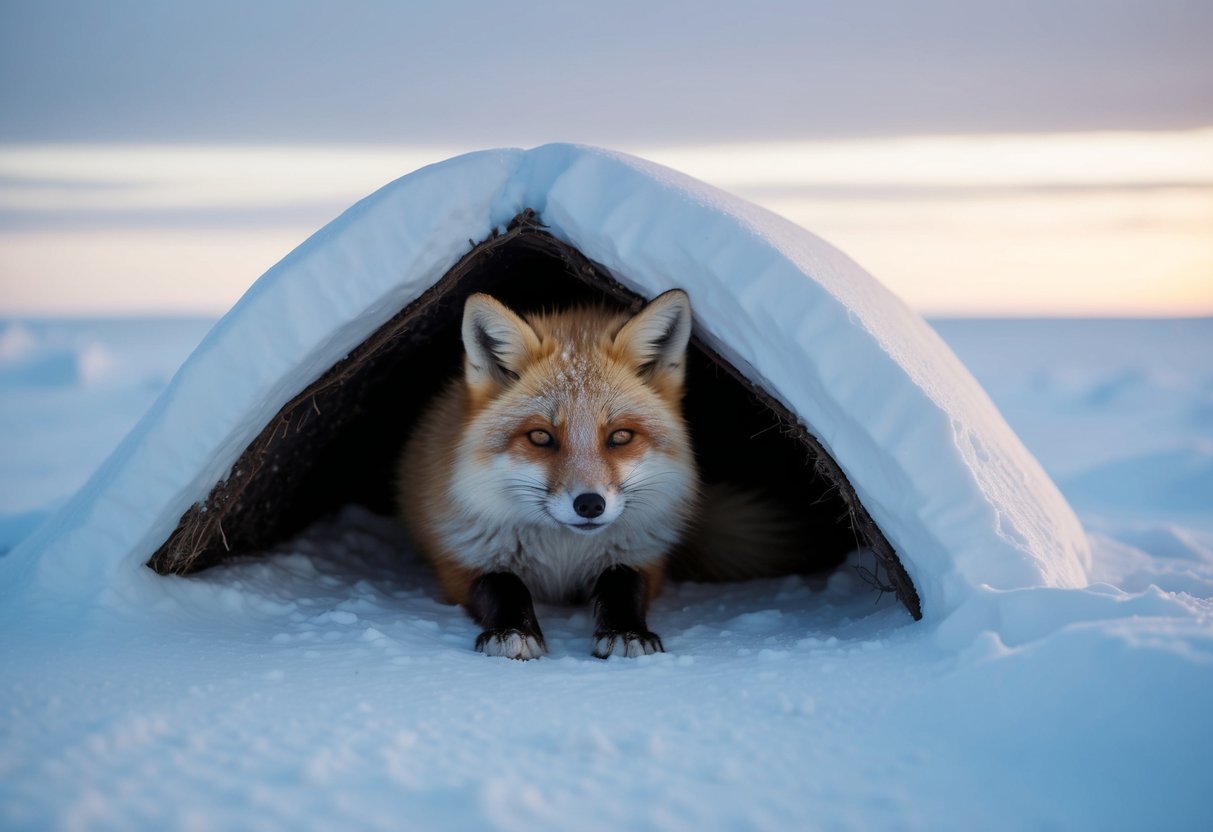
The Arctic fox is specially built to survive in extreme cold environments. Its physical traits play a key role in keeping it warm and safe. Let’s explore its insulating fur coat and compact body features.
Insulating Fur Coat
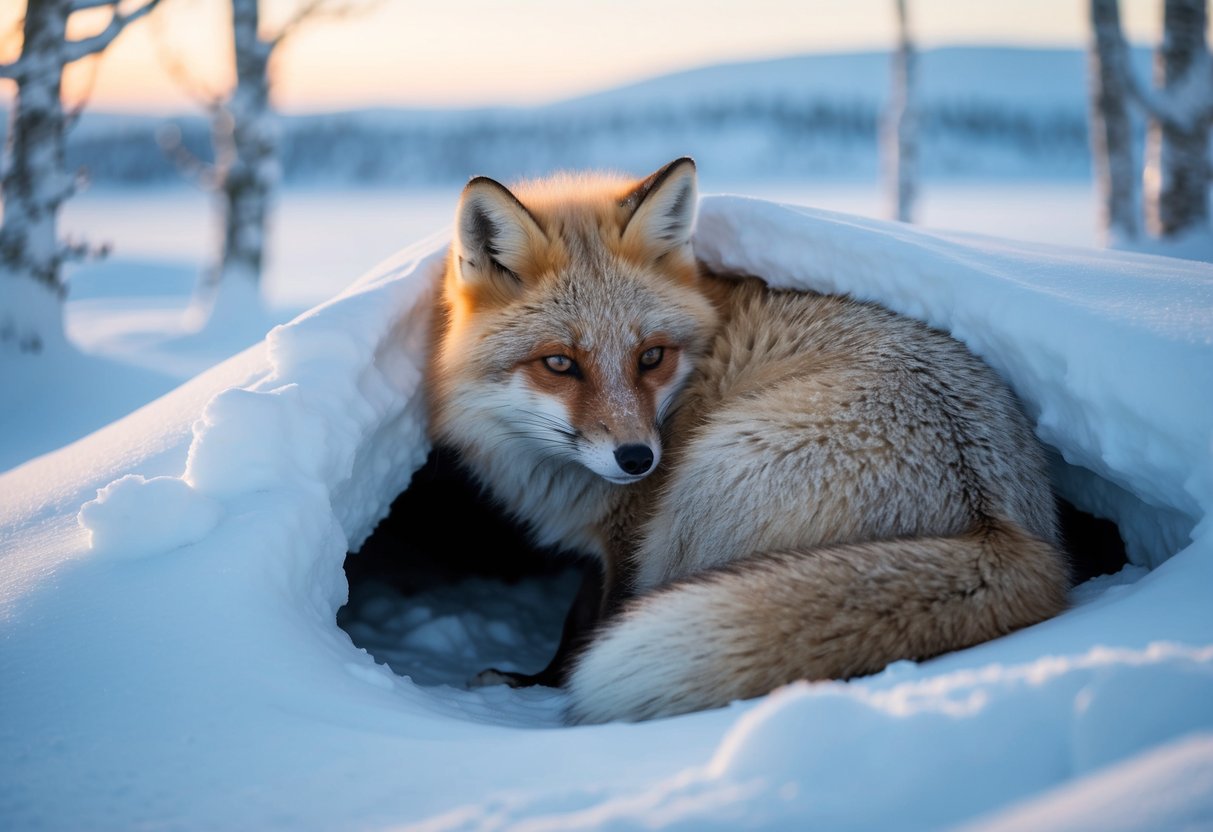
The most striking adaptation of the Arctic fox is its thick and multilayered fur coat. This coat provides excellent insulation against the harsh Arctic temperatures.
In winter, the fur turns white, allowing the fox to blend into the snowy landscape. This not only provides warmth but also helps with camouflage from predators and prey.
The fur also has a dense underlayer that traps heat. This insulation keeps your Arctic fox cozy, even when temperatures plummet. The bottom of the fox’s feet is covered in thick fur, protecting it from frostbite. These snow-like boots allow it to run on icy grounds without discomfort.
Compact Body Features
Another important adaptation is the Arctic fox’s compact body shape. It has a rounded body shape, which helps minimize heat loss.
The small, short legs and short muzzle further reduce surface area exposure to the cold. These features allow your fox to conserve warmth effectively.
Additionally, the body fat provides extra insulation and energy during times when food is scarce. This combination of structural traits makes the Arctic fox resilient and well-suited to its frozen environment.
These physical adaptations work together to ensure the Arctic fox remains warm and thriving in its chilly habitat.
Behavioral Characteristics
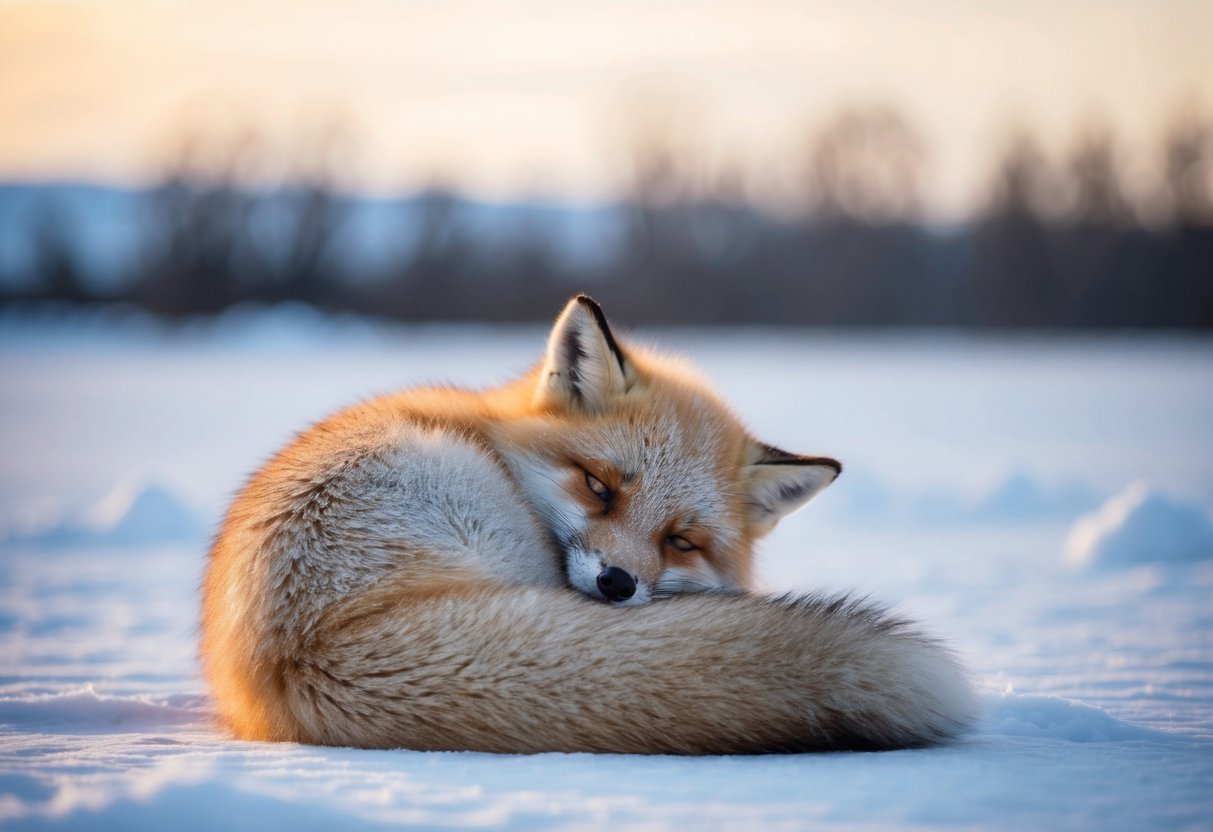
Arctic foxes have unique behaviors that help them thrive in their harsh environment. These behaviors include effective hunting techniques and varied dietary habits that ensure their survival against predators and the cold.
Hunting Techniques
When hunting, you’ll notice that Arctic foxes use clever methods to catch their prey. They often pounce on small animals like lemmings from a distance. Their keen sense of hearing allows them to detect movements beneath the snow.
In winter, they may even listen for their prey’s sounds, then leap into the snow to capture them. They are known to hunt actively in the summer when food is more plentiful, targeting birds, fish, and small mammals.
Sometimes, Arctic foxes take advantage of scavenging. They follow larger predators, like polar bears, to feed on leftover carrion. This helps them conserve energy in the cold.
Dietary Habits
You might be surprised to learn that Arctic foxes are omnivores. Their diet is quite varied, making them adaptable. They primarily feast on lemmings, which are their favorite.
In addition to rodents, they eat berries, insects, and even fish when available. This variety helps them to stay nourished throughout the seasons.
During tougher times, Arctic foxes will scavenge carrion left by polar bears or other predators. This behavior helps them survive when food is scarce. Their ability to adjust their diet based on what is available plays a key role in their survival.
Reproductive Behavior
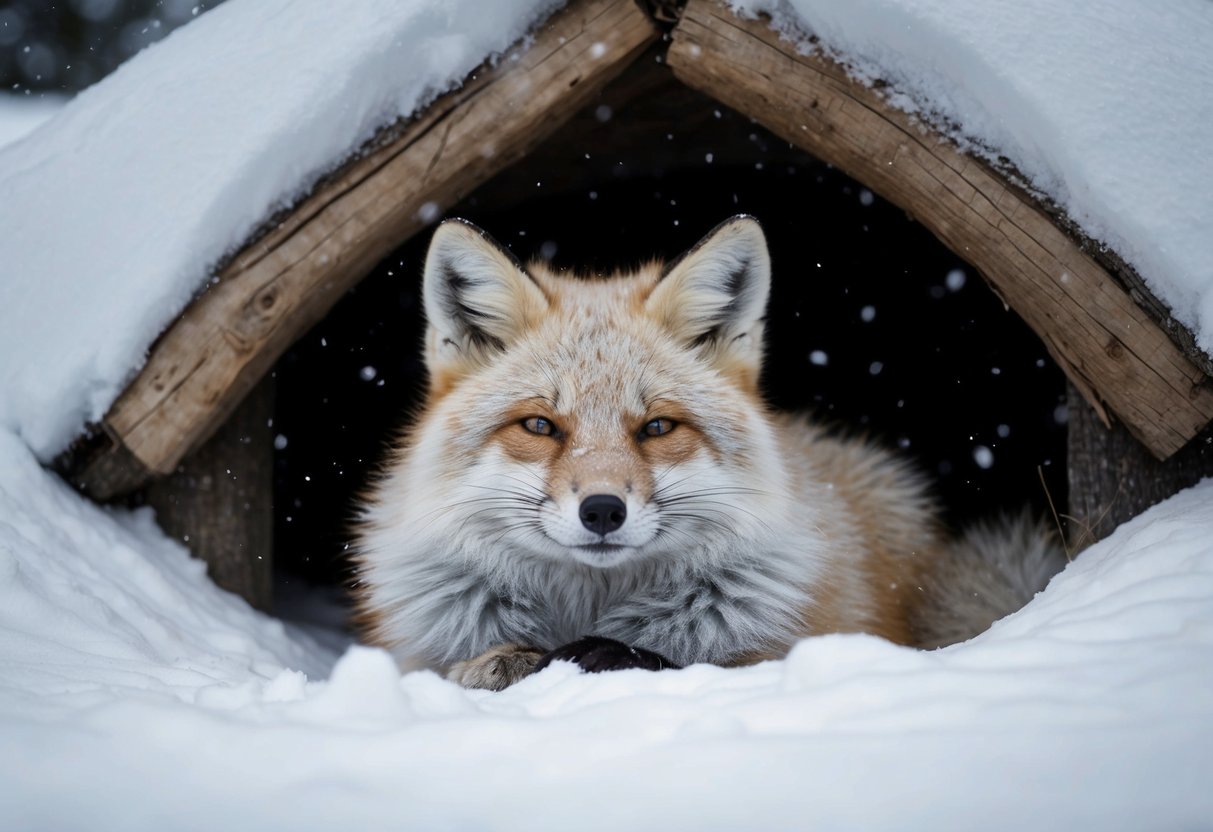
Arctic foxes have fascinating reproductive habits that help ensure the survival of their species. They form strong social bonds and raise their young in a supportive environment. In this section, you’ll learn about their breeding patterns and how they care for their young.
Breeding and Rearing
Arctic foxes typically breed in late winter, between February and March. During this time, the male and female, known as a vixen, pair up and establish a den. This monogamous bond lasts for life, providing stability for their family.
After mating, the gestation period is about 53 days. Once the kits are born, usually between 5 and 8 in a litter, both parents share the responsibility of caring for the young. They bring food to the den, helping their kits grow strong.
The kits are weaned at around 8 weeks old, beginning to eat solid food. They stay with their parents for several months, learning essential survival skills before venturing out on their own. This strong family unit supports them as they transition into independent adults.
Environmental Challenges and Adaptability
Arctic foxes face serious environmental challenges, especially due to climate change. Their adaptability plays a crucial role in their survival. This section covers how changes in climate affect food availability and their overall resilience in the Arctic tundra.
Climate Change Impact
Climate change is dramatically altering the Arctic tundra. Rising temperatures lead to melting snow and ice, which affects your ability to hunt. The warmer conditions also change the availability of prey, forcing you to adapt your hunting strategies.
Additionally, food scarcity becomes an issue during warmer months. When the ground thaws, it can expose more potential food sources, but it also means competition with other predators increases. This competition can stress your survival tactics and force you to be more resourceful.
You possess a higher metabolic rate that helps you conserve energy in the cold. This adaptation becomes more important as the habitat changes. The ability to modify your behavior in response to a shifting climate will be key for your ongoing survival.
Conservation Status
The IUCN Red List currently lists the Arctic fox as “Least Concern,” but things are changing. Their populations vary widely across the Northern Hemisphere and face threats from habitat loss and climate fluctuations.
With a decline in sea ice and shifting ecosystems, some regions see decreased numbers. Conservation efforts are essential in ensuring that your species remains resilient.
Protecting your habitats and addressing climate challenges is vital for long-term survival.
Maintaining a healthy population is not just about strong adaptations. Conservation measures focus on habitat preservation and minimizing human impact on the Arctic. This ensures that you can thrive in your cold environment.


