
Arctic foxes are fascinating creatures that thrive in some of the coldest environments on Earth. These animals have unique adaptations that help them survive in harsh conditions. One key fact about Arctic foxes is that they have thick fur that changes color with the seasons, providing both insulation and camouflage against the snow.
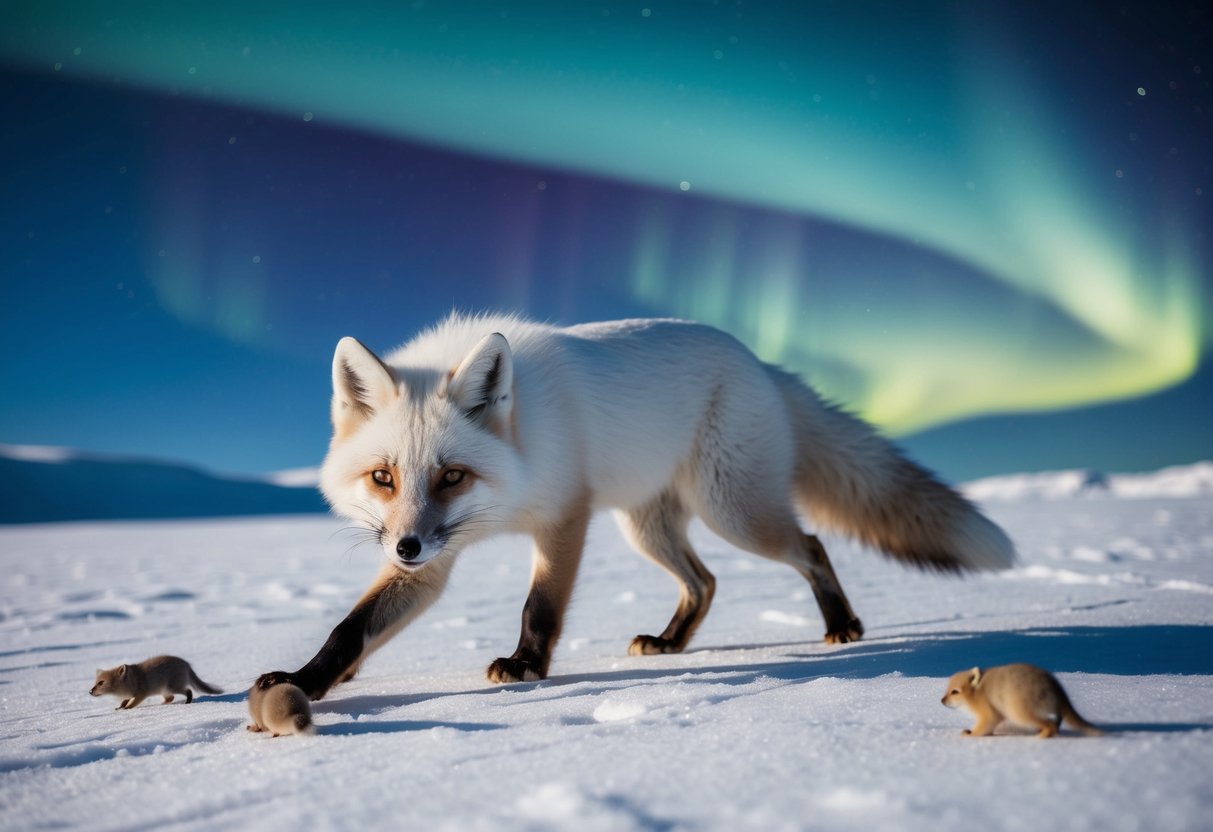
You may also find it interesting that Arctic foxes are small but incredibly resilient. They typically live for about 3 to 6 years in the wild, but those in captivity can reach up to 14 years. This adaptability is essential for a species living in the extreme climate of the Arctic.
Finally, Arctic foxes are known for their playful nature and clever hunting skills. They primarily feed on small mammals and birds, showcasing their agility and keen senses. Learning about these unique characteristics will deepen your appreciation for the Arctic fox, or Vulpes lagopus, and its role in the ecosystem.
Physical Characteristics and Adaptations
The Arctic fox, also known as the white fox, has special features and adaptations that help it thrive in cold environments.
Fur is one of its most important characteristics. Arctic foxes have thick, soft fur that provides excellent insulation. This keeps them warm in freezing temperatures.
In winter, their coats turn a brilliant white to blend in with the snow. This helps you stay hidden from predators and while hunting. During summer, their coats shift to brown or gray, making it easier to blend with the tundra landscape.
Another key adaptation is their body temperature control. Arctic foxes have smaller ears and lower surface area to minimize heat loss. This means you can stay warm even when it’s extremely cold outside.
Their paws are also specially adapted. They have fur on the bottoms of their feet, which provides extra comfort and insulation. This prevents frostbite on their pads when walking on ice.
These adaptations not only ensure survival in harsh climates but also help Arctic foxes deal with the challenges of climate change. As their habitat shifts, these clever creatures continue to adapt to new conditions.
By understanding these physical traits and adaptations, you appreciate how resilient and well-equipped Arctic foxes are for their environment.
Habitat and Distribution
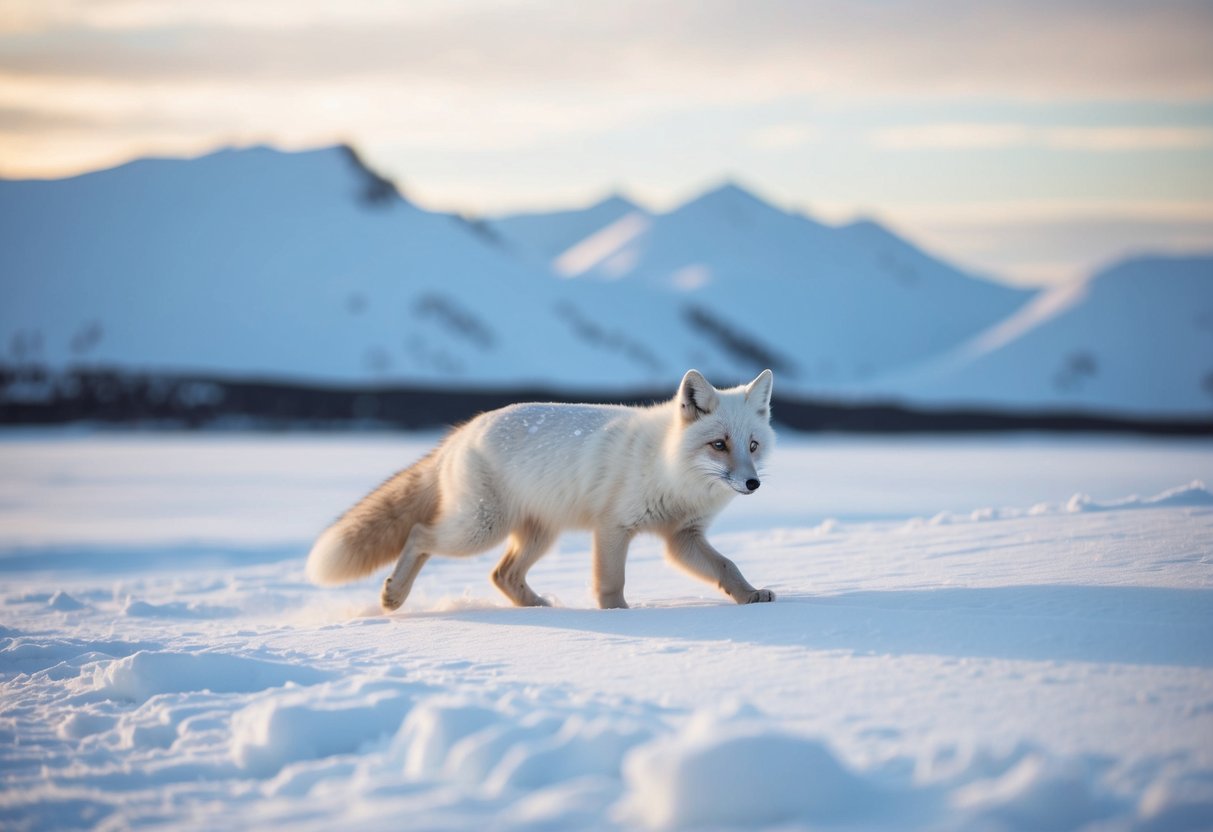
Arctic foxes thrive in the Arctic tundra, a cold and barren landscape. This area is characterized by its low temperatures and unique vegetation.
You’ll find them primarily in the polar region of the Northern Hemisphere. Their habitat includes regions of snow cover, which they use for hunting and shelter.
These foxes have adapted well to their environment. They can survive in harsh conditions where few other animals can. The Arctic ecosystem provides them with important resources like lemmings, which are a main food source.
Key Habitat Features:
- Cold Temperatures: Arctic foxes endure extreme cold, sometimes dropping below -50°C (-58°F).
- Snow Cover: They can blend in with the snowy landscape, which helps them avoid predators.
- Shelters: They dig dens in the snow or find rock crevices to keep warm.
You might also notice that their range extends across areas in Greenland, Canada, and parts of Russia. They are well-adapted to move across vast distances in search of food.
In summary, the habitat of Arctic foxes is vital for their survival. They depend on the cold, snowy environment of the Arctic tundra to thrive and raise their young.
Diet and Hunting Behavior
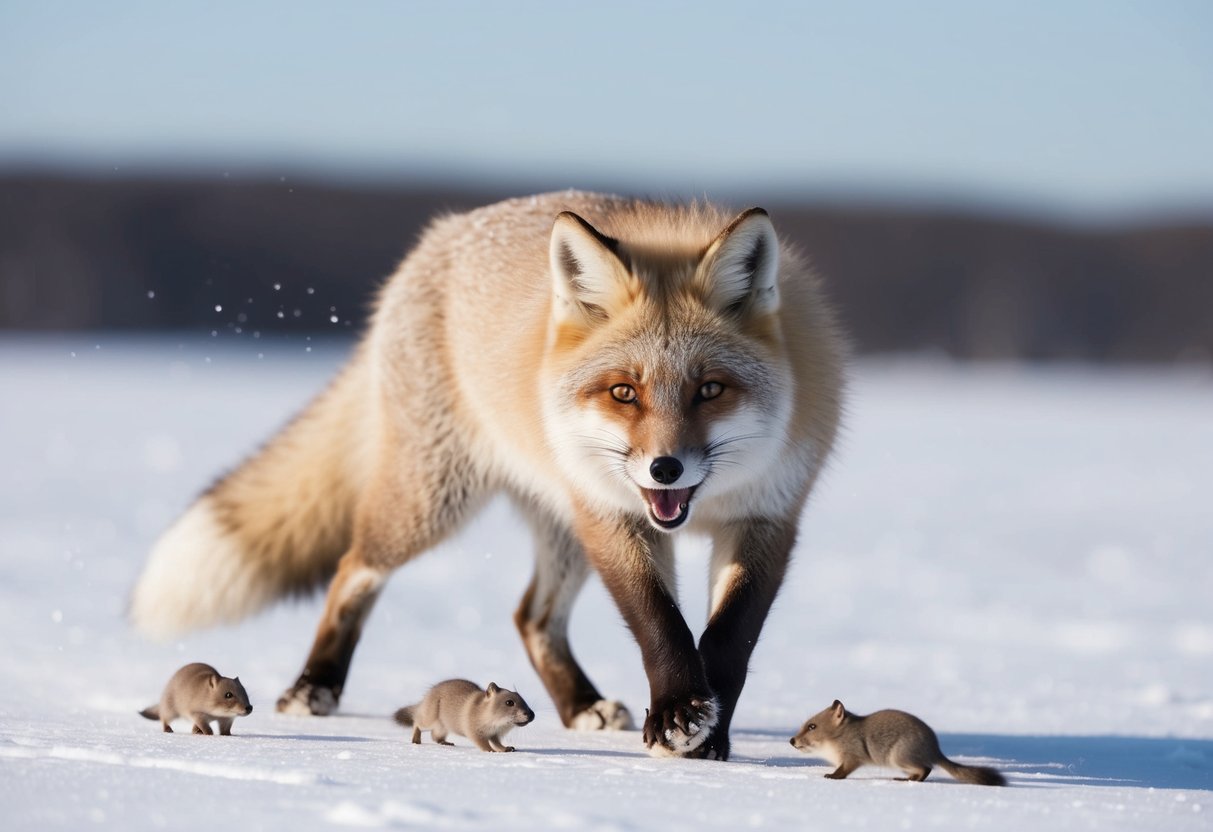
The arctic fox is an omnivore, which means it eats both plants and animals. This diet helps it survive in the harsh Arctic environment.
Main food sources include:
- Lemmings: These small rodents are a favorite and make up a large part of the arctic fox’s diet.
- Birds: They hunt ground-nesting birds and raid nests for eggs.
- Fish: When available, they catch fish from icy waters.
- Berries: In summer, they enjoy berries and other plants for extra nutrition.
Hunting techniques are quite clever. Arctic foxes rely on their keen sense of hearing to locate prey under the snow. They can pounce straight down, breaking through the snow to catch their meal.
These foxes also face competition from other predators. Red foxes often overlap in habitat, leading to competition for food. In some areas, they may have to compete with larger creatures, like wolves, for survival.
The ability to adapt their hunting behavior allows arctic foxes to thrive despite challenges. They adjust their diet based on what’s available and might even scavenge leftover kills from other predators. This flexibility is key to their survival in a changing environment.
Reproduction and Social Structure
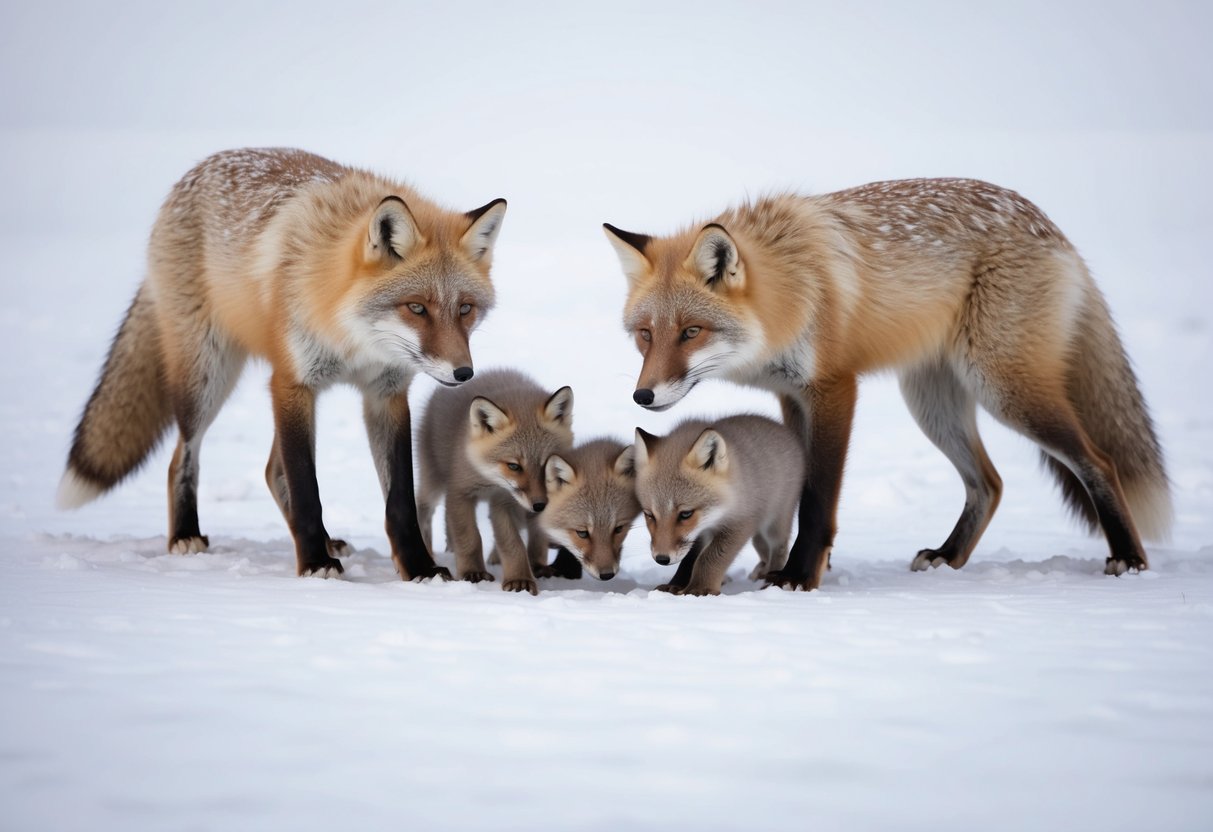
Arctic foxes are known for their interesting reproduction and social behaviors. They are monogamous, often pairing for life. This strong bond helps them raise their young together during the breeding season.
During this time, they create dens, which serve as safe places for raising pups. The mother typically gives birth to a litter of up to 25 pups, making it one of the largest litter sizes among mammals.
Both parents take an active role in caring for their young. They share the responsibility of finding food and keeping the pups safe.
Arctic fox families are very playful, and you can often see the pups frolicking around as they learn important survival skills.
Outside of the breeding season, Arctic foxes are usually solitary animals. They do not form large social groups, but they may come together during the breeding season or when raising pups. This approach allows each pair to focus on their family’s needs.
The social structure of Arctic foxes is simple yet effective. Their playful nature and commitment to their partners and young are key to their survival in the harsh Arctic environment. They adapt well, ensuring their pups grow up healthy and strong.


