
If you’re curious about the Arctic fox, or Vulpes lagopus, you might wonder just how rare these fascinating animals are. The truth is, Arctic foxes are not considered rare and currently fall under the conservation status of least concern. While they thrive in the chilly tundra, their populations can fluctuate due to factors like climate change and habitat loss.
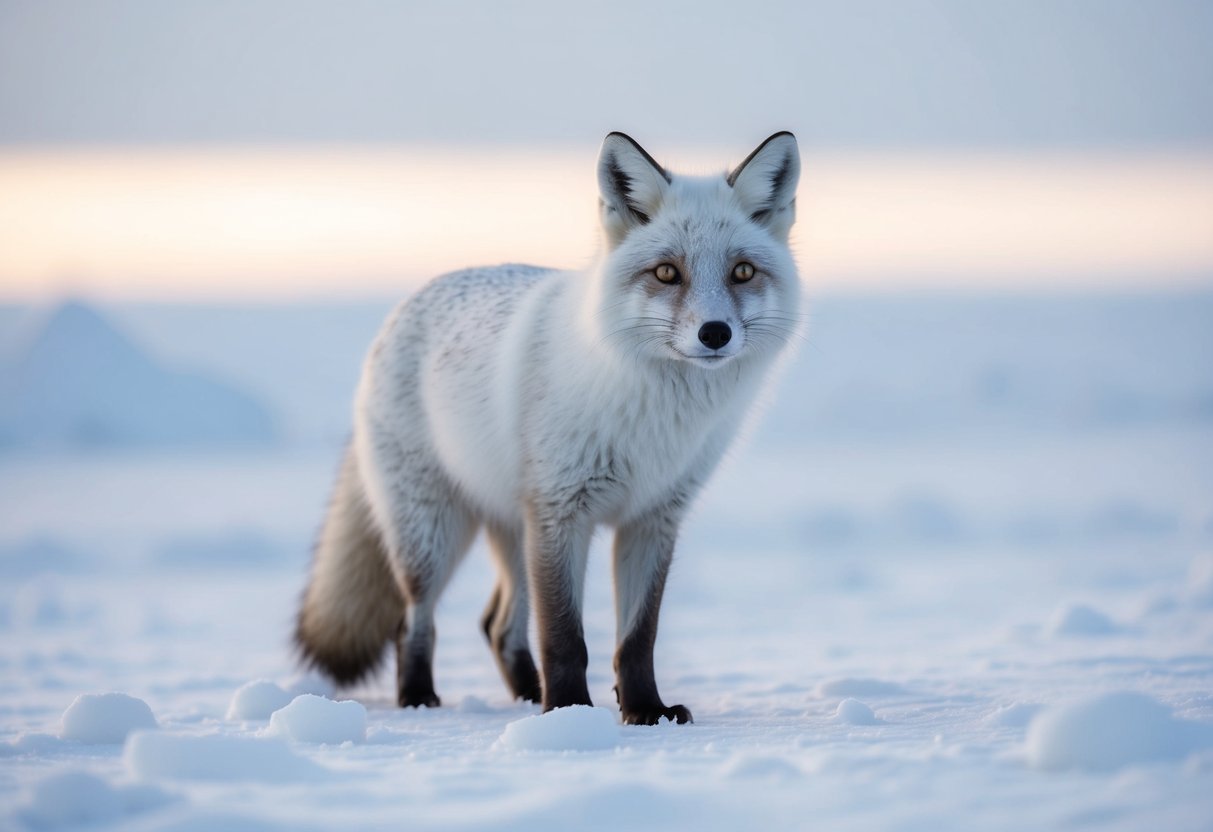
Many people love the Arctic fox for its stunning white winter coat and adaptability to harsh climates. Despite their stable population numbers, it’s important to recognize the ongoing threats to their environment. Understanding these threats can help you appreciate why even common species need our attention and care.
As you read on, you’ll discover more about the Arctic fox’s habitat, diet, and the challenges they face today. Learning about their world might inspire you to take an interest in wildlife conservation and how we can protect these incredible creatures.
Arctic Fox Characteristics and Habitat
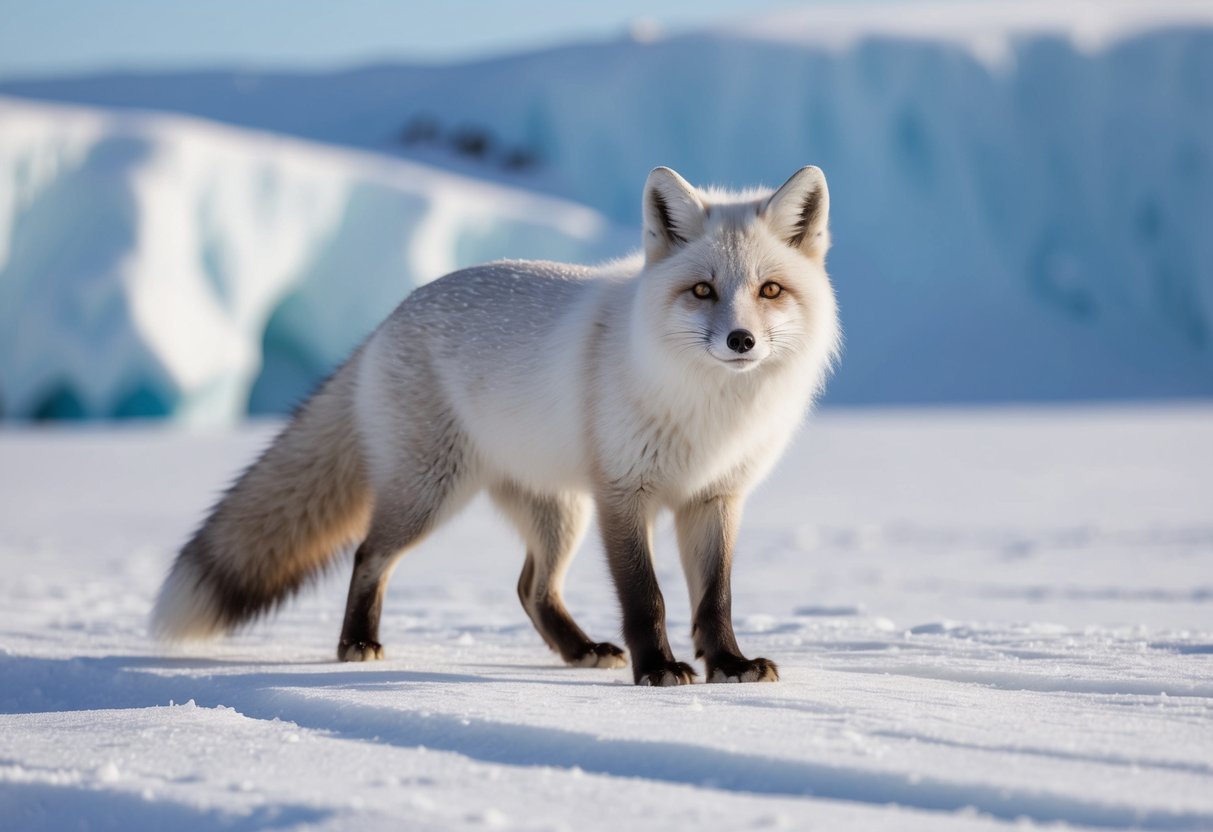
Arctic foxes are fascinating creatures with unique features that help them thrive in their cold environment. Their adaptations and the tundra ecosystem play vital roles in their survival and daily life.
Physical Description and Adaptations
Arctic foxes are well-known for their stunning white coats that blend perfectly with the snow. This white color acts as effective camouflage, helping them hide from predators and sneak up on prey.
Their thick fur provides excellent insulation against the harsh cold of the arctic tundra. An adult Arctic fox typically measures between 46 to 68 cm (18 to 27 inches) in body length, plus a tail that can be 30 to 35 cm (12 to 14 inches) long.
These foxes also have a fluffy tail, which they use to cover their faces during storms or cold weather. Their keen sense of smell allows them to detect frozen lemmings buried deep under the snow, providing them with food even in the coldest months.
The Unique Arctic Tundra Ecosystem
The Arctic tundra is a harsh yet beautiful environment characterized by its low temperatures and short growing seasons. It is home to a variety of species, including Arctic foxes.
In this ecosystem, the lack of trees and the presence of grasses and shrubs provide a distinct landscape. The Arctic fox plays an important role in controlling the rodent population and helps keep the environment balanced by eating small mammals and scavenging on dead animals.
With specialized adaptations, Arctic foxes can navigate their habitat effectively. Their compact bodies minimize heat loss, making them well-suited for the extreme cold, while their sharp senses enhance their ability to find food and avoid danger.
Diet, Prey, and Predation
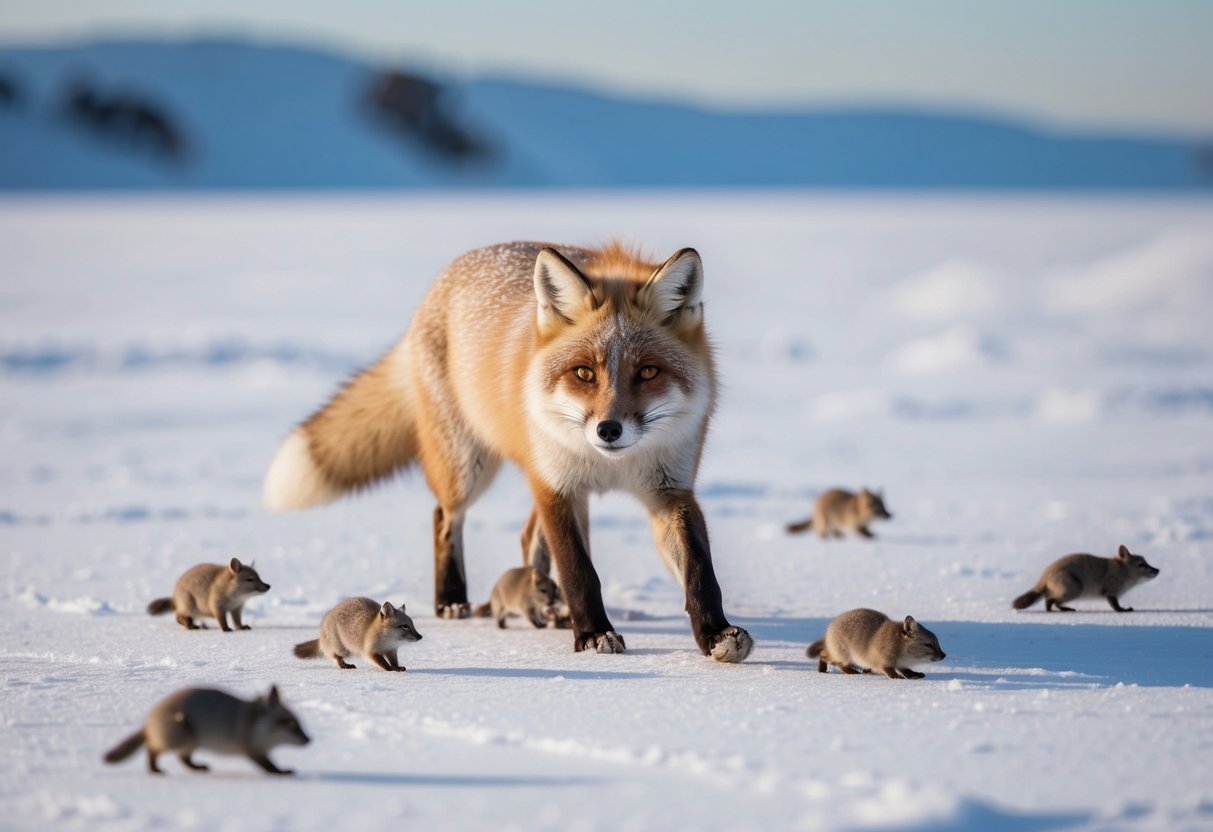
Arctic foxes have a diverse diet that adapts to their cold environment. Understanding what they eat and who preys upon them can help you appreciate their survival skills.
Feeding Habits
Arctic foxes are omnivores, meaning they eat a mix of plant and animal foods. Their main prey includes small mammals like lemmings and voles, which are abundant in their habitat. They are skilled hunters and can hear these animals burrowing under the snow, allowing them to pounce precisely.
In addition to mammals, they also catch seabirds, their eggs, and will scavenge carrion left behind by larger predators. During warmer months, they may eat berries and other plant material to supplement their diet. This variety helps them survive in the harsh Arctic climate where food can be scarce.
Predators and Threats
While Arctic foxes are skilled hunters, they are not at the top of the food chain. They face threats from larger predators such as polar bears, golden eagles, and wolverines. These animals can attack them directly or compete for food resources.
Human activity also poses risks, like habitat loss and climate change, which can affect the availability of prey. Arctic foxes must continuously adapt to their environment to stay safe and survive against these threats. Their cleverness and agility help them navigate these dangers in their tundra home.
Conservation Efforts and Human Impact
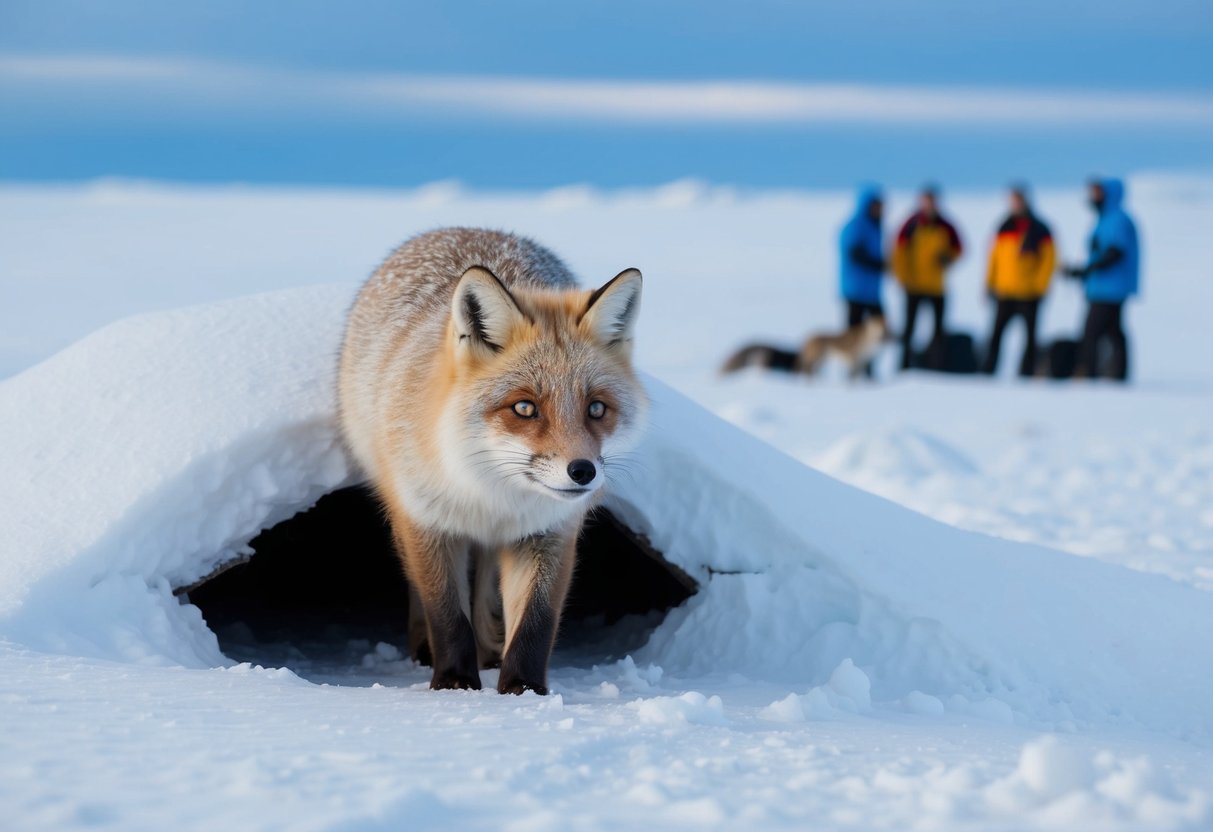
The conservation of Arctic foxes is crucial due to their endangered status and the various challenges they face. Human activities, climate change, and conservation measures all play significant roles in their survival.
Endangered Status and Environmental Concerns
Arctic foxes are classified as near threatened by the IUCN. Their population is declining due to factors like habitat loss from climate change. As the Arctic warms, melting sea ice disrupts their hunting and breeding habitats.
This habitat loss makes it harder for Arctic foxes to find food and raise their young. Diseases, often linked to changing environmental conditions, pose additional risks. Protecting their habitat is vital for maintaining their numbers and ensuring they don’t slide further toward being critically endangered.
Human Activities and Protection Measures
Human actions significantly impact Arctic fox populations. The fur industry has historically led to overhunting, reducing their numbers in some regions. Additionally, the pet trade may pose threats by capturing wild foxes.
To combat these dangers, several conservation efforts are underway. Protected areas are being established to safeguard Arctic fox habitats. Organizations are also working on public awareness campaigns to inform people about the importance of these animals. Together, these actions can help promote a healthier environment for Arctic foxes.
Behavior and Reproduction
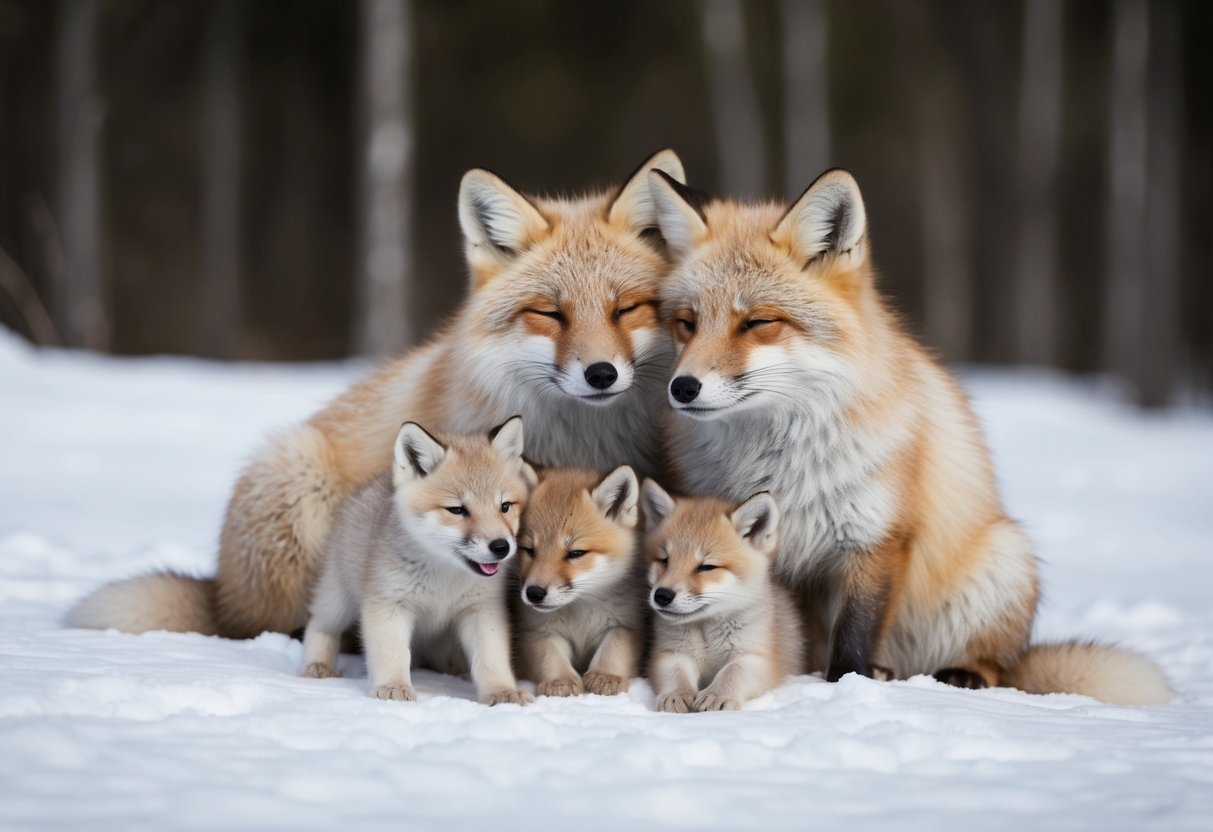
Arctic foxes have fascinating behaviors and unique reproductive patterns. Their social interactions and family dynamics play a crucial role in their survival in harsh environments.
Social Behavior and Territoriality
Arctic foxes show a mix of solitary and social behaviors. Although they are primarily solitary, they can form family groups during certain times of the year. You’ll find them using vocalizations, body language, and scent marking to establish and defend their territories.
They can be quite territorial, especially during the breeding season. This time is crucial for ensuring the survival of their young. Foxes may scavenge or hunt together when food is scarce, showcasing their ability to adapt to their environment.
Mainland Arctic foxes have structured social hierarchies, helping them communicate effectively. Their complex social structures allow them to thrive in challenging conditions.
Breeding Patterns and Family Life
Arctic foxes generally mate for life and are usually monogamous. Their breeding season occurs between February and March. After mating, the female undergoes a gestation period of around 53 days.
A typical litter size ranges from 5 to 10 pups, although it can vary. The family groups work together to ensure that the pups are well-fed and protected from predators. Both parents take turns hunting and bringing food back to the den, with both participating in raising the young.
These family dynamics are important for survival. With the harsh Arctic conditions, cooperation among family members helps ensure that the pups grow strong and ready to face the world.


