
Arctic foxes are fascinating creatures that thrive in some of the coldest habitats on Earth. When it comes to their reproduction, you might be curious about how many babies they have. Typically, Arctic foxes can have a litter size ranging from 8 to 14 kits, but there have been reports of up to 25 kits in a single litter.

As a symbol of adaptation, Arctic foxes give birth during the summer months when food is more plentiful. This timing not only ensures the survival of the young but also gives you a glimpse into the remarkable life cycle of these resilient animals. The fluffy kits are born with thick fur to keep them warm in their icy environment, making them even more adorable.
Understanding the breeding habits of Arctic foxes can deepen your appreciation for these unique animals. By learning more about their lives, you can better connect with the natural world and the incredible adaptations that allow these foxes to thrive in their harsh environment.
Arctic Fox Biology and Reproduction
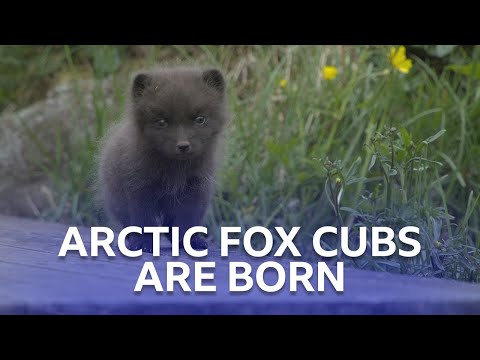
Arctic foxes have unique breeding habits and reproductive cycles that allow them to thrive in their cold habitats. Understanding their biology helps you appreciate how they raise their young.
Understanding Arctic Fox Breeding Habits
Arctic foxes reach sexual maturity at about 10 months old. During the breeding season, which takes place from late January to early March, males attract females with distinct calls. They are monogamous, often forming long-term pairs.
Once paired, both parents play an active role in caring for the young. The female chooses a den site, often digging in the snow for safety. It’s fascinating how much effort they put into ensuring a secure environment for their kits.
The Gestation Period and Birthing Process
The gestation period for Arctic foxes lasts between 49 to 57 days. During this time, the female’s uterus expands to accommodate the developing kits. The average litter size can range from 5 to 15 kits, depending on food availability.
Once the kits are born, they are blind and rely completely on their parents. The male helps by bringing food to the den, while the female nurses the young. Kits start to eat solid food after about one month and are fully weaned by six weeks. This teamwork is vital for the survival of the young foxes.
Litter Characteristics of Arctic Foxes

Arctic foxes are fascinating creatures, especially when it comes to their young. The characteristics of their litters provide insight into their reproductive habits and the survival of the kits in harsh Arctic conditions.
Typical Litter Size and Frequency
Arctic foxes typically have large litters compared to other fox species. They can give birth to anywhere from 8 to 14 kits per litter. In some cases, litters can reach up to 25 kits, which is quite remarkable.
These litters are born during late spring or early summer, allowing the kits to grow during the warmer months. The timing helps ensure that there is enough food availability for the mother and her young.
Mating generally occurs between April and July, and females can have two litters in a single season. This adaptability is crucial for survival in such a demanding habitat, where food is often scarce.
Growth and Development of Fox Kits
After birth, Arctic fox kits are born blind and helpless, relying completely on their mother. Within a few weeks, their eyes will open, and they will start to explore their den.
During the first few weeks of life, the mother stays with her young, nursing them and keeping them warm. As they grow, their playful behavior starts to emerge, and you may see them tussling and playing with each other.
By around six weeks, kits begin to eat solid food. Their diet will gradually include small mammals, birds, and even berries as they grow older. This is essential for their development and prepares them for life outside the den.
Survival and Care of Arctic Fox Offspring

When it comes to the survival of Arctic fox pups, parental care plays a crucial role. Both parents share responsibilities to ensure their young thrive in the harsh conditions of the Northern Hemisphere. Challenges exist as well, making the journey of survival quite demanding for these small foxes.
Parental Roles and Responsibilities
In Arctic fox families, both the mother and father take on important tasks. The mother usually gives birth, often to a litter of about 5 to 14 pups, though up to 25 have been reported. Once born, she stays close to the den, providing warmth and protection.
The father is equally essential. He hunts and brings food back to the den. This teamwork allows the mother to focus on caring for the pups, ensuring they are fed and safe. Pups begin to eat solid food at about one month old.
Both parents play a role in teaching the young how to hunt and find shelter. This guidance is vital for their future survival in the wild.
Challenges to Kits’ Survival in the Wild
Despite having dedicated parents, Arctic fox pups face many dangers. Their primary threats include predators like Arctic wolves and large birds. These predators can be a significant risk, especially for young pups who are still learning to navigate their environment.
Weather also poses challenges. Severe cold and snow can make finding food hard. This is why pups rely on their parents for shelter and guidance until they can fend for themselves.
Another challenge is the availability of food. In their Arctic habitat, vegetation can be scarce, making hunting essential. If early hunting attempts are unsuccessful, it can affect the pups’ health and growth.
The Ecosystem and Habitats of Arctic Foxes

Arctic foxes thrive in some of the coldest environments on Earth. Their survival depends on unique adaptations and interactions with other species.
Adaptations for Arctic Survival
Arctic foxes have several remarkable adaptations that help them survive in extreme northern regions. Their thick fur provides essential insulation against freezing temperatures. This fur changes color with the seasons, turning white in winter for effective camouflage against the snow. In summer, their fur shifts to a brown or gray shade, blending with the tundra landscape.
Their compact bodies minimize heat loss, while their small ears reduce vulnerability to the cold. These foxes also have strong hearing, allowing them to locate prey, like lemmings, beneath thick snow. Arctic foxes can even eat carrion when food is scarce. These features make them skilled survivors in harsh climates across Europe and North America.
Interactions with Predators and Humans
Arctic foxes face threats in their habitat, including larger predators like polar bears and red foxes. Their small size can make them vulnerable, but they rely on their agility and clever burrowing techniques to evade these dangers.
Additionally, climate change is impacting their ecosystems. Reduced sea ice affects their hunting grounds and allows red foxes to move north, increasing competition.
Humans also pose threats through habitat destruction and pollution. It’s vital to preserve their environment to ensure Arctic foxes continue to thrive in their natural habitats.


