
Arctic foxes are fascinating creatures known for their stunning fur and playful nature. Many people wonder if keeping one as a pet is a good idea. While you can technically have an Arctic fox as a pet, it comes with significant challenges and responsibilities that you should consider carefully.

These animals are not like typical household pets such as cats or dogs. They require specific care and may not adapt well to life in a home environment. Arctic foxes have distinct needs, including a spacious area to play and explore. If you’re drawn to the idea of having an exotic pet, it’s essential to research what it truly means to care for an animal that is still very much a wild species at heart.
Before deciding to bring an Arctic fox into your life, make sure you understand both the joy and the commitment it entails. You might be captivated by their playful spirit, but ensuring their well-being requires time, effort, and proper facilities.
Legal and Ethical Considerations

When considering an Arctic fox as a pet, it’s important to understand the legal framework and the ethical implications. You’ll find that there are specific laws regarding ownership and how it impacts wildlife conservation.
Pet Legislation and Ownership Rights
Many areas have strict laws about keeping Arctic foxes as pets. In the United States, some states allow ownership with permits. You need to check local regulations carefully. Finnish legislation permits pet Arctic foxes, but this requires a special permit and proof that the fox was born in captivity.
Laws are in place to prevent illegal trading and protect wild populations. The Wildlife Department monitors these regulations to ensure animal welfare. Always consider if you can meet the criteria set forth by the Animal Welfare Act, which ensures animals receive proper care.
Impact on Arctic Fox Conservation Efforts
Keeping Arctic foxes as pets can affect their wild cousins. The pet trade can lead to habitat loss, as more land is needed for breeding facilities. You should think about how your choice may impact native wildlife.
When people buy Arctic foxes, it can encourage illegal capture and trade. This could threaten their populations in the wild. Support conservation efforts by choosing to adopt and educate yourself on the challenges these animals face. By being an informed pet owner, you can help protect the Arctic fox and its natural habitat.
Understanding Arctic Foxes
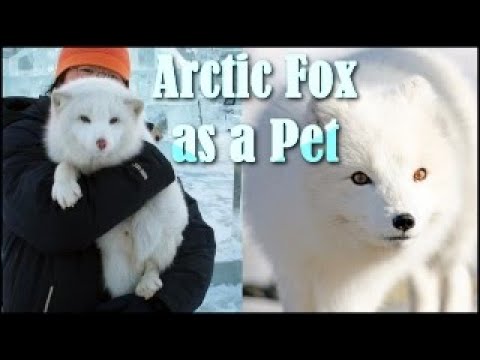
Arctic foxes are unique animals with special behaviors and traits. Knowing their nature and how they compare to other fox species can help you decide if they are suitable as pets.
Arctic Fox Behavior and Temperament
Arctic foxes are wild animals with distinct behaviors. They are curious and playful, but they can also be cautious. These foxes have adapted to harsh climates and are instinctively good at finding food.
In the wild, they mark their territory and are more active during the cooler parts of the day. Their communication includes a range of vocal sounds and body language to express emotions. This includes soft whines, barks, and even growls, especially in unfamiliar situations.
If you think about keeping an arctic fox as a pet, you need to understand their need for space and mental stimulation.
Comparison with Domestic and Other Wild Fox Species
When you compare arctic foxes with other fox species, such as the red fox, fennec fox, or gray fox, distinct differences appear. Arctic foxes are smaller and have thicker fur, which helps them withstand extreme cold. Their adaptability to freezing environments sets them apart from others.
Many people consider domesticated foxes, which have been bred for specific traits. While some wild foxes make good pets, like the fennec fox, not all wild species will thrive in a home environment. Understanding these differences is key to determining if an arctic fox or another type, like the corsac or swift fox, can live safely in your care.
Keeping an arctic fox requires a commitment to meeting their unique needs and understanding their wild nature.
Care Requirements for Arctic Foxes

Caring for an arctic fox requires special attention to their diet, housing, and ongoing health needs. Understanding these requirements is crucial for anyone considering keeping arctic foxes as pets.
Specialized Diet and Nutrition
Your pet arctic fox needs a balanced and specific diet to thrive. It’s best to provide a raw diet that consists of:
- 75% muscle meat
- 10% raw, non-weight bearing bones for dental health
- 5% offal (like kidney and spleen)
- 5% liver
- The remainder should include safe fruits and vegetables.
These dietary needs reflect their natural hunting habits. Be sure to avoid processed foods, as arctic foxes can develop health issues without the right nutrition. Regularly consult with a vet familiar with exotic pets to ensure their diet meets all necessary standards and adjustments.
Housing and Space Needs
Your arctic fox will need plenty of space to roam and play. A large outdoor enclosure is essential since they are very active animals. This enclosure should be securely fenced to prevent escape.
Consider these space requirements:
- Minimum size: At least 200 square feet
- Height: Fences should be at least 6 feet tall to prevent jumping
- Include shelters to protect against harsh weather.
Additionally, provide enrichment like tunnels and toys to keep them mentally stimulated. The environment should mimic their natural habitat as much as possible, considering both warmth and coolness.
Veterinary and Everyday Care
Regular veterinary care is vital for your arctic fox’s health. You should find a vet experienced with exotic pets.
Make sure to schedule:
- Routine check-ups at least once a year
- Vaccinations specifically tailored for foxes
Everyday care includes monitoring their behavior and health, along with providing a clean living space. Grooming is also important, particularly during shedding seasons, to maintain their coat.
Pay attention to any unusual behaviors, as they might indicate health problems. Being proactive in their care not only keeps your pet happy but also extends their lifespan.
Cons and Pros of Having an Arctic Fox as a Pet

Owning an Arctic fox can be an exciting yet challenging experience. Understanding the difficulties you may face as an exotic pet owner is essential. At the same time, there are unique rewards that can come with having a fox as a pet.
Challenges of Exotic Pet Ownership
Owning an Arctic fox presents several challenges. First, these foxes have specific needs that are different from typical pets. They require a lot of space to roam and explore. A small living area will not keep them happy.
Next, they have high energy levels and need daily exercise. Without proper enrichment, they can become destructive. Socially, Arctic foxes can be wary and may not bond like traditional pets. You must dedicate time to socialization and training.
Additionally, their diets can be costly and need careful planning. You’ll have to provide them with a balanced diet that meets their nutritional needs. This commitment affects your wallet and your schedule. These factors make owning a pet fox quite demanding.
Potential Benefits and Rewards
Owning an Arctic fox has many joys despite the challenges. They are unique creatures that can bring a lot of personality into your home. Foxes can be playful and curious, offering entertainment and companionship.
You may find that their behavior is interesting to observe. They can exhibit quirky habits that are fun to watch. Their playful nature can strengthen your bond if you invest time in building trust.
Another benefit is that pet foxes, when properly cared for, can thrive in captivity. This opportunity can help you learn about animal care and welfare. Owning an Arctic fox also raises awareness about exotic pets, encouraging responsible ownership. This can be rewarding as you contribute to animal welfare in a meaningful way.


