
Foxes might seem like adorable companions, but they are not suitable pets for most people. Foxes are wild animals with very specific needs that differ greatly from those of domesticated pets.
Their natural behaviors, such as digging and marking territory, can lead to chaos in your home.

While some people consider keeping a pet fox for their unique traits, it’s important to understand what these animals really require. They are highly energetic and need lots of stimulation and space to thrive. Without proper care, a pet fox can become destructive and unhappy, which can lead to bigger problems for both you and your furry friend.
Choosing a pet is a big responsibility. You may think a fox looks cute, but it’s essential to let them remain in the wild where they belong.
Educating yourself on the differences between domesticated and wild animals will help you make better choices for your lifestyle and the well-being of the animals.
Understanding Fox Behavior and Characteristics

Foxes are fascinating creatures with unique behaviors and traits that set them apart from typical pets. Their wild instincts and natural habits make them unsuitable for domestic life.
In this section, you will find more about their instincts, physical attributes, and potential health concerns.
Wild Instincts and Natural Habitat
Foxes are undomesticated animals, characterized by their strong wild instincts. They thrive in a variety of natural habitats, including forests, grasslands, and even urban areas.
For example, the red fox is adaptable and can often be seen foraging for food during nighttime or twilight.
Their behaviors reflect their need for survival. Foxes are known to mark their territory, a sign of their wild nature. They often exhibit strong foraging skills, hunting small animals and scavenging in their environment.
These instincts make it difficult for them to adapt fully to a home setting, where they might feel stressed or anxious.
Physical and Behavioral Traits
Foxes possess distinct physical traits that contribute to their wild nature. They have sharp teeth and strong jaws designed for hunting. Depending on the species, like the arctic fox or fennec fox, their size and fur can vary significantly.
These physical traits aid them in surviving and thriving in their natural habitats.
Behaviorally, foxes tend to display a mix of tameness and wildness. While some may not fear humans, they still retain strong instincts. This can lead to unexpected aggressive behavior, especially when threatened or during mating seasons.
Unlike dogs, foxes are not fully domesticated. They are social animals that often prefer the company of their kind, making them challenging to bond with as pets.
Health Concerns and Risks
Keeping a fox as a pet can pose several health concerns, both for you and the animal.
Foxes are at risk for various diseases such as rabies and mange, which can affect their behavior and health. If they do become sick, finding appropriate veterinary care can be difficult, since not all vets are equipped to handle wild animals.
Moreover, pet foxes can display aggressive behaviors due to their wild instincts. They may bite or scratch when frightened, which can be dangerous.
Their physical traits and playful nature can lead to destruction in your home, as they love to dig and explore. This unpredictability makes them unsuitable as typical household pets.
The Complexities of Domestication
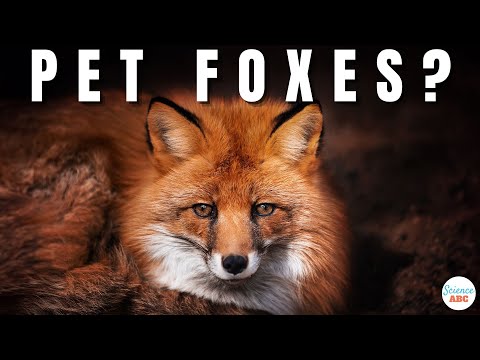
Domestication is a complex process that involves genetic selection and behavioral changes over generations. Understanding how foxes transitioned from wild animals to selectively bred domesticated ones helps illustrate why they do not make suitable pets.
From Wild to Tame: The Science Explained
The journey from wild to tame involves a fascinating phenomenon known as “domestication syndrome.” This is where certain traits, such as floppy ears and a friendly demeanor, become more common in domesticated animals.
In the case of foxes, Russian geneticist Dmitry Belyaev studied silver foxes in a breeding program in Siberia. He focused on selecting for tameness, resulting in foxes that are more sociable.
The changes are not just behavioral. Tame foxes also exhibit physical traits, such as changes in coat color, which are a byproduct of selective breeding. These traits demonstrate how genetics can shape the animal’s nature over time.
Fox Domestication Efforts in History
Efforts to domesticate foxes mainly began in the Soviet Union in the 1950s. Belyaev’s program selected for friendly behavior among foxes, leading to significant behavioral shifts.
These foxes became known as “elite foxes” that are much less aggressive than their wild counterparts.
While this breeding program was successful, the traits developed in domesticated foxes can create challenges. Domesticated foxes may still possess wild instincts, making them tricky to manage as pets. Although they have been bred for tameness, they differ greatly from traditional domesticated animals like dogs.
Comparing Foxes to Domesticated Canids
Comparing foxes to domesticated canids like dogs reveals striking differences. While dogs have been bred for companionship and specific tasks, foxes have retained many wild behaviors.
This means that foxes often do not respond to house training like dogs do, making them difficult to care for in a domestic setting.
Furthermore, foxes require specialized care, including a diet that mimics their natural hunting habits. Unlike common pets, they have social structures and play behaviors that differ significantly. Domesticated foxes might also struggle with separation anxiety, as they haven’t been bred for human companionship in the same extensive way as dogs.
Legal and Ethical Considerations of Fox Ownership

When thinking about fox ownership, it’s important to consider both legal regulations and the ethical implications of keeping a wild animal as a pet. Understanding the laws in your area and the potential impacts on the environment can help you make an informed decision.
Regulation and Conservation Efforts
Many states have strict regulations regarding fox ownership. In some areas, owning a fox may be completely illegal, while others allow ownership with permits. This varies by species, as some native foxes are often banned to protect wildlife.
Conservation efforts are focused on maintaining healthy ecosystems. Wild fox populations can face threats from habitat loss and hunting.
Allowing fox ownership can lead to irresponsible breeding and keeping, which may contribute to declining wild populations. Always check your local laws to ensure you comply with regulations.
Potential Impacts on Ecosystems
Owning a fox can have negative consequences for local ecosystems. Pet foxes can become invasive species when released or escaped. They may compete with native wildlife for food, spread diseases, and disrupt local habitats.
Additionally, foxes are social animals and can feel lonely when kept alone. This can lead to behavioral issues, which might result in abandonment. By choosing not to keep foxes as pets, you help protect both the animal and local environments. Always think about the broader effects of bringing a wild animal into your home.


