
Arctic foxes are captivating creatures known for their adaptability to harsh climates. If you’re curious about when these clever animals are most on the move, you’re in the right place. Arctic foxes are primarily nocturnal, meaning they are most active at night, but they can also be seen during twilight hours.
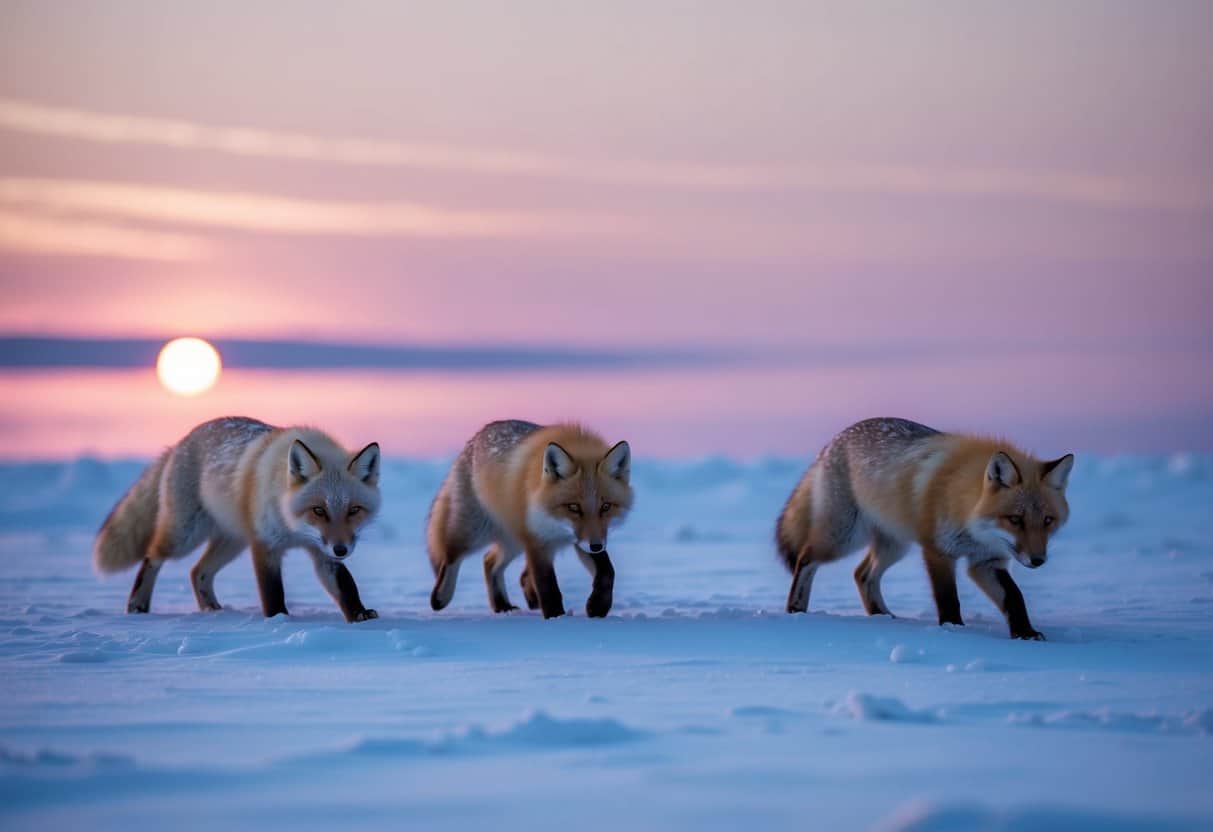
These foxes have evolved to hunt small rodents and other prey when their sharp eyesight gives them an advantage. This nocturnal behavior allows them to navigate their icy habitats while avoiding larger predators. You might find it interesting to learn how their unique activity patterns enable them to thrive in the challenging Arctic environment.
By exploring the habits of arctic foxes, you’ll gain insight into their fascinating lifestyle and the reasons behind their active hours. Understanding their behavior not only highlights their survival skills but also connects you to the wonders of nature.
Understanding Arctic Fox Behavior
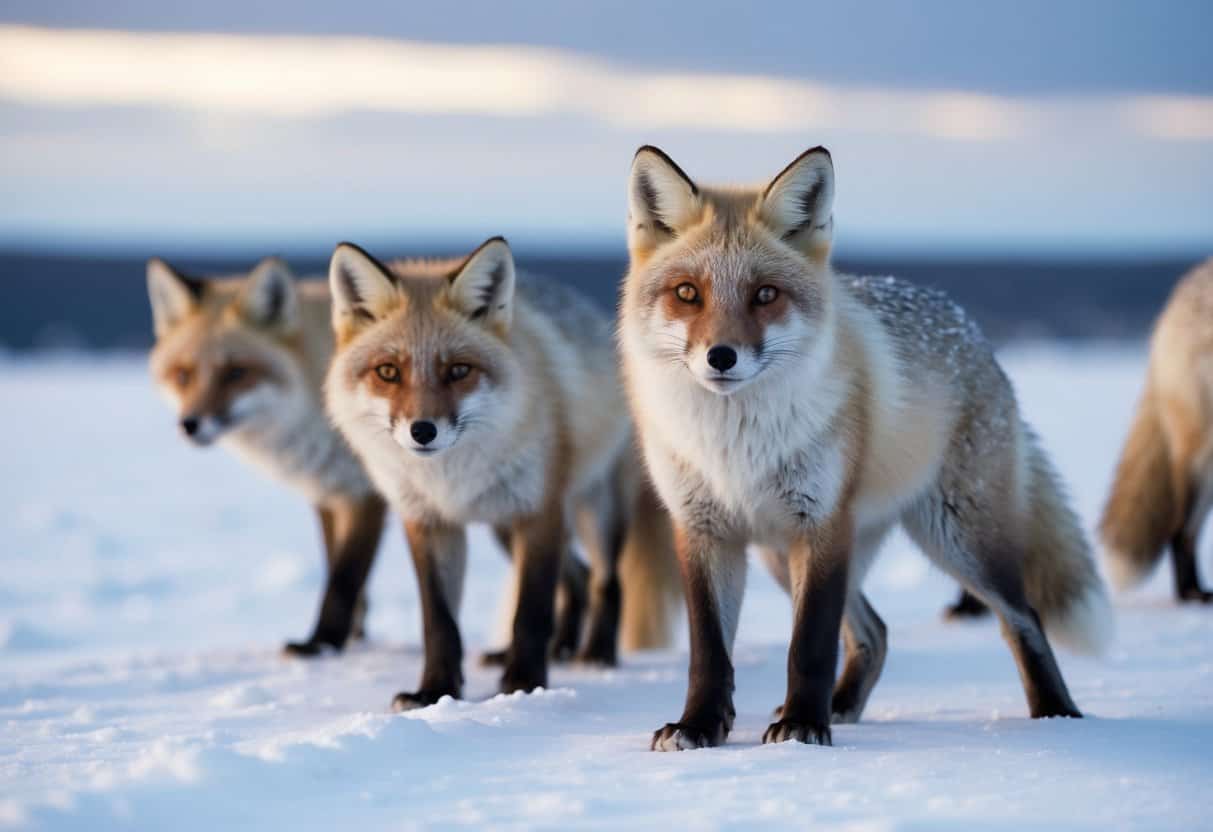
When it comes to activity patterns, Arctic foxes have unique behaviors that help them thrive in their environment. Their hunting and movement occur mainly during specific times of the day.
Crepuscular and Nocturnal Activity Patterns
Arctic foxes are primarily nocturnal, which means they are most active at night. During twilight hours—dawn and dusk—you might see them searching for food or exploring their territory.
These patterns help them avoid the harsh light and heat of the day. Their excellent night vision aids in spotting prey, such as small mammals and birds.
Foxes may also adjust their activity based on the season. For instance, they hunt more actively during longer winter nights. Their behavior is finely tuned to the rhythms of their Arctic habitat, ensuring they remain successful hunters.
The Arctic Fox’s Daily Cycle
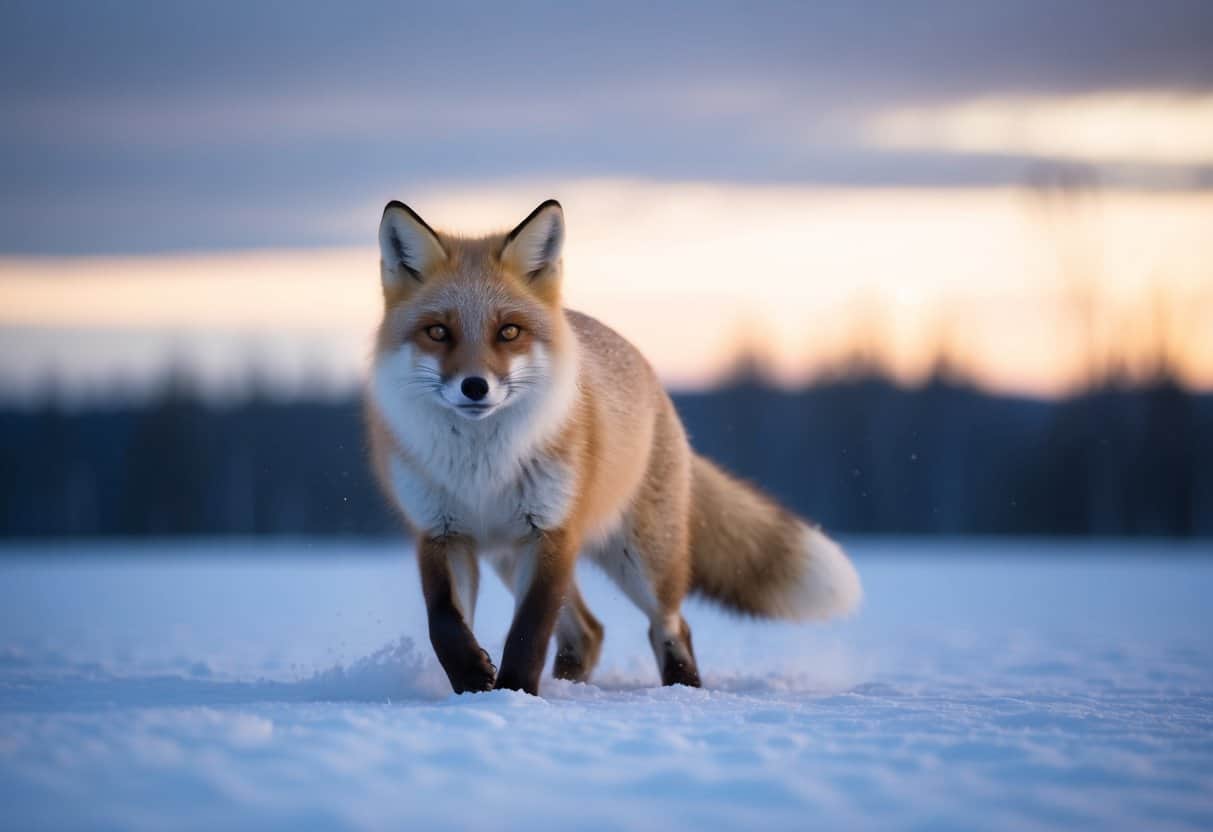
The daily life of an Arctic fox involves a careful balance of resting, hunting, and maintaining its territory. Understanding its habitat, feeding habits, and the active hours can give you insight into how this clever animal survives in harsh environments.
Habitat and Territory
Arctic foxes thrive in tundra regions, where they can find plenty of hiding spots in rocks and snow. They establish a home range that can span about 2 to 10 square miles.
These foxes prefer areas rich in food sources like lemmings and voles. When food is limited, they may travel further to find prey. Their territory is marked with scents to warn other foxes away.
They are adaptable and can change their behavior based on food availability. When predators, such as golden eagles, are around, they might avoid open areas during the day, sticking to safer spots.
Feeding and Foraging Behavior
Arctic foxes are omnivores, which means they eat both plants and animals. Their diet mainly consists of small mammals, especially lemmings, during the summer and fall.
During the winter, they rely more on cached food or hunting under the snow. Their keen hearing allows them to locate prey buried beneath several inches of snow.
You may notice that Arctic foxes typically hunt at dawn or dusk. This is when they are most active, finding food while it’s cooler and quieter. Keeping an eye on the time of day can help you spot them more easily.
Remember, they are excellent scavengers. If food is scarce, they will search during the day for scraps or leftovers.
Adaptations to the Environment
Arctic foxes have unique traits that help them thrive in their harsh habitats. Their seasonal behaviors and interactions with prey and predators showcase their remarkable adaptability.
Seasonal Changes and Behavior
During different seasons, the Arctic fox adjusts its behavior significantly. In winter, its thick, white winter coat provides insulation against extreme cold and camouflages it against the snow.
As temperatures drop, you may notice they become more active during the day to hunt for food. This increase in activity is often due to scarce nighttime prey.
In spring, during the mating season, these foxes may change their territory range. They will search for a safe den to raise their young.
With longer daylight hours, you might also observe a shift in their hunting patterns. They rely heavily on their incredible sense of smell to locate hidden prey beneath the snow.
Interactions with Prey and Predators
Arctic foxes are known for their adaptability when it comes to finding food. Their main prey includes small rodents, birds, and even carrion left by larger predators.
Their excellent night vision allows them to hunt in low-light conditions. This skill is vital since many may hunt at dawn or dusk when daylight is fading.
While they are timid around larger predators like polar bears and wolves, their small size enables them to escape danger quickly.
You might see these foxes forage for scraps during the day, especially in less risky environments. The combination of keen senses and cautious behavior helps them thrive amidst dangerous conditions.
Arctic Foxes and Human Encounters
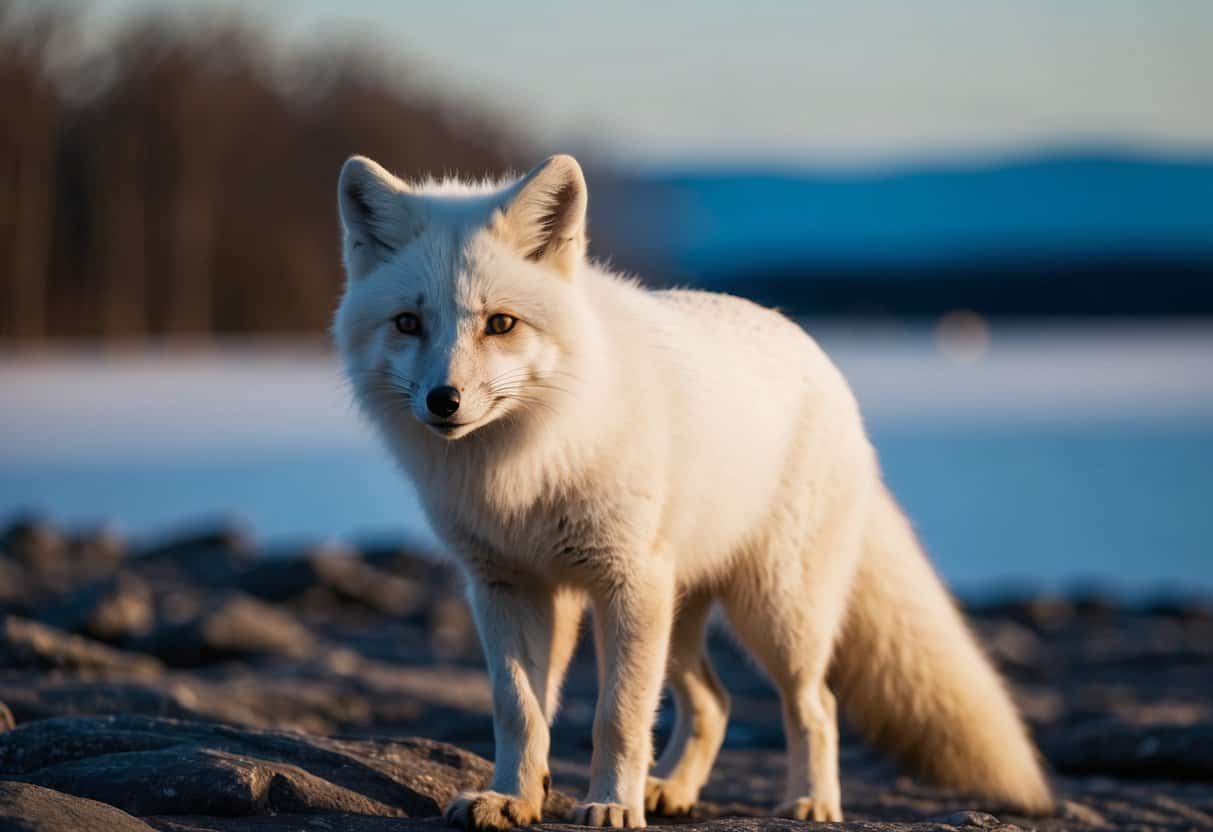
Arctic foxes can sometimes be found in urban areas, which leads to interesting encounters with people. Knowing how to interact safely and effectively can make these encounters enjoyable while minimizing risks.
Safety and Prevention
When you spot an arctic fox, you should stay calm. These animals are usually not aggressive, but they can act defensively if they feel threatened. If a fox approaches you, avoid sudden movements or loud noises that might scare them away.
To keep your gardens safe, do not leave out food scraps. This can attract foxes and lead to frequent visits. If foxes become too bold, consider using flashing lights or ultrasonic devices to discourage them.
If you encounter a friendly fox, remember they can carry rabies, so keep a safe distance. The best thing you can do is enjoy their beauty from afar while respecting their space.


