
The Arctic fox, also known as Vulpes lagopus, is a small but resilient animal found in the cold tundras of the Arctic. While you might think of it as a cunning survivor, it does face threats from various predators in its habitat. The main predators of the Arctic fox include wolves, polar bears, and golden eagles, which can significantly impact their population.
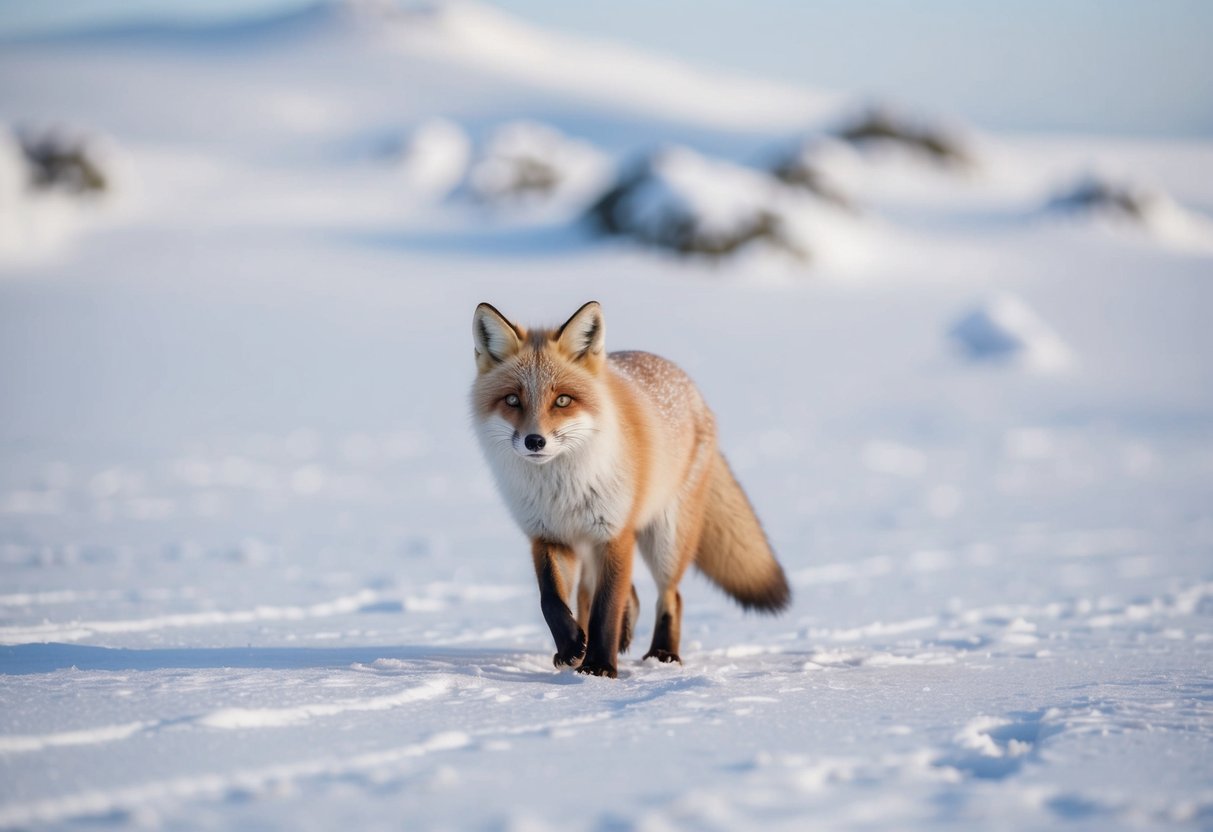
Living in such harsh environments, Arctic foxes have adapted well, but they must always be on guard. These predators take advantage of the Arctic fox’s vulnerability, especially in younger pups. By understanding the challenges these beautiful creatures face, you can gain a greater appreciation for their role in the ecosystem.
If you’re curious to learn more about how these predators affect Arctic fox populations and what can be done to protect them, keep reading. You’ll discover fascinating insights into their lives and the delicate balance of their Arctic habitat.
Understanding the Arctic Fox

The Arctic fox is a unique and adaptable animal. You will learn about its physical traits, diet, hunting methods, and how it reproduces and socializes.
Physical Characteristics
Arctic foxes are small but sturdy. They typically weigh between 6 to 24 pounds and measure about 18 to 27 inches in length, excluding their bushy tails. Their thick fur keeps them warm in extreme cold, and it changes color with the seasons for better camouflage. In winter, their fur is white, blending with the snow, while in summer, it turns brown or gray to match the tundra. Their tails are long and serve multiple purposes, such as balancing while running and providing warmth when wrapped around their bodies.
Diet and Hunting Methods
Your Arctic fox primarily hunts small mammals like lemmings, which make up a big part of its diet. They are also opportunistic feeders, enjoying birds, eggs, and even carrion. During hunting, they rely on their keen senses to locate prey beneath the snow. You may see them using a unique hunting technique called “quartering,” where they zigzag across the landscape to spot movement. Their excellent hearing allows them to catch sounds of prey hiding below. They have strong jaws to crack open frozen ground and access food during harsh winters.
Reproduction and Social Behavior
Arctic foxes typically mate during the breeding season, which occurs in late winter to early spring. They form monogamous pairs, sharing the responsibilities of raising their young. The female typically gives birth to 6 to 9 pups in a den that she digs. These dens can be quite elaborate, with multiple entrances and tunnels. After several weeks, the pups begin to explore outside. Arctic foxes are territorial and communicate through vocalizations, body language, and marking their territory with scent. Their social structure is somewhat solitary, but family groups can be seen during the breeding season.
The Habitat of the Arctic Fox
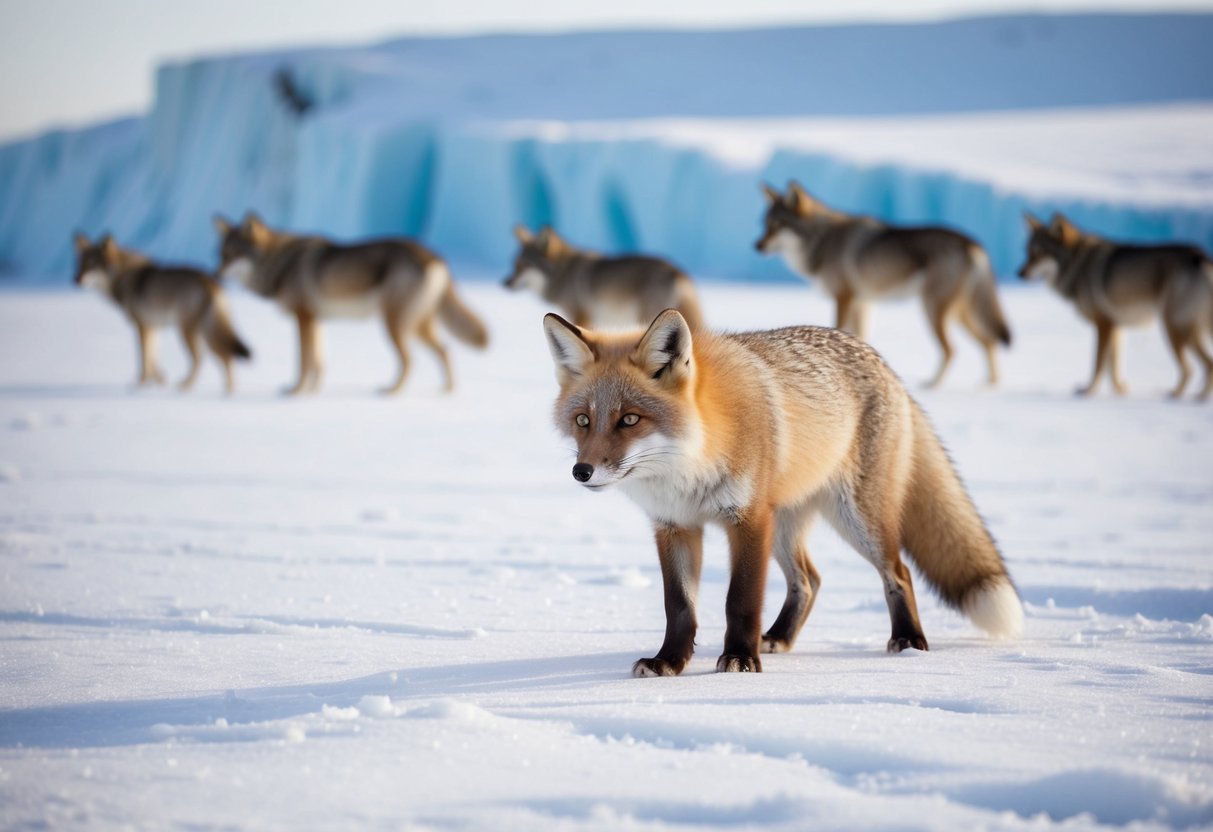
The Arctic fox thrives in some of the coldest places on Earth. It is well-suited to the Arctic tundra and other harsh environments. Let’s explore its geographic range and how this clever animal adapts to extreme conditions.
Geographic Range
You can find the Arctic fox throughout the Arctic regions of the Northern Hemisphere. Its habitat stretches across the Arctic tundra and into coastal areas. This fox is especially present in places like Alaska, Canada, and parts of Greenland and Russia.
The tundra offers a unique landscape with limited vegetation and long, cold winters. Arctic foxes often travel across vast distances in search of food. Their ability to adapt to different habitats allows them to survive in locations with varying levels of snow cover and temperatures.
Climate Adaptations and Shelter
To handle extreme cold, the Arctic fox has several amazing adaptations. Its fur is thick and provides excellent insulation against harsh winters. In addition, it has a furry face and feet, which help it retain body heat.
During the harshest weather, Arctic foxes create snow dens. These dens offer shelter from the bitter cold and wind. You might see them using natural cavities or digging into the snow to form secure tunnels.
As climate change continues to impact their habitat, Arctic foxes face challenges such as habitat loss. They rely on their adaptable nature to navigate these changes while searching for food and shelter.
Predators and Threats to the Arctic Fox
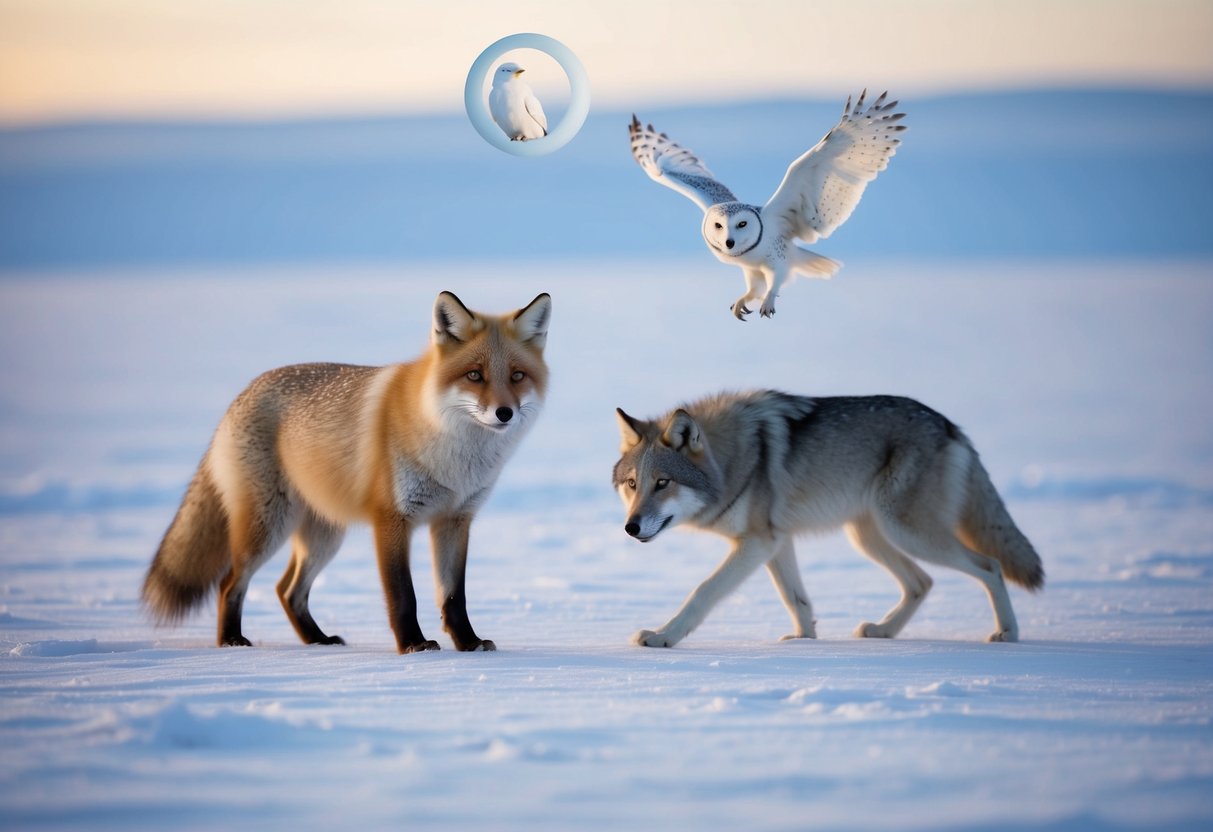
The Arctic fox faces various threats in its environment, ranging from natural predators to human activities. Understanding these dangers helps highlight the challenges this unique animal endures.
Natural Predators
The Arctic fox has several natural predators that pose significant risks. Some of the main threats include:
- Polar Bears: Although Arctic foxes can often avoid these large bears, they may be in danger when scavenging near a polar bear’s kill.
- Wolves: Wolves compete for similar food sources and can prey on Arctic foxes if they are vulnerable.
- Golden Eagles: These birds of prey can hunt young foxes or even adults, especially when they are unprotected.
- Wolverines: Known for their strength, wolverines can also threaten Arctic foxes, particularly in competition for food.
Human Impact and Conservation
Many activities reduce the living space and food sources of Arctic foxes. These include habitat destruction and climate change. Climate change leads to melting ice and snow, which impacts their hunting efficiency.
Moreover, poaching poses an ongoing risk. Some hunt Arctic foxes for their fur, leading to population declines in certain areas. Conservation efforts aim to protect their habitats and raise awareness about their plight.
Understanding these threats helps us appreciate the importance of protecting the Arctic fox and its environment.


