
If you’re curious about the Arctic fox in Iceland, you might wonder about its unique ability to change color. Yes, Arctic foxes do change color in Iceland! These fascinating creatures, scientifically known as Vulpes lagopus, sport a thick, white coat in winter that helps them blend into the snow-covered landscape.

As the seasons shift, so does their fur. In the summer, Arctic foxes shed their white coat for earthy tones like brown and gray. This color change helps them camouflage among the rocks and vegetation in the tundra.
Learning about how these adaptations work can give you a deeper appreciation for the Arctic fox and its survival in harsh environments.
Get ready to explore more about these remarkable animals and discover how their coloration plays a critical role in their survival in Iceland’s changing seasons!
Physical Characteristics and Camouflage
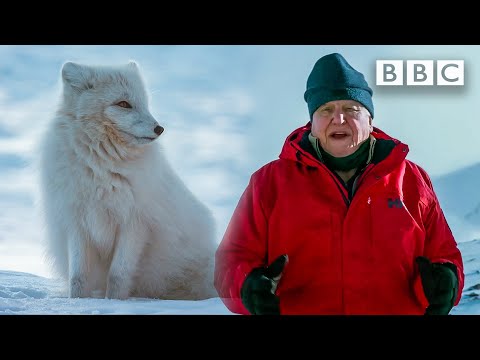
Arctic foxes have unique features that help them thrive in the cold, snowy environment of Iceland. Their fur color not only serves as a beautiful aesthetic but is also essential for survival. The way their coat changes with the seasons is a remarkable adaptation to their habitat.
Morph Variations: White and Blue
Arctic foxes come in different colors, mainly the white and blue morphs. The white fox, also known as the snow fox, has a bright white coat during winter. This fur blends perfectly with the snow, providing excellent camouflage against predators.
The blue morph, on the other hand, showcases a bluish-gray coat. This variation is often seen in summer or in some populations and helps the fox blend into the rocky terrain. Both fur types play a significant role in helping you spot these foxes in their natural habitat.
Seasonal Fur and Color Change
The Arctic fox undergoes seasonal molting, shedding its winter coat for a more earthy-toned summer coat. In summer, your eyes might catch shades of brown or gray, allowing the fox to camouflage among vegetation and rocks. This change is vital for survival, as it helps avoid detection by both prey and predators.
During winter, the thick white fur provides warmth and excellent cover against the snow. The transition between fur types happens gradually, responding to temperature changes and the length of daylight. This ability to change coat color keeps the fox hidden throughout the year, enhancing its hunting success and safety in the wild.
Habitat and Adaptation

Arctic foxes live in unique environments that demand special adaptations. You will learn about the tundra they inhabit and how they survive in extreme cold.
The Tundra Environment
The Arctic tundra is a cold and windy region, often covered in snow and ice. It features a layer of permanently frozen ground called permafrost, which limits plant growth.
Vegetation mostly includes low shrubs, mosses, and lichens. These plants can withstand the harsh conditions, providing food for the foxes. The tundra supports fewer animals than other habitats, making it crucial for arctic foxes to be skilled hunters.
They often dig underground dens to protect themselves from extreme weather and predators. These dens can be quite complex, providing shelter and a place to raise their young.
Adaptations to Extreme Conditions
Arctic foxes are remarkable for their ability to adapt. Their thick coats, which appear white during winter, provide excellent insulation against the cold.
As the seasons change, their fur color shifts to blend with the environment, helping them avoid detection from both prey and predators. In winter, they rely on their thick body fat and fur for thermoregulation, maintaining their body heat.
As temperatures drop, they can also use their thick bushy tails to cover their faces while they sleep, keeping warm.
Climate change is affecting their habitat, but these foxes continue to show resilience. Their adaptations help them survive even as their environment shifts, showcasing their unique place in the Arctic ecosystem.
Diet, Hunting, and Predation

The Arctic fox has a varied diet that helps it survive in Iceland’s harsh climates. Understanding what these clever animals eat and how they hunt can provide insights into their survival strategies.
The Diet of the Arctic Fox
The Arctic fox is an omnivore. This means your diet consists of a mix of plants, animals, and fish. In Iceland, they mainly hunt lemmings and voles during the winter months, which are crucial for their energy needs.
In spring and summer, they adapt by eating birds, seabirds, and even fish when available. They will also consume berries and other vegetation, which helps diversify their diet. This ability to change their food sources based on availability is key to their survival and hunting success.
Predators and Survival Strategies
Arctic foxes face several predators, including eagles and larger mammals like polar bears. They must use different strategies to avoid becoming prey.
To stay safe, they often stay near their dens, which provide shelter. Their camouflage helps them blend into their surroundings, making it harder for predators to spot them. In addition to hiding, they may also make quick burrows to escape danger.
Through these clever adaptations, Arctic foxes maintain their population despite threats from predators.
Conservation and the Future

The future of Arctic foxes in Iceland faces various challenges, but conservation efforts are crucial for their survival. Understanding population dynamics and effective protective measures can significantly impact their status in the ecosystem.
Population and Conservation Status
The Arctic fox is currently listed as Least Concern by the International Union for Conservation of Nature (IUCN). Despite this status, local populations in Iceland can be vulnerable.
Factors affecting their numbers include habitat loss and climate change. In Hornstrandir Nature Reserve, efforts are made to monitor the Arctic fox population closely.
Researchers estimate that the population density in this area is stable. The foxes have a gestation period of about 52 days, giving birth to an average of 5-10 pups per litter, depending on food availability.
It’s vital for you to be aware that population fluctuations can occur, particularly as they depend on rodent populations, their main food source.
Protective Measures and Research
Conservation programs focus on coordinating efforts to protect Arctic fox habitats. One strategy involves habitat restoration to maintain food sources.
Ongoing research provides valuable insights into these foxes. Scientists examine their fur color changes with seasons, which affect their hunting effectiveness. In warmer climates, shorter snow cover can disrupt these adaptations.
Engaging with local naturalists helps you stay informed about the Arctic fox’s status and threats. Understanding their reproductive habits, lifespan, and the challenges they face will inform future conservation efforts.
Your interest can also contribute to awareness and support for protective measures.


