
Arctic foxes are truly remarkable creatures that thrive in some of the harshest environments on Earth. Sadly, they are facing the threat of extinction due to climate change and habitat loss. To save arctic foxes, we need to support conservation efforts, including protecting their habitats and implementing breeding programs.
You can play a vital role in this effort by spreading awareness and supporting organizations that focus on wildlife conservation.
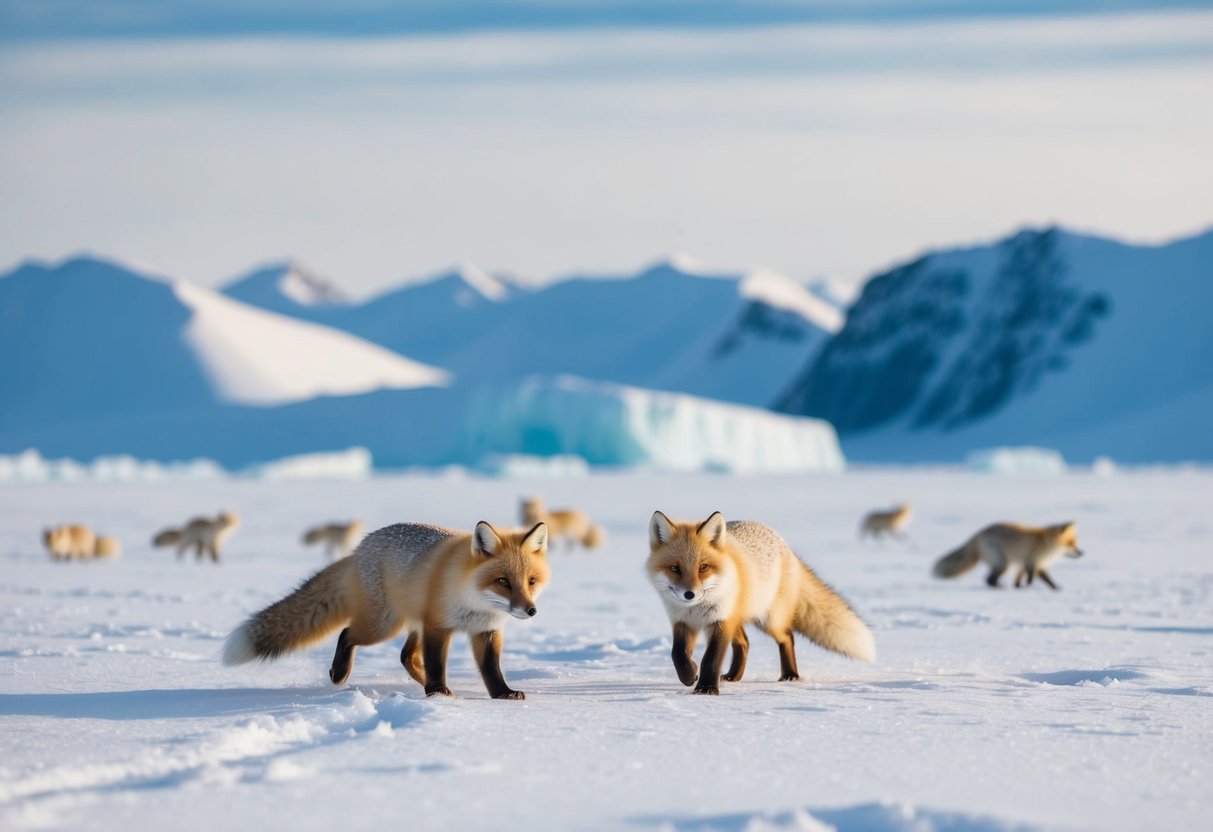
Climate change poses a serious risk to these beautiful animals. As temperatures rise, their habitats are changing, making it harder for them to find food and shelter.
By understanding these challenges, you can help advocate for policies that combat climate change and protect vulnerable ecosystems.
Through individual actions, like reducing your carbon footprint and participating in conservation projects, you can contribute to the survival of the arctic fox. Join the movement to ensure that future generations can admire these fascinating animals in the wild.
Understanding Arctic Fox Ecology

The Arctic fox plays a crucial role in its ecosystem, particularly within the tundra. Its interactions with other species and the effects of climate change are vital for understanding how to protect this keystone species.
The Role of The Arctic Fox in the Ecosystem
The Arctic fox (Vulpes lagopus) is an important predator in the Arctic tundra. It primarily feeds on small animals, especially lemmings and voles. These rodents are critical in balancing their populations.
By regulating rodent populations, Arctic foxes help maintain the health of the tundra ecosystem. When lemming populations are high, Arctic foxes reproduce more successfully, benefiting the entire food web.
In turn, when their numbers decline, fewer predators like the Arctic foxes thrive. This relationship demonstrates how interconnected species are in the Arctic environment.
Impact of Climate Change on Habitat
Climate change is having a significant effect on the Arctic fox’s habitat. Melting sea ice impacts their hunting grounds and food supply. As the ice thaws, it diminishes access to prey and threatens their hunting efficiency.
Moreover, the warming climate allows red foxes to move into the Arctic fox’s territory. These larger competitors pose a threat, as red foxes can outcompete Arctic foxes for food.
Loss of sea ice also disrupts the natural patterns of the tundra ecosystem, leading to changes in vegetation and prey availability. This disruption challenges the survival of the Arctic fox.
Interactions with Predators and Competitors
While the Arctic fox has few natural predators, it faces competition from red foxes. These two species often share overlapping territories. As red fox populations increase due to climate change, Arctic foxes may struggle.
Golden eagles are also known to prey on Arctic foxes, especially young ones. The mortality rate can be high, particularly for male foxes.
Understanding these interactions is essential for implementing effective conservation strategies. Protecting Arctic fox habitats involves managing their relationships with both predators and competitors. This awareness ensures the continued survival of this unique species in a changing environment.
Threats to Survival

Understanding the specific threats that Arctic foxes face helps to highlight the urgent need for action. Several factors put these beautiful animals at risk, including competition with red foxes, declining prey populations, and human actions like hunting and habitat loss. Each of these challenges plays a significant role in their struggle for survival.
Competition with Red Foxes
Red foxes are a major competitor for Arctic foxes. As climate change alters their habitats, red foxes are moving northward into Arctic areas. They are larger and more adaptable, making them more effective hunters. This puts pressure on Arctic foxes, who struggle to find enough food and territory.
When resources become limited, Arctic foxes may be pushed out of their habitats or struggle to raise their young. This shift in species dynamics can lead to a decline in Arctic fox populations.
Declining Lemming Populations
Lemmings are a crucial food source for Arctic foxes. Without enough lemmings, Arctic foxes face starvation. Sadly, climate change is affecting lemming populations. Warming temperatures can disrupt their breeding cycles and habitats.
As the food supply decreases, the challenges for Arctic foxes increase. They rely on the lemming population to survive, especially during harsh winters. You might not realize how interconnected these species are, but the decline of lemmings directly impacts the survival chances of Arctic foxes.
Effects of Hunting and Habitat Loss
Hunting has historically led to the decline of Arctic fox populations. In some areas, hunting has been restricted, but threats still remain. Habitat loss due to human activities, like mining and development, also plays a critical role in their struggle for survival.
When habitats are damaged, foxes lose their homes and food sources. This makes it even harder for them to thrive. Protecting their natural environment is essential for their future. Understanding these threats helps us see why action is needed to save Arctic foxes from extinction.
Conservation Efforts and Initiatives

You can play a part in saving Arctic foxes through various conservation efforts and initiatives aimed at increasing their populations and preserving their ecosystems. Programs focus on international cooperation, specific projects dedicated to their survival, and innovative methods like captive breeding.
International Conservation Programs
International cooperation is essential for the survival of Arctic foxes. Countries like Norway, Sweden, and Finland work together to enhance conservation strategies. The collaboration helps combat threats such as habitat loss and climate change.
Organizations and universities, like Stockholm University, participate in research and management efforts. This teamwork includes monitoring fox populations and studying their habitat needs.
Furthermore, these countries share techniques to maintain the genetic diversity of Arctic foxes. By ensuring a healthier gene pool, the foxes are better equipped to survive in the wild. Such programs promote awareness and encourage local communities to support conservation initiatives.
The Save The Arctic Fox Project
The Save The Arctic Fox Project is a dedicated effort to protect this vulnerable species. Initiated by passionate conservationists, including Anders Angerbjörn, this project seeks to reintroduce Arctic foxes to their historic ranges in Fennoscandia.
The project involves habitat restoration and community involvement. By engaging local people, the initiative fosters a shared responsibility for the foxes’ future. You can get involved in local activities or events that raise awareness about Arctic fox conservation.
The project also emphasizes the importance of education. Raising awareness about the Arctic ecosystem helps people understand the critical role of Arctic foxes in maintaining ecological balance.
Captive Breeding and Reintroduction
Captive breeding programs have become a key strategy in saving Arctic foxes. In Fennoscandia, these programs help boost the wild populations. They successfully reintroduced around 385 pups to their natural habitats in the early 2000s.
These breeding efforts are coupled with supplementary feeding and habitat management. This combination supports the survival of both captive-born and wild foxes.
By managing the populations of red foxes, which compete with Arctic foxes for resources, these initiatives create a more favorable environment for native species.
You can support these efforts by promoting responsible breeding practices and raising awareness in your community. Engaging in conservation management activities helps protect not just the Arctic foxes, but also the richness of the Arctic ecosystem.
Supporting Arctic Foxes Through Science
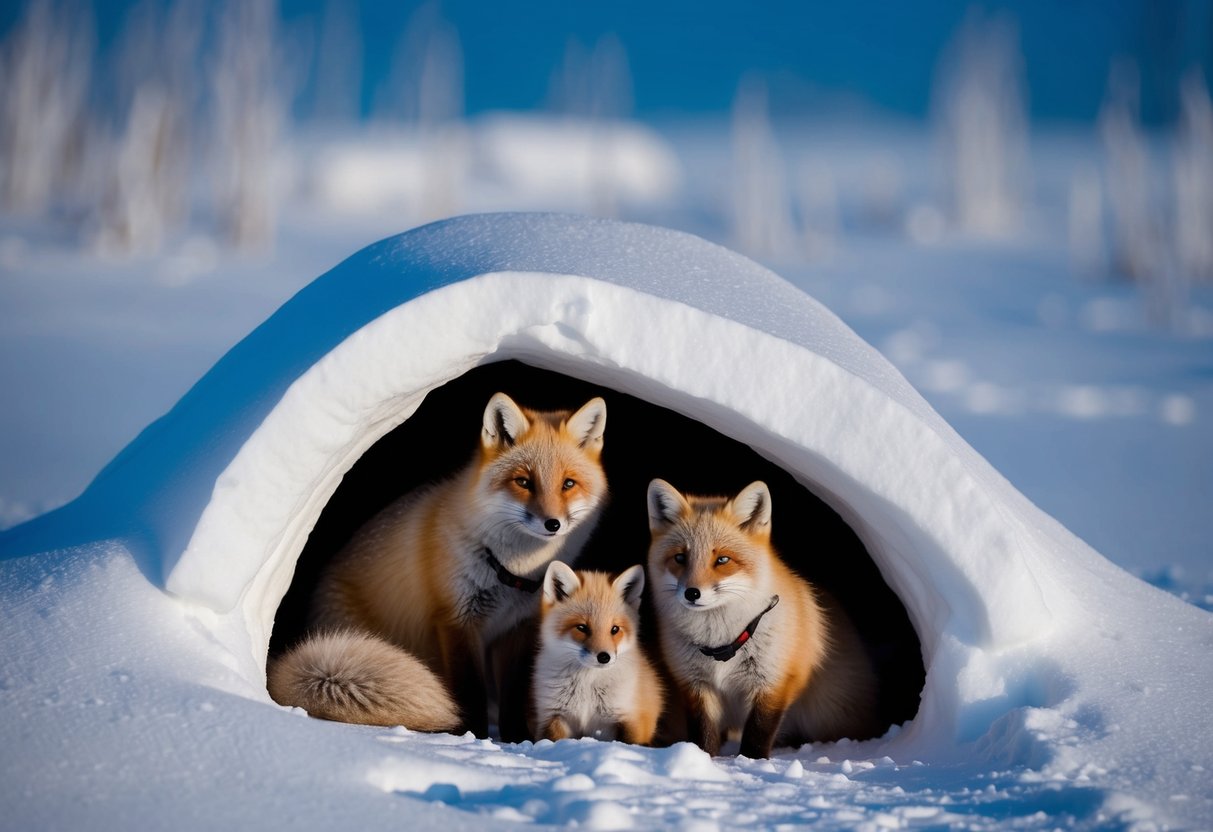
Scientific research plays a crucial role in saving Arctic foxes from extinction. By focusing on genetics and ecology, researchers are finding effective ways to boost their populations. Understanding these elements is essential for developing successful conservation efforts.
Importance of Genetic Research
Genetic research helps you understand the diversity and health of Arctic fox populations. By studying their genes, scientists can identify the genetic variation within groups. This knowledge is vital for breeding programs and conservation strategies.
Programs like the Arctic Fox Initiative focus on captive breeding to increase genetic diversity. This approach reduces the risks of inbreeding, which can threaten a population’s survival.
Genetic research benefits include:
- Improved breeding programs: A mix of genetic material leads to healthier offspring.
- Disease resistance: Diverse genetics can enhance the population’s ability to fight illness.
- Adaptability: Strong genetic variation allows Arctic foxes to adapt to climate change and habitat loss.
Population Monitoring and Ecology
Monitoring Arctic fox populations is essential for effective conservation. Tracking their numbers helps scientists understand trends and challenges they face. This includes factors like food availability, habitat loss, and human impact.
By examining their life history strategies, researchers gather data on reproduction and survival. For example, knowing the reproductive investment of Arctic foxes assists in predicting population growth.
Key methods of population monitoring include:
- Camera traps: These devices capture images of foxes, allowing scientists to track their movements.
- Field surveys: Surveys help estimate population size and health in their habitats.
- Ecological studies: By studying their ecology, researchers can find ways to improve their environment and support their needs.
Understanding the ecology of Arctic foxes supports efforts to protect this threatened species.


