
If you’ve ever spotted bats near your home, you might wonder if it’s a good idea to have them around. Having bats can actually be beneficial because they help control insect populations, such as mosquitoes and moths. These little creatures can be nature’s pest control, making your outdoor space more enjoyable.
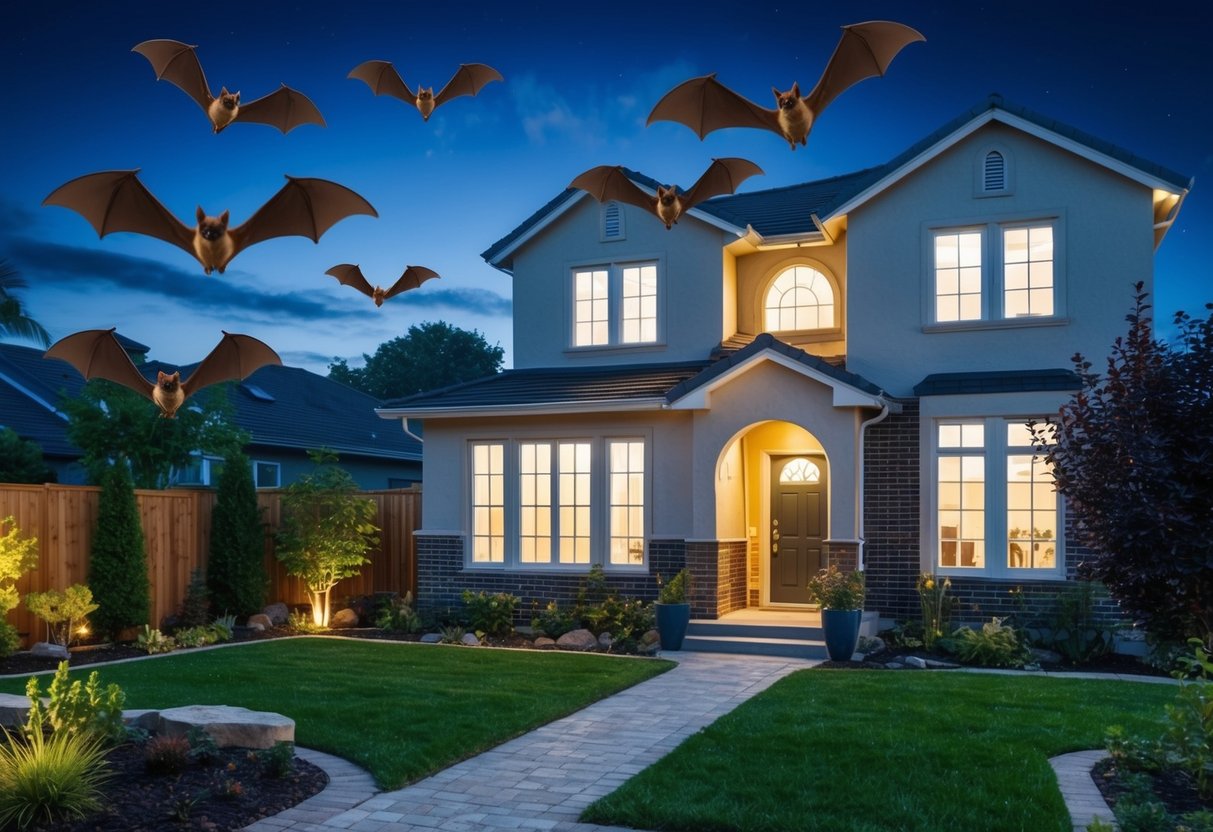
However, while bats can provide many advantages, you should also consider the potential downsides. They may decide to roost in your attic or other sheltered areas, which can lead to issues if left unchecked. By learning more about bats, you’ll be better equipped to make informed decisions about sharing your space with them.
So, are bats a friend or foe? By exploring the pros and cons of their presence, you can find out how to appreciate these fascinating animals while keeping your home comfortable and safe.
The Ecological Benefits of Bats
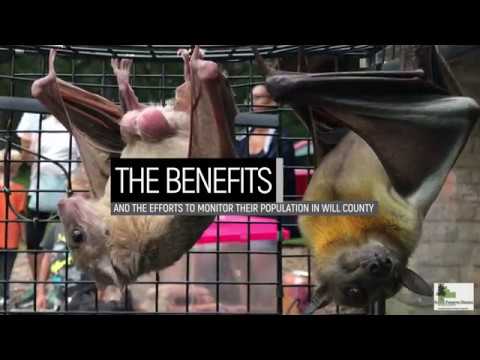
Bats play a vital role in maintaining healthy ecosystems. They are essential not only as pollinators and seed dispersers but also as natural pest controllers. Understanding their benefits can help you appreciate why having bats around your home can be helpful.
Bats as Pollinators and Seed Dispersers
Many bat species, like the big brown bat and little brown bat, are important pollinators. They help in the pollination of several plants, including many fruit-bearing ones. Bats can visit numerous flowers in a single night, transferring pollen as they feed on nectar.
In addition to pollination, bats also assist in seed dispersal. Their droppings, or guano, can fertilize seeds, helping them grow in new areas. This is especially important for tropical ecosystems, where certain plants depend on bats for reproduction. By encouraging plant growth, bats support biodiversity in your local environment.
Natural Pest Control
Bats are nature’s own pest control agents. A single bat can consume up to 4,000 insects in one night. This means fewer pests around your home, which is beneficial for your garden and agricultural crops.
By eating insects like mosquitoes and agricultural pests, bats reduce the need for chemical pesticides. This is great for the environment and your health. Healthy bat populations can help keep insect numbers under control, making your outdoor space more pleasant. They support both the ecosystem and the farming community by keeping pests in check.
Health and Safety Considerations
Having bats around your home can raise health and safety concerns. It’s essential to be aware of the risks related to rabies and diseases, as well as the potential dangers from bat droppings.
Rabies and Disease Risks
Bats can carry rabies, a serious viral disease. Although the chances of getting rabies from a bat are low, it’s still important to be cautious. If a bat bites you or scratches your skin, seek medical help immediately.
Bats also pose other health risks. They can spread diseases like the Zika virus and malaria, which might be carried by insects that feed on them. Keeping bats away can help reduce these risks.
If you see bats near your home, avoid direct contact and contact a professional for removal if necessary. Always wash your hands thoroughly after being around bats or their nesting areas.
Histoplasmosis and Bat Guano
Bat guano, or droppings, can lead to health problems too. It can contain a fungus that causes histoplasmosis, a respiratory illness. This illness occurs when you inhale spores from the contaminated droppings.
Symptoms of histoplasmosis can include fever, cough, and difficulty breathing. To reduce your risk, avoid areas where bats roost. If you have bat droppings in your home, consider hiring experts to clean it safely.
Be cautious and wear protective gear if you need to handle guano. Always remember that keeping your space clean and bat-free helps protect your health.
Living with Bats: Management and Exclusion

Managing bats around your home requires attention to potential entry points and the option of professional help. You can take steps to create a bat-free environment while still appreciating their benefits.
Identifying and Sealing Entry Points
To keep bats away, you first need to find where they might be getting in. Start by checking your attic for gaps or holes. Pay close attention to:
- Windows and Vents: Ensure these are well-screened.
- Gaps in Eaves or Roofs: Inspect for any missing shingles or cracks.
- Chimneys: Make sure there are tight-fitting caps.
Once you identify these entry points, it’s important to seal them properly. Use materials like caulk or foam insulation to fill gaps. This helps safeguard your home’s structural integrity. Sealing off these areas not only keeps bats out but also prevents other pests from entering.
Professional Bat Removal Services
If you find bats are already inside your home, consider reaching out to professional bat removal services. These experts have the training and tools to safely and effectively remove bats without harm.
Choosing a reliable service can involve:
- Inspection: They will assess your property for entry points.
- Humane Removal: Professionals use methods that do not harm the bats.
- Exclusion Strategies: They’ll also help seal entry points to prevent future issues.
Having professionals handle the situation ensures that your home remains safe and keeps the bats sufficiently distant, allowing you to enjoy your space.
Attracting Bats for Ecological Balance
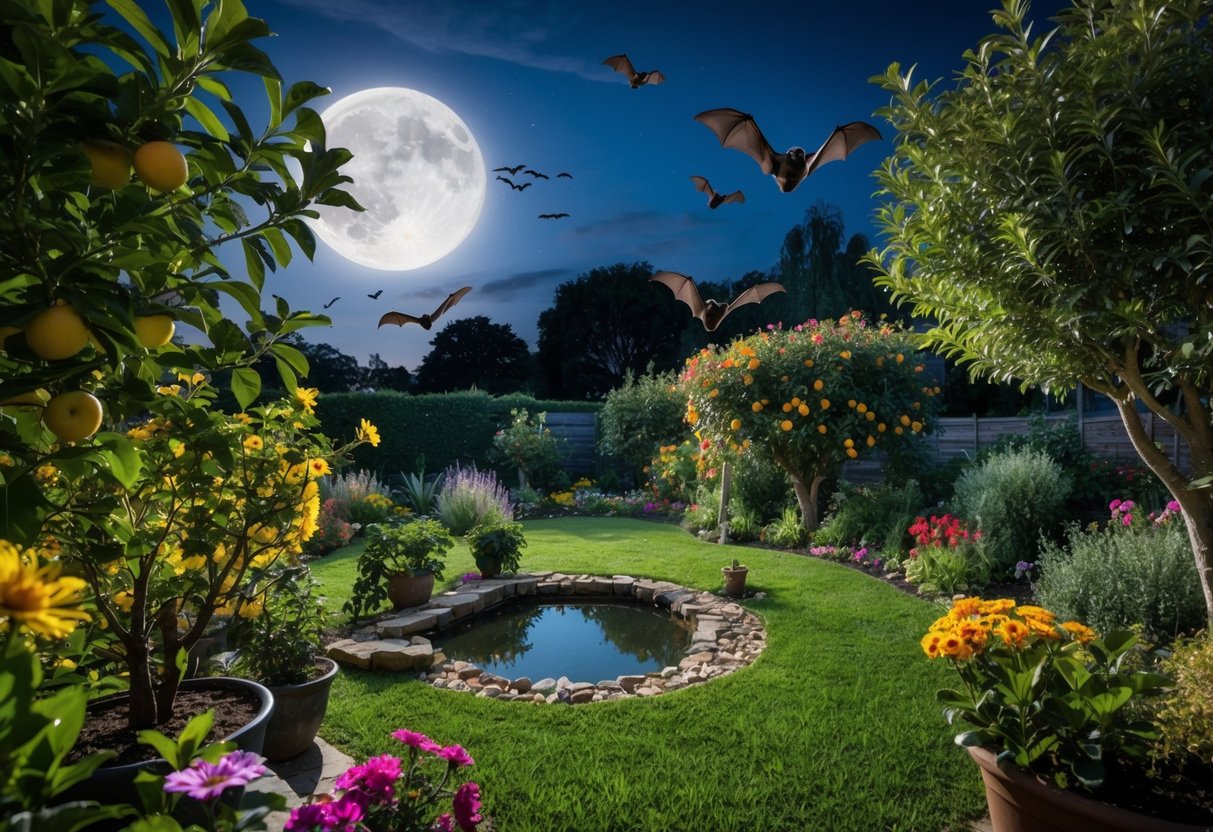
Attracting bats to your property can be beneficial for your garden and surrounding ecosystem. By creating a welcoming environment, you can help control insect populations and promote a healthy habitat.
Building a Bat House
Constructing a bat house is a great way to invite these creatures to your yard. Bats need a safe place to roost, and a bat house can provide that shelter.
Key Features:
- Size: A bat house should be at least 24 inches tall and 14 inches wide.
- Location: Place it at least 12-20 feet above the ground, ideally on a pole or building.
- Paint: Use dark colors to help keep the interior warm. Bats prefer warmer temperatures.
By providing a bat house, you can encourage bats to take residence. This helps with pest control by allowing bats to consume many insects, including mosquitoes and beetles. Enjoy the benefits of having bats around, as they play a vital role in maintaining a balanced ecosystem.


