
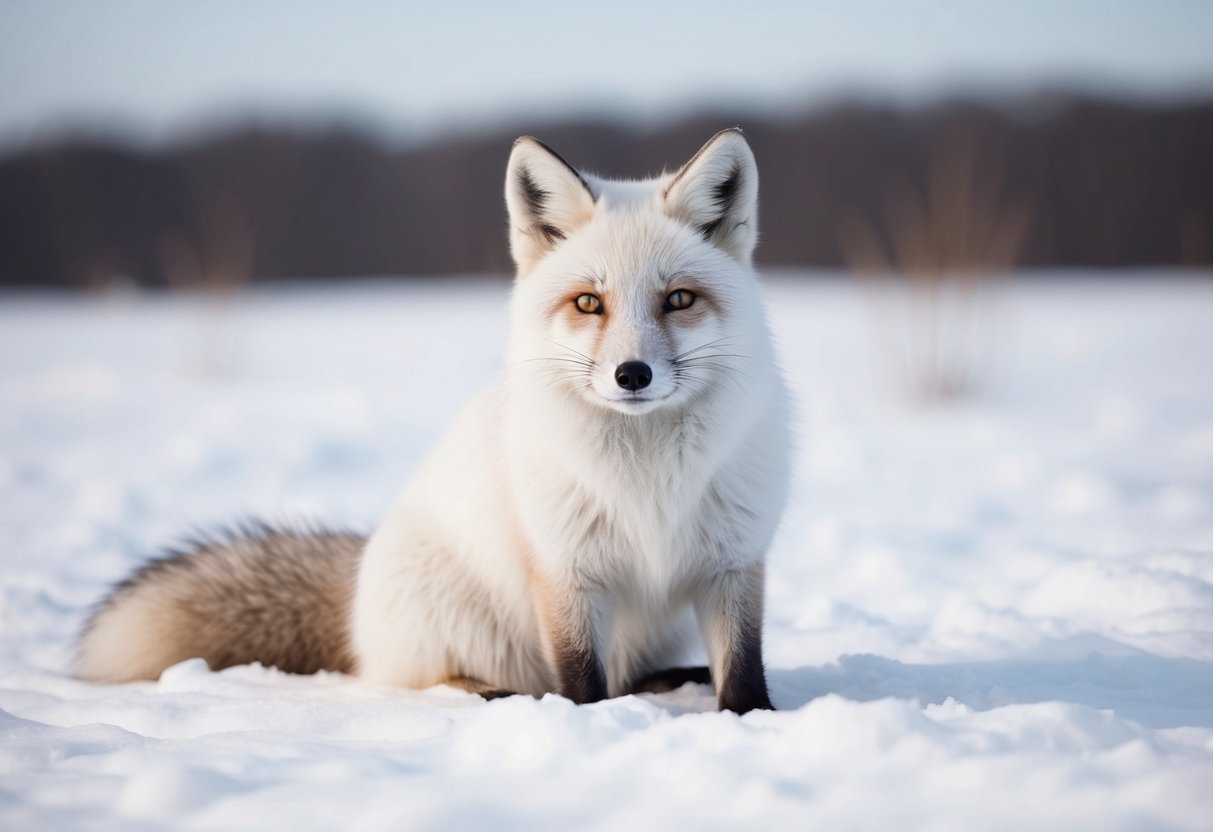
If you’ve ever dreamt of having an arctic fox as a pet, you’re not alone. These adorable creatures can be captivating with their fluffy tails and striking blue eyes. However, owning an arctic fox requires careful consideration and is not legal in many places.
While some states allow it, others have strict laws against keeping exotic pets like foxes. Researching your local regulations is crucial if you’re thinking about bringing one into your home.
Moreover, caring for an arctic fox is quite different from owning a typical pet. They have unique needs and behaviors that require a lot of attention and a proper environment. Understanding these factors will help you decide if an arctic fox is the right fit for your lifestyle.
Legality and Ownership
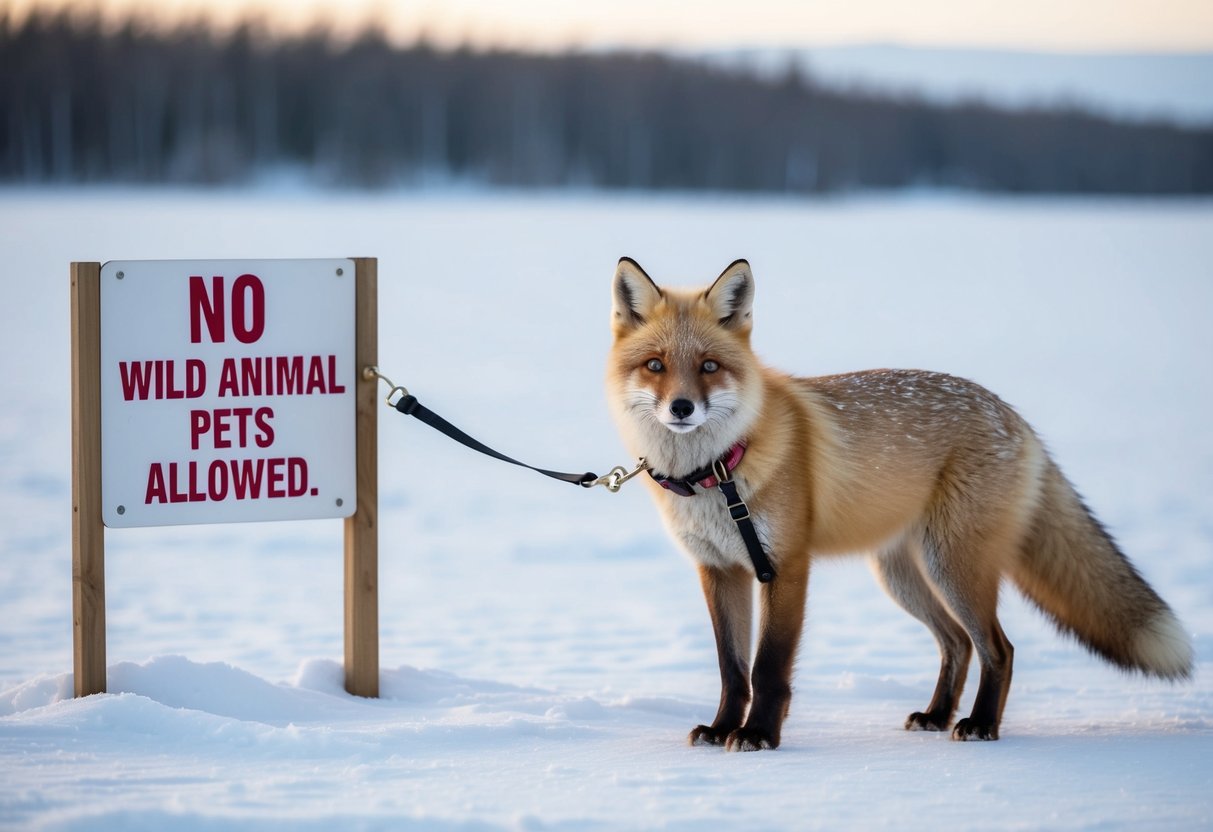
When considering an arctic fox as a pet, it’s essential to be aware of the legal landscape. Different states and countries have various rules regarding permits and ownership. Understanding these laws will help you make informed decisions.
Understanding Permits and Regulations
Before you commit to owning an arctic fox, check your local laws. Many places require specific permits for exotic pets, including foxes. In some states, you might need a specific license for fox ownership, while other areas may ban it completely.
For example, in states like Michigan, owning a pet fox is legal if it comes from a licensed breeder. Conversely, other states may only allow native fox species or impose strict regulations. You must familiarize yourself with the USDA license requirements, as they ensure your pet’s care aligns with federal standards.
The Importance of Legal Compliance
Legal compliance is crucial for both your safety and your fox’s well-being. Owning an exotic pet like an arctic fox often comes with strict guidelines. Not following these can lead to fines or confiscation of your pet.
Make sure to stay updated on any changes in wildlife laws as they can change. It’s also vital to engage with local authorities or organizations to ensure you have all necessary documents. A well-informed owner fosters better relationships with the community and promotes responsible pet ownership.
Arctic Fox Behavior and Socialization
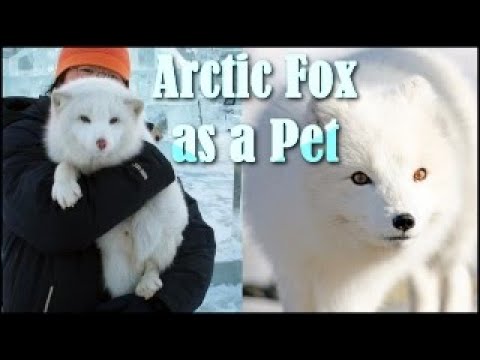
Arctic foxes are unique animals with specific social traits and needs. Understanding their behavior will help you provide the right environment for your pet and ensure a happy life together. Let’s look at their social traits and what you need to consider for their training and exercise.
Social Traits of Arctic Foxes
Arctic foxes are known for being social animals. They can form strong bonds with their owners, showing affection in playful ways. In the wild, they live in small family groups, so they do enjoy companionship.
When you adopt an arctic fox, it’s important to spend time with them. Regular interaction helps them feel secure. They may want to engage in play or follow you around. Keep in mind that while they can be friendly, they also have a wild side and may not always be as cuddly as domestic pets.
Training and Exercise Needs
Training your arctic fox is crucial for a harmonious life. They are intelligent and can learn commands and tricks. Start with basic obedience training, using positive reinforcement like treats.
Exercise is equally important. Arctic foxes need room to run and play, promoting good health. Daily walks and playtime are necessary. Create a safe space for them to explore, as their curious nature can lead to mischief.
Meeting their training and exercise needs will make your bond even stronger. With time, patience, and consistent effort, your arctic fox can thrive in your home.
Housing and Dietary Requirements
Creating a comfortable living space and providing the right food is important for your pet arctic fox. These animals need specific housing to stay healthy, as well as a balanced diet to thrive.
Creating a Suitable Habitat
Your arctic fox needs a secure and spacious habitat. A large enclosure is ideal, with a minimum size of 10 feet by 10 feet. Make sure it has both indoor and outdoor areas.
Key features include:
- Secure fencing: Use strong materials to prevent escape. Foxes are great diggers.
- Shelter: Provide a warm den where your fox can sleep and feel safe.
- Enrichment items: Include tunnels, climbing structures, and toys to keep your fox mentally stimulated.
Regular cleaning of the habitat is necessary to prevent odors and ensure your pet’s health.
Nutritional Needs and Diet
Feeding your arctic fox a proper diet is essential. Their meals should be high in protein and mimic their natural diet.
A well-balanced diet includes:
- 75% muscle meat: Offer various types like chicken and rabbit.
- 10% raw bone: Use small, non-weight-bearing bones to avoid tooth injuries.
- 5% offal: Include organ meats like kidney and liver.
- 5% fruits and vegetables: Safe options like blueberries and carrots can be included.
Consult a pet arctic fox care guide for detailed dietary recommendations to ensure your pet’s nutritional needs are met.
Health and Welfare Considerations
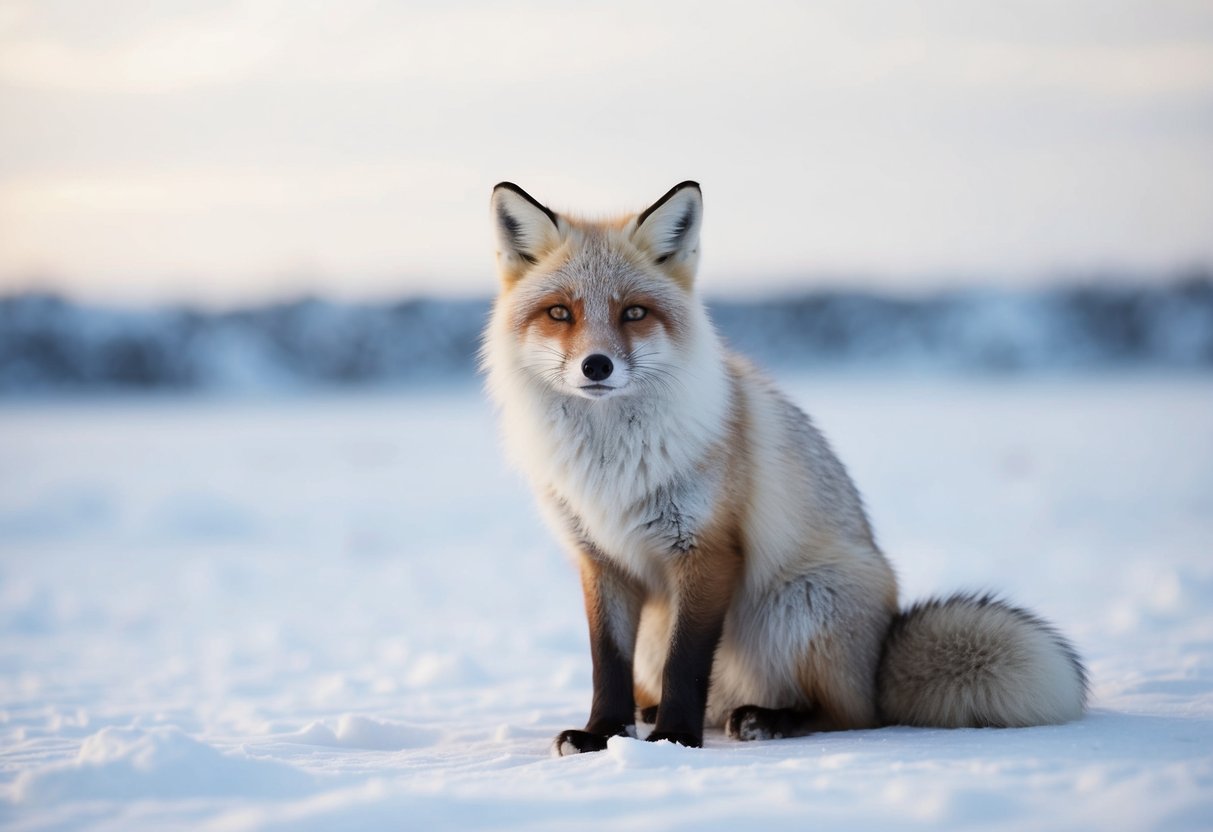
Owning an Arctic fox involves special health and welfare considerations. You need to ensure proper veterinary care and understand the long-term commitment required for their care.
Veterinary Care for Exotic Canines
Your Arctic fox will need regular veterinary check-ups. Finding a vet experienced with exotic animals is crucial. These vets can provide guidance on vaccinations, nutrition, and general health.
Expect to pay for vaccinations and routine inspections, which can add up over time. Be prepared for potential health issues specific to Arctic foxes. Some common concerns include dental problems and parasites.
A good vet can also help with spaying or neutering, which is often recommended. This can help reduce some behavioral issues and improve overall health. Always prioritize your pet’s health and schedule routine visits to keep them happy.
Long-Term Commitment and Lifespan
In captivity, Arctic foxes can live up to 10-15 years. This requires a serious commitment from you.
Think about your lifestyle and how it will change over the years. You’ll need to dedicate time for exercise, socialization, and enrichment activities.
A bored Arctic fox can develop behavioral problems, which might affect their health. To prevent this, make sure you provide a stimulating environment with toys and space to roam.
Caring for an Arctic fox also involves ongoing costs. Budget for food, vet visits, and supplies. Being well-prepared can help ensure your fox stays healthy and happy throughout their life.


