
If you’re considering bringing an arctic fox into your home as a pet, you might wonder about their lifespan. In captivity, arctic foxes can live between 10 to 18 years, while in the wild, their lifespan averages around 6 years. These fascinating creatures, known scientifically as Vulpes lagopus, require special care and attention, which can influence their longevity.
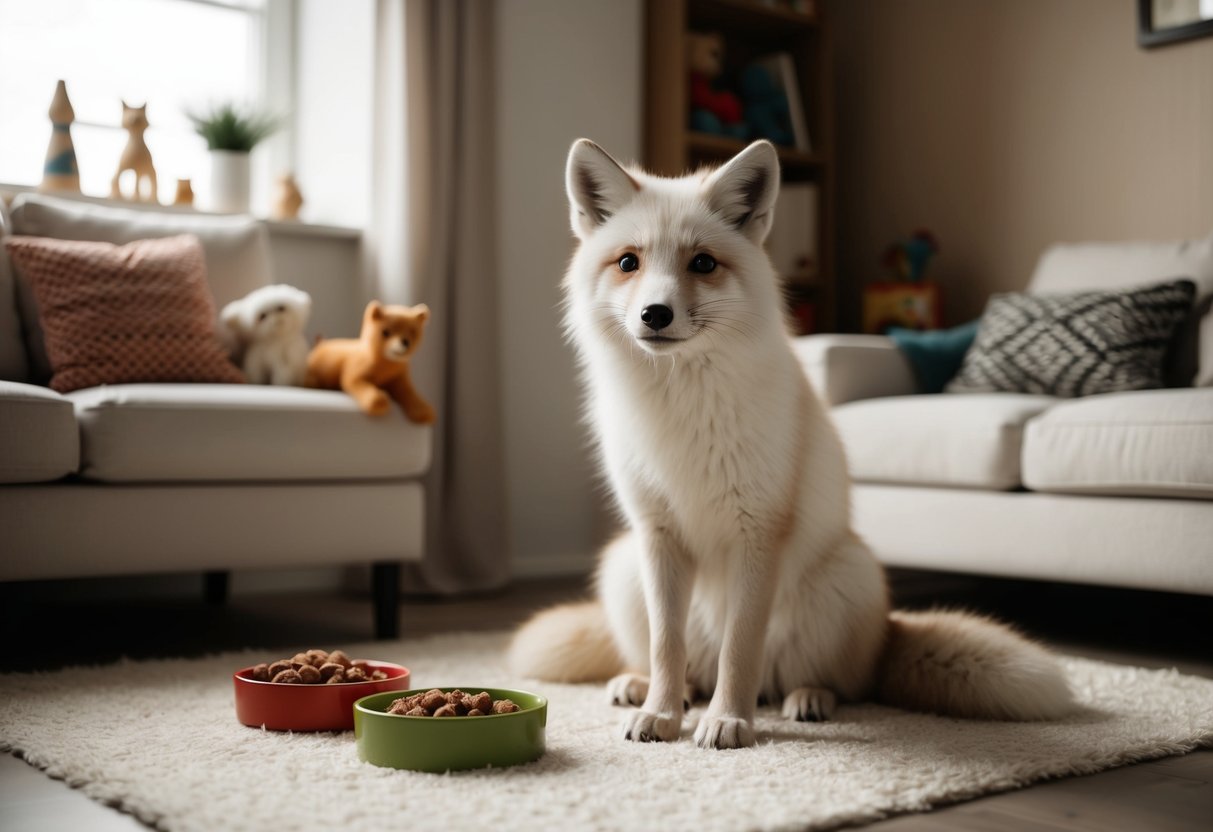
As you explore the idea of having an arctic fox as a pet, it’s essential to understand their unique needs. They thrive in environments that cater to their natural habits, such as plenty of space to play and a proper diet. With the right care, you can help ensure that your pet fox lives a long and happy life.
In the following sections, you’ll learn more about the specific care they need, common health concerns, and why adopting an arctic fox might be one of the most rewarding experiences you’ll ever have.
Understanding Arctic Foxes
Arctic foxes are unique pets with fascinating traits and a suitable habitat that contributes to their survival. Knowing their physical characteristics and natural environments helps you understand their needs better.
Physical Characteristics and Behavior
Arctic foxes are small but sturdy animals that weigh between 6 to 24 pounds. They have thick fur that keeps them warm in cold conditions. Their coat can change color with the seasons, turning white in winter to blend in with the snow and brown or gray in summer.
These foxes are social animals, often living in family groups that help care for the young. They are nocturnal, meaning they are most active at night. This behavior is essential for hunting small animals, which make up a large part of their diet. When you observe an arctic fox, you’ll notice its playful demeanor and curious nature, both of which are endearing qualities for pet owners.
Habitat and Distribution
Arctic foxes primarily live in the arctic tundra, where the cold climate and open spaces provide them with the necessary resources. They build dens in the ground, creating a safe place for raising their young. These dens can be quite elaborate, with multiple entrances and chambers.
Their range includes Greenland, Canada, Alaska, and parts of Russia. In the wild, these habitats offer insulation against harsh weather and plenty of food sources, such as lemmings and birds. Understanding where arctic foxes thrive gives you insight into what they need when kept as pets. It emphasizes the importance of providing a suitable environment that mimics their natural living conditions.
Lifespan of Arctic Foxes

Understanding the lifespan of Arctic foxes helps you know what to expect if you consider them as pets. Their lifespan varies significantly depending on whether they live in the wild or in a controlled environment like your home.
In the Wild
In their natural habitat, Arctic foxes live for about 3 to 6 years on average. Factors such as food availability, predation, and harsh weather affect their survival. Some Arctic foxes can live up to 11 years in the wild, but that’s rare. These foxes face many dangers, from other predators to extreme cold, which limits their lifespan.
In Captivity as Pets
When kept as pets, Arctic foxes can live much longer. In captivity, their lifespan can reach 10 to 15 years or even more with proper care. They benefit from regular food supply and protection from predators, which greatly enhances their quality of life. With attentive care, some Arctic foxes have been reported to live up to 18 years.
Having a stable environment and good nutrition is crucial for their longevity. If you choose to have an Arctic fox, knowing their life cycle and needs will ensure a happy and healthy life for your pet.
Caring for an Arctic Fox
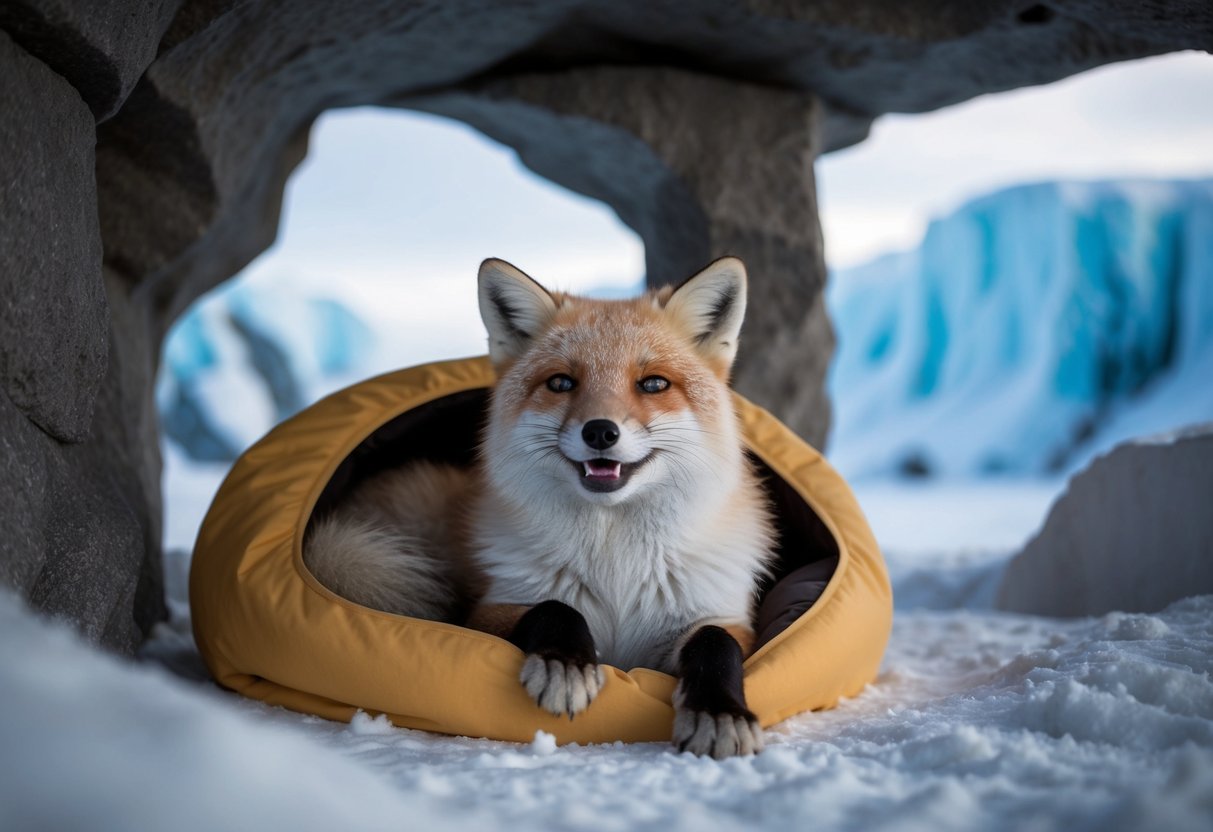
Taking care of an Arctic fox requires careful attention to their diet, common health concerns, and the right environment to keep them happy and healthy. These playful animals are unique members of the canidae family and have special needs as exotic pets.
Diet and Nutrition
Your Arctic fox needs a balanced and nutritious diet. Aim for a raw diet that includes:
- 75% muscle meat: This is the primary protein source.
- 10% raw bone: Choose non-weight bearing bones to prevent dental issues.
- 5% offal: Include organs like kidney and spleen for essential nutrients.
- 5% liver: Important for vitamins and minerals.
- Fruits and vegetables: Offer small amounts of safe options like carrots or berries.
Be mindful of their nutritional needs since improper feeding can lead to health issues. Always consult a vet experienced with exotic pets for specific diet recommendations.
Common Health Issues
While Arctic foxes are generally hardy, they can face certain health problems. Some common issues include:
- Mange: This skin condition is caused by mites and can lead to severe itching and hair loss. Regular grooming and veterinary check-ups can help prevent this.
- Dental Problems: Ensure they have appropriate chew toys to maintain dental health.
- Obesity: Keep an eye on their weight, as a lack of exercise can lead to obesity.
Regular veterinary visits are essential. A knowledgeable vet can help monitor for these issues and provide preventive care tailored to your fox’s specific needs.
Environmental Enrichment
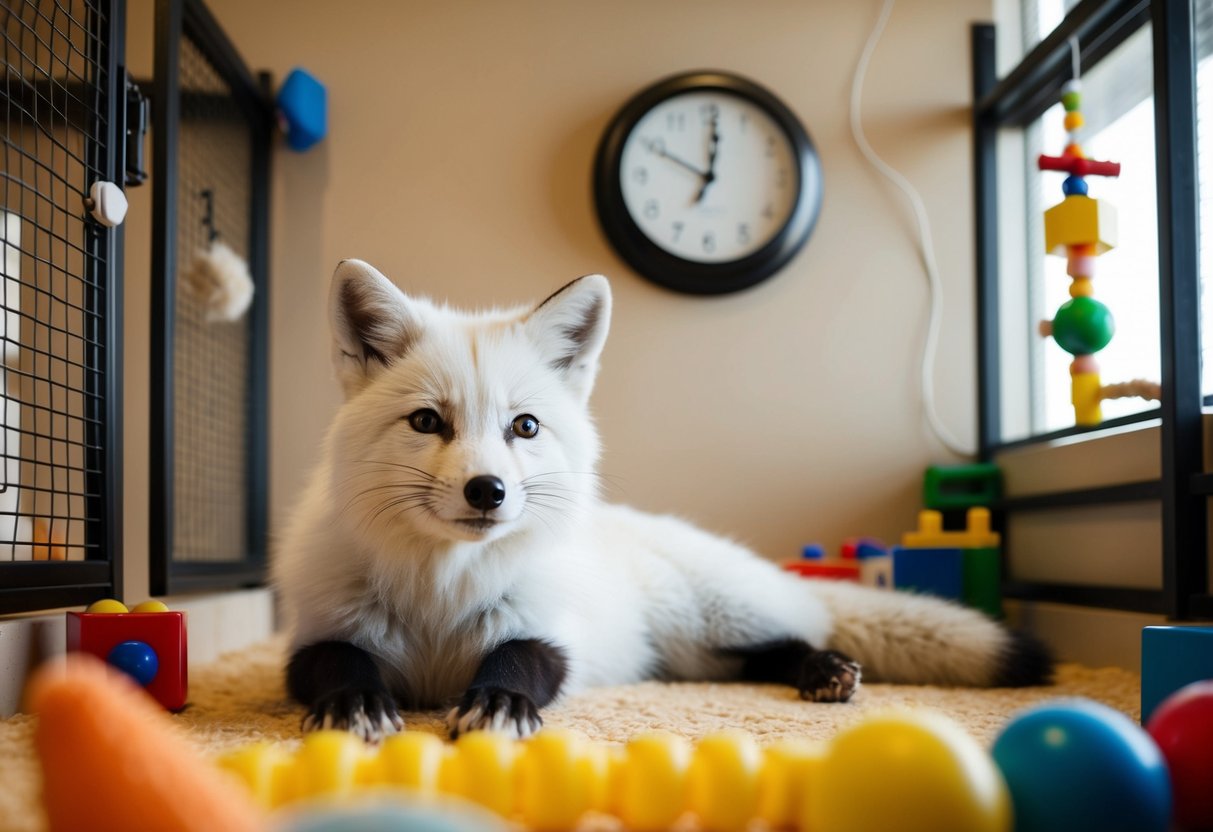
Providing a stimulating environment is crucial for your Arctic fox’s mental and physical well-being. Create an engaging space with:
- Tunnels and Climbing Structures: They love to explore and climb, so adding safe structures can keep them entertained.
- Interactive Toys: Puzzle toys can keep their minds active and prevent boredom.
- Safe Outdoor Space: If possible, allow time outside in a secure area.
Rotate their toys and change their environment periodically to keep things interesting. An enriched environment prevents destructive behaviors and promotes a happy, healthy fox.
Challenges and Considerations
When thinking about owning an arctic fox, you face important challenges. There are legal and ethical aspects, as well as issues related to conservation and climate change. These factors will help guide your decision.
Legal and Ethical Concerns
Before you adopt an arctic fox, check your local laws. Some places have strict rules about owning exotic animals. Owning a fox might require a special permit. It’s crucial to follow these regulations to avoid legal trouble.
Ethically, consider the welfare of the animal. Arctic foxes are wild by nature and may not adapt well to a home environment. Assess your ability to provide a suitable habitat. They thrive in spacious areas and need proper care. Your commitment plays a big role in ensuring the fox’s happiness and health.
Conservation and Climate Impact
Climate change is causing challenges for Arctic foxes in the wild. Their habitat is shrinking, and their food sources can become scarce. By owning one, you contribute to a demand that may impact their natural population.
Educate yourself on conservation efforts. Some organizations work to protect Arctic foxes and their habitats. By adopting an Arctic fox, you might inadvertently affect these efforts. Understanding your impact is key to being a responsible pet owner.


