
Arctic foxes are remarkable animals that thrive in some of the coldest places on Earth. Living in the harsh Arctic environment, you might wonder how they manage to survive extreme temperatures that can plunge below -50 degrees Fahrenheit. These resilient creatures have developed a range of unique adaptations, including thick, multi-layered fur and a compact body shape, which help them endure and thrive in freezing conditions.

One key to their survival is their excellent insulation, which keeps their body heat from escaping. Their fur not only traps warmth but also provides effective camouflage against the snowy landscape, making it easier for them to hunt and evade predators. By understanding these adaptations, you can gain insight into how life can persist even in the most challenging climates.
Join us as we explore the fascinating ways Arctic foxes adapt to their frigid habitat. You’ll discover the incredible strategies that enable them to flourish in an environment where many other animals could not survive.
Physical and Physiological Adaptations
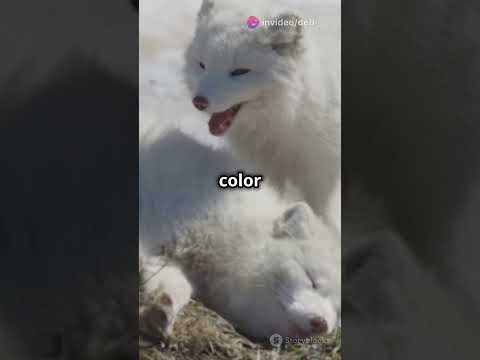
Arctic foxes have developed unique physical and physiological adaptations that allow them to survive the extreme cold of their environment. These adaptations focus on retaining body heat and minimizing heat loss, which are essential for thriving in frigid temperatures.
Insulating Fur and Body Heat Retention
One of the main features of the Arctic fox is its thick, insulating fur. This fur is made up of two layers: a soft underfur and longer guard hairs. The underfur traps heat, keeping your body warm, while the guard hairs help to repel moisture and wind.
During winter, the Arctic fox’s fur may turn white to blend into the snowy landscape, aiding in predator evasion. The compact body shape also helps minimize surface area. This reduces heat loss, allowing the fox to maintain a stable internal temperature. With metabolism adjusted to conserve energy during cold months, these adaptations are critical for survival.
Unique Body Features for Thermal Regulation
In addition to fur, Arctic foxes have distinct body features that help with thermal regulation. Their compact bodies reduce exposure to cold and prevent heat loss. The bushy tail acts as a blanket, wrapping around them during rest to provide extra warmth.
Foxes also have small, rounded ears that minimize heat loss compared to larger ear shapes found in other species. These adaptations, combined with their ability to burrow in snow for insulation, help Arctic foxes survive harsh conditions. With their specialized features, they are well-equipped to thrive despite being in some of the coldest environments on Earth.
Behavioral Strategies for Survival

Arctic foxes use various behavioral strategies to thrive in the harsh conditions of the Arctic tundra. These strategies help them find food and create shelter, ensuring their survival during the winter months.
Foraging and Hunting Methods
You will notice that Arctic foxes are skillful hunters and scavengers. Their primary food sources include lemmings, small mammals, birds, and even berries during summer. They can adapt their hunting techniques based on what is available.
When hunting, Arctic foxes use their acute hearing to detect prey beneath the snow. They often leap and pounce to catch animals hidden below. This method, combined with their ability to camouflage in the white landscape, increases their chances of a successful hunt.
They are also opportunistic eaters, making use of any food they find, including leftovers from larger predators. This scavenging behavior helps them survive when their primary food sources are scarce.
Creating Shelter in the Arctic Tundra
Finding or creating shelter is crucial for Arctic foxes. During extremely cold temperatures, they rely on dens, which they either dig themselves or take over from other animals. These burrows provide warmth and protection from the elements.
Dens are often located in areas where the permafrost is shallow, allowing them to create comfortable living spaces. They might line the inside with grass or feathers to trap heat.
In addition to dens, Arctic foxes can create temporary shelters by digging into snowdrifts. The snow acts as insulation, keeping them warm during harsh winter months. By using these strategies, you can see how adaptable and resourceful these animals are in their quest for survival.
Arctic Foxes’ Role in Their Ecosystem

Arctic foxes are vital members of the Arctic ecosystem, contributing to its balance as both predators and prey. They interact with other species and adapt to their surroundings, making them fascinating creatures of the cold.
Predators and Prey Dynamics
You can find Arctic foxes influencing the dynamics of prey populations in their environment. They primarily hunt small rodents like lemmings and voles, keeping their numbers in check. This predation helps to maintain healthy populations of these small mammals.
In addition to hunting, Arctic foxes are also opportunistic scavengers. They often feed on the remains of larger animals, such as polar bears. This not only prevents waste but also allows these foxes to thrive in harsh conditions when food is scarce. Their hunting skills and varied diet make them essential for supporting biodiversity in the Arctic.
Adaptation to Seasonal Changes
Arctic foxes show impressive adaptability through seasonal changes. During winter, they sport a thick, white coat that provides camouflage against the snow. This coat not only traps heat but also helps them stay hidden from predators.
As spring arrives, these foxes molt into a gray coat, blending into the rocks and grass. Their ability to change fur colors enhances their camouflage strategies, crucial for hunting and avoiding threats. They carefully plan their breeding season, often timed to ensure food availability for raising their young.
Climate change poses challenges to these adaptations, impacting food sources and habitat. Conservation efforts are important to help maintain Arctic wildlife and the ecosystem’s health.


