
Arctic foxes are fascinating creatures often admired for their beauty and unique lifestyle. You might wonder about their relationships and whether these clever animals stay loyal to one partner. Yes, Arctic foxes do mate for life! This monogamous behavior helps them thrive in their harsh Arctic environment as they raise their young together.
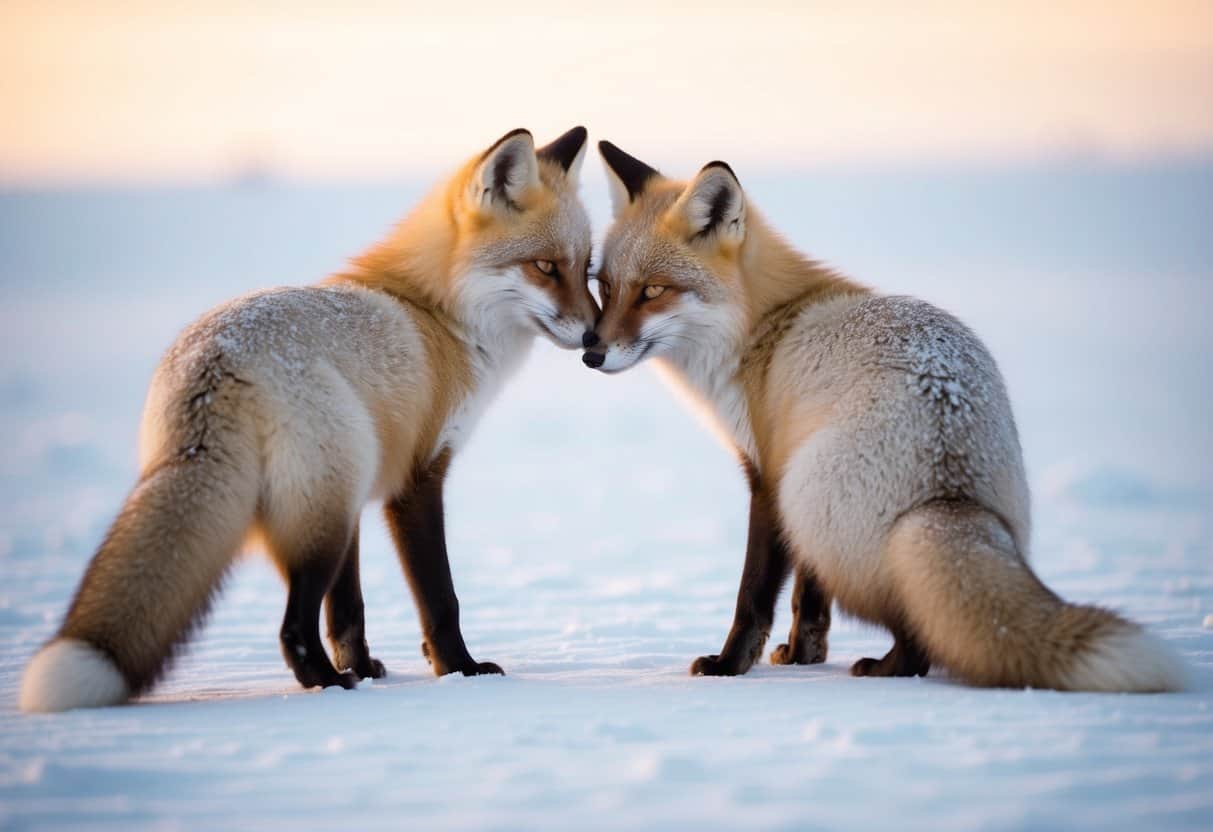
When you think of Arctic foxes, picture a loyal pair working in harmony. They engage in playful behaviors and form strong bonds that last throughout the year. By staying together, they can raise their kits more effectively and ensure their survival in tough conditions. Their commitment to each other is not just sweet; it’s a smart survival strategy in their chilly habitat.
In the wild, forming a lasting partnership means both parents can share the responsibilities of hunting and caring for their young. So, if you ever spot a pair of Arctic foxes, remember that their love and teamwork make them successful in a challenging world!
Arctic Fox Social Structure
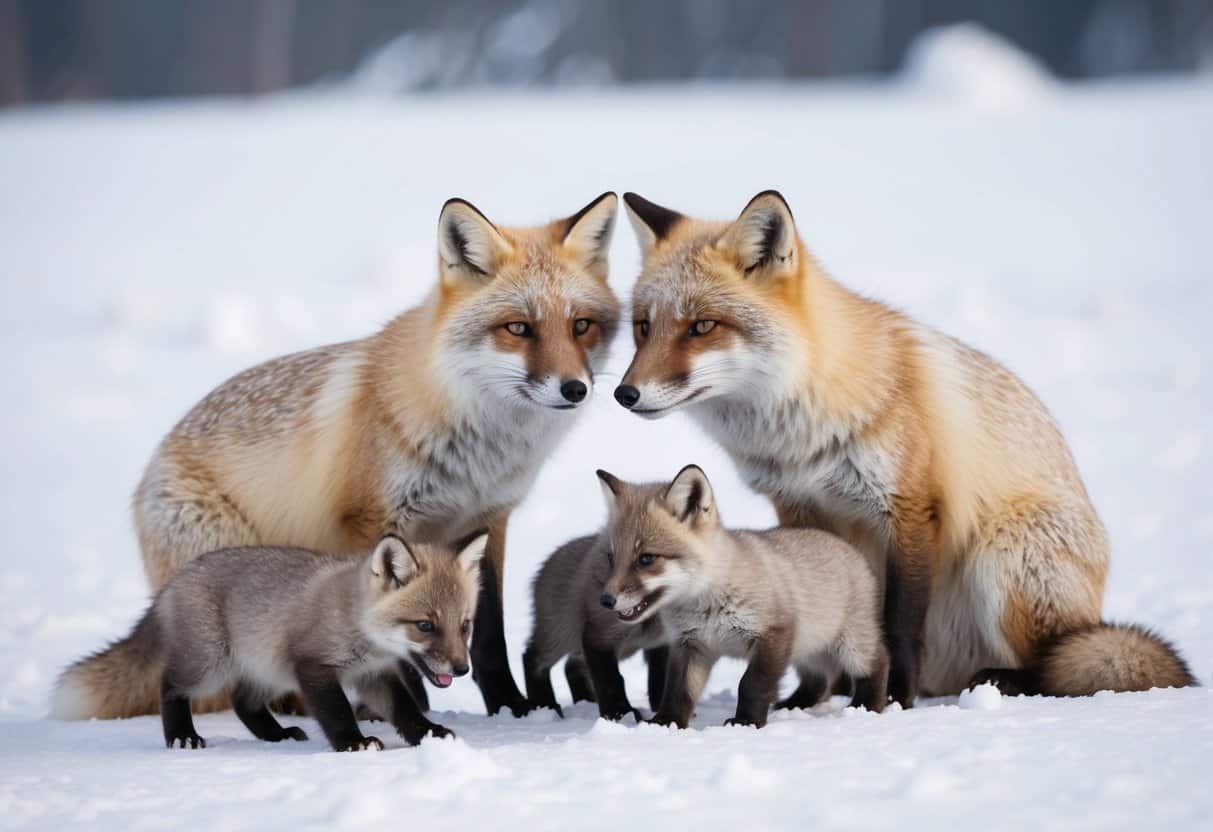
Arctic foxes have unique social behaviors and strong family bonds. Their relationships are critical for survival in harsh conditions, influencing both their mating habits and parenting styles.
Mating Habits
Arctic foxes follow a monogamous lifestyle. They typically mate for life, forming strong pair bonds that last through the breeding season and beyond. Mating occurs between February and March.
The gestation period lasts about 53 days. During this time, the female prepares for the arrival of her pups. The average litter size is between 5 and 8 kits, though some may have as many as 25 in rare instances. Both parents share responsibilities, which strengthens their partnership.
Pair Bonds and Monogamy
The bond between Arctic foxes is special. These animals form long-term relationships, often returning to the same mate each year. This loyalty is vital for raising their young in the Arctic environment where resources can be scarce.
After having their pups, both parents are involved in caring for them. They hunt together and teach their kits essential survival skills. The strength of their pair bonds helps ensure the survival of the next generation, making Arctic foxes an interesting example of social structure in the wild.
Breeding and Reproduction
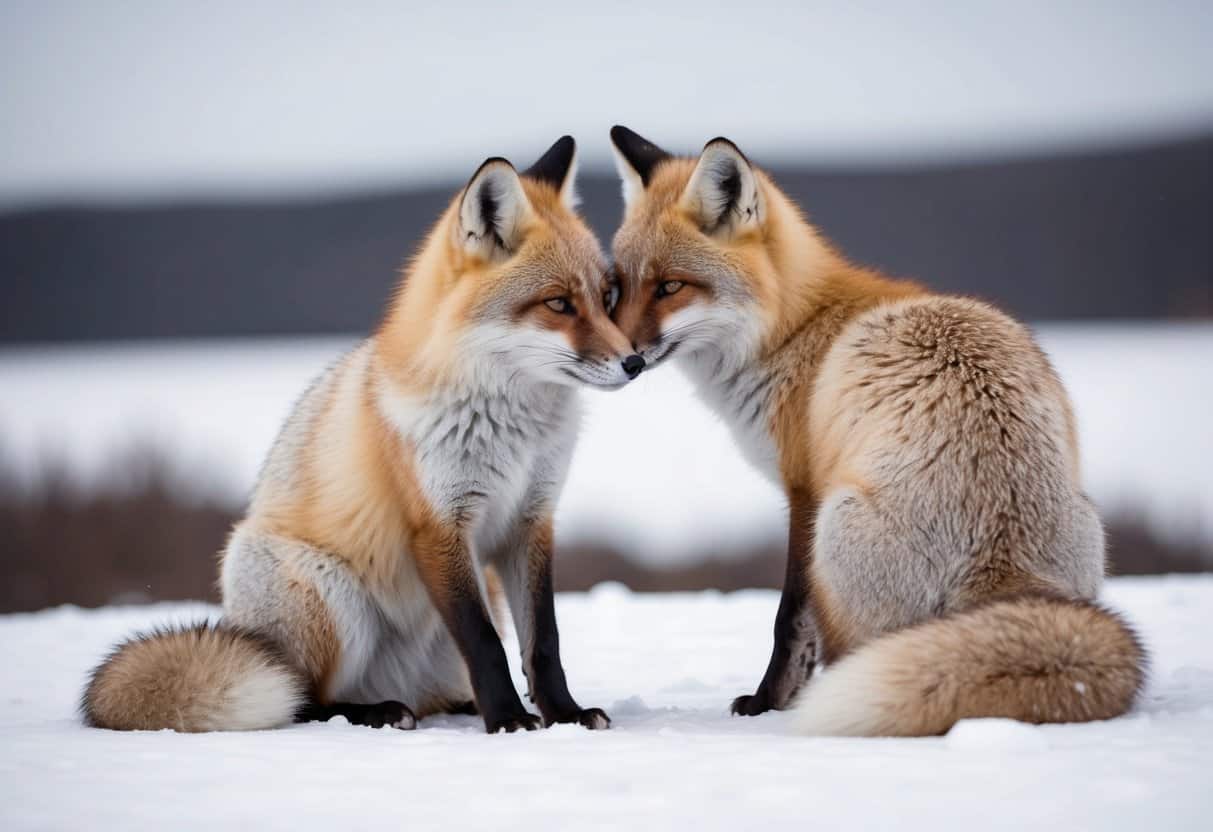
Arctic foxes have interesting breeding habits and a unique reproduction process. You’ll find that they mate for life, forming strong bonds with their partners. The breeding cycle involves a specific season and an important gestation period that leads to the birth of their adorable kits.
Mating Season
Mating season for Arctic foxes occurs between late February and early April. During this time, male and female foxes become more active, searching for each other. They communicate through vocalizations and scents to attract a mate.
Once a pair bonds, they remain together, often ensuring that they breed successfully. The female typically has only one mating season per year, which makes this time crucial for population growth. Their strong partnership supports the raising of their young later on.
Gestation and Kits
After mating, the female Arctic fox has a gestation period of about 49 to 57 days. During this time, she prepares a den for her future kits. This den is usually dug in a protected area to keep the young safe from predators.
When the kits are born, a typical litter size ranges from 5 to 8 pups, but it can be as many as 25. Both parents care for the kits by feeding and keeping them warm. You’ll notice that the male often plays a crucial role in providing food for the family. This teamwork ensures that the young have a better chance to survive and thrive in their harsh environment.
Habitat and Lifespan
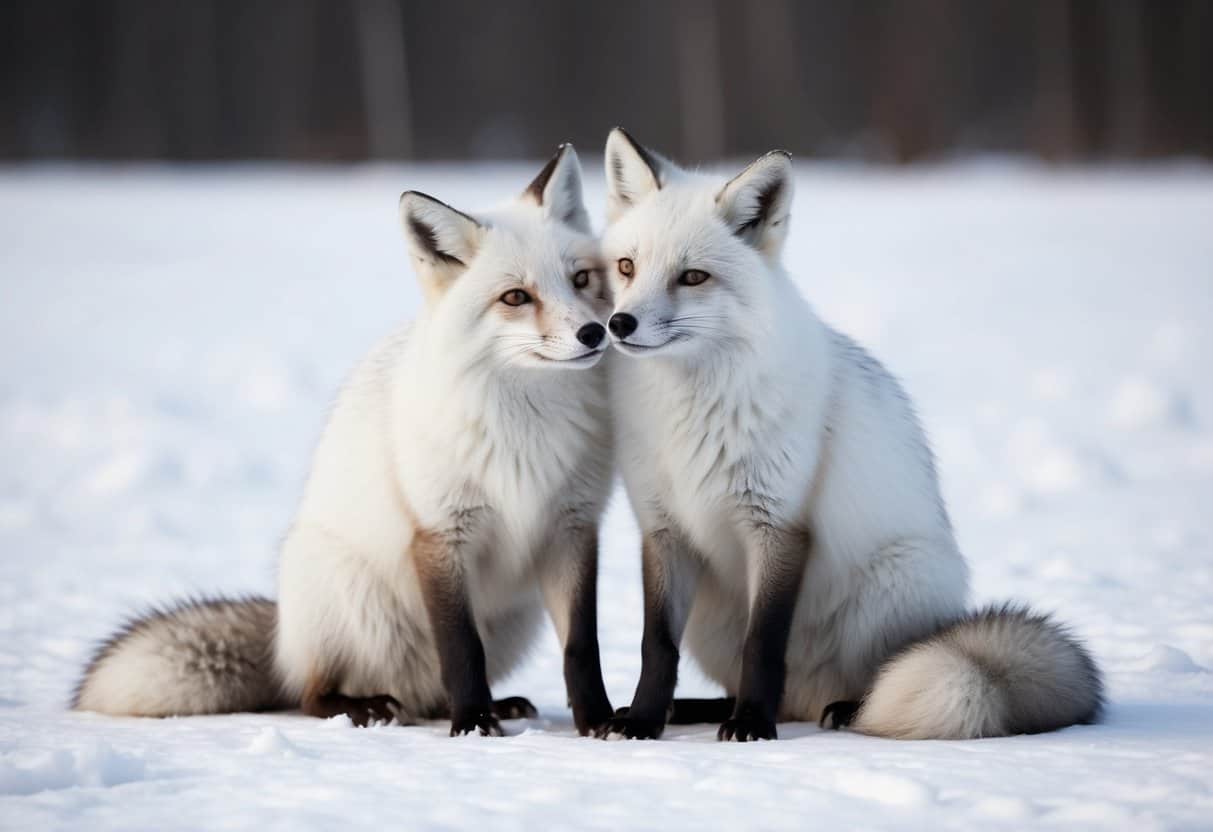
Arctic foxes have adapted to thrive in some of the harshest environments on Earth. Their survival depends on their habitat and life expectancy, both of which are closely linked to their behavior and surroundings.
Tundra Environment
Arctic foxes live primarily in the tundra, a cold and treeless area found in the Arctic and some alpine regions. This habitat features low vegetation, like grasses, mosses, and small shrubs.
During the winter, the tundra is covered in snow, providing camouflage for these foxes as they hunt. Their thick fur helps keep them warm in freezing temperatures. Arctic foxes are also skilled at finding food in this environment, often preying on small mammals, birds, and even scavenging from larger predators.
You may be surprised to know that they can change the color of their fur with the seasons—brown in summer and white in winter. This adaptation helps them hide from both prey and predators.
Arctic Fox Longevity
The lifespan of an Arctic fox differs significantly between the wild and captivity. In the wild, these foxes typically live around 3 to 6 years. Factors like food availability and predation can shorten their lives.
In captivity, Arctic foxes can live much longer, sometimes reaching up to 14 years. This increase is due to regular meals, absence of predators, and veterinary care.
Mating habits also play a role in their survival. These foxes are known for being monogamous, often forming strong pair bonds. They usually breed once a year, having 6 to 12 pups in a litter, which they raise together.
Comparative Mating Behaviors
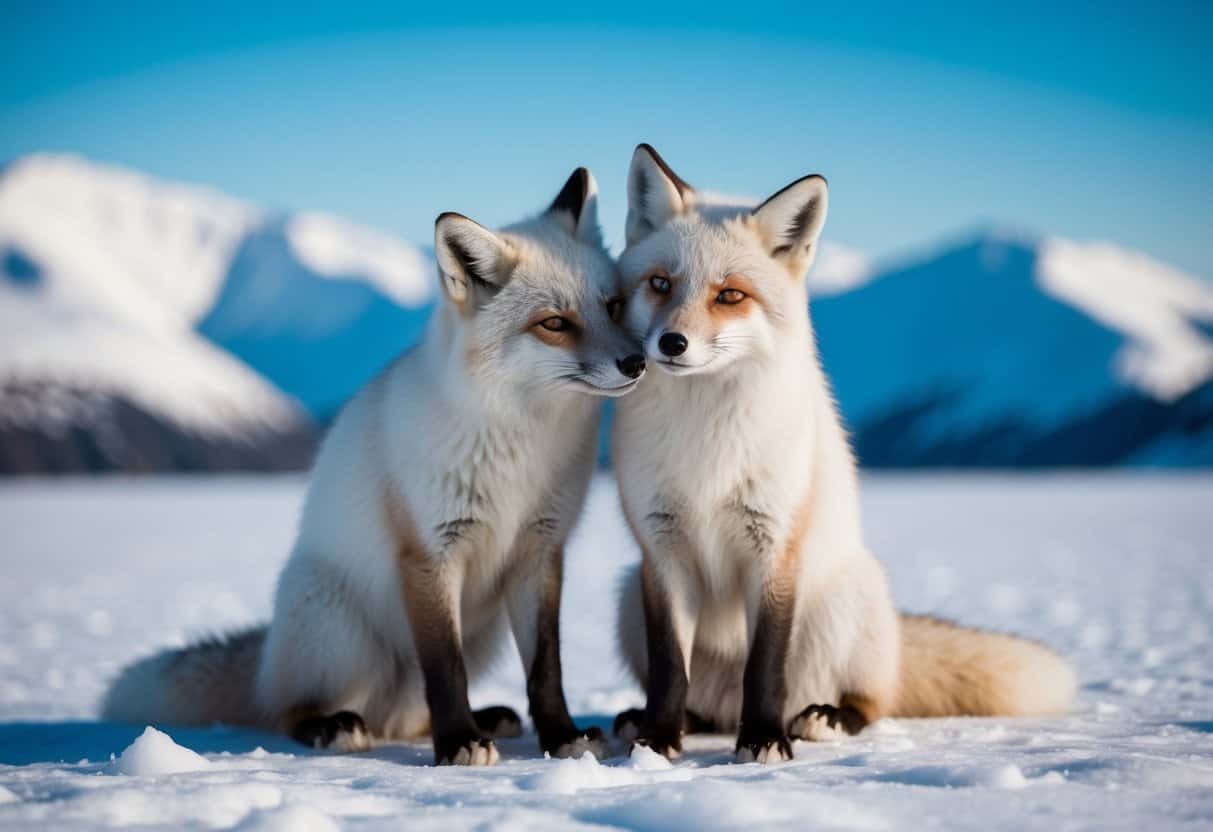
In the world of foxes, mating behaviors vary significantly between species. Arctic foxes tend to exhibit different mating practices compared to red foxes and other species. Understanding these differences reveals fascinating aspects of their social structures.
Arctic vs. Red Foxes
Arctic foxes are known for forming strong pair bonds. They often mate for life, especially during the breeding season. Both the male and female work together to raise their young in a den, ensuring a higher survival rate for their pups.
In contrast, red foxes tend to be less monogamous. While they may pair up during the breeding season, they can often have multiple partners. This behavior creates a more flexible social structure and allows for diverse gene mixing within their populations.
Other Fox Species Monogamy
Gray foxes and other fox species also display unique mating habits. Gray foxes may form monogamous pairs, but their relationships can be more fluid compared to Arctic foxes.
Not all foxes have the same commitment level. For example, some vixen red foxes could mate with more than one dog fox within a single breeding season. This variability highlights the adaptability and diverse mating strategies present in the fox family.


