
Arctic foxes are fascinating creatures known for their stunning, thick fur, which plays a crucial role in their survival. The insulating fur of the Arctic fox, or Vulpes lagopus, keeps them warm in the freezing temperatures of the Arctic tundra. This remarkable adaptation allows these small foxes to thrive in one of the harshest environments on Earth.
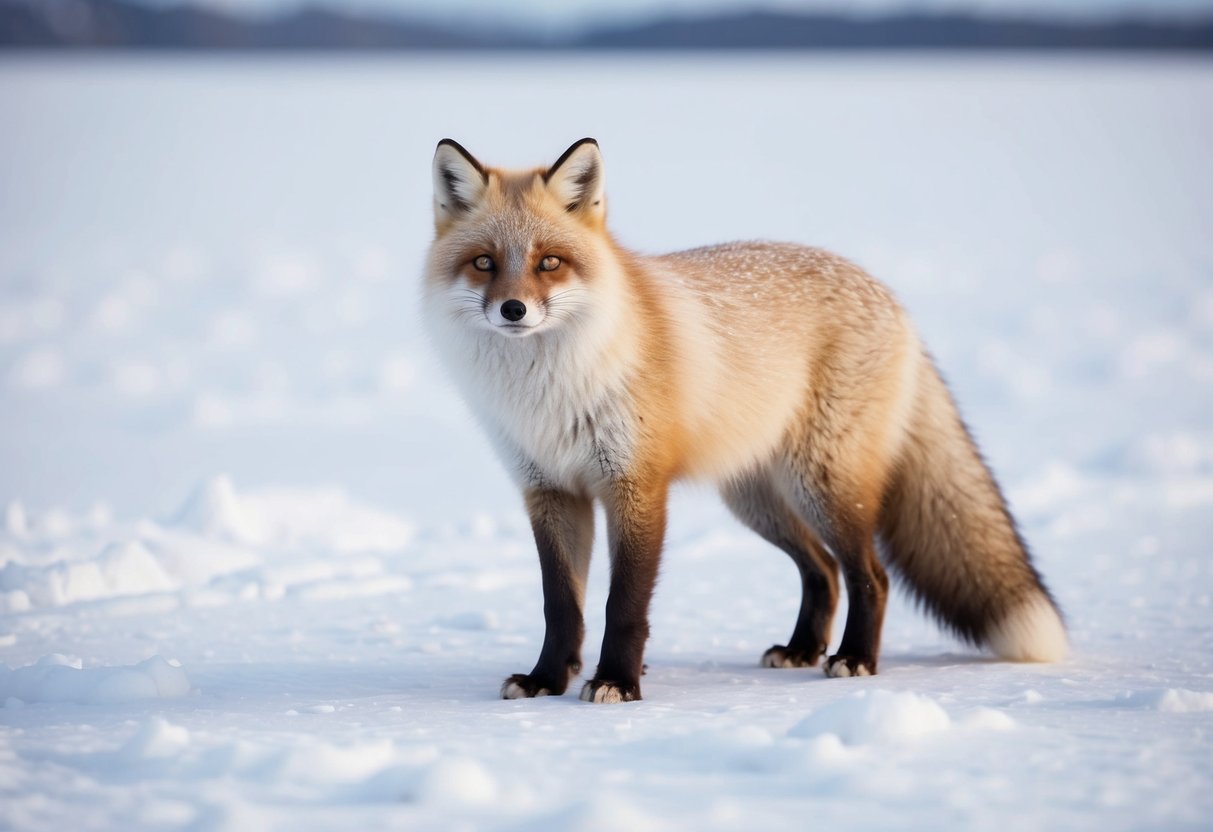
As temperatures drop, the Arctic fox’s fur becomes denser and fluffier, providing essential warmth and camouflage against the snowy landscape. You might be surprised to learn that this fur changes color with the seasons, shifting from white in winter to brown or grey in summer. This clever adaptation not only helps them maintain body heat but also aids in hunting and hiding from predators.
Exploring the unique qualities of Arctic fox fur reveals the incredible ways these animals have adapted to survive. Their fur is not just about looks; it’s a vital part of how they manage to live in such extreme conditions, showcasing nature’s ingenuity at its finest.
Physical Characteristics and Adaptations
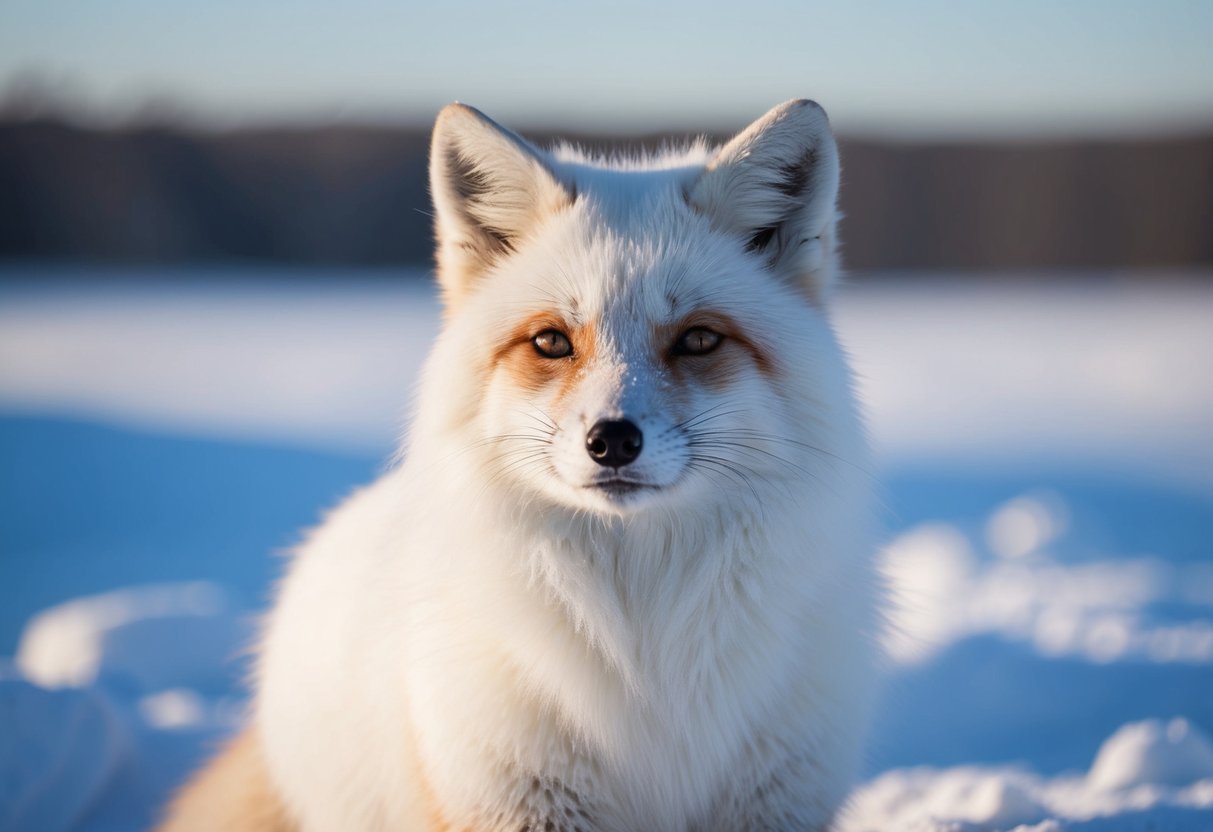
The Arctic fox has remarkable physical traits that help it thrive in extreme cold. Its fur plays a crucial role in insulation and camouflage, allowing it to survive harsh winter conditions. You’ll find that the unique features of Arctic fox fur are essential for maintaining its body temperature and aiding in its hunting tactics.
Insulating Properties of the Fur
The thick fur of the Arctic fox is designed to trap heat. This insulating layer is crucial for keeping the fox warm in freezing temperatures, often dropping below -30°C (-22°F).
- Compact Bodies: These foxes have small, compact bodies that minimize heat loss.
- Winter Coat: During winter, their fur is particularly dense, providing excellent insulation.
When spring arrives, Arctic foxes shed their winter coat, replacing it with a lighter summer coat. This change helps them remain cool when temperatures rise. The fur’s thickness helps them survive without much energy expenditure, making it vital for winter survival tactics.
Color Changes for Seasonal Camouflage
The Arctic fox has a unique ability to change its fur color. In winter, it sports a white coat, blending perfectly with the snowy landscape.
- This camouflage is essential for hunting and avoiding predators.
- In summer, its fur turns to a blue-gray color, allowing it to blend into the tundra vegetation.
This color adaptation aids in both survival and hunting efficiency. The ability to change color helps maintain the advantage when searching for prey or hiding from threats. The Arctic fox’s fur is not just about keeping warm; it’s also about staying safe and effective in its natural habitat.
Habitat and Distribution
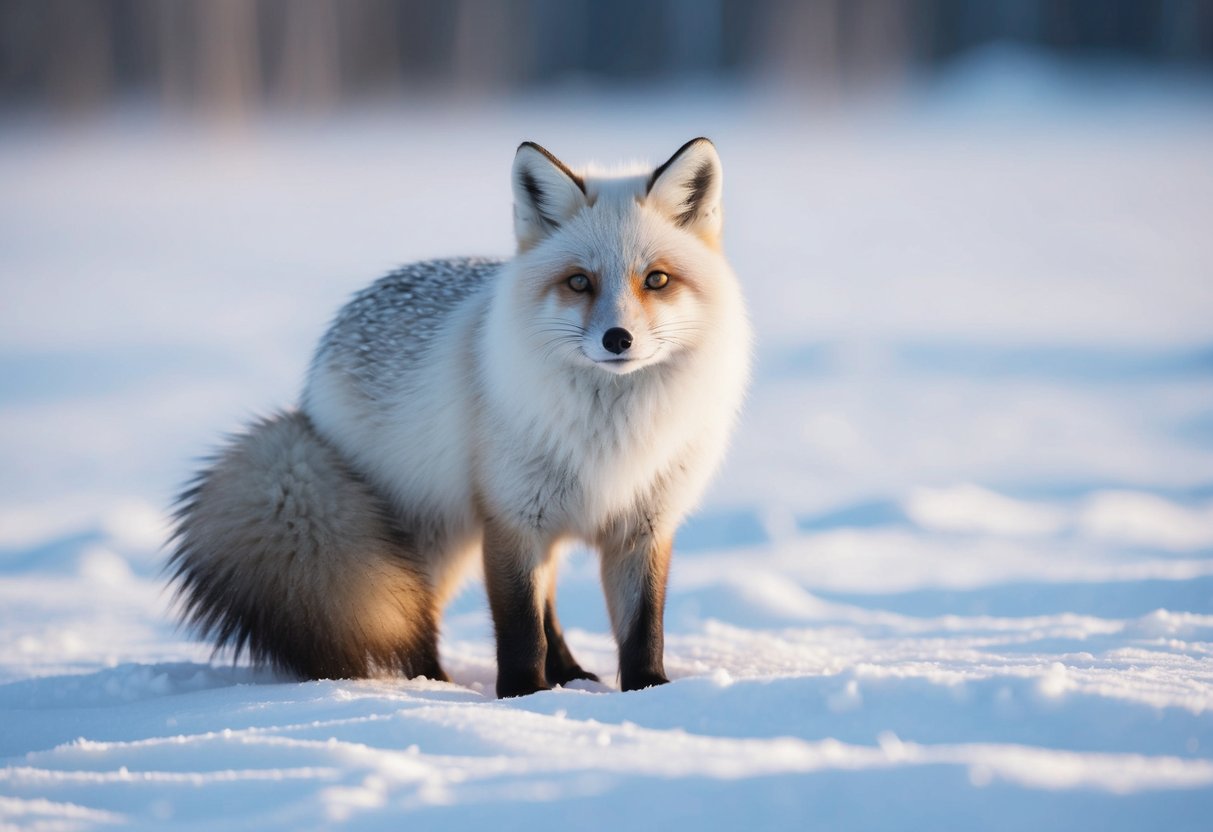
Arctic foxes have a special connection to their cold environments. They thrive in the Arctic region, where snow and ice create unique habitats. However, rising temperatures and climate change are affecting their living spaces.
Native Regions and Ecosystems
You will find Arctic foxes mainly in areas like Alaska, Canada, Iceland, Russia, and Greenland. These creatures are perfectly adapted to the Arctic tundra, which is a cold ecosystem filled with snow and ice.
The tundra features low vegetation, including shrubs, mosses, and grasses. This habitat provides Arctic foxes with food sources, such as small mammals, birds, and carrion. Their thick fur allows them to survive in temperatures as low as -70°C (-94°F).
In these cold environments, the Arctic fox plays a crucial role in the ecosystem. They help control the populations of the small animals they hunt, contributing to a balanced food web.
Impact of Climate Change
Climate change poses a serious threat to Arctic foxes. As temperatures rise, snow cover is decreasing, which affects their habitat. The melting of sea ice can limit their ability to find food and shelter.
With less snow, they become more vulnerable to predators like golden eagles and larger foxes. The changing landscape may also impact their breeding patterns.
Conservation efforts are important to protect the Arctic fox population. By addressing climate change and preserving their natural habitats, we can help ensure that these unique animals remain a part of the Arctic ecosystem for years to come.
Diet, Hunting, and Survival Strategies
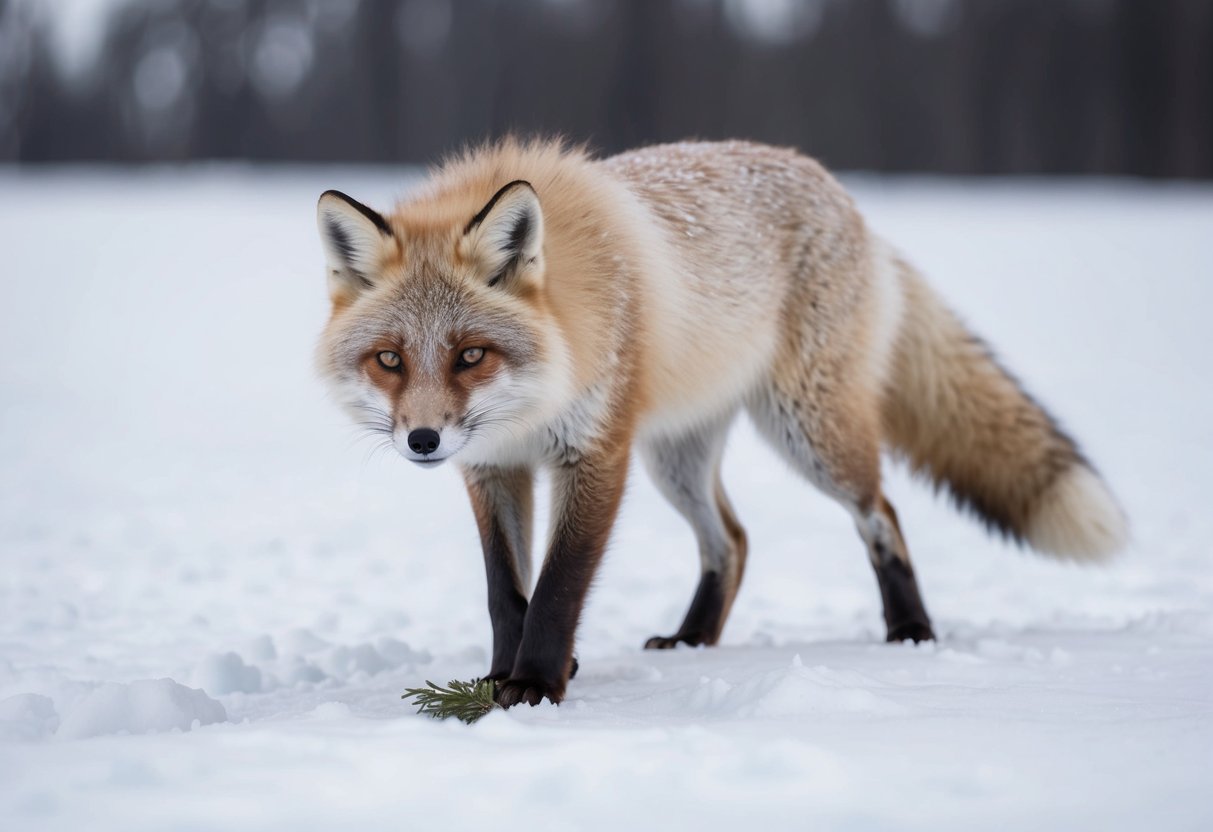
Arctic foxes have smart ways of finding food and adapting to their environment. They use various skills to hunt and eat, making the most of what is available in the harsh Arctic landscape.
Predation and Prey
Arctic foxes primarily hunt small mammals like lemmings, which are a significant part of their diet. During peak lemming seasons, these foxes can catch a lot more, ensuring they have enough food to survive.
In summer, their diet shifts to include birds, fish, and even insects. They also scavenge for carrion, which can be vital when food is scarce.
It’s interesting to note that their white fur helps them blend in with the snow, making them stealthy hunters. They sometimes travel far to find food, showing great resilience in the face of challenges.
Adaptive Eating Habits
Being omnivores, Arctic foxes adapt their eating habits based on what’s available. In winter, they rely heavily on small mammals, while in warmer months, they might eat berries and other plants.
Arctic foxes are great scavengers. They often follow polar bears to feed on leftover carcasses, which helps them during lean times. This flexibility in diet aids their survival in a changing environment.
Their ability to adjust hunting techniques, like pouncing on buried prey under snow, showcases their cleverness and adaptability.
Reproduction and Social Behavior
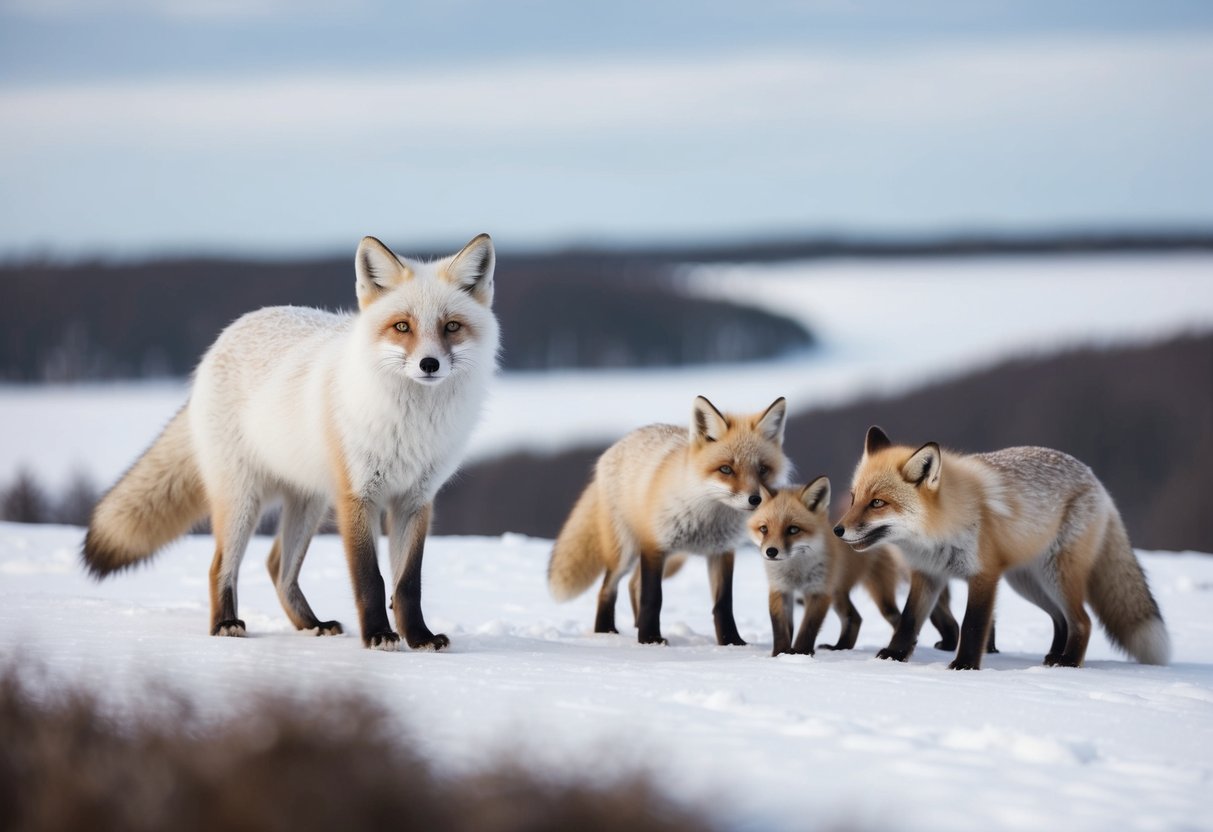
Arctic foxes have interesting social structures and reproduction habits. Their family life and caring nature play a significant role in their survival in harsh conditions. You will find that their breeding and social interactions are both unique and beneficial for raising their young.
Breeding and Raising Kits
The breeding season for Arctic foxes occurs from late March to early June. During this time, they often find a snow den where the female gives birth. A typical litter can range from 5 to 10 kits, weighing about 100 to 200 grams at birth.
Both parents share the responsibility of raising their young. The male hunts to provide food, while the female tends to the kits, keeping them warm and safe. Kits begin to venture outside the den around three weeks of age, growing quickly and learning essential survival skills from their parents. This teamwork ensures the kits are well-prepared for life in the wild.
Social Structure and Interaction
Arctic foxes generally form strong pair bonds and are generally monogamous. These partnerships help them effectively care for their young and enhance their chances of survival in their environment. They live in social groups called skulks, often consisting of a breeding pair and their offspring.
In a skulk, you may observe playful behaviors as young foxes interact with their siblings. This play is crucial for developing their hunting skills.
Communication is important among Arctic foxes. They use different sounds and body language to express their feelings, reinforcing their social bonds. Their compact bodies and fluffy tails not only help them adapt to the cold but also play a role during social interactions, as they communicate using various postures and movements.


