
When you think about adorable animals in the Arctic, you might picture the charming arctic fox, also known as vulpes lagopus. These small creatures have thick fur and playful personalities that make them quite fascinating. You may wonder, are arctic foxes friendly to humans? The truth is, while they are not considered aggressive, they naturally shy away from human interaction.
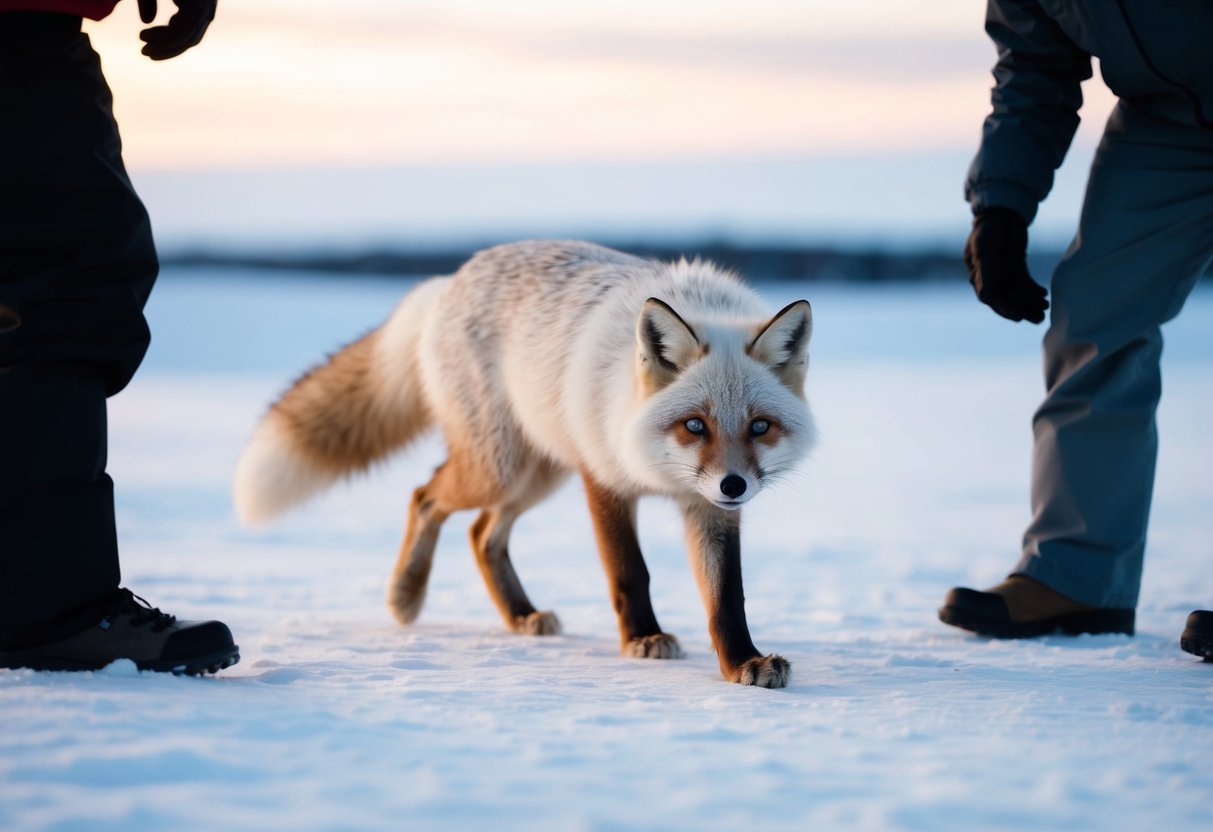
Living in remote places with limited human contact, arctic foxes often perceive people as threats. This means that when you come across one in the wild, they are likely to run away or hide. Yet, there are instances where urban arctic foxes adapt and become more comfortable around people. They can learn to coexist in areas where they find food and shelter.
Understanding arctic fox behavior helps you appreciate these remarkable animals. Though they might not approach you like pets, recognizing their uniqueness and the environment they thrive in can deepen your admiration for them.
Understanding the Arctic Fox

The Arctic fox is a fascinating creature that thrives in some of the harshest environments on Earth. This section will explore their habitat, behavior, physical traits, and diet, giving you a clearer picture of these cute foxes.
Habitat and Distribution
Arctic foxes live in the Arctic tundra, which includes regions in Alaska, Canada, Greenland, Norway, Finland, and Russia. They adapt well to the cold and often make their homes in burrows to protect themselves from harsh weather.
These foxes have a wide range across the tundra, where temperatures can drop extremely low. The Arctic tundra supports a unique ecosystem, and the Arctic fox plays a crucial role in it. You might spot them in icy landscapes and rocky outcrops, showing just how well they’ve adapted to their surroundings.
Behavior and Social Structure
Arctic foxes are mostly solitary or found in small family groups. They do not form large packs like some other canids. When breeding, a pair may raise their young together, often in a den.
These clever animals communicate through a variety of vocalizations. You’ll find that they can be quite playful, often engaging in chasing and pouncing games. They have a unique hunting technique called “moussing,” where they leap into the snow to catch hidden prey.
Physical Characteristics
Arctic foxes are smaller and stockier than many other fox species. Their compact bodies help reduce heat loss, making them well-suited to cold climates. They usually have a woolly coat that changes color with the seasons, turning white in winter and brown in summer.
An adult Arctic fox measures about 46 to 68 cm (18 to 27 inches) in length, adding an extra 30 to 35 cm (12 to 14 inches) for their tail. They weigh between 3 to 9 kg (6.6 to 19.8 pounds), with males generally being larger than females. This unique body structure helps them thrive in their harsh environment.
Diet and Prey
As omnivores, Arctic foxes eat a variety of foods. Their diet mainly consists of lemmings, a key prey species. The population of lemmings often affects Arctic fox numbers, as these foxes rely heavily on them for food.
In addition to lemmings, they also consume hares, small rodents, birds, and seal pups. Arctic foxes have been known to scavenge from larger predators like polar bears and wolves, taking advantage of leftovers. Their varied diet helps them survive during the colder months when food is scarce.
Interactions with Humans

Arctic foxes generally avoid human interaction. However, it’s interesting to explore how domestication and captivity affect their behavior. Understanding these dynamics helps you grasp the nature of wild and domesticated foxes.
Domestication and Domesticated Foxes
Domesticated foxes are not the same as wild arctic foxes. While some foxes can become friendly and playful in a home environment, this usually comes from generations of breeding. A famous example is the Russian domestic fox project that shows how foxes can become tamer through selective breeding.
Tame foxes can interact positively with humans. They often display a playful nature similar to house pets. However, they still retain instincts that remind you they are wild animals. This combination makes them different from typical domestic animals like cats and dogs.
Arctic Foxes in Captivity
Arctic foxes are usually not friendly towards humans. In captivity, they may become more accustomed to people, but they won’t seek interaction. Since they are wild animals, they retain a natural wariness. Most arctic foxes in captivity prefer to stay at a distance.
Caring for them requires understanding their needs and behaviors. You need to provide enrichment to keep them stimulated, as they can become bored easily. They are not like traditional pets that seek human attention or cuddles. Instead, they may observe you from afar and react cautiously.
Wild Encounters and Safety
When you encounter wild arctic foxes, it’s essential to be cautious. These animals are not aggressive by nature, but they can act defensively if they feel threatened. It’s best to admire them from a distance and avoid approaching.
Foxes are opportunistic feeders and might come closer in urban areas where food is available. This can lead to misunderstandings where people perceive them as dangerous. Remember, wild arctic foxes can carry diseases like rabies. Keeping a safe distance ensures both your safety and theirs.
Conservation and Population
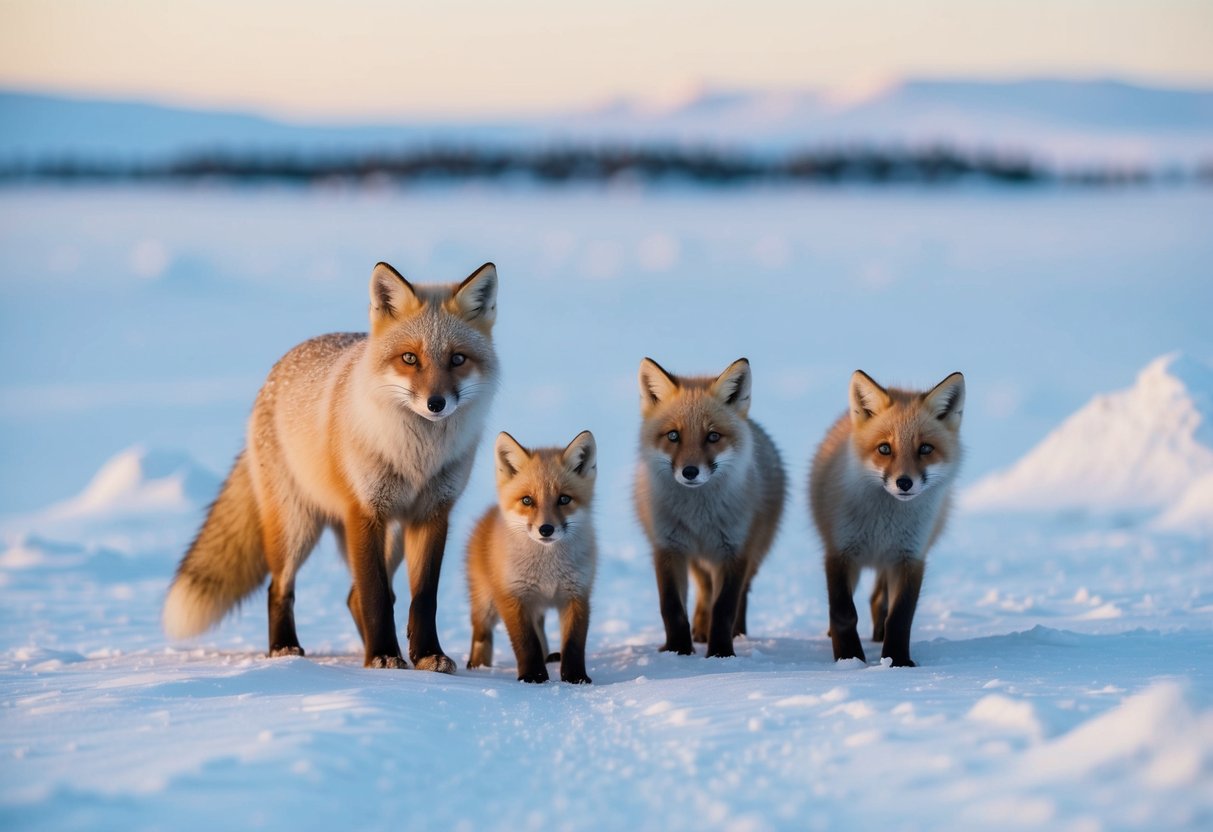
The Arctic fox faces various environmental threats that impact its population. Conservation efforts aim to address these challenges and help stabilize numbers in the wild. Understanding these factors is crucial for appreciating these beautiful animals.
Environmental Threats and Adaptations
Arctic foxes navigate a world filled with challenges. Climate change poses a significant threat by altering their habitat. Melting ice and changing prey availability can disrupt their food sources.
Human activities, including development and hunting, further threaten their survival. In some cases, they are viewed as nuisances, leading to misguided control measures.
Despite these challenges, Arctic foxes have remarkable adaptations. Their thick fur helps them survive harsh winters, while their compact bodies minimize heat loss. These features allow them to thrive in some of the most extreme conditions on Earth.
Conservation Status
The International Union for Conservation of Nature (IUCN) categorizes Arctic foxes as “Least Concern,” but that doesn’t mean they are free from threats.
Specific populations, especially in certain regions, are endangered due to habitat loss and competition with larger predators.
Conservation efforts focus on protecting their habitats and mitigating human impact. Reducing hunting and limiting fur farms can help.
You play a role, too, by supporting wildlife protection initiatives. Every bit helps to ensure a stable population of Arctic foxes in the wild.


