
Arctic foxes, also known as Vulpes lagopus, are fascinating creatures that thrive in some of the most extreme conditions on Earth. They can live in groups, but they are not strictly pack animals like wolves. Instead, you might find them forming small family units or living as solitary individuals, depending on the season and availability of resources.
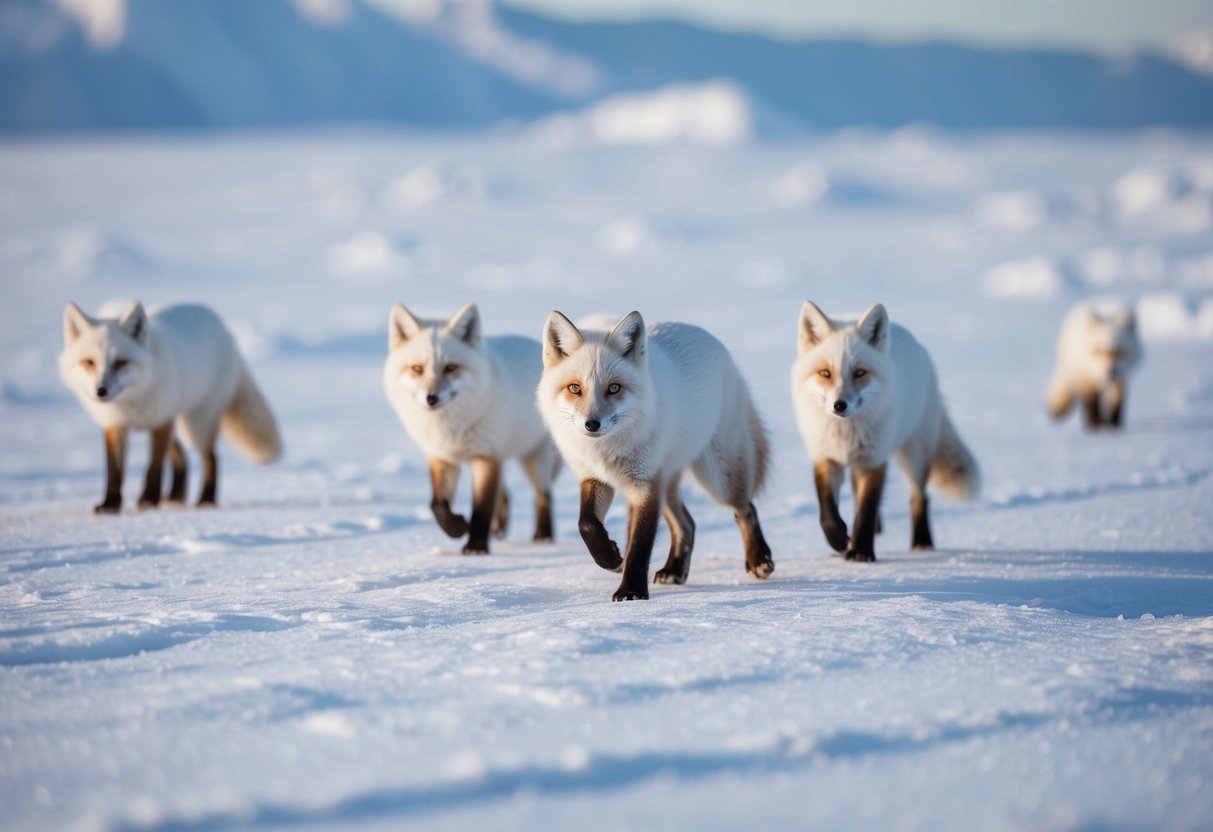
These adaptable animals are well-equipped for life in the tundra and Arctic regions, boasting thick fur that changes color with the seasons. In winter, their white coat provides camouflage against the snow, while in summer, it turns brown or gray. This ability helps them hunt and evade predators, making them truly remarkable survivors in a harsh environment.
If you’ve ever wondered about the social lives of animals in icy habitats, arctic foxes offer a unique perspective on how some species balance social behavior with independence. Their behavior in groups can vary based on circumstances, making them both intriguing and adaptable.
Arctic Fox Social Structure

Arctic foxes have a unique social structure that includes both family groups and specific breeding behaviors. Understanding these aspects helps you appreciate how they interact within their environment.
Family Groups and Solitary Behavior
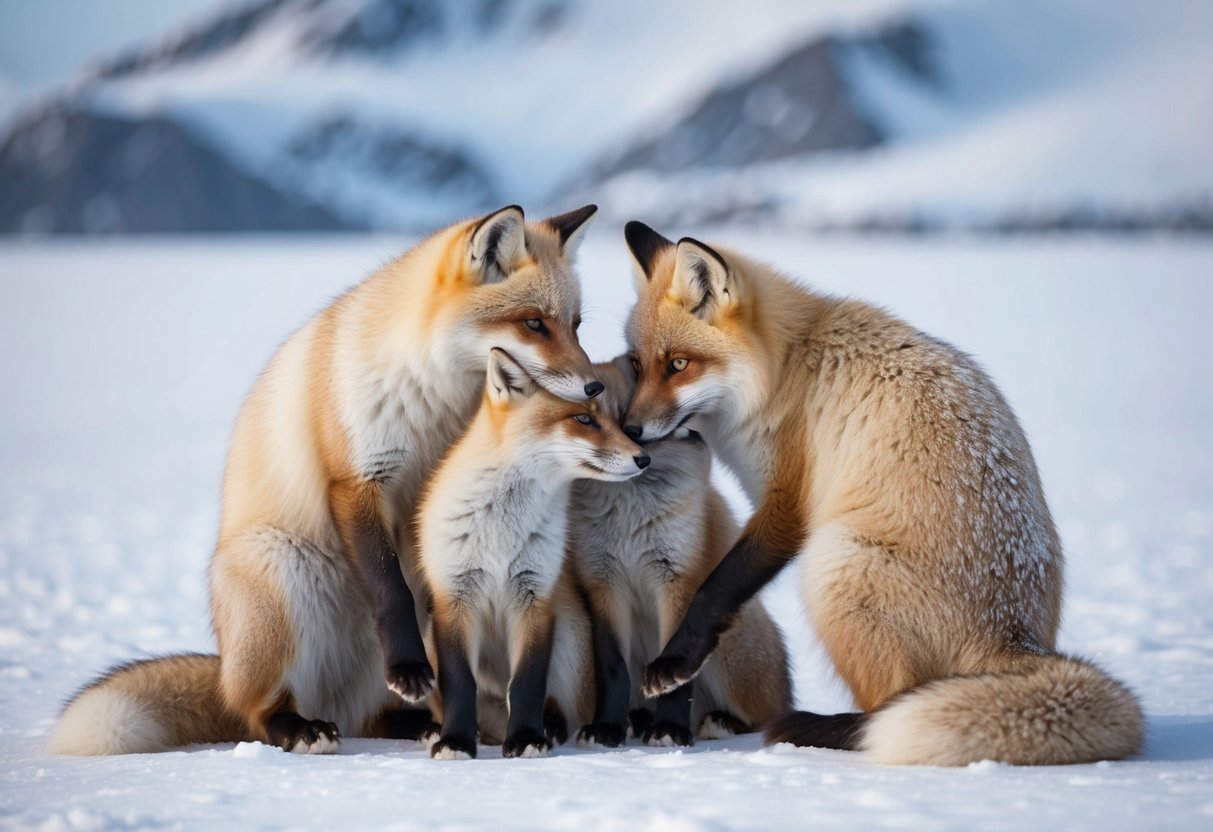
Arctic foxes often live in family groups known as packs. These packs can consist of up to 20 individuals, with a mated pair usually leading them. Their offspring, known as kits, stay with the pack, helping to care for younger siblings. The group works together to hunt for food and protect their territory.
In some situations, you may find Arctic foxes acting alone. Solitary behavior can occur, especially when food is scarce or during certain seasons. When hunting, a lone fox might be more efficient, seeking small mammals or scavenging for leftovers.
Breeding Pairs and Mating
Arctic foxes are monogamous, meaning they mate for life. During the breeding season, which occurs between February and March, the mated pair strengthens their bond. They work together to dig and maintain their dens, where they will raise their young.
Typically, a female Arctic fox gives birth to a litter of 5 to 8 kits, though there are rare cases of up to 25. Both parents play an active role in caring for their young. They provide food and protect them as they grow, ensuring the kits learn essential survival skills before venturing out on their own.
Survival in the Arctic Tundra
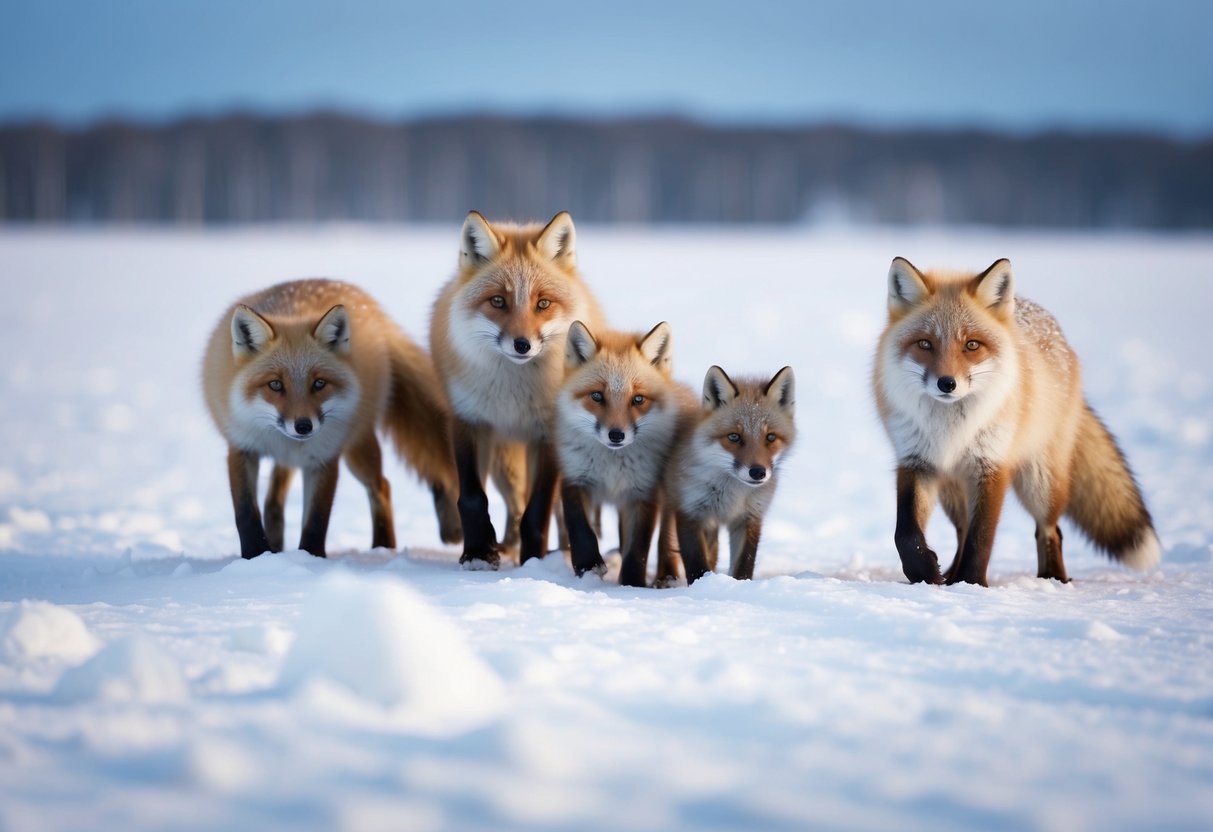
Arctic foxes have unique adaptations that help them thrive in the harsh conditions of the tundra. Their survival depends on how they cope with seasonal changes, find food, and avoid predators. Understanding these aspects gives you insight into the life of these remarkable animals.
Adapting to Seasonal Changes
Arctic foxes have thick fur that insulates them against extreme cold. In winter, their fur turns white, providing excellent camouflage in the snow. This shift helps them blend in with their surroundings, making it easier to hunt.
As seasons change, so does their diet. In summer, the tundra’s colors become more varied, and their fur shifts to gray or brown for better concealment. The ability to change color not only aids in hunting but also helps protect them from predators like polar bears or red foxes.
Hunting Techniques and Diet
Hunting is essential for Arctic foxes, especially during food scarcity. Their main prey consists of small mammals like lemmings. They use keen hearing and excellent eyesight to locate these animals under the snow.
Once they spot their prey, they employ a pouncing technique, jumping high to break through the snow. Their sharp claws help grip ice, allowing them to dig quickly. In addition to lemmings, they may also scavenge on remains left by larger predators, maximizing their food sources in the cold climate.
Predation and Threats
While Arctic foxes are skilled hunters, they also face several threats. Predators such as polar bears and red foxes can pose a danger, particularly to young foxes or those caught off guard. Their ability to camouflage helps them evade detection.
Climate change has further complicated their survival. As temperatures rise, their habitat faces shifts in prey availability and increased competition. Food scarcity can become a serious issue, making adaptability crucial for their continued survival in changing conditions.
Habitat and Geographical Distribution
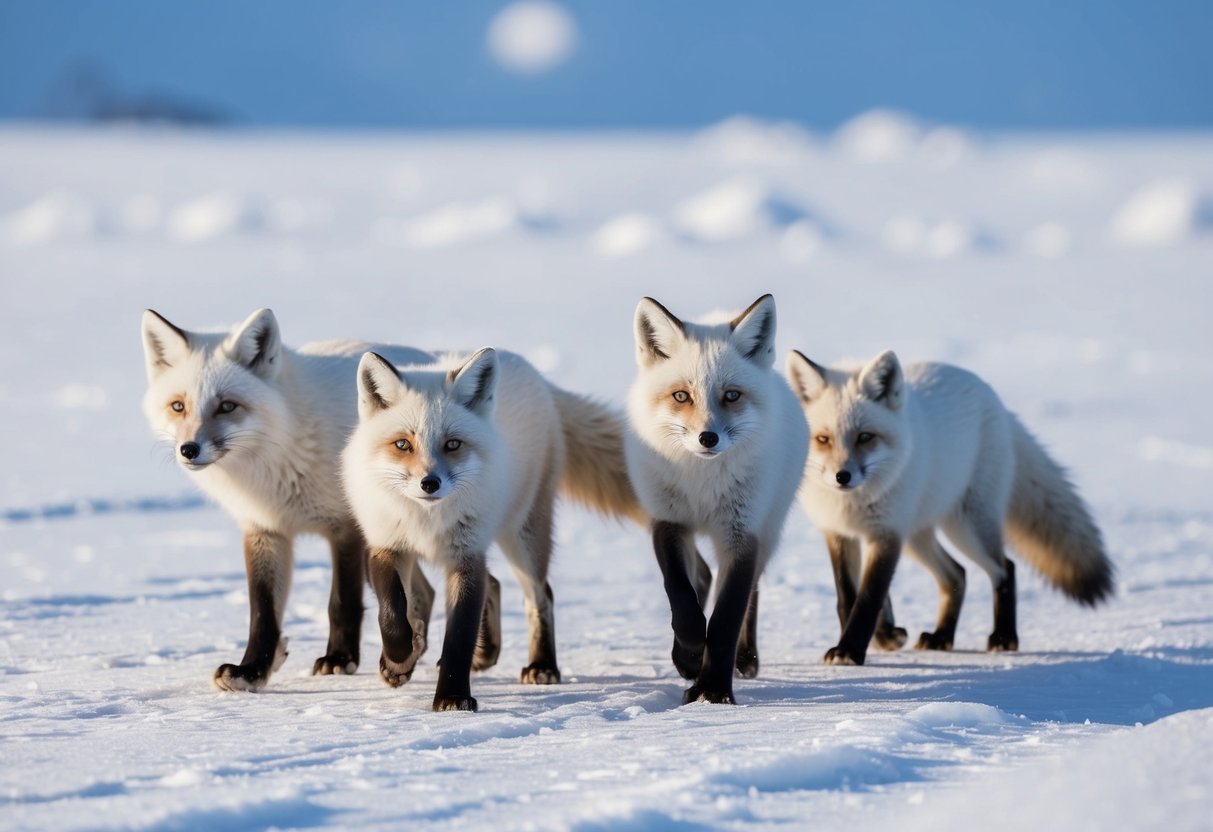
Arctic foxes live in unique environments that offer protection and resources for survival. Their habitats vary from cold tundras to coastal areas across the Northern Hemisphere. Let’s explore where these fascinating creatures are found, including specific regions and types of tundra.
Arctic Tundra and Coastal Areas
The Arctic tundra is the primary habitat for Arctic foxes. It is characterized by cold temperatures and a short growing season. The ground is often permafrost, which means it remains frozen beneath the surface.
You can find these foxes thriving in the tundra of regions like Canada, Alaska, and Greenland. Lush grasses and flowering plants appear briefly during the summer, providing food for foxes.
Coastal areas are also important habitats for Arctic foxes. They often hunt near the sea and rely on marine resources. In places like Svalbard and the coastal regions of northern Russia, Arctic foxes adapt well to their surroundings.
Population Spread across Regions
Arctic foxes have a wide geographical distribution. They are found throughout the Northern Hemisphere, covering diverse areas such as Fennoscandia, Iceland, and various parts of Europe.
In North America, their population can be observed across regions like Alaska and Canada. The unique adaptability of these foxes allows them to thrive in varied habitats, from alpine tundra to sea coasts.
Their presence is crucial for the ecosystem, as they help control the population of small mammals. Even with their adaptability, some local populations face challenges due to climate change and habitat loss.
Conservation and Human Interaction
You might be curious about how conservation efforts impact Arctic foxes and how these animals interact with humans. Their survival is influenced by both environmental changes and human activities.
Environmental Impact and Protective Measures
Arctic foxes face several threats, including habitat loss due to climate change. As temperatures rise, their icy homes are shrinking, affecting their ability to hunt and find shelter.
To help protect these foxes, various conservation measures are in place. Protected areas have been established to preserve their habitats. These areas limit human activities that could harm the foxes, like hunting and habitat destruction.
Organizations also monitor Arctic fox populations. By studying their habits and living conditions, they can develop better strategies to help them thrive. Raising awareness about the importance of Arctic ecosystems is also vital.
Arctic Foxes in Captivity
Some people think about keeping Arctic foxes as pets, but it’s important to know they are not domesticated animals. In the wild, they roam large territories, which is hard to replicate in homes.
Captive breeding programs strive to maintain healthy Arctic fox populations. These programs help protect the species from extinction and educate the public about their needs.
Captive Arctic foxes can adapt to human care, but they still require specialized environments and diets. Efforts are made to simulate their natural conditions as closely as possible. This helps them thrive and raises awareness about the challenges they face in the wild.


