
Arctic foxes are fascinating creatures that adapt remarkably to life in extreme environments. These small furballs, known scientifically as Vulpes lagopus, are not only cute but also surprisingly agile. Arctic foxes can run at speeds of up to 31 mph (50 km/h) for short distances. This ability helps them escape from predators and catch their food in the chilly habitats they call home.
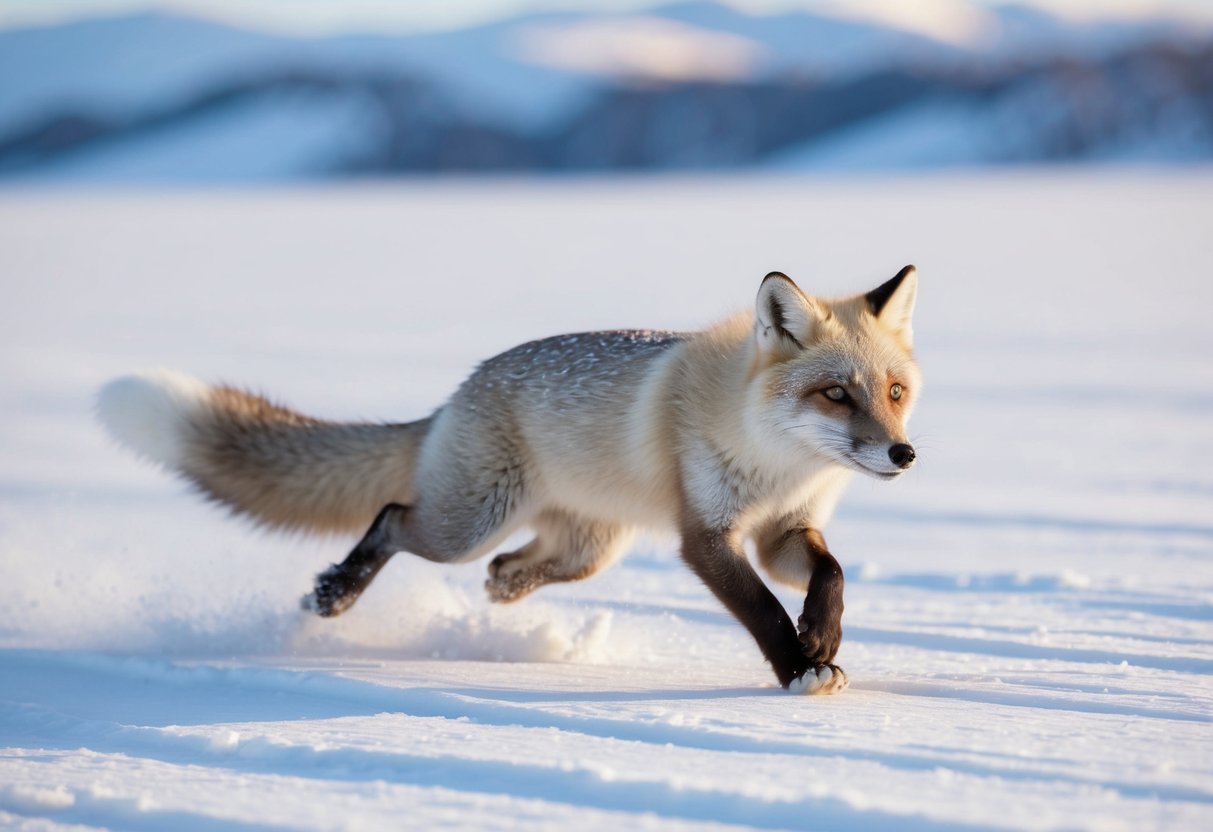
Living in the harsh Arctic tundra, these foxes have developed skills to thrive in snow and ice. Their thick fur provides insulation, and their keen hearing enables them to detect prey beneath the snow. This makes them skilled hunters and survivors in a place where food can be scarce. As you read on, you’ll uncover more about how their speed and adaptability play crucial roles in their daily life and survival.
Physical Characteristics of the Arctic Fox
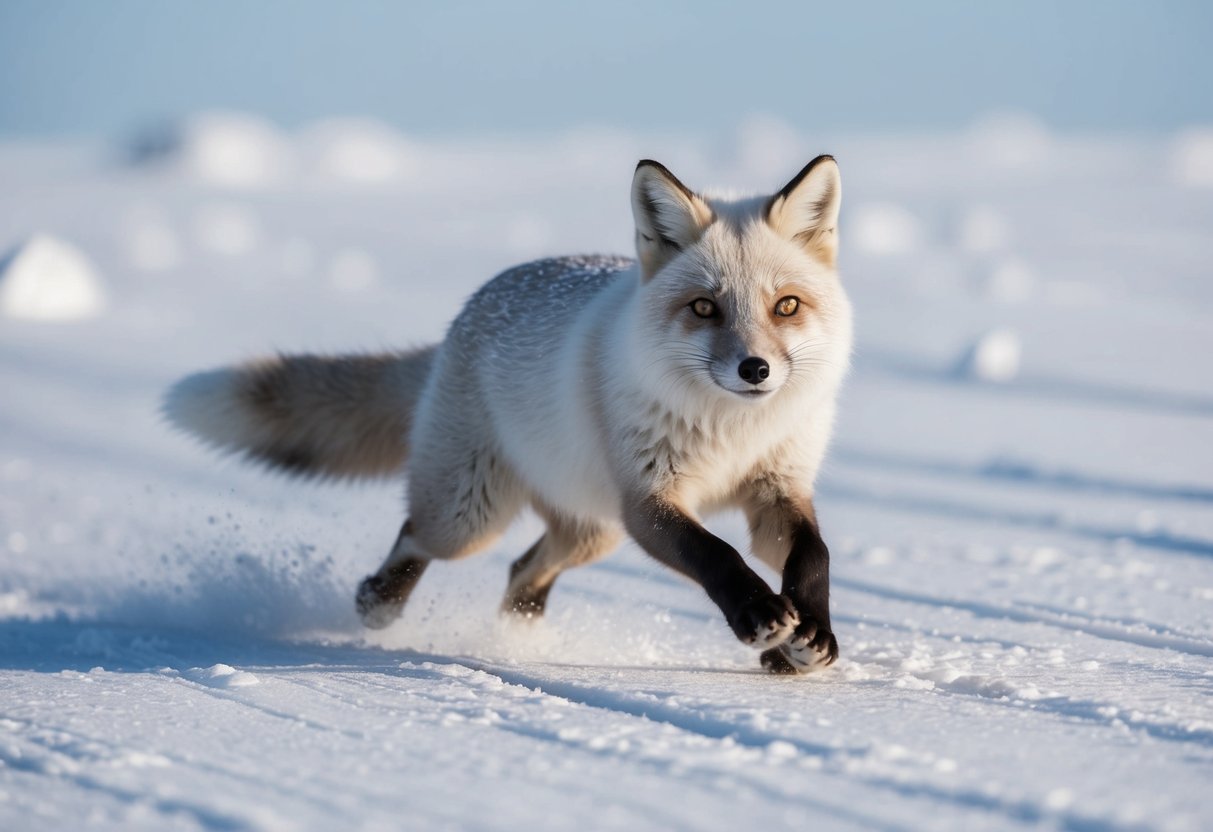
The Arctic fox has several physical traits that help it thrive in cold climates. Its adaptations for survival, along with its unique color morphs, play crucial roles in both staying warm and camouflaging from predators.
Adaptations for Arctic Survival
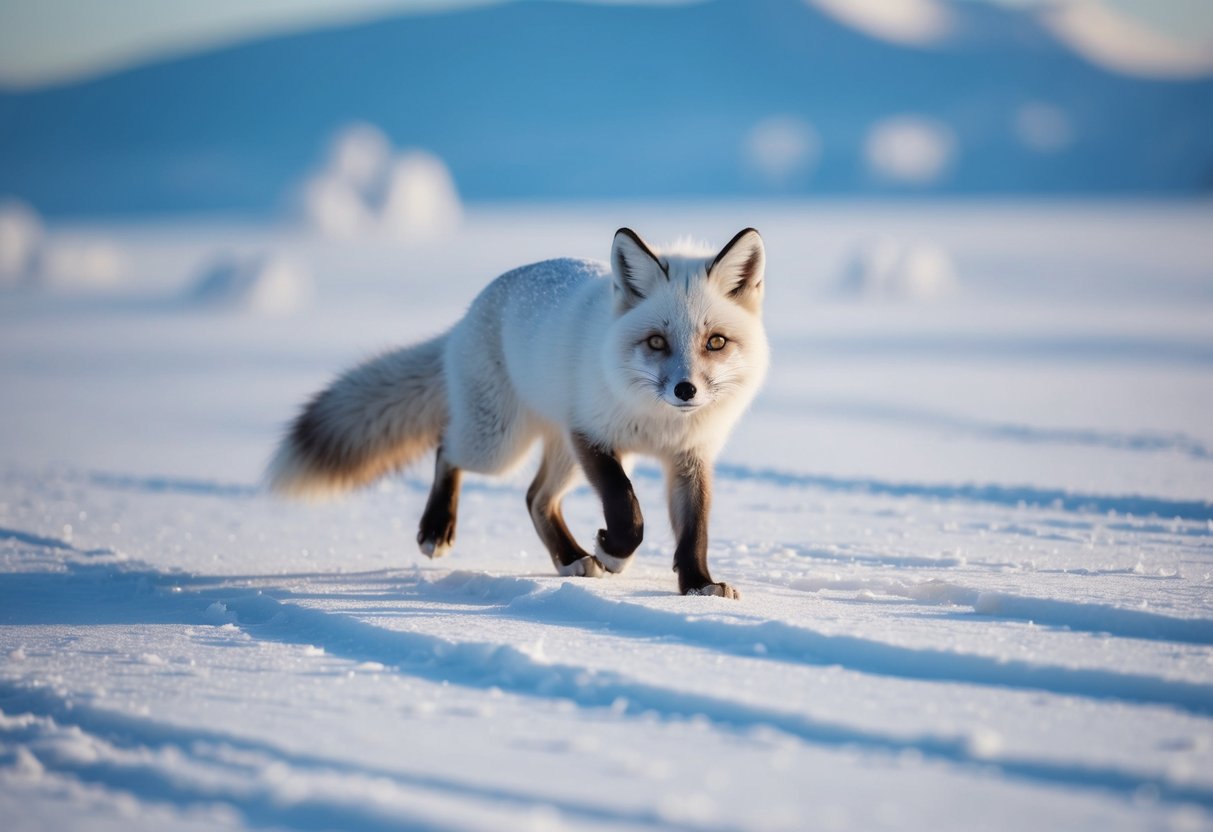
One of the most important features of the Arctic fox is its thick fur. This fur provides excellent insulation, keeping you warm in frigid temperatures. The winter coat is especially fluffy and dense, helping to minimize heat loss.
You might notice that Arctic foxes have short ears and a compact body. These characteristics reduce exposed surface area, which further helps them conserve heat. Their fluffy tail is not just for looks; it also serves as a blanket to cover their face and body during harsh weather.
Color Morphs and Camouflage
The Arctic fox comes in various color morphs. Most famously, they have a white coat during winter, allowing them to blend into the snowy landscape. This camouflage is essential for hunting and avoiding larger predators like polar bears.
In the summer, the fox sheds its white coat for a more muted brown or gray color, known as the blue Arctic fox variant. This change helps it remain hidden among the tundra’s rocks and grasses. Understanding these color changes can help you appreciate the Arctic fox’s clever adaptations for survival in its changing environment.
The Arctic Fox’s Hunting Behavior and Diet
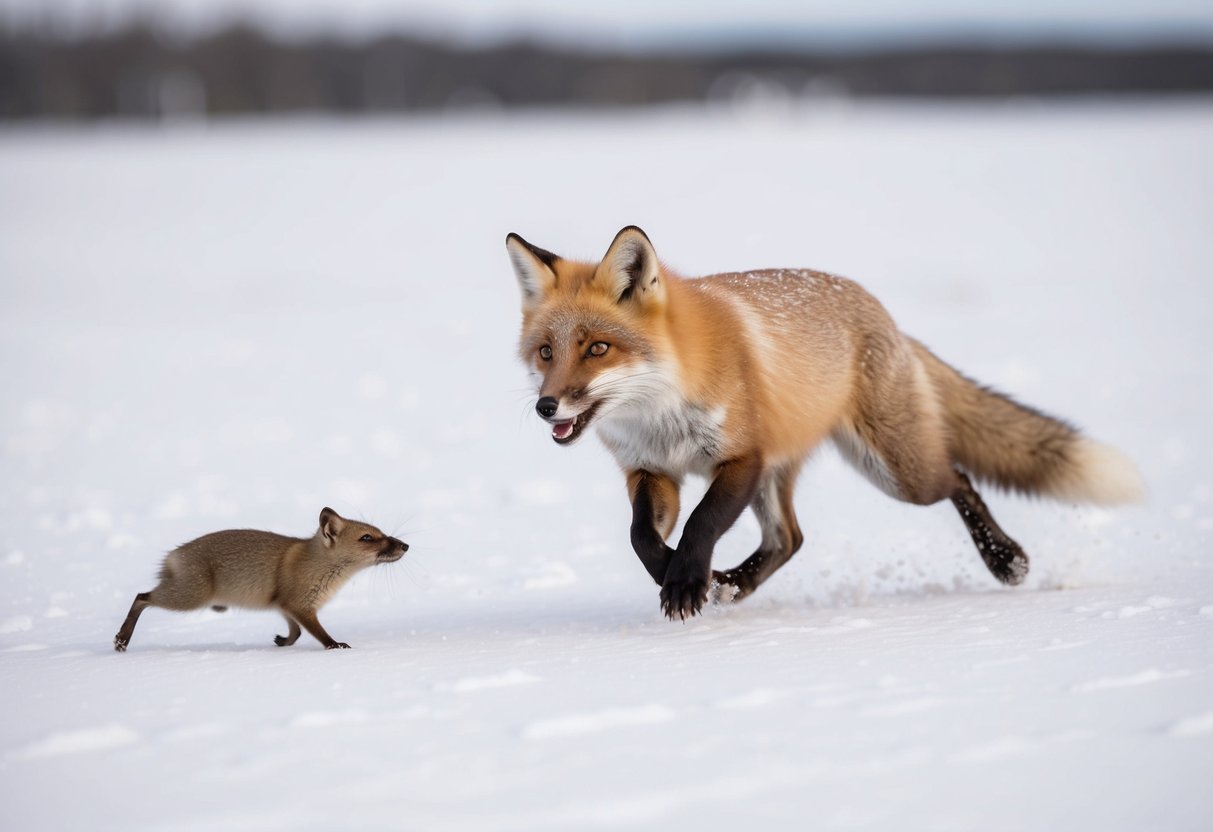
The Arctic fox has fascinating ways of finding and catching its food. Understanding their diet and hunting techniques can give you insight into their survival in harsh environments.
Dietary Habits
Their diet consists mainly of small mammals. Lemmings are a favorite meal, especially during their population peaks. You might also find them eating voles and other small rodents.
In addition to small mammals, Arctic foxes enjoy scavenging. They often feed on carrion, which consists of leftover carcasses from larger animals. This scavenging behavior helps them survive during the lean months when hunting is tough.
During certain times of the year, you can spot Arctic foxes consuming seabirds and their eggs. They are opportunistic eaters, making use of whatever food is available to them. In rare cases, they might hunt ringed seal pups if conditions allow.
Hunting Techniques and Prey
Arctic foxes have developed unique hunting techniques suited for their environment. They often employ a method called “freezing, where they stay still and listen for movement under the snow. When they pinpoint a target, they pounce, using their keen sense of hearing.
In addition to lemmings, they might target fish or small birds. Their speed, reaching up to 31 mph, helps them catch fast-moving prey. They are also skilled scavengers, eagerly consuming carcasses left by larger predators, like polar bears. This adaptability is key to their survival in the Arctic.
Hunting varies with the season, as food sources shift. In summer, they may rely more on scavenging, while in winter, they hunt under the snow. Such behaviors highlight their resourcefulness in challenging conditions.
Habitat and Distribution
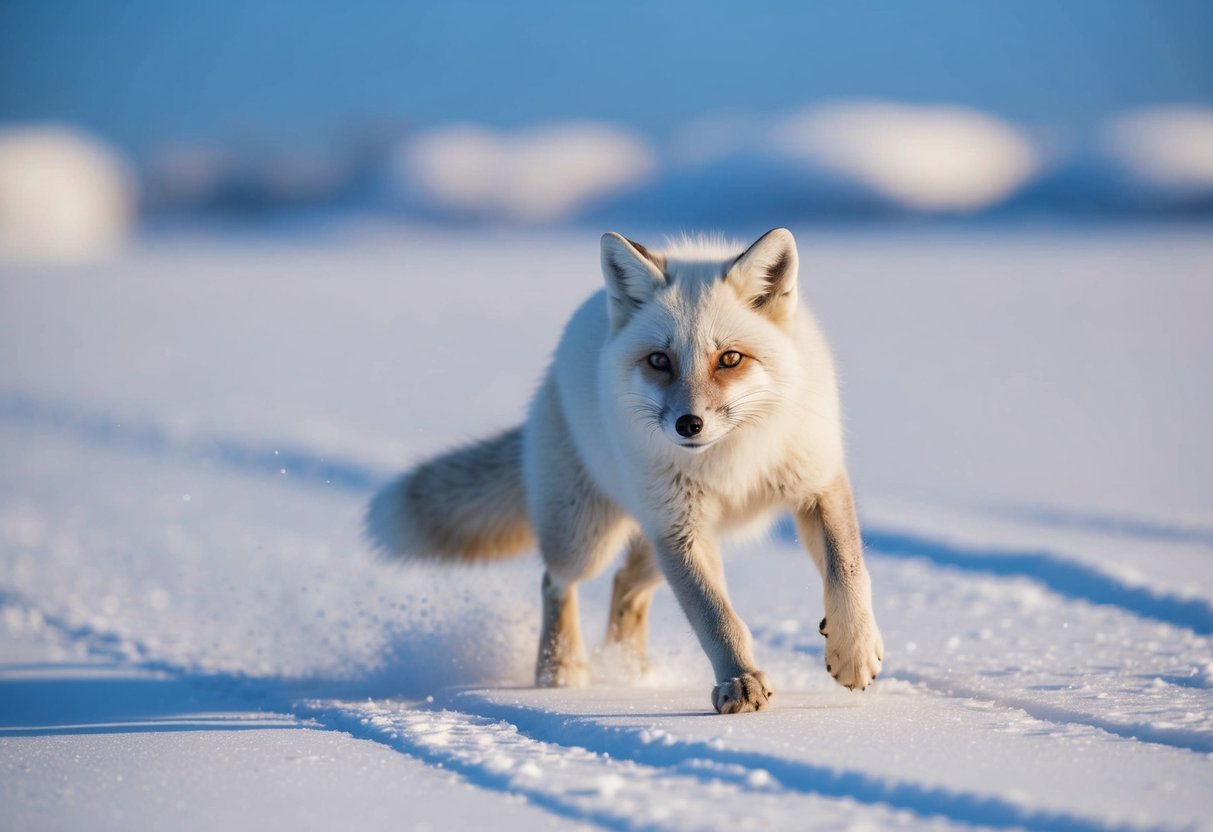
The habitat of Arctic foxes mainly includes harsh arctic regions and tundra zones. Understanding where they live helps you appreciate how they adapt to their environment. You will see how climate change impacts their habitat in this section.
Arctic Regions and Tundra
Arctic foxes thrive in tundra regions, where the landscape is mostly treeless. They are found across the Arctic, including parts of Alaska, Canada, Greenland, and Russia. These areas often have cold climates with permafrost and are characterized by low vegetation, shrubs, and grasses.
Arctic foxes often inhabit coastal areas and can be seen near sea ice. They use the ice to hunt for food, taking advantage of seals and other marine animals. Their homes are made in burrows that they dig in the ground, providing shelter from the harsh elements.
Impact of Climate Change
Climate change significantly affects the habitat of Arctic foxes. The melting of sea ice reduces their hunting grounds and impacts their prey availability. As temperatures rise, Arctic foxes compete with larger predators, like red foxes, for food and territory.
In addition, these changes can lead to habitat loss. As the tundra shifts, Arctic foxes must adapt or migrate. This pressure can make survival more challenging. Understanding these dynamics is crucial in protecting their future.
Conservation and Threats
When learning about the Arctic fox, it’s important to know their population status, natural predators, and how human activity affects their survival. This knowledge helps in understanding what keeps these charming creatures thriving in their harsh habitats.
Arctic Fox Populations
The Arctic fox is currently classified as a species of least concern by the IUCN. This means their population is generally stable, with over 630,000 individuals reported in recent assessments. These little foxes live in various regions across the Arctic tundra.
Their thick fur not only keeps them warm but is also highly sought after in fashion. This demand can threaten their populations. It’s essential to balance conservation efforts while respecting traditional practices.
Natural Predators and Human Impact
Arctic foxes’ natural predators include wolves, golden eagles, and wolverines. They can run up to 50 km/h to escape danger, but evading these skilled hunters can be tough.
Climate change also puts pressure on their habitat, leading to fewer resources.
Human impact is significant, too. Activities like mining and oil extraction disturb their environments and reduce food availability.
Protecting Arctic habitats is crucial to ensure the survival of the Arctic fox and other wildlife in the region.


