
Arctic foxes, or Vulpes lagopus, are fascinating creatures that thrive in the harsh tundra ecosystem. As you explore their diet, you may wonder about their eating habits, particularly when it comes to polar cod. While polar cod is not a primary food source for arctic foxes, they can eat it if the opportunity arises, especially when other food options are scarce.
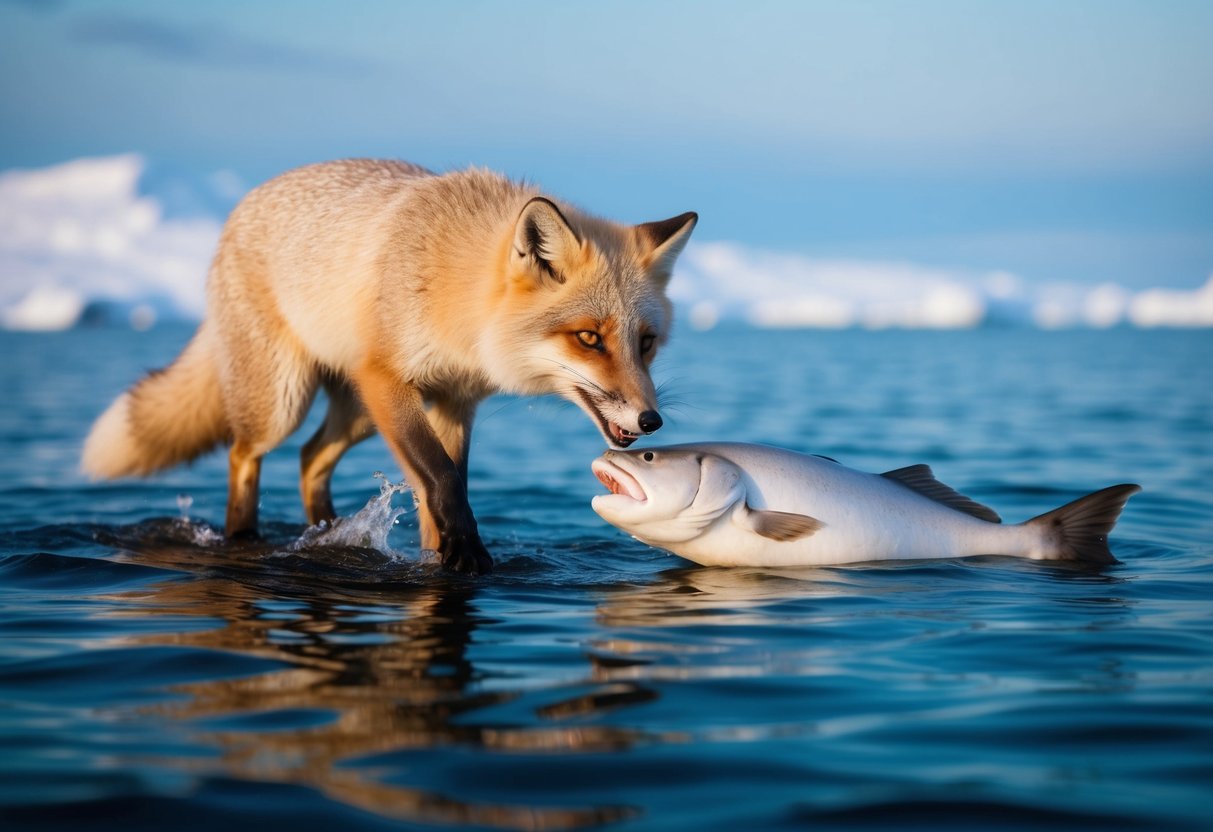
These clever animals have a varied diet that mainly includes small mammals, like lemmings, but they also consume marine invertebrates and birds. Their adaptability allows them to survive in an environment where food can be hard to find. Understanding what arctic foxes eat gives insight into their role in the Arctic food web and highlights how they fit into the delicate balance of their ecosystem.
If you’re curious about the specific dietary choices of these incredible creatures and how they respond to their surroundings, continue reading to learn more about the fascinating world of arctic foxes and their feeding habits.
Arctic Foxes’ Diet and Feeding Habits
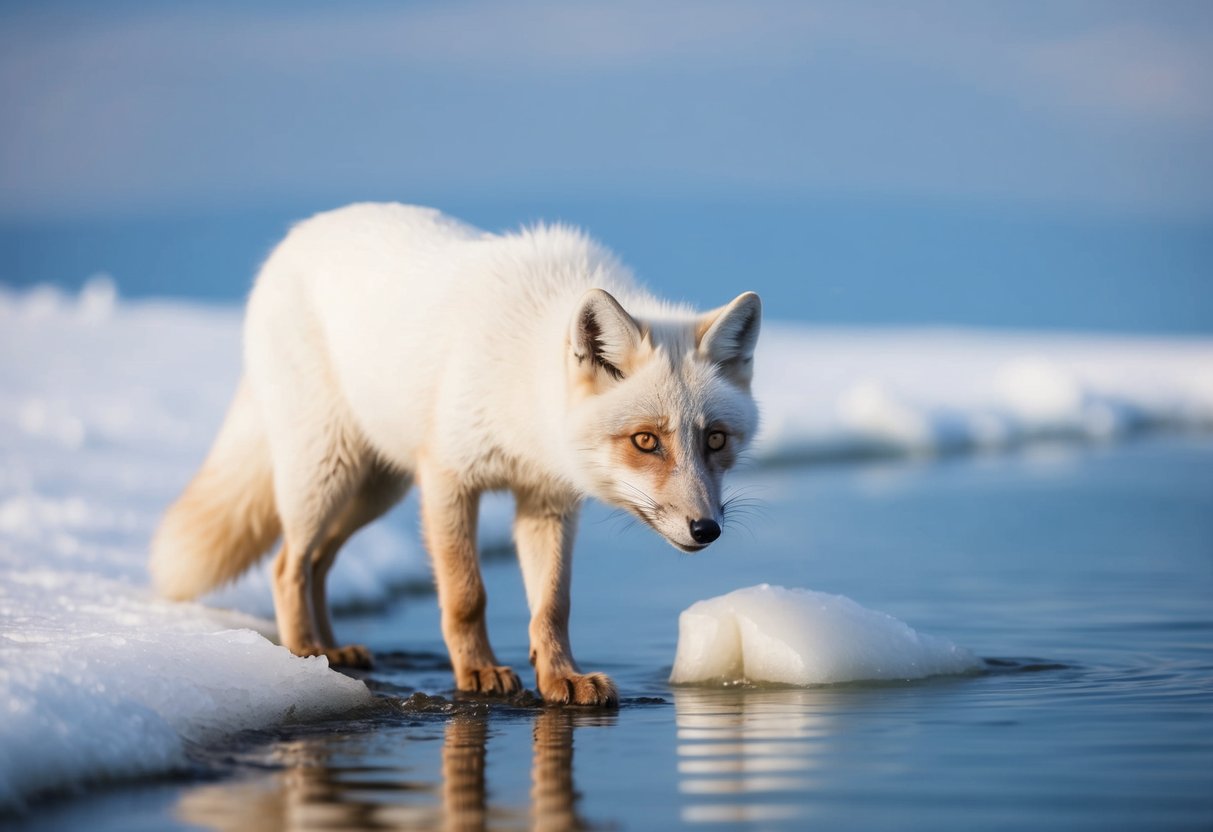
Arctic foxes have a diverse diet that adapts to their harsh environment. They are opportunistic feeders, which means they eat what is available based on the season. Understanding their feeding habits can give you insight into how these clever animals survive.
Primary Food Sources
Lemmings are one of the main staples in an arctic fox’s diet. These small rodents can make up a significant portion of their intake. On average, an arctic fox can eat around 12 lemmings a day during peak seasons.
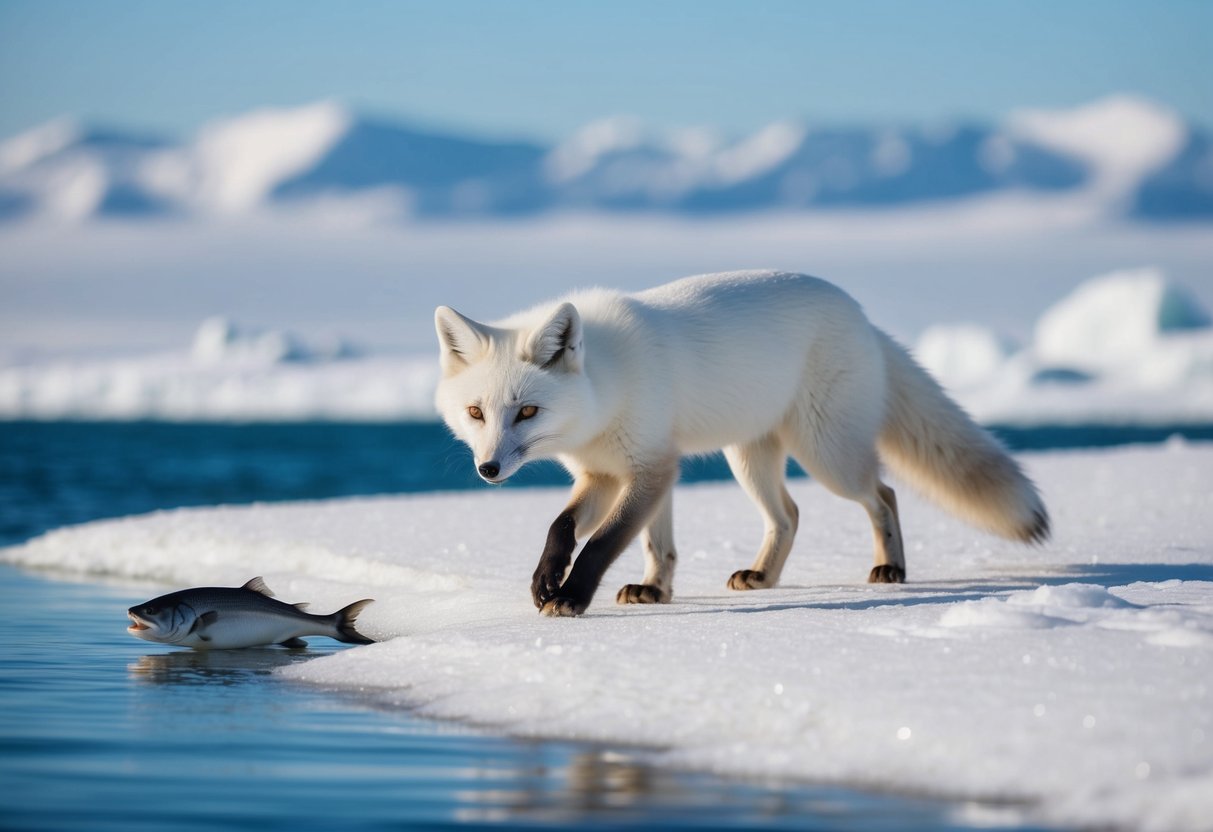
In addition to lemmings, they also consume rodents, such as voles, and small mammals. Fish, including polar cod, might be part of their diet when accessible. Arctic foxes also hunt birds and gather bird eggs, providing essential protein in their meals.
Seasonal Dietary Changes
The availability of food shifts with the seasons. In summer, arctic foxes may eat more berries, insects, and even carrion, which is dead animal matter. They take advantage of plant materials, like seaweed, especially when other food sources are limited.
In winter, their diet heavily relies on cached food. They can store surplus food in their dens or under stones to access later when hunting becomes challenging. This ability to store food is crucial for surviving the long, harsh winters.
Opportunistic Feeding Strategies
Being opportunistic feeders, arctic foxes adapt their diets based on what is available. They are known to scavenge, especially when other food sources are scarce.
You might find them eating carrion or leftovers from larger predators. Their flexible feeding habits allow them to consume a variety of foods, from insects to small mammals.
This adaptability is key to their survival in the Arctic, where conditions can be unpredictable. Thank their keen instincts for their ability to thrive in such a tough environment!
Hunting Tactics and Predatory Competition
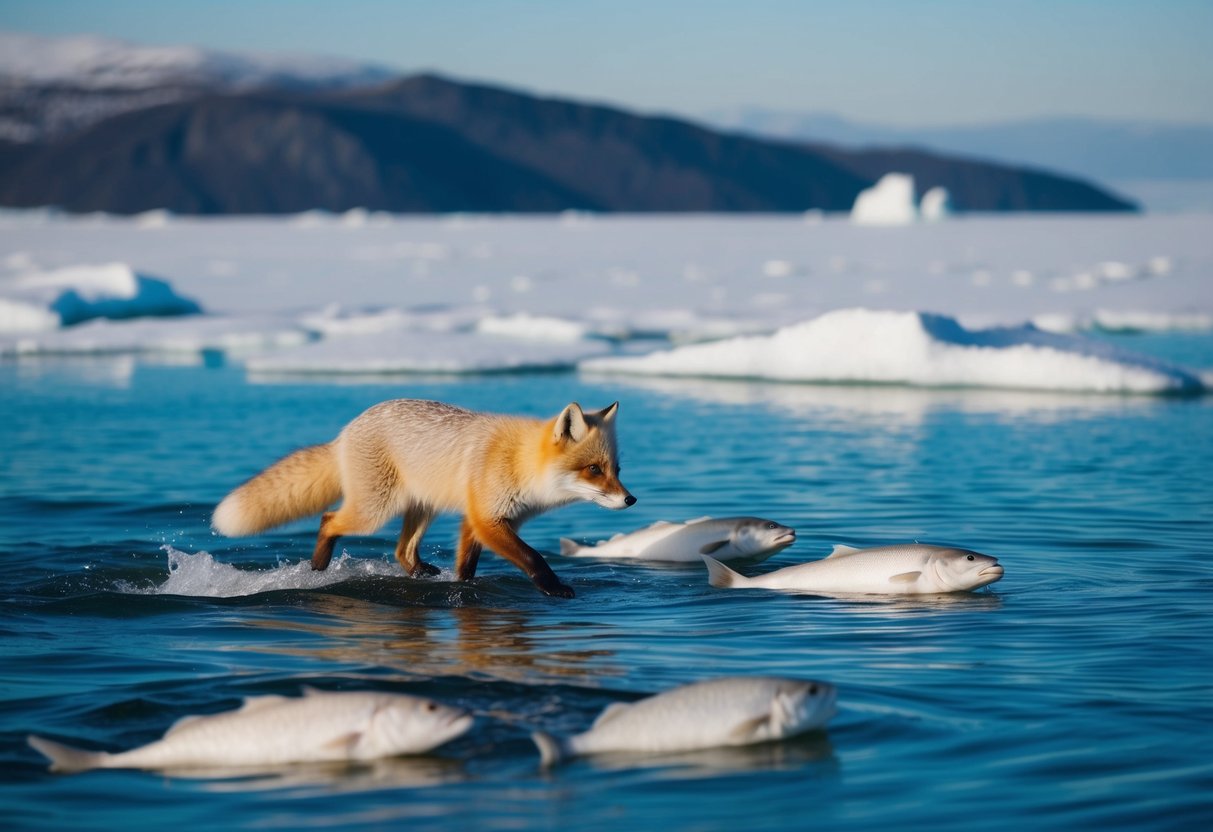
In the Arctic, hunting isn’t just about finding food; it’s also about being smart and careful. Arctic foxes use special tricks to catch their prey while keeping a lookout for other predators. They face competition from various animals in this harsh environment, and climate change is adding new challenges to their hunting methods.
Stealth and Camouflage
Arctic foxes have some clever ways to blend into their surroundings. Their fur changes color with the seasons, allowing them to stay hidden in snow or tundra. This adaptation is key for sneaking up on animals like polar cod.
When hunting, you’ll find them moving quietly and using their keen hearing to locate prey under the snow. They often listen for movements, then leap through the snow to catch fish or small animals. This technique requires patience and skill, especially on icy terrain.
Competition with Other Predators
In the Arctic, Arctic foxes are not the only hunters. They face strong competition from larger predators like polar bears and golden eagles. These animals can hunt the same prey and might target the foxes themselves.
The rivalry can make it challenging for Arctic foxes to find food. For instance, golden eagles are known to hunt both young foxes and other small mammals. In some areas, even red foxes are moving north, posing new competition. This overlap can affect food sources and impact their survival chances.
Impact of Climate Change on Hunting
Climate change is altering the Arctic environment, affecting the hunting strategies of Arctic foxes. As temperatures rise, the ice melts, impacting the food chain. Arctic cod populations can decline, leading to less food for foxes.
Changing weather patterns also make hunting harder. For example, the snow cover can vary, making it tougher for foxes to hunt efficiently. Their competition for food may increase as other animals adapt to the changing climate. Global warming is shifting the balance, affecting how Arctic foxes hunt and thrive in their habitat.
Arctic Foxes’ Role in the Arctic Ecosystem
Arctic foxes play a vital role in their environment, influencing both wildlife and plant life. By examining their interactions within the ecosystem, you can appreciate their significance in various ecological processes.
Keystone Species and Environmental Impact
Arctic foxes are considered a keystone species in their habitat. They help regulate small mammal populations, like lemmings and voles. This regulation prevents overpopulation, which can lead to resource depletion.
Their activity also enhances soil nutrient levels. When they create dens, the areas around these spots often have higher concentrations of nutrients. This can benefit plant life, promoting a healthier ecosystem.
Their scavenging habits, especially on polar bear kills, ensure that nutrients from large carcasses are returned to the soil and other species. This behavior helps maintain the balance in the Arctic food chain, demonstrating their essential role.
Interactions with Humans and Conservation
While Arctic foxes are charming, their relationship with humans can be complicated. Historically, they have been hunted for their prized fur. The fur trade has placed pressure on their populations, particularly in some coastal areas.
Today, conservation efforts are critical for the survival of Arctic foxes. By protecting their natural habitats and implementing sustainable practices, you can help ensure that these animals thrive for generations to come.
Awareness and education about their importance are essential for successful conservation. You play a role in supporting initiatives aimed at preserving the Arctic ecosystem and its inhabitants.
Reproduction and Lifecycle of the Arctic Fox
The reproduction and lifecycle of the Arctic fox reveal fascinating details about their survival in harsh climates. From mating rituals to the care of their young, these behaviors are essential for their continuation.
Breeding and Denning Behaviors
Arctic foxes usually mate in spring, around late March to early April. The female, also known as a vixen, selects a den site that provides safety and warmth. These dens are often dug into the ground and can have multiple entrances.
After a gestation period of about 49 to 57 days, the vixen gives birth to a litter of kits, typically ranging from 4 to 11 pups. The number of kits can depend on food availability and the mother’s age. Both parents help care for baby Arctic foxes and gather food for the family.
Development of Kits and Family Dynamics
Kits are born with soft, gray fur and are blind and helpless. They gain strength as they grow and start exploring the den area by about three weeks old.
By eight weeks, they are ready to leave the den and begin learning to hunt small prey. Weaning occurs around this time, though they may still rely on their parents for food. Parent foxes play a crucial role in teaching their young how to survive in the Arctic environment.
Family dynamics are strong, and both parents remain involved in raising their kits until they’re ready to disperse in the fall. As the kits grow, they strengthen their bonds with their siblings, essential for their social development.


