
The Arctic fox, known scientifically as Vulpes lagopus, is a fascinating creature that thrives in some of the coldest environments on Earth. Many people often wonder, do Arctic foxes live in the UK? While these adorable animals are primarily found in the Arctic regions and parts of Europe, they do not have a stable population in the UK today.
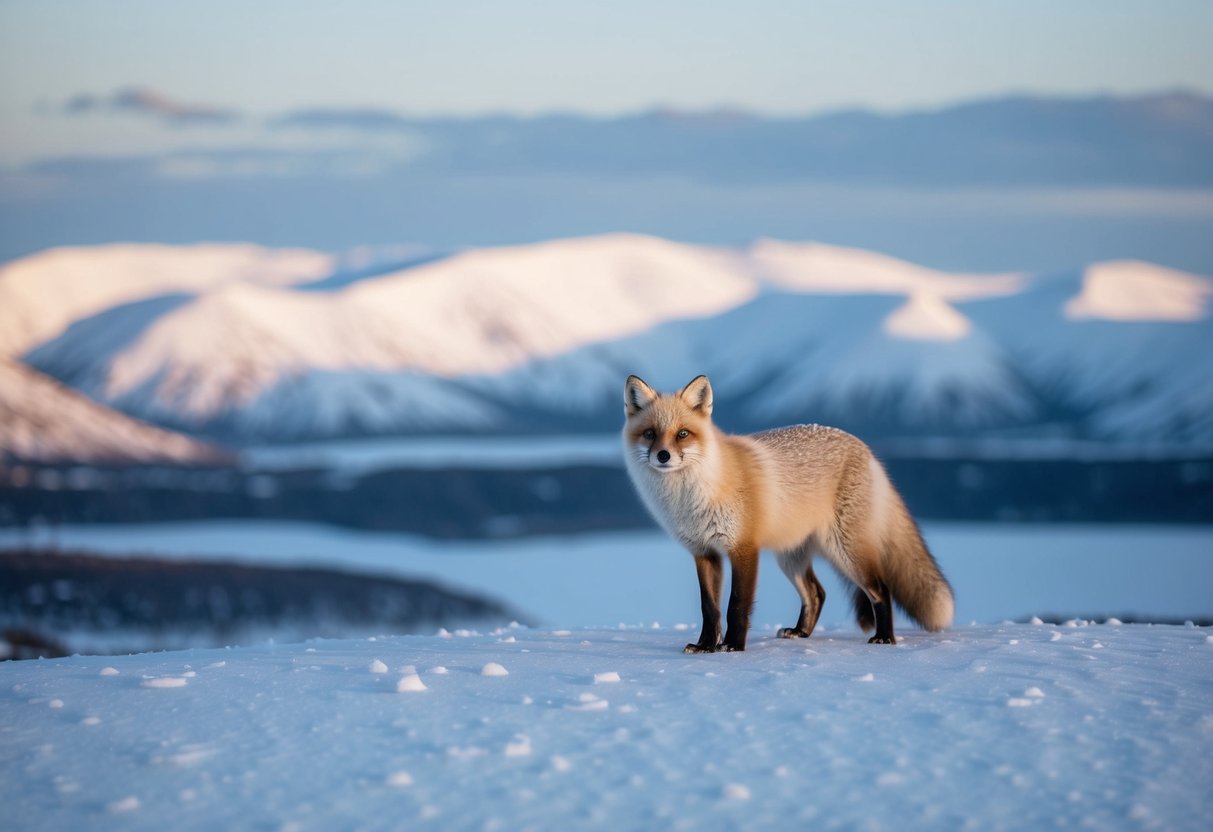
If you are curious about where Arctic foxes roam, you’ll find them predominantly in icy tundras and other cold habitats. Their unique adaptations allow them to survive in extreme conditions. While they have been present in the UK during past Ice Ages, they are now primarily associated with the northernmost regions of our planet.
Exploring the world of Arctic foxes can be both exciting and enlightening. You’ll learn about their diet, how they adapt to extreme cold, and their role in the Arctic ecosystem. Whether you are an animal lover or just curious about wildlife, diving into the life of the Arctic fox provides a wealth of interesting information.
Arctic Foxes: An Overview
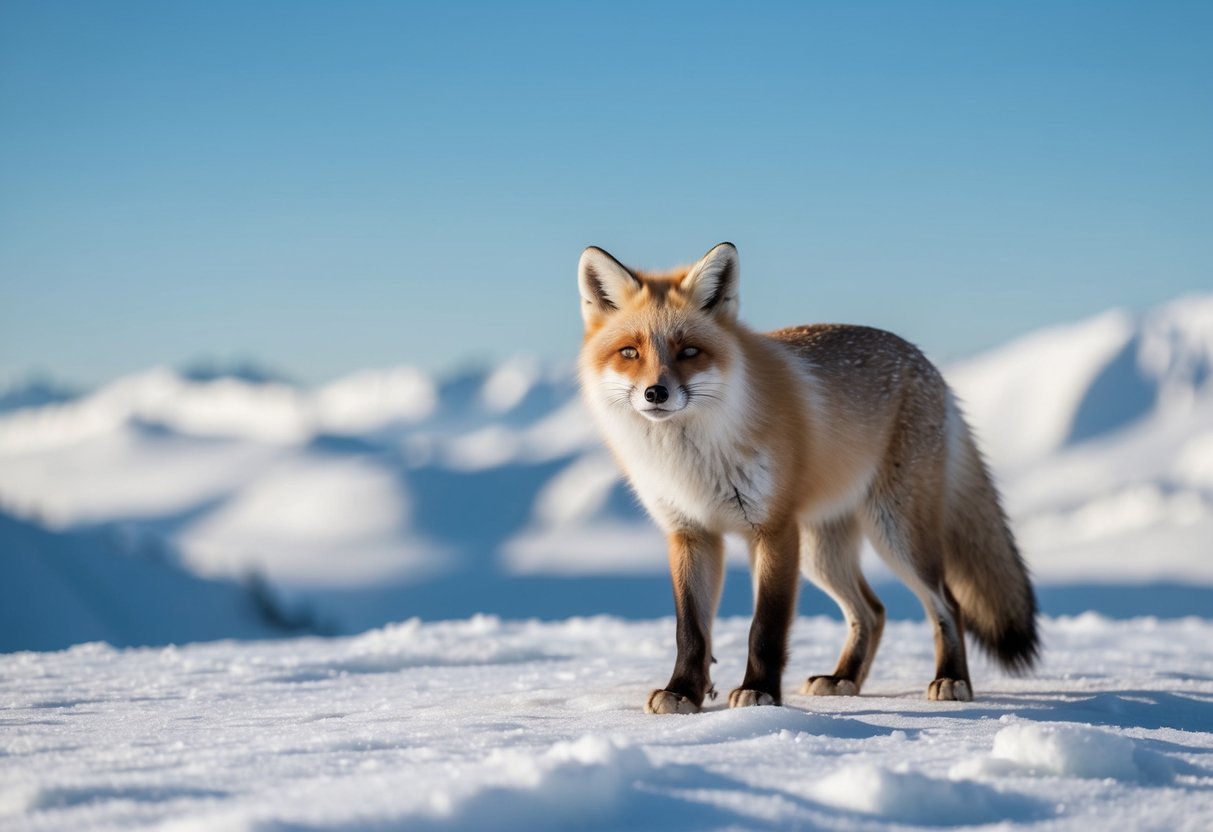
Arctic foxes are remarkable animals that have unique features and skills to survive in their harsh environments. Understanding their physical traits, scientific classification, and where they live can give you a deeper appreciation for these incredible creatures.
Physical Characteristics and Adaptations
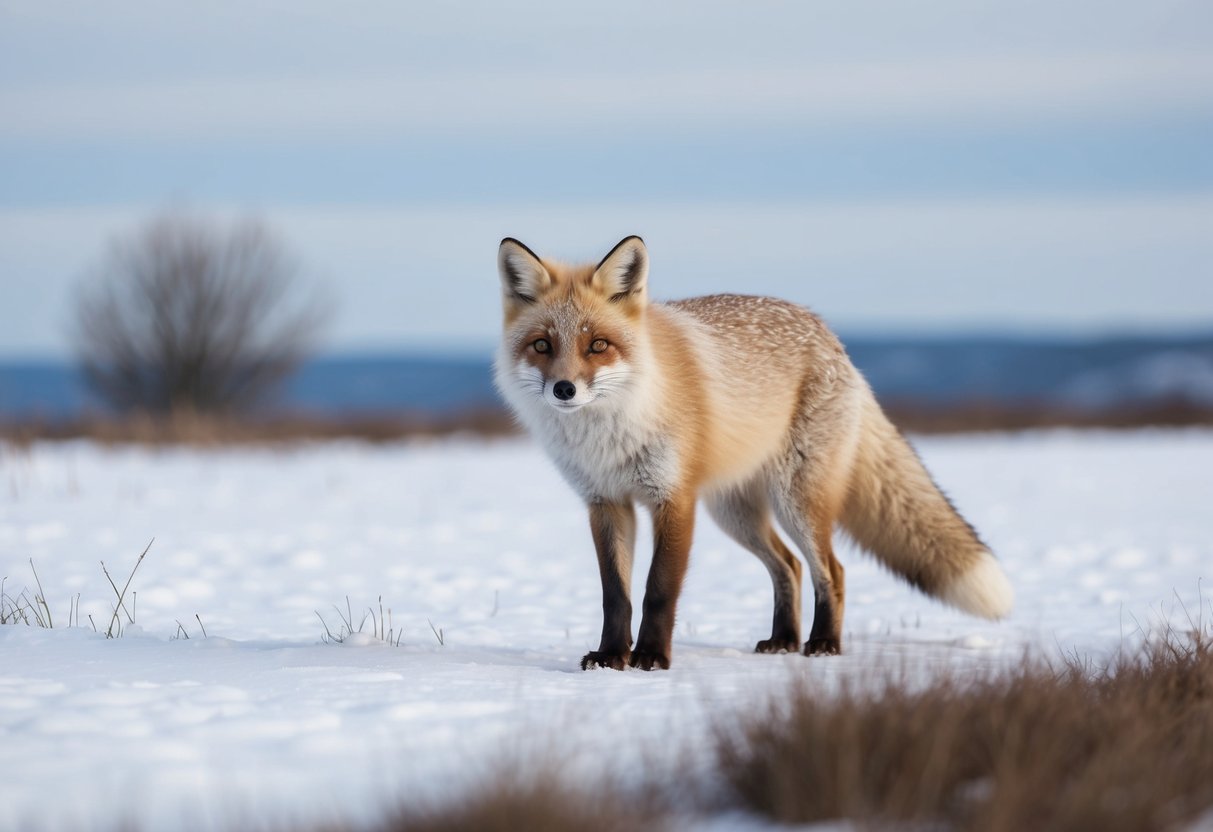
The Arctic fox (Vulpes lagopus) has evolved many traits that help it thrive in cold climates. Its rounded body shape helps conserve heat, while its thick winter coat provides insulation. This fur can change from brown in summer to white in winter, serving as effective camouflage against the snow.
Their small ears reduce heat loss, making them well-adapted for frigid temperatures. Arctic foxes also have a special ability to regulate their body temperature. They can withstand extreme cold, often living in temperatures as low as -58°F (-50°C).
These adaptations are essential for survival in the Arctic tundra, where food can be scarce.
The Scientific Classification and Naming
Arctic foxes belong to the family Canidae and are part of the genus Vulpes. Their full scientific name is Vulpes lagopus. This name is derived from Latin, where “Vulpes” means fox and “lagopus” means hare-footed, referring to their furry feet.
The Arctic fox is sometimes called the polar fox or snow fox due to its habitat. These names highlight their excellent adaptation to their icy surroundings.
They share their Arctic environment with other wildlife, like polar bears and seals, but their unique adaptations set them apart.
Distribution and Habitat Range
You can find Arctic foxes across the Northern Hemisphere in regions like Canada, Alaska, Greenland, and parts of Russia. They thrive specifically in the arctic tundra, characterized by its cold climate and minimal vegetation.
These foxes primarily inhabit areas where they can dig burrows. These burrows protect them from predators and harsh weather. During winter, they may tunnel into the snow for shelter during blizzards.
While you won’t find them naturally living in the UK, Arctic foxes have a specific range shaped by their need for cold environments. Changes in climate and habitat can affect their populations, making conservation efforts important.
Diet, Hunting, and Feeding Habits
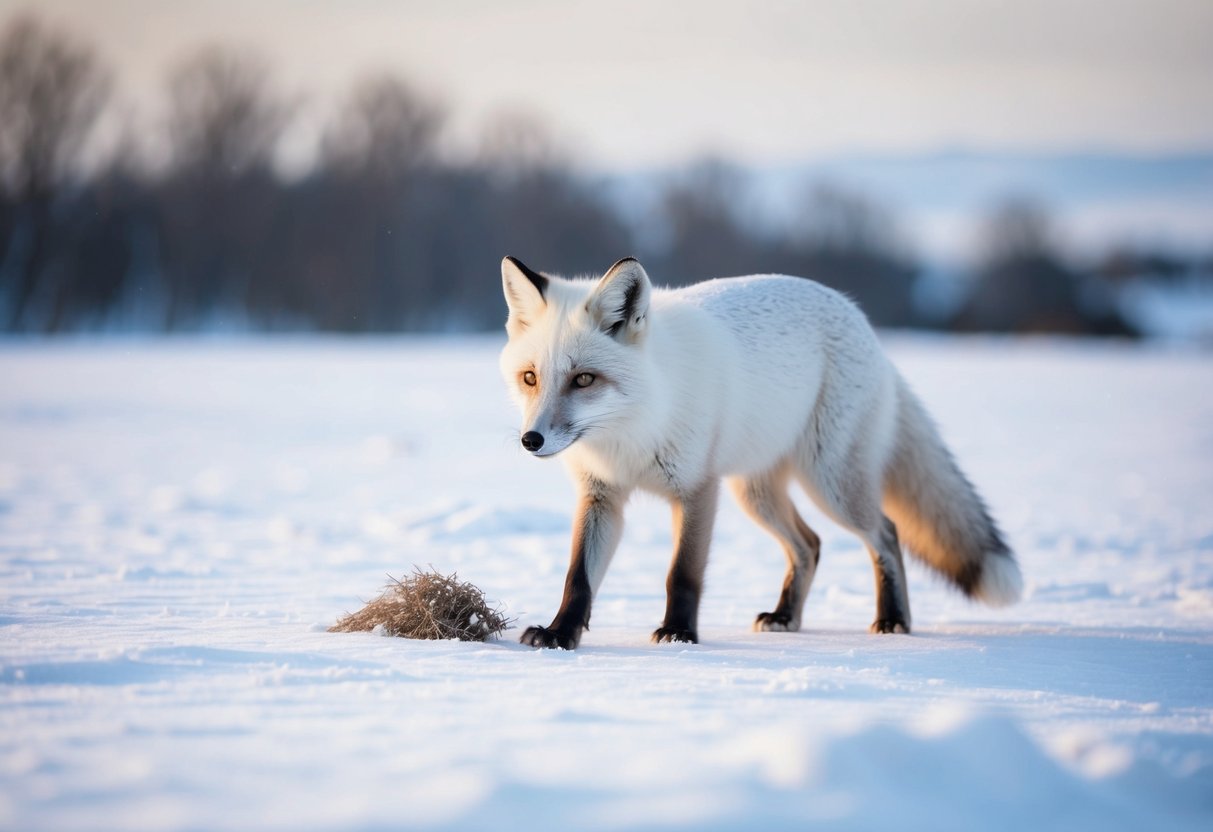
Arctic foxes have a varied diet, which makes them adaptable to their harsh environment. They hunt and scavenge for whatever food they can find, allowing them to thrive in the cold. Let’s look into their primary diet, foraging strategies, and their interactions with other species.
Primary Diet and Prey
Your typical Arctic fox predominantly preys on lemmings, which are small rodents that fluctuate in population. When lemmings are scarce, foxes turn to other small mammals, birds, and fish. They also eat invertebrates, insects, and even berries when they are available. These foxes are opportunistic feeders and will scavenge on carrion—the remains of dead animals. Their sense of smell and excellent hearing give them an edge while hunting. In the summer months, they may consume seaweed and fish found in meltwater pools.
Foraging Strategies and Food Storage
Arctic foxes are clever foragers. They often use a technique called “hunting by listening.” By staying still and listening for movement under the snow, they can pounce on unsuspecting prey. When food is plentiful, these foxes might hoard their meals by burying them in the snow or hiding them in their dens. This behavior helps them have enough food when resources run low. Arctic foxes also rely on storing body fat during the harsh winter months, which aids them in enduring food shortages. Their adaptability makes them so successful in rough climates.
Interactions with Other Species
You’ll find that Arctic foxes interact with various species in their habitat. They often share hunting grounds with larger predators, such as polar bears. While they hunt for their own food, they also scavenge leftovers from these bigger animals. This scavenging allows for a unique relationship where both species benefit. Additionally, Arctic foxes can disturb nests of birds, which impacts the bird population, but they also help control rodent numbers. Their role in the ecosystem is significant as they balance food webs through their predatory and scavenging habits.
Reproduction and Family Life
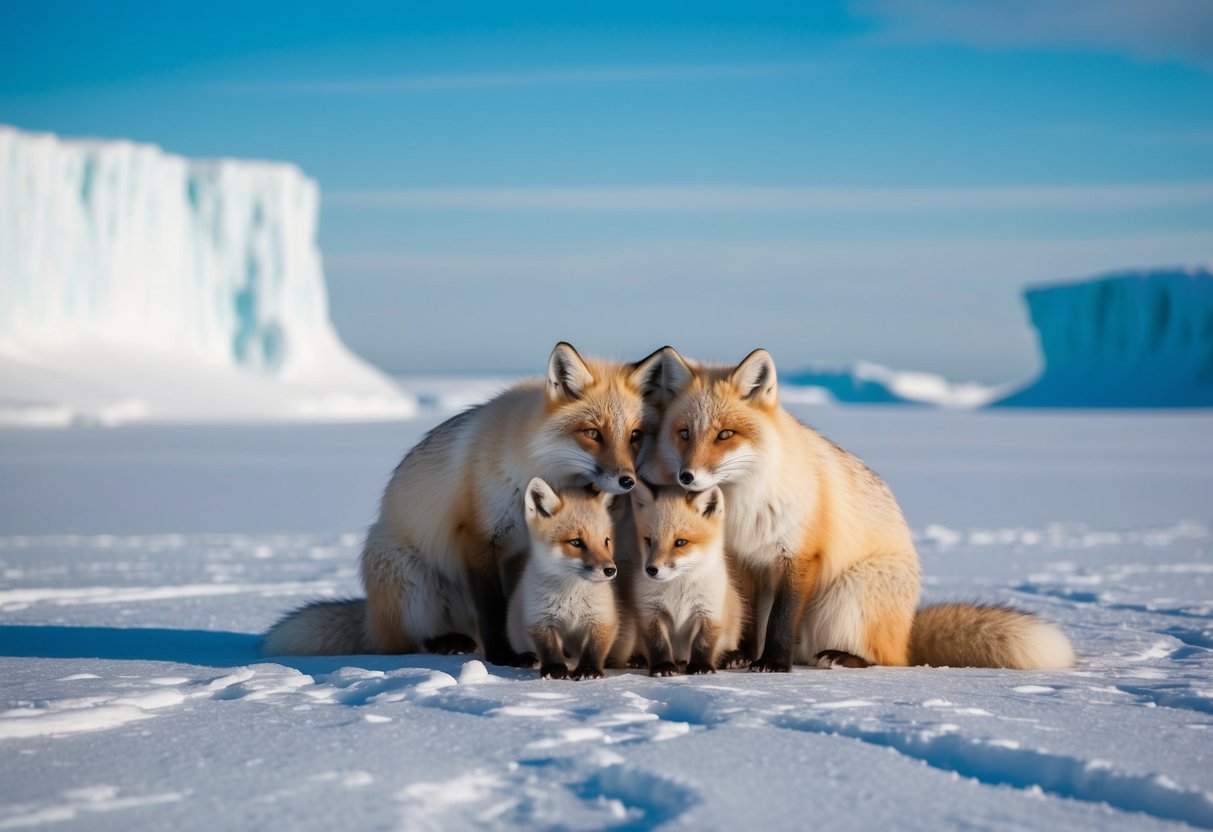
Arctic foxes have a unique approach to family life. They form strong bonds during mating and take care of their young together. Here’s a closer look at how they reproduce and care for their offspring.
Mating and Breeding Habits
Arctic foxes are known to be monogamous pairs, often forming lasting bonds with one mate. The breeding season usually occurs in spring, around March to June. During this time, males and females engage in courtship behaviors that help strengthen their bond.
After mating, the female will prepare a den for her litter. Dens are often dug into the ground or rocky areas to protect the young. The gestation period lasts about 52 days, after which the female gives birth to a litter of kits. A typical litter can consist of 5 to 10 kits, depending on the food supply and environmental conditions.
Caring for Offspring
Once the kits are born, both parents play a role in caring for them. The mother stays with the young in the den, keeping them safe and warm, while the father brings food. This teamwork ensures that the kits have the best chance of survival.
As the kits grow, they remain in the den for around 3 to 4 weeks. After that, they begin to explore the surrounding area. The family group stays close together, and the parents teach their young important skills like hunting and foraging. This nurturing environment helps the cubs learn how to thrive in their harsh Arctic home.
Conservation Status and Threats
Arctic foxes face various challenges that impact their survival, including environmental shifts and human activities. Understanding these factors helps highlight the importance of conservation efforts to protect this unique species.
Environmental Challenges and Climate Change
Climate change significantly affects the Arctic fox’s habitat. As temperatures rise, their icy environment is changing rapidly. The melting ice diminishes their hunting grounds, making it harder to find food.
In addition, the expansion of red foxes into Arctic regions poses a threat. These red foxes compete for resources and can outcompete Arctic foxes for food. The loss of sea ice also threatens the breeding and denning sites necessary for raising their young.
While the Arctic fox is currently listed as “Least Concern” on the IUCN Red List, certain populations show significant declines, especially in areas affected by climate change.
Human Impact and Protection Efforts
Historically, humans have posed a threat to Arctic foxes by hunting them for fur. The fur trade has seen a decline in recent years, which has eased some pressures on the population.
However, habitat destruction due to industrial activities and climate impacts remains concerning. Protecting their natural habitats is crucial for their survival. Reintroduction programs and legal protections help ensure their safety in regions where they were once abundant.
You can support conservation efforts by advocating for policies that protect Arctic ecosystems. Engaging in awareness initiatives also contributes to the long-term survival of Arctic foxes and their habitats.


