
Arctic foxes are fascinating animals known for their stunning fur and survival skills in extreme conditions. These small canines primarily inhabit the Arctic tundra, including regions in Alaska, Canada, Greenland, Iceland, Russia, and parts of Fennoscandia. Their ability to thrive in such harsh environments makes them unique among wildlife.
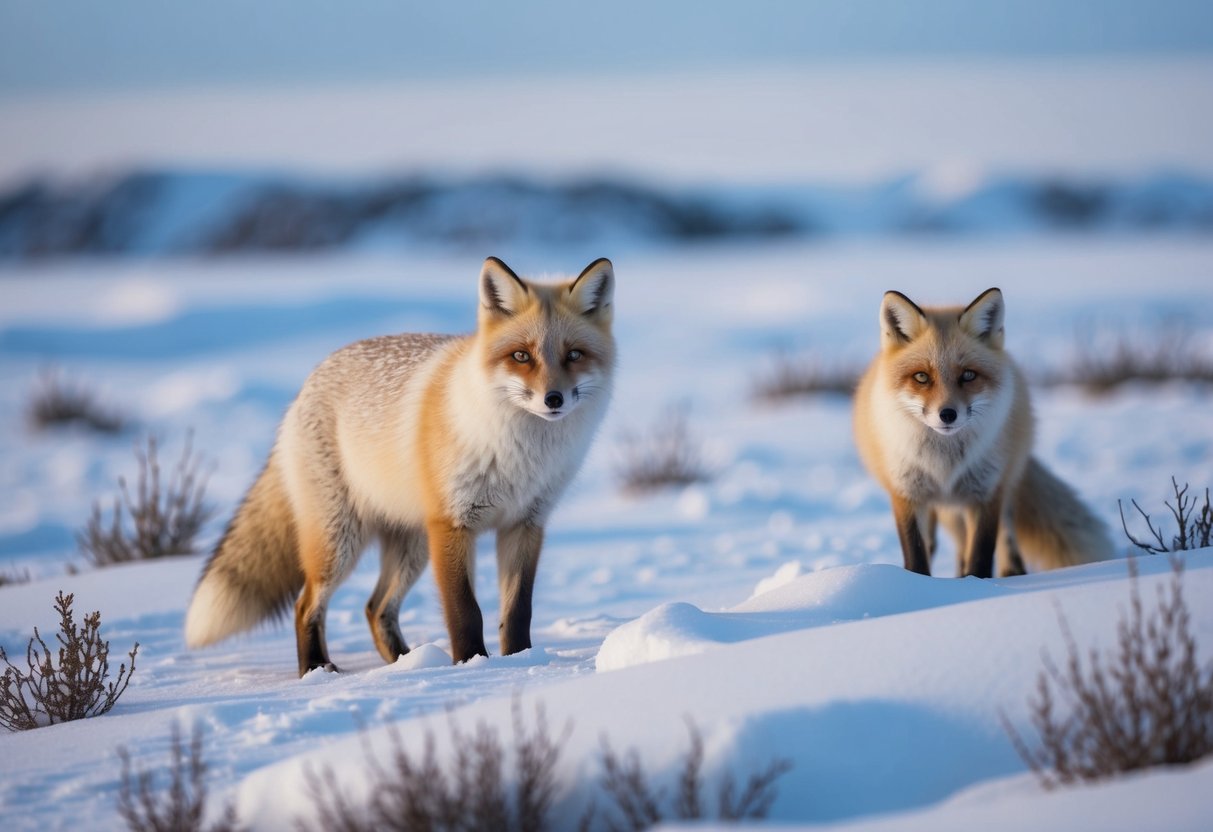
Living in areas where temperatures can plunge well below -50°F, Arctic foxes have adapted to the cold with their thick, warm fur and clever behavior. They roam open spaces that often lack trees, finding shelter in the rugged terrain.
This blog post will take you deeper into where these resilient creatures make their homes and how they adapt to their icy surroundings.
Understanding the habitats of Arctic foxes not only highlights their incredible adaptability but also sheds light on the delicate ecosystems they inhabit. As you explore this topic, you may discover more about the challenges they face and the importance of preserving their environment for future generations.
Habitats and Distribution
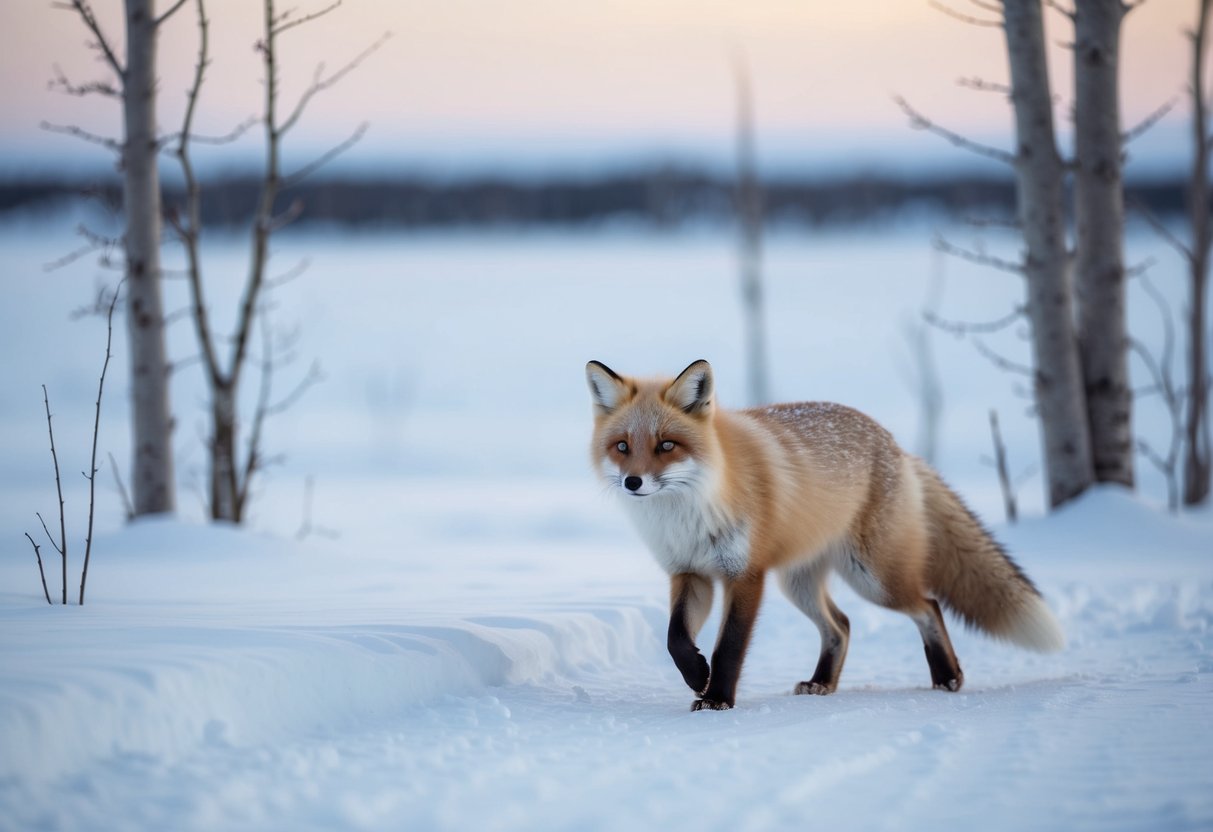
Arctic foxes thrive in unique environments suited to their adaptations. They are primarily found in the cold Arctic regions and also the alpine tundras, making their habitats crucial for their survival. Their distribution spans several countries, focusing on areas with minimal tree cover and plenty of open land.
Arctic Tundra Regions
You will find arctic foxes mainly in the Arctic tundra, which is characterized by its cold climate and permafrost. This environment has limited vegetation and is dominated by grasses, mosses, and lichens.
In areas like Canada’s Nunavut and Alaska, the tundra provides ample space for these foxes to hunt for small mammals, birds, and carrion. The coastal regions along the Arctic Ocean also play an essential role as they offer abundant food sources, especially during the summer months when the ice melts.
These foxes have adapted well to survive extremely low temperatures, using their thick, insulated fur for warmth. Their ability to camouflage in the snow helps them avoid predators while hunting.
Geographical Range
The geographical range of arctic foxes includes several northern countries. They inhabit Greenland, Russia, Iceland, and parts of Scandinavia, such as Norway, Finland, and Sweden. These foxes can be seen in both coastal areas and inland, where they search for food and shelter.
The distribution of arctic foxes is often termed circumpolar, meaning they are found all around the pole. They are well-suited for mountainous regions and the alpine tundra, thriving at various elevations in northern Europe.
During certain periods, populations can shift based on the availability of food and changing climate conditions. In summer, they may venture into new areas in search of resources, showcasing their adaptability to different environments.
Diet and Hunting Strategies
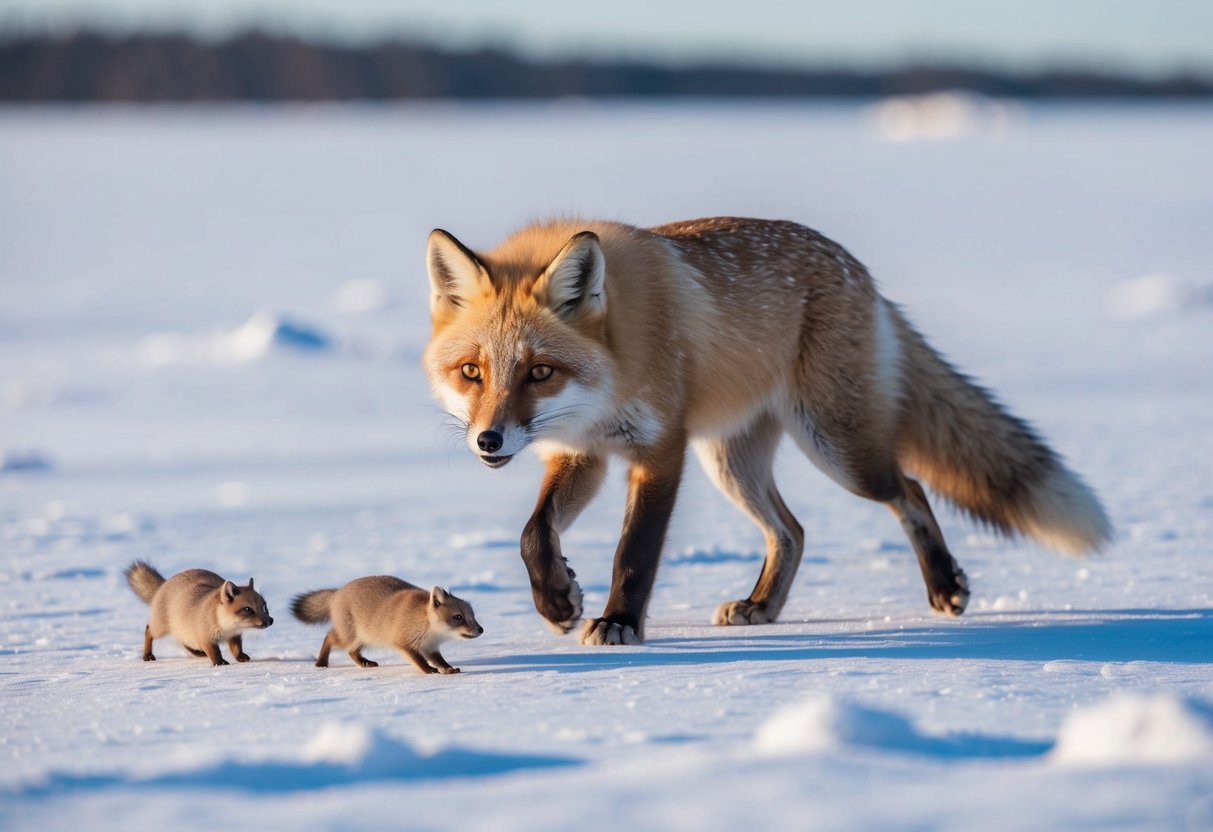
Arctic foxes are skilled at adapting their diet based on food availability. They display a mix of hunting and foraging techniques, making them successful opportunistic omnivores. Understanding their feeding habits gives you insight into how these remarkable animals thrive in harsh environments.
Foraging Habits
As an opportunistic feeder, the Arctic fox often relies on what is available in its surroundings. This includes hunting small rodents like lemmings, which are a primary food source. During colder months, the fox may also dig through the snow to find hidden prey.
In addition to rodents, Arctic foxes consume birds, fish, and insects when available. They are known to eat berries and other vegetation during the summer months. This adaptability in their diet allows them to survive in various conditions and find nutrition from both animal and plant sources.
Predation and Competition
Hunting techniques often include stalking and pouncing on prey, allowing Arctic foxes to capture lemmings and other small animals successfully. They may also scavenge carrion left by larger predators, which provides a crucial food source when hunting is less successful.
Competition for food can come from larger predators like wolves and polar bears. To stay safe, Arctic foxes usually hunt near their dens. This strategy helps protect their young while allowing access to food sources without venturing too far away. Their ability to adapt means they can thrive even in a competitive ecosystem.
Reproductive Behaviors and Lifecycle
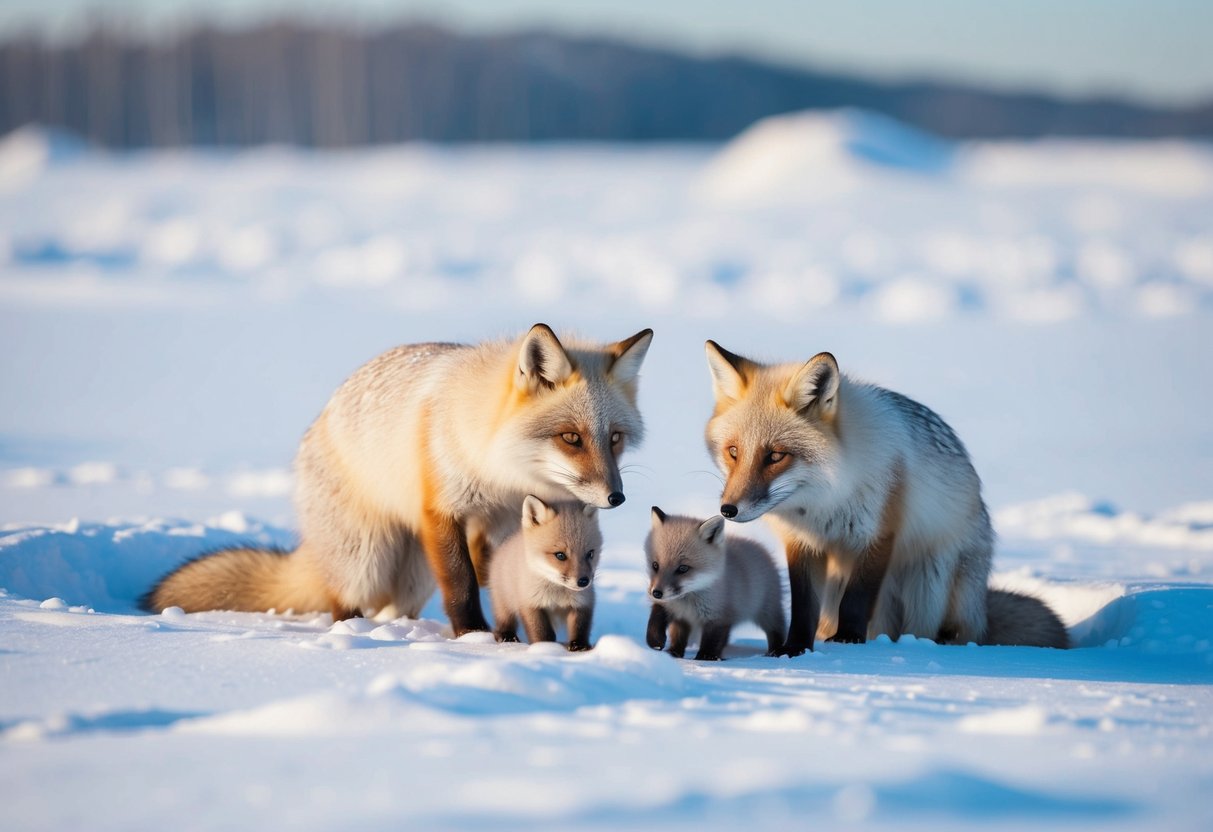
Arctic foxes, known scientifically as Vulpes lagopus, have unique reproductive habits and a fascinating lifecycle. They typically establish monogamous pairs that form strong bonds and work together to care for their young.
Breeding and Gestation
The breeding season for Arctic foxes occurs between February and March. During this time, males and females mate and prepare their dens for the arrival of pups. The female undergoes a gestation period of about 53 days.
You may find that the litter size can vary greatly, typically ranging from 5 to 8 pups. In rare instances, a female might give birth to as many as 25 kits! This ability to have large litters helps ensure that some pups survive despite the challenges of their harsh environment.
Pup Development and Care
Once the pups are born, both parents share the responsibility of raising them. The male assists in bringing food to the den while the female nurses the pups.
Pups begin to emerge from the den at about three weeks old. As they grow, they learn important skills through play and exploration. By the time they are around 8 to 10 weeks old, they start to accompany their parents on hunts.
These parents are dedicated caregivers, teaching their young how to survive in the wild. This close family bond is essential for the pups’ survival in the unforgiving Arctic conditions.
Conservation Status and Challenges
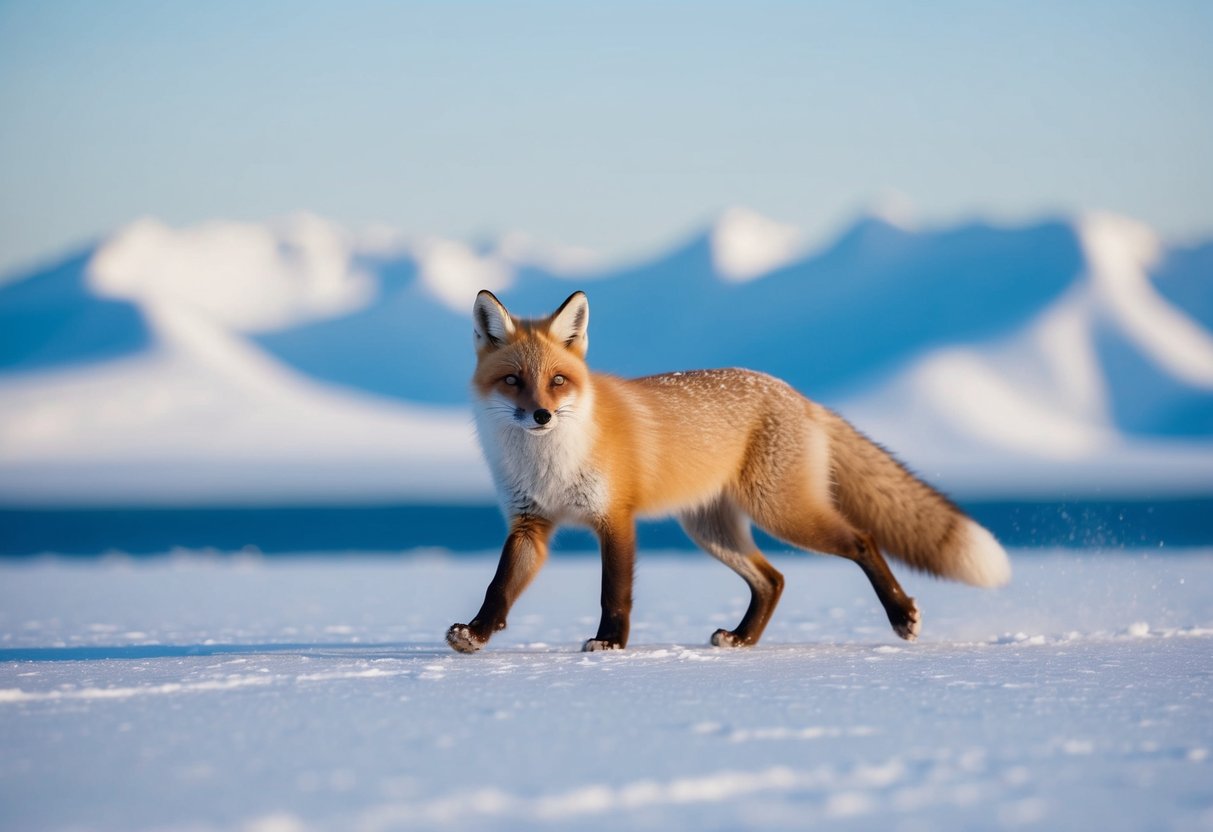
Arctic foxes face various challenges that threaten their survival. These issues stem from environmental changes and human activities. Understanding these challenges is vital for their conservation and the health of their ecosystem.
Environmental Threats
Climate change is one of the biggest threats to Arctic foxes. As temperatures rise, their icy habitat changes dramatically. This shift affects food availability, particularly the populations of lemmings, which are a crucial food source.
Additionally, competition with larger predators, like the red fox, increases as these animals expand their range north. This competition can lead to declining arctic fox populations.
Human activities also play a role. Oil drilling, mining, and increased shipping traffic disrupt their natural habitats. These factors make it difficult for Arctic foxes to thrive in their environment.
Conservation Efforts
To help protect Arctic foxes, we need conservation efforts. Organizations focus on monitoring their populations and habitats. Many areas are designated as protected regions to limit human impact.
Community education is also important. Teaching locals about the importance of Arctic foxes in the ecosystem helps create a supportive environment for conservation.
Moreover, researchers are studying the effects of climate change on these foxes. This research leads to better strategies for managing their populations.
The IUCN lists Arctic foxes as “Least Concern.” But, we must address ongoing challenges to prevent any decline in population numbers. Every effort counts in ensuring their survival for future generations.


