
The Arctic fox, known scientifically as Vulpes lagopus, is a fascinating creature that calls the frigid landscapes of the Arctic home. Many people wonder about the status of this striking animal and if it faces threats to its survival. The good news is that, overall, Arctic foxes are not currently classified as endangered. They have a stable population in many areas.
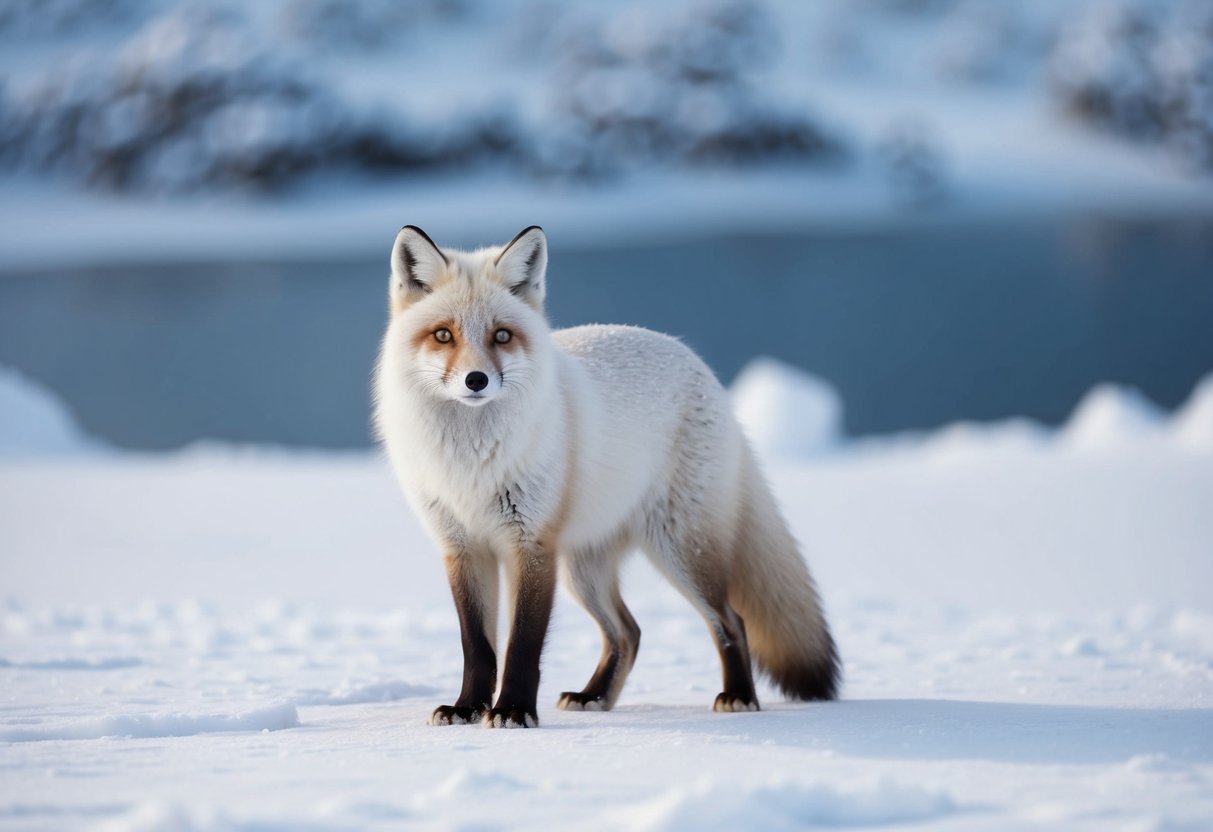
Yet, it’s important to note that their numbers are declining in certain regions due to climate change and habitat loss. The International Union for Conservation of Nature (IUCN) recognizes these challenges. They highlight that while they are not endangered globally, specific populations are at risk. By learning more about these beautiful animals and the threats they face, you can help spread awareness and support conservation efforts.
Understanding the status of Arctic foxes can empower you to take action. Whether it’s through education, advocacy, or simple awareness, every effort counts in preserving their habitat and ensuring they thrive in the wild.
Conservation Status and Classification
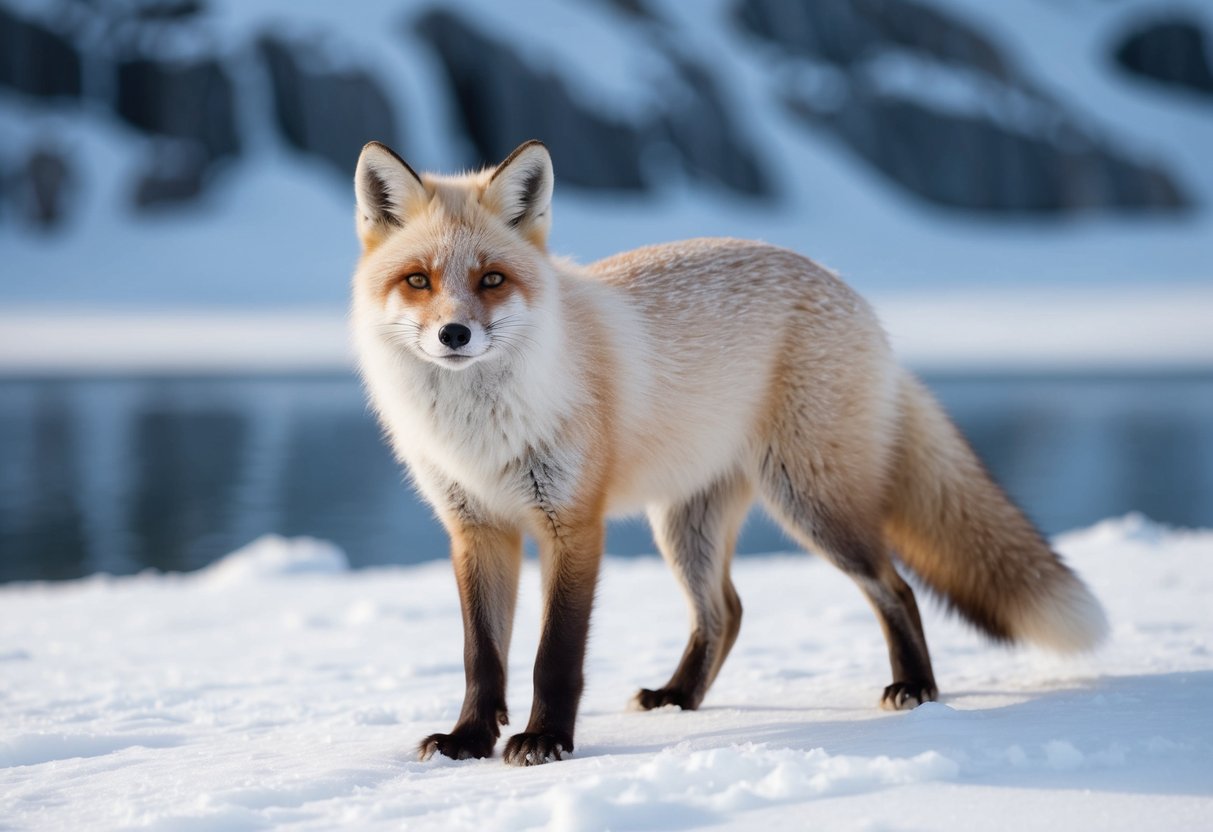
The conservation status of Arctic foxes varies depending on their location. Some populations are classified as endangered, while others are not. Various threats impact their survival, and conservation efforts are in place to protect these resilient animals.
IUCN Red List Assessment
The Arctic fox is listed on the IUCN Red List as being of “Least Concern” globally. This classification means that, overall, the species isn’t facing immediate extinction risks. However, certain populations, particularly in Fennoscandia (Finland, Norway, and Sweden), are much more vulnerable. In this region, the population has dwindled to about 120 adult individuals, making them a critical concern for conservationists.
Factors Influencing Endangerment
Several factors threaten Arctic foxes. Climate change has significant effects, altering their habitat and prey availability. As temperatures rise, melting sea ice impacts food sources like lemmings and other small rodents.
Increased competition from other predators, such as the red fox, also poses a risk. Over time, these elements have led to habitat loss and changing ecosystems. The Golden Eagle presents another threat in some areas, hunting young Arctic foxes.
Conservation Efforts and Protection
To protect Arctic foxes, several conservation initiatives are ongoing. Organizations like the WWF work to monitor populations and advocate for habitat preservation. Legal protections are in place to limit hunting in vulnerable areas. Education efforts also aim to raise awareness about their plight. Additionally, scientists are studying how climate change affects their habitats.
By understanding these dynamics, you can help spread the word and support efforts to “Save Arctic Foxes” from endangerment.
Habitat and Ecosystem
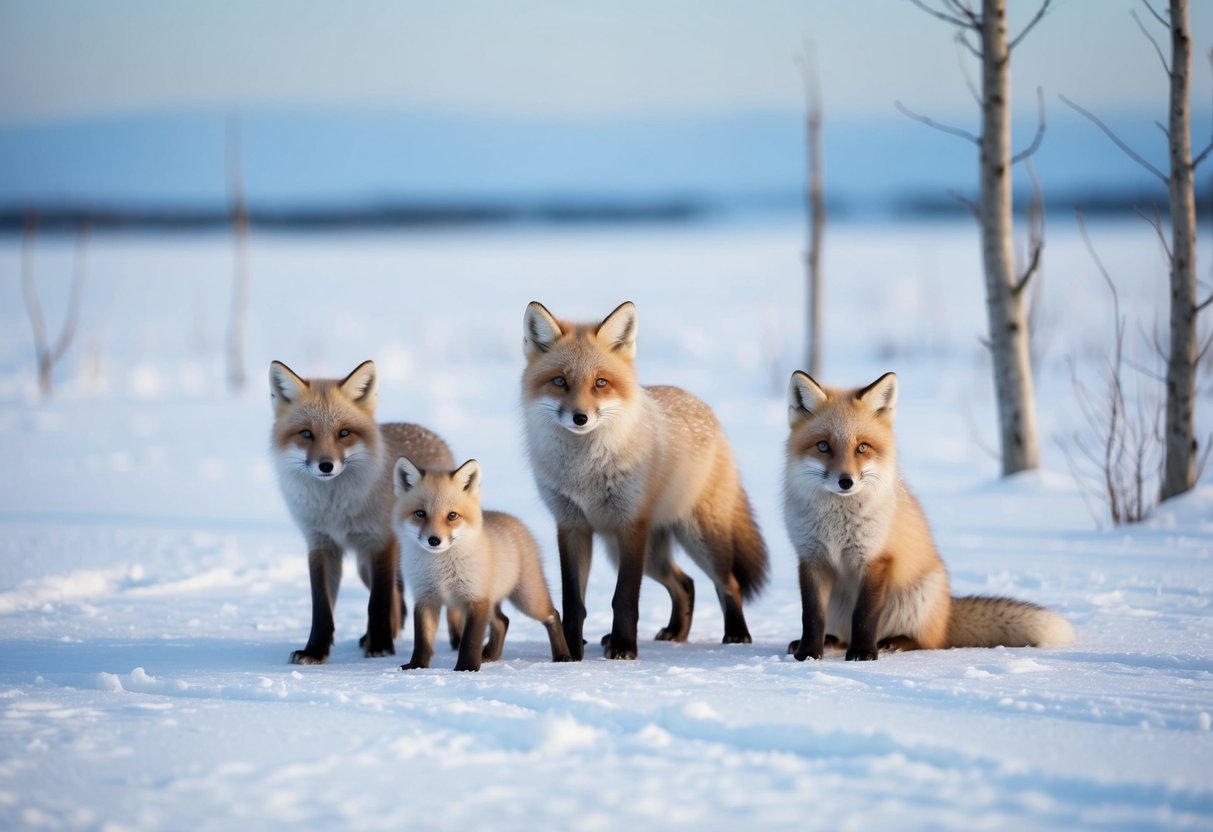
The habitat of the Arctic fox is crucial to its survival. Understanding the unique features of its environment helps you grasp the challenges faced by this species. Key points include details about the tundra biome, the threats from climate change, and the fox’s food sources.
Tundra Biome Specifics
The Arctic tundra is a cold, treeless region characterized by permafrost, low temperatures, and strong winds. This biome is home to unique flora and fauna that are specially adapted to survive in harsh conditions.
Arctic foxes thrive in this environment with their thick fur, which protects them from extreme cold. They often have seasonal coats that change color, providing excellent camouflage in winter and summer.
The tundra also features various ecosystems, including coastal areas rich in marine resources. These zones are vital for the fox’s survival as they support diverse small mammals and birds.
Impact of Habitat Loss and Climate Change
Habitat loss poses a significant threat to Arctic foxes. Climate change is drastically altering the tundra by melting sea ice and affecting the permafrost layer. This disruption leads to habitat destruction and reduces the availability of food sources.
As the ice melts, migratory patterns change, impacting the entire Arctic ecosystem. Higher temperatures also allow for more predators, like wolves, to invade the Arctic fox’s territory. This leads to increased competition for food and habitat.
Pollution adds another layer of danger. Contaminants can accumulate in food sources, leading to health problems for Arctic foxes. Maintaining a clean environment is essential for their continued survival.
Food Sources and Predation
Your understanding of Arctic foxes wouldn’t be complete without knowing what they eat. Their diet varies by season but mainly includes lemmings, small mammals, seabirds, and carrion.
During summer, they hunt actively, taking advantage of the abundant food supply. In winter, they rely more on their keen sense of smell to find prey hidden under the snow.
Arctic foxes are not only opportunistic hunters but also scavengers. They often feed on leftover carcasses from larger predators like polar bears. This scavenging role helps maintain the balance of the Arctic food chain.
Their survival depends on the health of their habitat and food sources, highlighting the need for conservation efforts.
Biology and Behavior
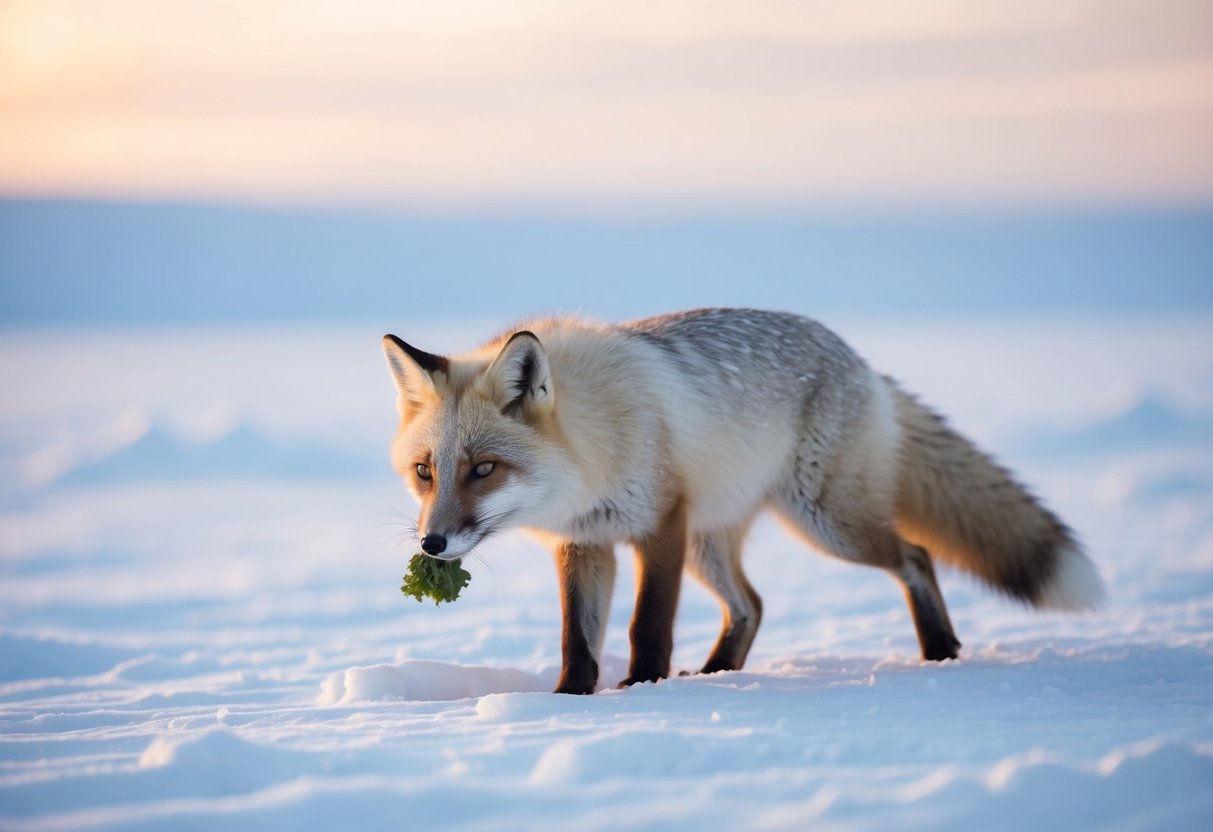
Understanding the biology and behavior of Arctic foxes reveals their adaptations for survival in extreme climates. Their physical traits, reproductive habits, and foraging patterns are essential to their life in the tundra.
Physical Characteristics and Adaptations
The Arctic fox has unique physical traits that help it thrive in harsh conditions. It sports thick white fur in winter, which provides excellent insulation against the cold and helps with camouflage in snow. In summer, its fur turns a brown or gray color, blending in with the tundra’s landscape.
These foxes have small ears and short muzzles, which reduce heat loss. Their paws are furry, acting like snowshoes to help them walk on soft snow. Additionally, Arctic foxes can survive severe cold by lowering their metabolic rate during tough times, which is crucial when food becomes scarce.
Reproductive Habits and Offspring Care
Arctic foxes typically breed once a year during the breeding season in early spring. A female can have a litter of 5 to 10 pups, known as kits. After giving birth in a den, she stays with the young ones while the male hunts for food.
The pups are born blind and rely heavily on their parents. In just a few weeks, they begin to explore outside the den. The whole family works together, teaching the kits essential hunting skills. This close family group provides the young foxes with support and protection as they grow.
Diet and Foraging Patterns
The diet of Arctic foxes changes with the seasons and the availability of food. In winter, they primarily hunt for lemmings, a key prey species. As lemming populations fluctuate, Arctic foxes adapt by eating birds, seals, and even scavenging from polar bears.
In summer, their diet expands to include berries, insects, and eggs. They are skilled hunters. They use their keen sense of hearing to locate prey under snow cover. This flexibility in their diet helps them survive food scarcity, ensuring they can find nutrients throughout the year.


