
The Arctic fox, known scientifically as Vulpes lagopus, is a fascinating animal that thrives in some of the coldest regions on Earth. You might be wondering just how rare this beautiful creature really is. The Arctic fox is not considered rare; its population is believed to be stable, with estimates of several hundred thousand individuals in the wild.
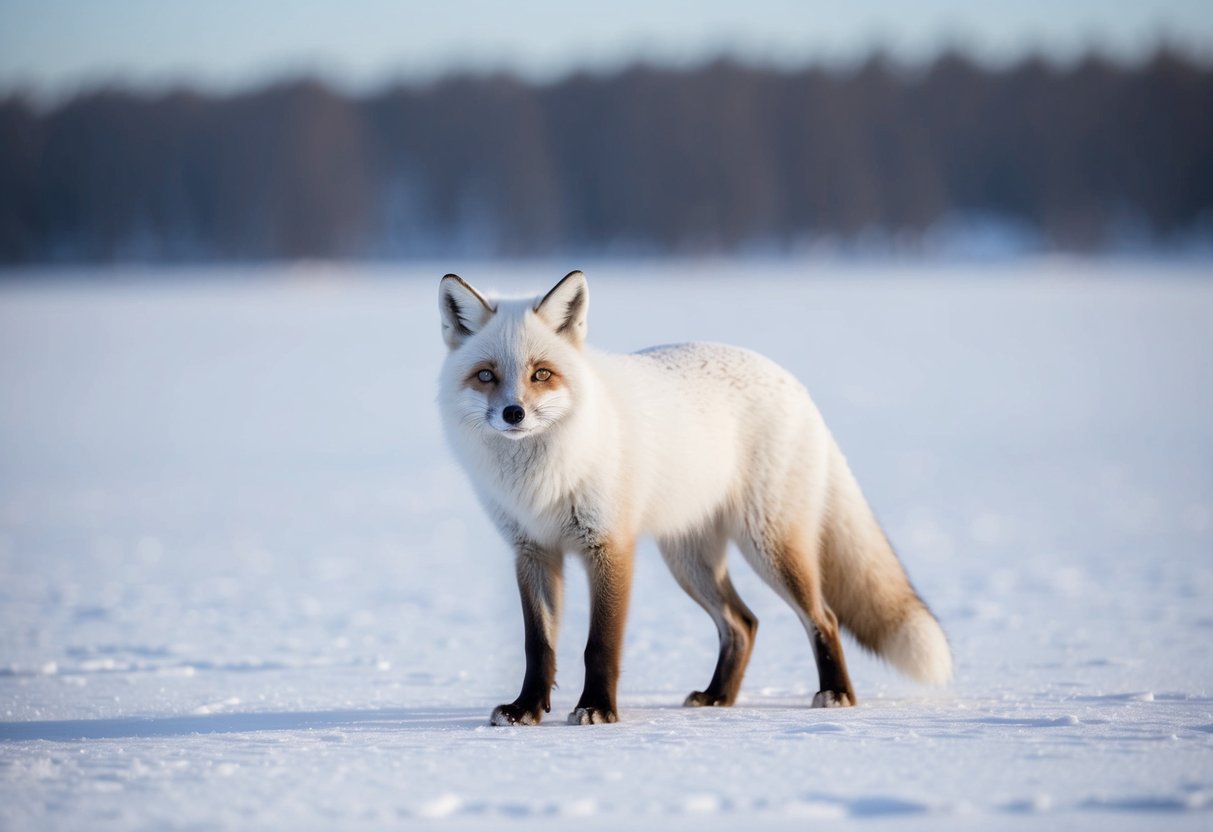
Despite their stable numbers, Arctic foxes face challenges, such as changes in climate and habitat loss. These factors can impact their future, making conservation efforts important for their survival.
Understanding more about the Arctic fox can help you appreciate its role in the ecosystem and the need for protective measures to ensure that it continues to thrive for generations to come.
Status and Distribution
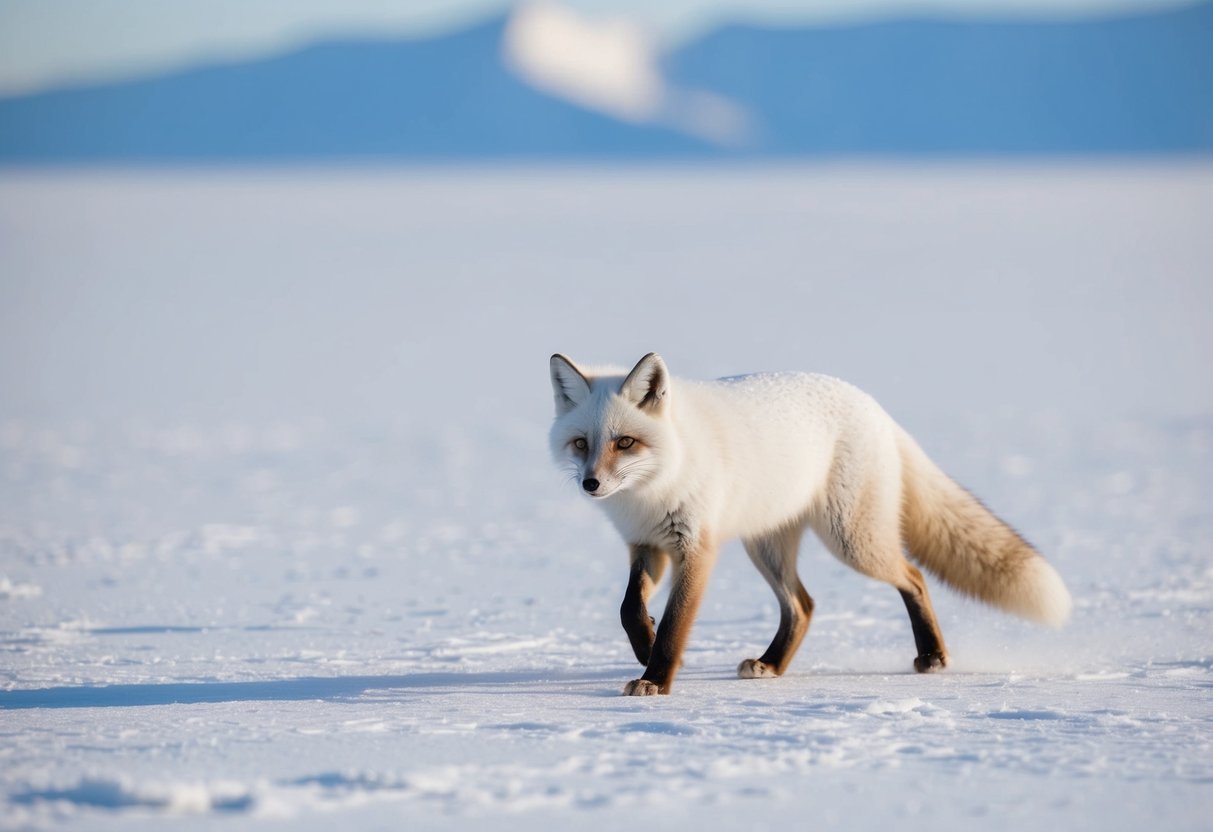
The Arctic fox faces various challenges related to its conservation status and habitat distribution. You will find important details on conservation efforts, population dynamics, and how habitat loss impacts these unique creatures.
Conservation Efforts and Threats
The Arctic fox is currently listed as “Least Concern” on the IUCN Red List, indicating that the species is not facing immediate extinction. However, certain populations, especially in Scandinavia, are considered endangered due to habitat loss and climate change.
Conservation groups like the WWF monitor Arctic fox populations and their habitats. They work to raise awareness and implement strategies to protect these animals.
Climate change poses a significant threat by altering the tundra environment they rely on. As temperatures rise, the distribution of prey species like lemmings is affected, which can lead to food shortages for Arctic foxes.
Population Dynamics
The Arctic fox population can vary significantly based on the cycles of prey availability. Their primary food source is lemmings, and when lemming populations are high, Arctic foxes can thrive.
In North America, estimates suggest there are approximately 300,000 to 800,000 Arctic foxes. However, fluctuations are common.
Increased competition from larger predators, such as polar bears and red foxes, also impacts their numbers. The Arctic fox’s adaptability to cold habitats helps it survive, but these dynamics create uncertainty in long-term population stability.
Habitat Range and Loss
You can find Arctic foxes primarily in the Arctic tundra regions of Europe, North America, and Asia. They are well adapted to these cold environments and require open spaces for hunting.
Unfortunately, habitat loss is accelerating due to climate change and human activities. Melting ice and vegetation changes reduce the tundra areas they call home.
As their habitats shrink, the survival of Arctic foxes may become more challenging. Protecting the Arctic tundra is vital for ensuring the future of this resilient species.
Behavior and Ecology
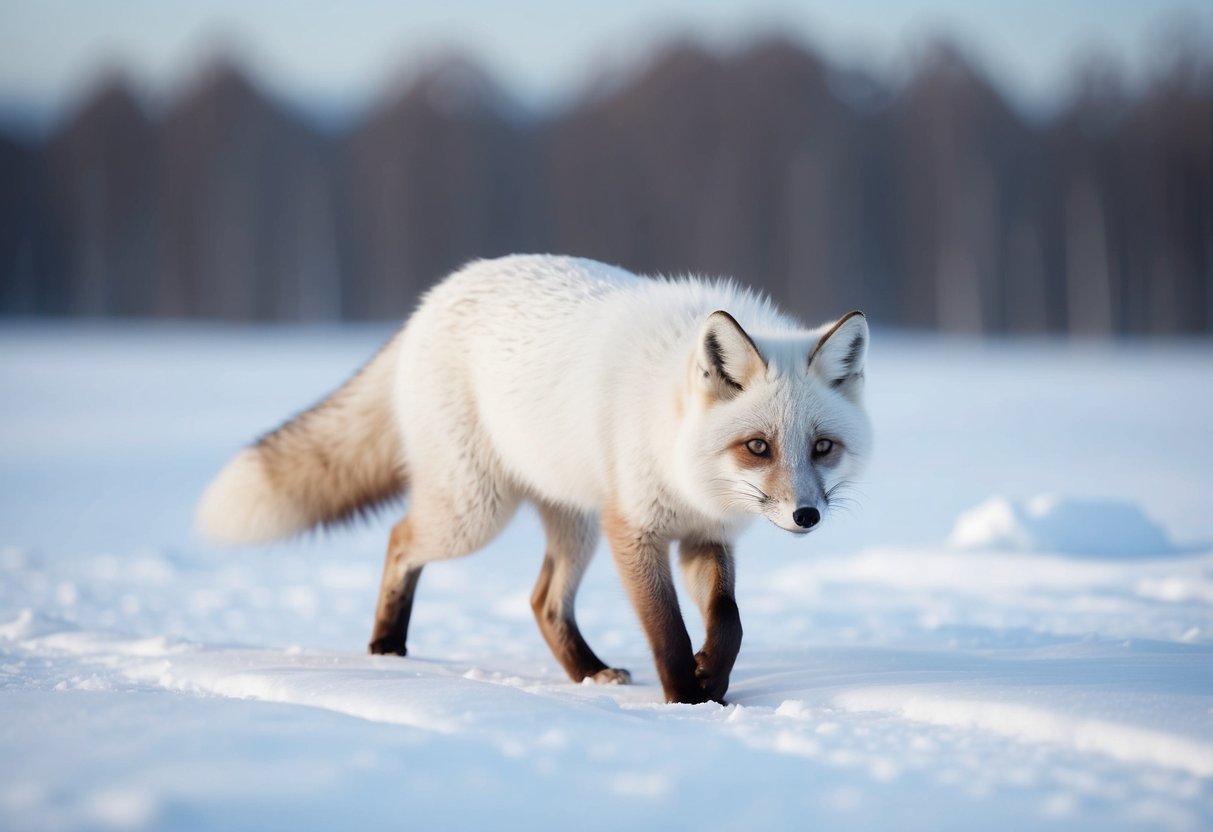
The behavior and ecology of Arctic foxes are shaped by their harsh polar environment. Their diet, reproductive habits, and competition with other species play vital roles in their survival. Understanding these aspects helps you appreciate how uniquely adapted these creatures are.
Diet and Prey
Arctic foxes are opportunistic feeders. They mainly hunt lemmings, which are a crucial part of their diet, especially during peak seasons. Their diet can also include small mammals, birds, eggs, and fish.
In winter, they often scavenge on the remains of larger animal kills, showcasing their resourcefulness.
Their camouflage helps them blend into the snowy landscape while hunting. This ability is vital because it allows them to approach prey more closely.
Scarcity of food forces Arctic foxes to adapt, shifting their diet based on availability. In coastal areas, they might find marine life, adding variety to their meals.
Predators and Competition
While Arctic foxes are skilled hunters, they face threats from natural predators like red foxes and larger birds of prey. Competition for food can become intense, especially in times of scarcity. Arctic foxes must be wary of their surroundings to survive.
Snow cover plays a pivotal role in their habitat. Thick snow can hide food sources, making it harder to hunt, which compels them to hunt more strategically.
This environment also affects their competition with other carnivores that share their ecosystem.
Reproduction and Lifespan
Arctic foxes generally mate during the spring. After a gestation period of about 52 days, a female can give birth to a litter of up to 14 kits, depending on food availability. Kits are born blind and stay in the den for several weeks.
Their lifespan in the wild is around three to six years, but some may live longer in captivity. The challenges of cold environments and food scarcity can impact how long these foxes thrive.
The need to gather food for their young often influences their behavior during the summer months when prey is more abundant.
Physical Characteristics and Behavior
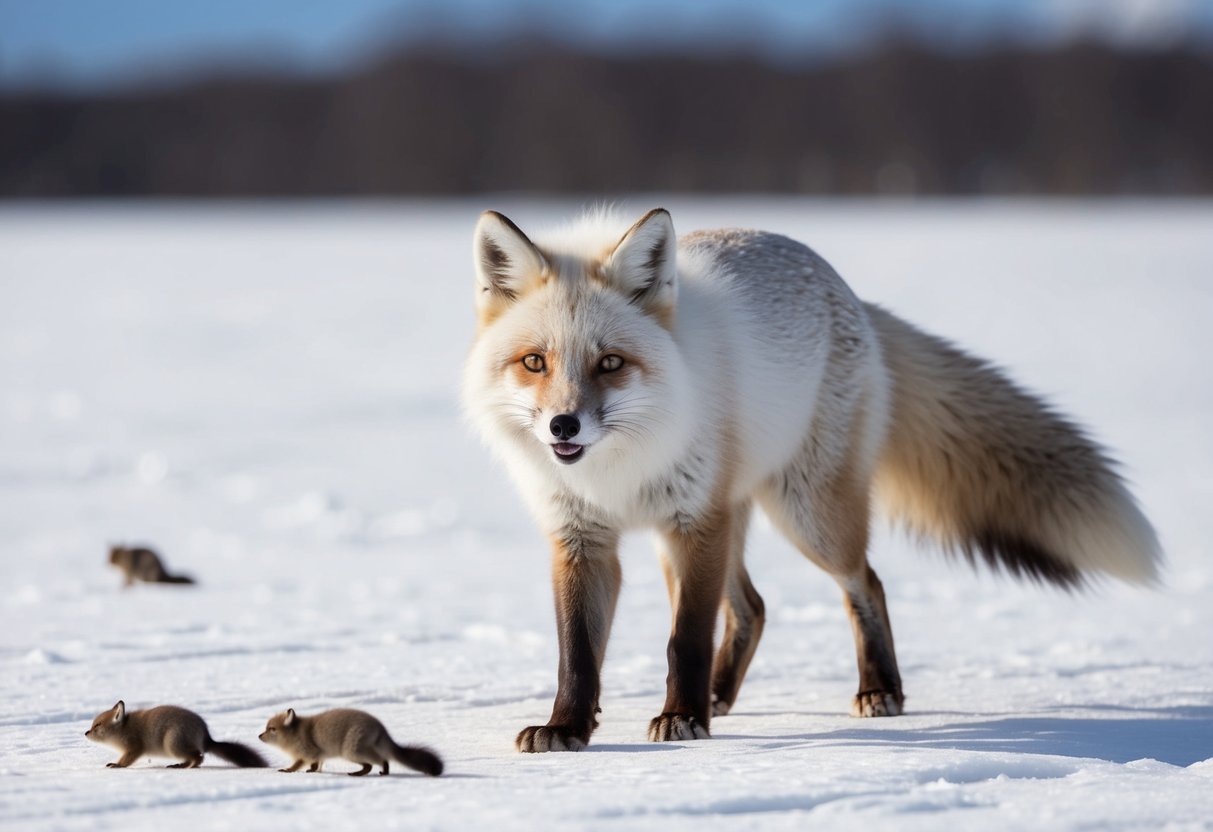
The Arctic fox has unique features that help it survive in its chilly habitat. Its fur color varies with the seasons, and it possesses special adaptations that keep it warm and hidden from predators.
Fur Color Variations
You will notice that the Arctic fox has different fur colors, depending on the season. In winter, it sports a thick, white coat that provides excellent camouflage against the snowy Arctic tundra. This helps it hide from predators like polar bears and red foxes.
In summer, its fur changes to a brown or grayish hue, blending in with the rocky landscape and melting sea ice. Some foxes may even have a sandy morph that allows them to blend with their more arid surroundings.
These color changes not only help with camouflage but also keep them safe from potential threats.
Adaptations to Cold
The Arctic fox possesses several adaptations to thrive in frigid temperatures. Its thick fur is critical for retaining body heat and insulating against cold winds. The fox also has furry soles that protect its feet from ice and snow.
In addition to its fur, the Arctic fox has short ears to minimize heat loss. When it gets really cold, the fox can curl up and use its bushy tail to cover its face and body, maintaining warmth.
These features are essential for survival as they roam the vast tundra in search of food, often hunting small rodents and birds.
Cultural and Human Interactions
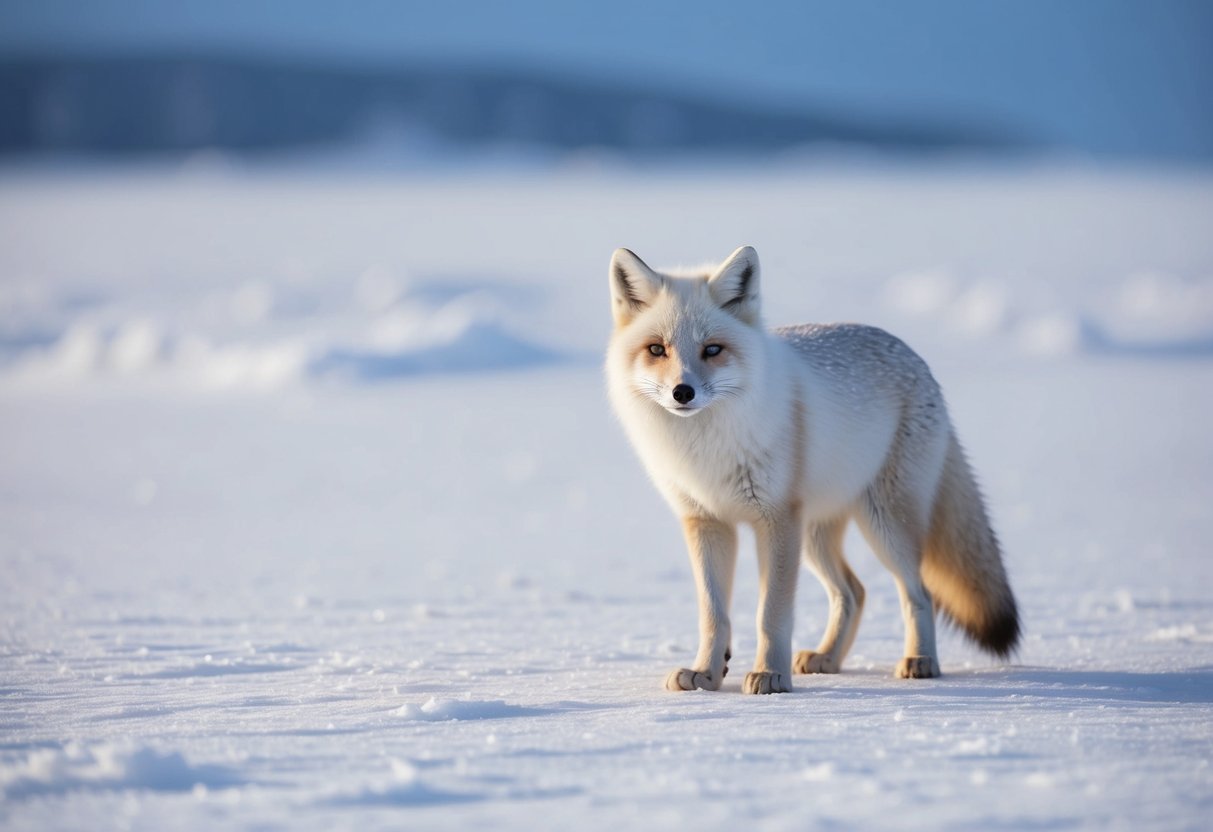
Arctic foxes face various challenges from human activities that impact their populations and habitats. Understanding these interactions helps highlight the importance of conservation and the need for protective measures.
Impact of Human Activities
Human activities greatly affect Arctic fox populations and their environments. Global warming is causing habitat changes, reducing pack ice, and threatening their food sources. As temperatures rise, food scarcity can lead to lower reproduction rates.
Pollution is another concern. Contaminants enter the Arctic ecosystems through industrial activities, mining, and shipping routes. These harmful substances can lead to diseases affecting Arctic foxes and reduce genetic diversity.
Conservation efforts are crucial to protect these animals. In regions like Greenland and Scandinavia, various initiatives aim to preserve habitats and maintain biodiversity. By supporting these efforts, you can help ensure that Arctic foxes continue to thrive in their natural habitats.


