
When you think of Arctic animals, the Arctic fox often comes to mind with its fluffy white fur and playful nature. You might wonder if these charming creatures can swim.
The truth is that while Arctic foxes can swim, they are not built for deep water like some other Arctic animals. Instead, they tend to stick to land, especially in their icy habitats.
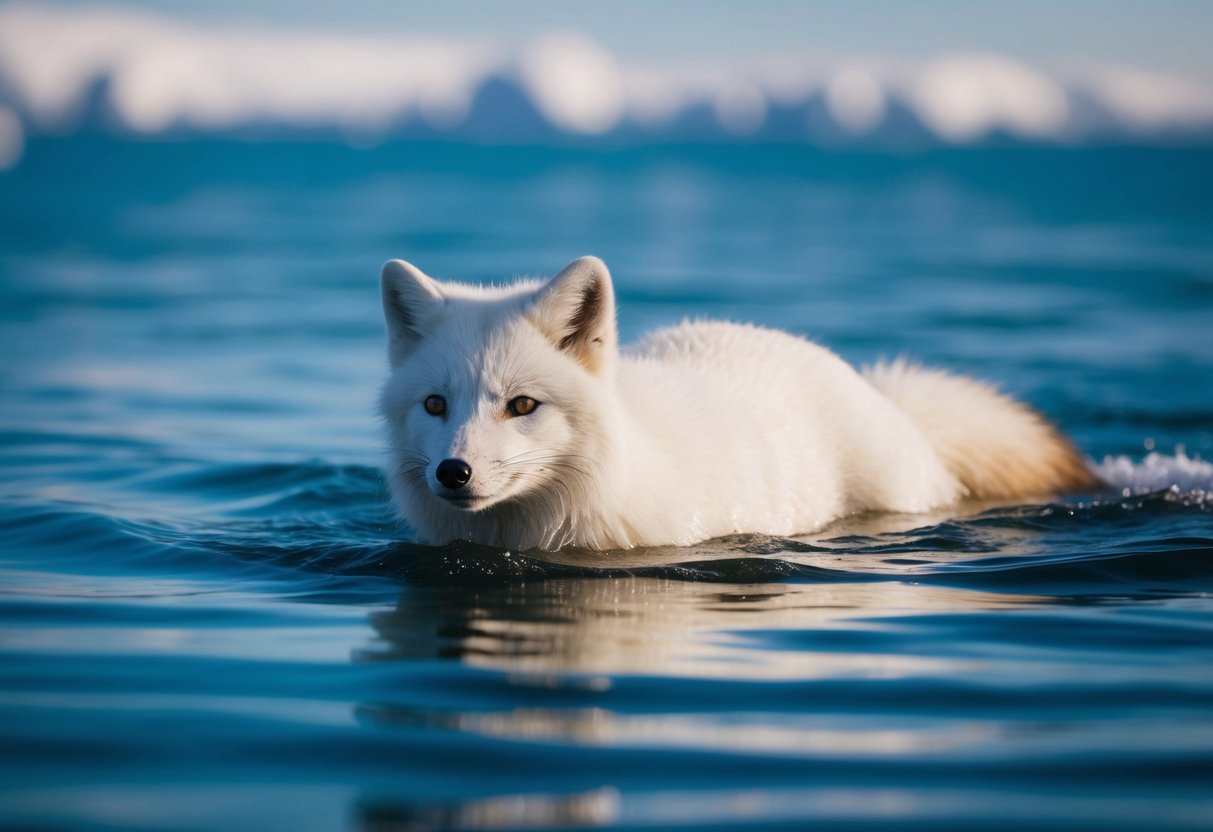
These small foxes have adapted to cold environments and are more comfortable running across the tundra than paddling through water. You may find that they will swim if necessary, especially close to shores, but it is not a common behavior.
Exploring whether Arctic foxes swim leads to interesting insights about their behavior and habitats. As you read on, you’ll discover more about their unique traits and what helps them thrive in some of the harshest climates on Earth.
Arctic Foxes: A Brief Overview

Arctic foxes are fascinating animals known for their unique adaptations to cold climates. They are well-equipped to survive in harsh conditions and have interesting life cycles and hunting habits. Let’s explore their physical traits, lifestyle, and breeding patterns.
Physical Characteristics and Habitat
The Arctic fox, or Vulpes lagopus, has thick fur that keeps it warm in freezing temperatures. This fur changes color with the seasons—white in winter for camouflage against snow and brown or gray in summer.
These compact animals are about 46-68 cm (18-27 inches) long, with a bushy tail that helps them balance.
You can find Arctic foxes in tundra and coastal areas, where they dig dens to protect themselves from the cold and predators. Their dens can be quite elaborate, even lasting for generations.
Diet and Hunting Behaviors
Arctic foxes are opportunistic feeders, known for their varied diet. They hunt small mammals like lemmings, voles, and even seabirds.
During winter, they may follow polar bears to scavenge leftovers from their kills.
Their keen sense of smell allows them to detect prey hidden under snow, sometimes digging to reach it.
In addition to hunting, they store food by burying it for later use, which is essential when food is scarce.
Reproduction and Lifecycle
Mating season for Arctic foxes occurs in late winter. After a gestation period of about 52 days, the female gives birth to a litter of 5-10 kits.
These kits are born blind and helpless, relying on their parents for food and protection.
As they grow, the young foxes learn essential survival skills. Their lifespan in the wild typically ranges from 3 to 6 years, but some can live over 15 years in captivity with proper care.
Arctic fox populations face challenges, including habitat loss, but their adaptable nature helps them thrive in extreme environments.
Arctic Foxes in the Ecosystem
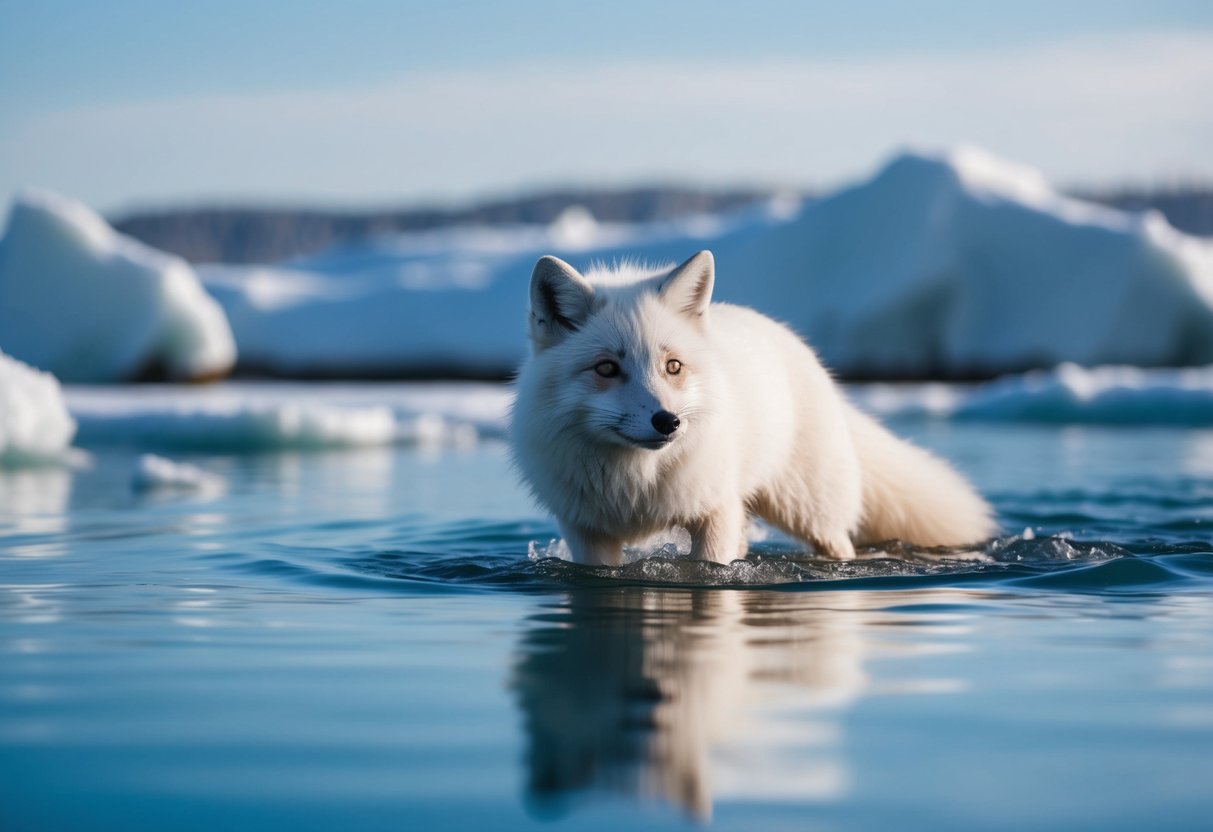
Arctic foxes play an important role in their ecosystem as both predators and prey. They have a diverse diet that helps balance their environment. Understanding their interactions with other species, including their food sources and predators, highlights their importance in the Arctic ecosystem.
Prey and Predators
You might be surprised to learn that Arctic foxes have a varied diet. They predominantly feed on small mammals, such as lemmings and voles. These little creatures make up a significant portion of their diet, especially during peak populations.
In addition to rodents, Arctic foxes also hunt arctic hares, birds, and even fish when available. Their keen senses allow them to locate prey in thick snow.
But they are not just hunters. They are also preyed upon by larger animals. Polar bears and golden eagles can pose serious threats to Arctic foxes. When facing these predators, foxes often rely on their agility and the ability to hide in their snowy environment to survive.
Role as Omnivores
Being omnivores gives Arctic foxes a flexible diet. They don’t only eat meat; they also consume fruits and plants when other food is scarce. Berries are a favorite when they are in season, providing vital nutrients and energy.
This adaptability helps them thrive in an environment where food can be hard to find. They often scavenge leftover kills from larger predators, ensuring nothing goes to waste.
The variety in their diet helps maintain balance in their ecosystem. By controlling populations of small animals and dispersing seeds from berries, Arctic foxes contribute to the health of their habitats. They really are essential players in the Arctic landscape!
Swimming and Movement

Arctic foxes are fascinating creatures with unique abilities. They can swim and use various forms of movement to thrive in their harsh environments. Let’s explore how these animals fare in water and their other locomotive skills.
Can Arctic Foxes Swim?
Yes, Arctic foxes can swim. They often use this skill to navigate between sea ice, lakes, and rivers. In a single journey, they can swim distances of up to 2 kilometers. Their thick, puffy coats provide buoyancy, which aids in their swimming efforts.
When swimming, you might wonder how fast they can go. Although exact speeds for swimming aren’t commonly measured, their agility in water helps them catch food like fish and birds. Despite their swimming abilities, sightings of Arctic foxes swimming over long distances are quite rare.
Other Locomotive Abilities
In addition to swimming, Arctic foxes are excellent runners. They can sprint at speeds of up to 50 km/h (about 31 mph). This quickness is crucial for escaping predators and chasing prey.
Their agility extends to jumping and climbing as well. While they aren’t tree climbers like some fox species, they can leap across snow and navigate rocky terrains effectively. This combination of skills allows them to survive and adapt to their cold, Arctic habitat.
So, whether swimming in icy waters or sprinting across the tundra, Arctic foxes are remarkable in their movement abilities.
Adaptations to the Arctic Environment
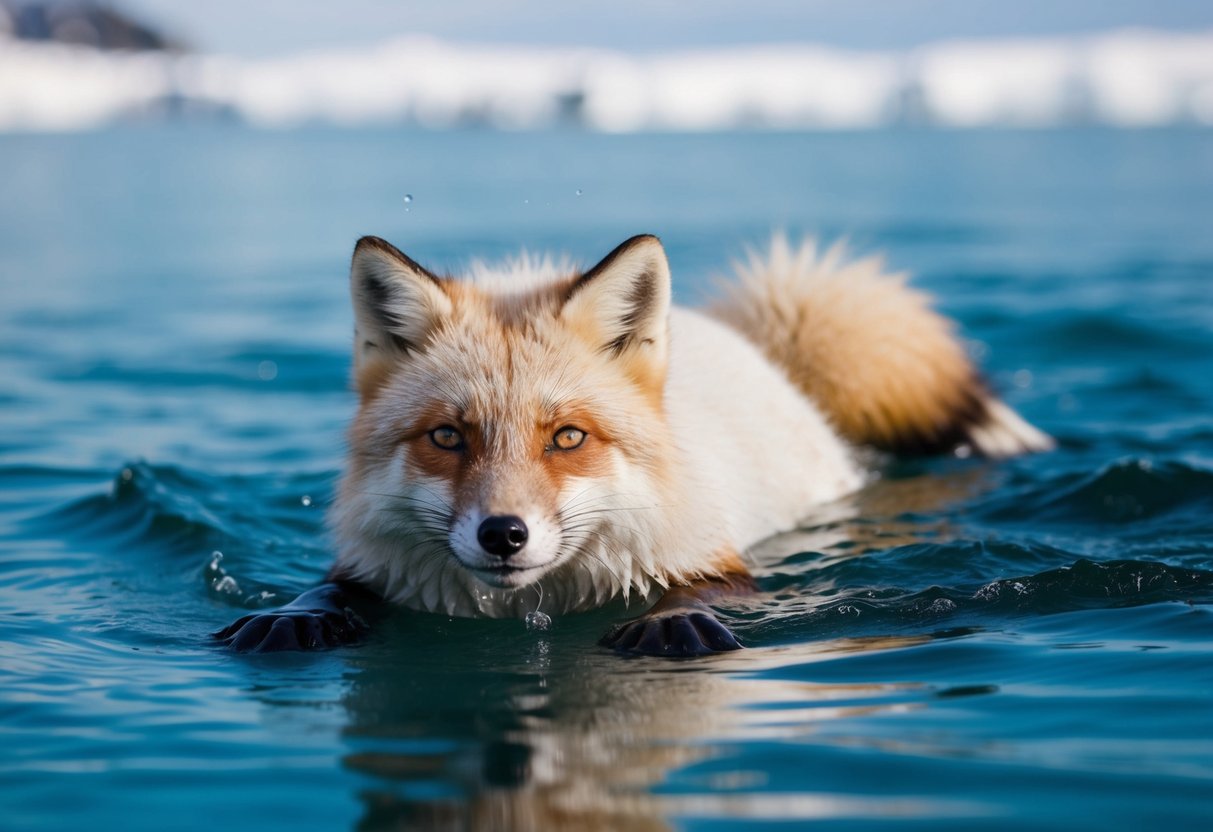
Arctic foxes have developed unique adaptations that help them survive in the harsh Arctic environment. These adaptations include physical traits and behaviors that allow them to thrive in extreme cold and changing conditions.
Survival Mechanisms
Arctic foxes have several survival mechanisms that make them well-suited for their environment. Their thick fur provides excellent insulation, keeping them warm during frigid temperatures. The fur on their feet has a dense pad that helps them walk on ice and snow without getting hurt.
They are skilled hunters, primarily preying on lemmings and other small animals. Their keen sense of hearing allows them to locate prey even under snow. During winter, they dig dens in the snow to create a cozy shelter where they can rest and raise their young. These dens can be quite complex, providing safety from predators and harsh weather.
Effects of Climate Change
Climate change poses significant threats to Arctic foxes and their habitats. As temperatures rise, sea ice is melting and impacting their hunting grounds. This change can reduce the availability of prey, putting more stress on their survival.
Additionally, decreased snow cover affects their ability to find food and build dens. Warmer temperatures also mean arctic foxes may face competition from other species, such as red foxes, which can move into their territory. These challenges highlight the importance of conservation efforts to protect these remarkable animals and their unique adaptations to the Arctic tundra and alpine tundra.


