
If you’re eager to see the elusive Arctic fox in Finland, you’re in for a treat. The remote areas of Urho Kekkonen National Park and its surrounding wilderness are the best places to spot these beautiful creatures. These locations offer a unique chance to encounter Arctic foxes in their natural habitat, away from the hustle and bustle of human activity.
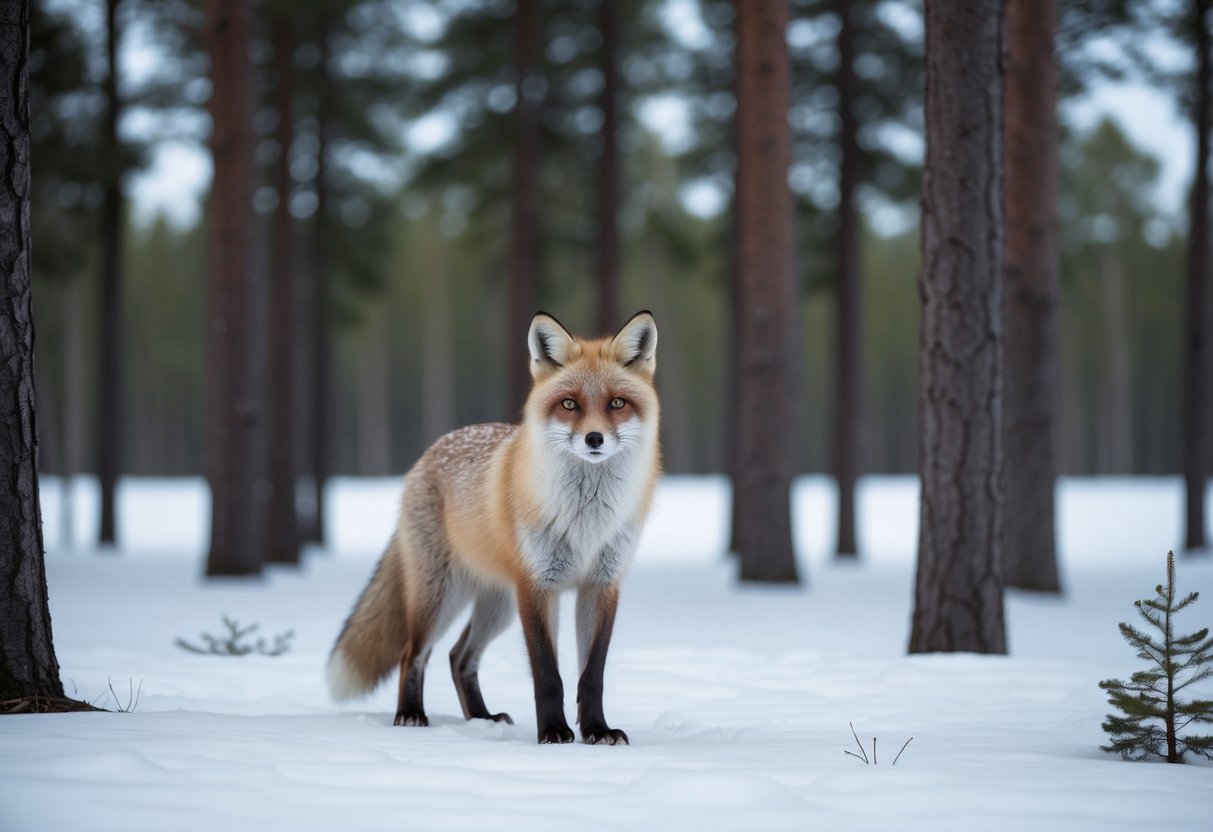
As you explore the picturesque Finnish landscapes, remember that the Arctic fox’s fur changes color with the seasons. In winter, their white coats blend well with the snowy environment, making them harder to spot. Visiting during the right time of year can give you the best chance to catch a glimpse of these stunning animals while you enjoy the breathtaking scenery.
Watching an Arctic fox in the wild is a magical experience that connects you to Finland’s rich wildlife. Make sure to dress warmly and bring your camera for an unforgettable adventure in nature!
Exploring Arctic Fox Habitats in Finland
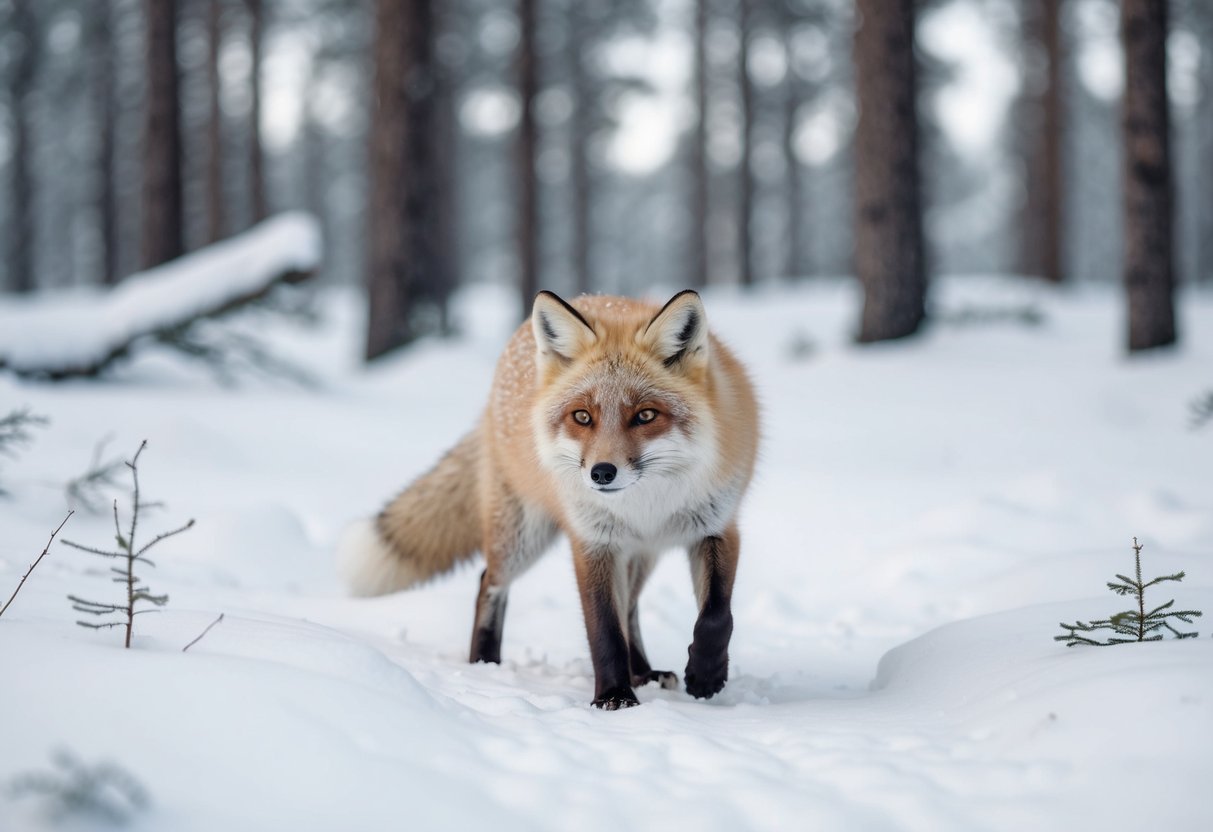
Finland offers unique environments for you to catch a glimpse of the elusive Arctic fox. Focused mainly in Lapland, these habitats provide a safe haven for these endangered animals. Your journey can be enriched by knowing where to find them and how to observe them respectfully.
Lapland: A Haven for Arctic Foxes
Lapland is the prime location to see Arctic foxes. The region’s tundra and mountainous areas create the perfect habitat for these animals. You can often find them above the treeline, where they thrive in the cold climate.
Key places to visit include the remote areas of Urho Kekkonen National Park. The untouched wilderness here provides a rich food supply, making it easier for you to spot these rare creatures. Additionally, the landscapes are breathtaking, allowing for fantastic photography opportunities.
National Parks and Observing Guidelines
Visiting national parks is a great way to see Arctic foxes while ensuring their protection. Always follow guidelines set by Metsähallitus, the Finnish National Parks authority. These help conserve the Arctic fox population and their natural habitats.
When in the parks, maintain a safe distance. Using binoculars can enhance your viewing experience without disturbing the animals. It’s also important to avoid leaving any litter behind, as this can harm wildlife.
Conservation Efforts for Finnish Arctic Foxes
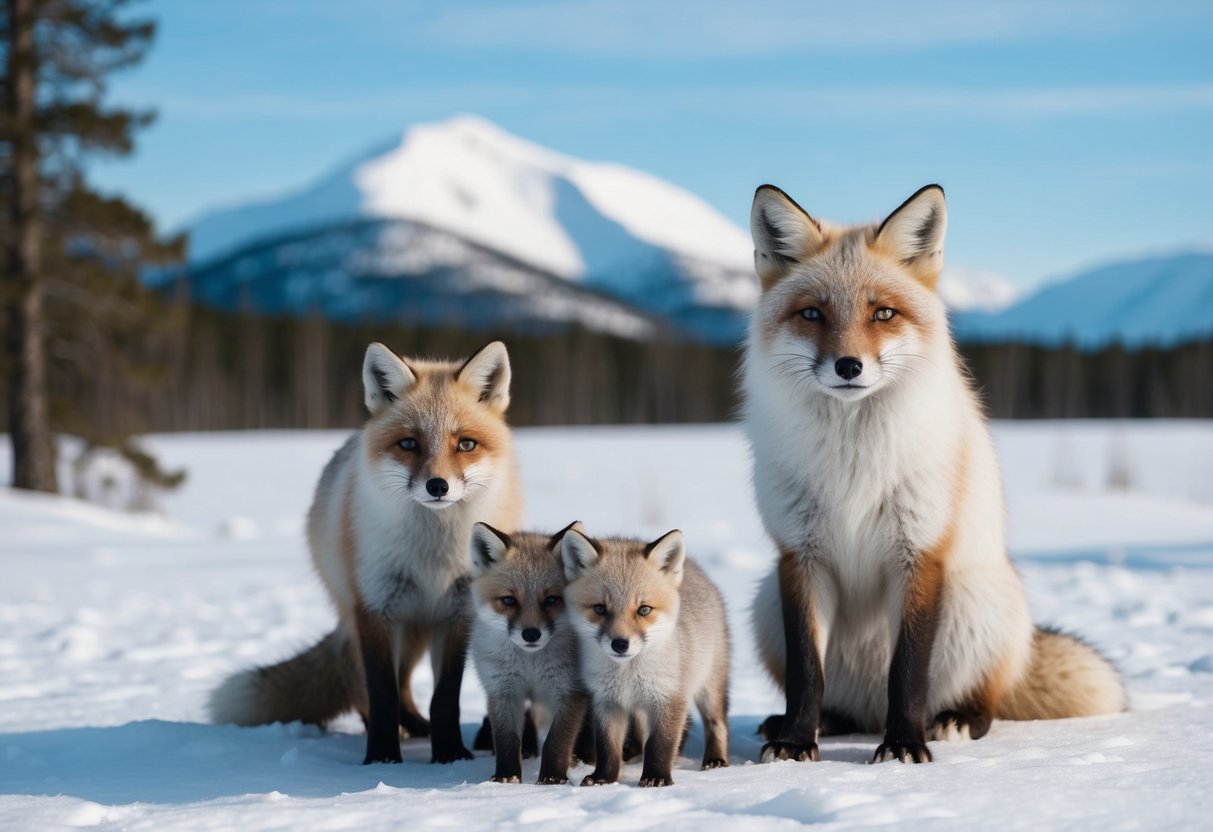
The Arctic fox in Finland faces significant threats. Different organizations and researchers are actively working to ensure the survival of this critically endangered species. In this section, key conservation efforts will be highlighted, focusing on the threats the species faces and the programs in place to promote recovery.
Understanding the Threats: Hunting, Global Warming, and Predation
The Arctic fox is threatened by various factors. Hunting has historically reduced their numbers. In addition, global warming alters their habitat and food sources.
The melting ice affects the availability of prey they rely on. As temperatures rise, competition with the red fox increases, putting more stress on the Arctic fox population.
Predation by larger animals can also hinder their recovery. Understanding these threats is essential for creating effective conservation strategies and ensuring their survival in the wild.
WWF Finland and Recovery Programs
WWF Finland is at the forefront of Arctic fox conservation. They run several recovery programs aimed at increasing the population and expanding their habitat.
One method involves breeding programs to raise Arctic fox cubs in protected environments. They’re then released into the wild to strengthen the genetic diversity of the population.
Additionally, WWF collaborates with neighboring countries like Sweden and Norway, sharing resources and strategies for effective conservation. This regional effort is vital, as the Arctic fox migrates across borders.
Through these initiatives, WWF Finland hopes to see a brighter future for the Arctic fox in Finland.
The Role of Research and Monitoring
Research and monitoring play crucial roles in the conservation of Arctic foxes. By studying their behavior and population dynamics, scientists can identify successful breeding sites.
Monitoring programs track the foxes’ movements and health, providing vital data for conservation efforts. This information helps refine breeding programs and habitat management strategies.
Moreover, public awareness campaigns educate the community about the Arctic fox’s challenges. Involving local people adds an essential layer of support for conservation efforts. Together, research and community involvement are key to safeguarding these unique animals for future generations.
Witnessing Arctic Fox Behavior and Life Cycle
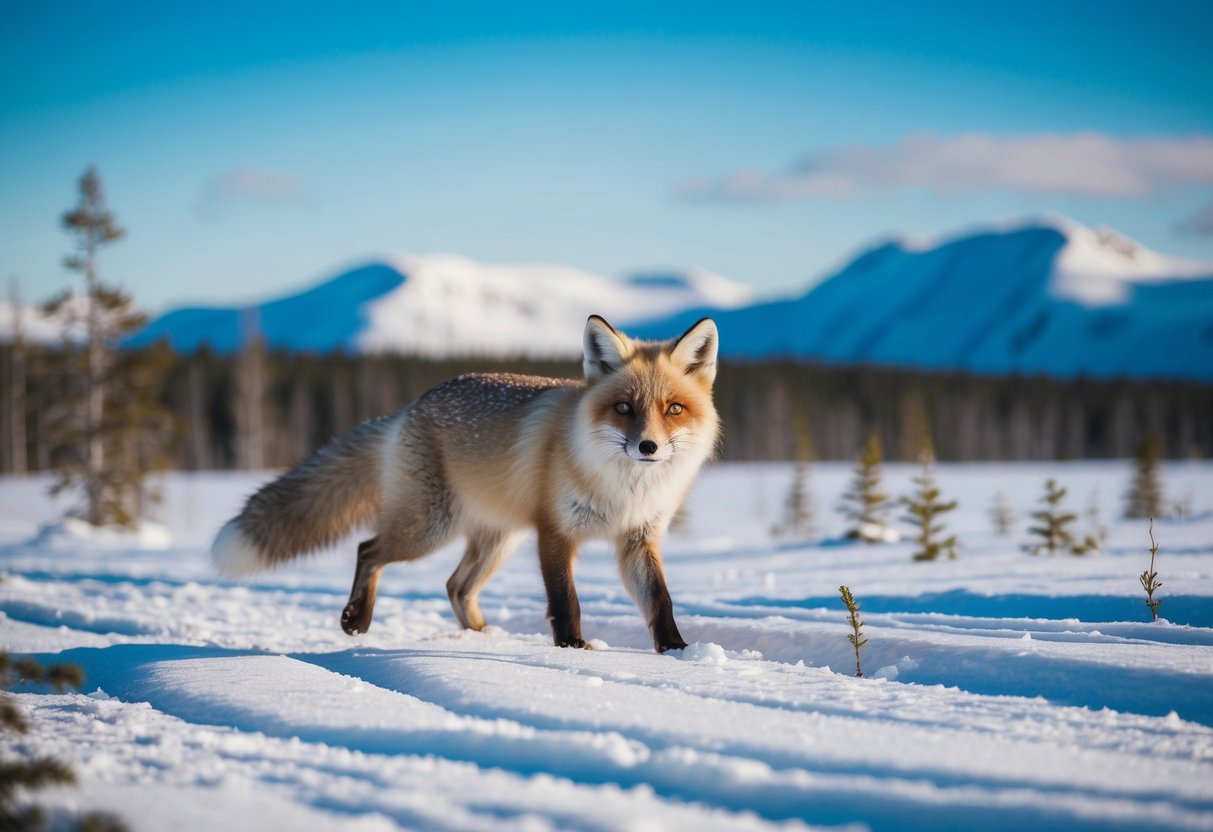
When you observe Arctic foxes in their natural habitat, you’ll notice their fascinating behaviors and unique life cycle. Understanding these aspects can greatly enhance your experience while observing them in Northern Lapland.
Breeding and Raising Pups in Northern Lapland
In Northern Lapland, Arctic foxes typically breed in March or April. After a gestation period of about 52 days, the female gives birth to a litter of pups, usually between 5 and 10.
These pups are born in dens, often dug into the tundra. The mother primarily cares for them, while the male provides food. As the pups grow, they become curious and start to explore their surroundings, playing with each other and learning vital survival skills.
By late summer, you’ll see them starting to hunt small rodents, such as lemmings and voles, under the guidance of their parents. This learning phase is crucial, as their ability to hunt will impact their survival in the wild.
Diet and Survival in Harsh Conditions
The Arctic fox has adapted well to its harsh environment. Its diet mainly consists of small mammals like lemmings and voles, which are abundant in the region.
During times of scarcity, they are known to scavenge carrion or search for seabird eggs. These foxes have a unique hunting technique, using their keen sense of hearing to locate prey under the snow.
Their thick fur provides insulation against extreme cold, enabling them to thrive in temperatures as low as -70°C. Observing their clever methods of finding food and keeping warm offers a glimpse into their remarkable survival skills in the wild.
Engaging with Arctic Foxes Responsibly
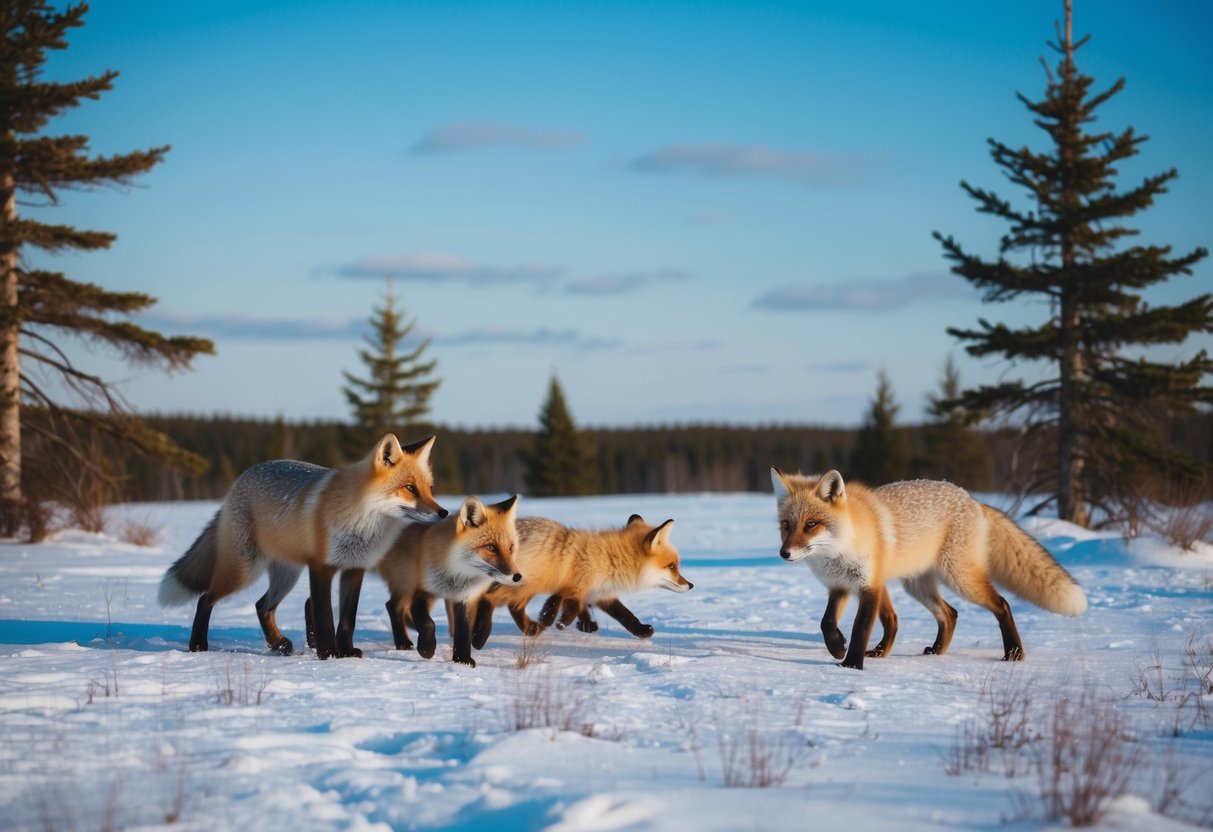
When you plan to see Arctic foxes in Finland, it’s essential to engage responsibly. Following guidelines ensures their safety and promotes conservation. Here are some helpful tips for your adventure.
Guidelines for Ethical Wildlife Watching
Start by keeping a safe distance. Use binoculars or a camera with zoom to observe without disturbing them. Remember, approaching too closely can stress these delicate animals.
Do not feed Arctic foxes. Human food can harm their health and make them dependent on people. Stay quiet and minimize your presence when watching. This respect helps maintain their natural behaviors.
Follow local regulations and guidelines. Some areas may have specific rules about wildlife watching to protect species and habitats. Always tread lightly on trails and avoid trampling on sensitive vegetation.
Supporting Conservation through Tourism
Choosing ecotourism can help support Arctic foxes. Look for tours that promote conservation efforts. Many operators contribute a portion of their profits to wildlife preservation initiatives.
You can also educate yourself and others about Arctic foxes. Share what you learn with friends and family. Raising awareness can inspire more people to support wildlife conservation.
Participating in local conservation projects is another rewarding option. Many organizations welcome volunteers who can help with monitoring or habitat restoration. Your involvement can directly impact these vulnerable creatures and their environment.


