
Arctic foxes are some of the most fascinating animals in the Arctic. They have unique traits that allow them to thrive in extreme cold. Here are 10 fun facts about Arctic foxes that highlight their adaptability and charm, showing why they are such beloved creatures in the wild.

These clever little foxes change their fur color with the seasons, allowing them to blend into their environment. In winter, their thick fur turns white to camouflage against the snow, while it shifts to a brown or gray shade in summer. Their compact bodies help them conserve heat, making them expertly designed for survival in harsh conditions.
If you’ve ever wanted to learn more about these remarkable animals, you’re in the right place. From their playful behavior to their impressive hunting skills, Arctic foxes are full of surprises. Get ready to discover more about what makes them truly special!
Physical Characteristics and Adaptations
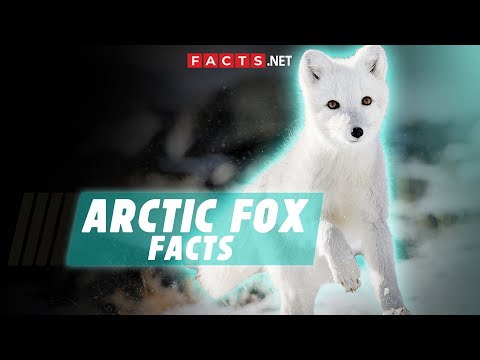
Arctic foxes have unique features that help them thrive in their cold environment. Their physical characteristics and adaptations include excellent insulation, specific camouflage abilities, and variations in color morphs. These traits support their survival in extreme conditions.
Insulating Features
The Arctic fox is known for having the warmest fur of any terrestrial animal. This thick coat provides excellent insulation, keeping their body heat from escaping in freezing temperatures. During winter, their fur is especially dense, creating a cozy barrier against the cold.
In addition to their fur, Arctic foxes have furry soles on their feet. This unique adaptation offers better grip on icy surfaces while providing extra insulation against the cold ground. When they need to dig for food, their strong legs and padded feet allow them to move quickly through snow.
The combination of these insulating features helps Arctic foxes stay warm, even when temperatures drop below -50°C. They can run, hunt, and play in the snow, thanks to their clever adaptations.
Camouflage Abilities
Arctic foxes possess impressive camouflage abilities that play a crucial role in their survival. During winter, their white fur allows them to blend in seamlessly with the snow. This helps them avoid predators and sneak up on their prey.
In summer, Arctic foxes shed their white fur for a brown or gray coat. This change allows them to blend in with the tundra’s rocky and grassy landscape, keeping them hidden from both predators and prey alike.
The ability to camouflage ensures that you can spot an Arctic fox only if you’re paying close attention. This skill is essential for both hunting and staying safe in the wild.
Variations in Color Morphs
There are two main color morphs of the Arctic fox: the white morph and the blue morph. The white morph is most common during winter, while the blue morph is often seen in summer.
The blue morph has a grayer coat with shades of brown or blue, offering effective camouflage among summer vegetation. These variations allow Arctic foxes to adapt to different environments and seasons effectively.
This color-changing ability not only aids in protection but also helps in regulating their body temperature by absorbing or reflecting sunlight. Such adaptations enable Arctic foxes to survive in their harsh habitats.
Behavioral Traits

Arctic foxes display fascinating behaviors that help them thrive in their harsh environment. Their unique hunting techniques, mating habits, and adaptation strategies against climate change highlight their resilience and resourcefulness.
Hunting Techniques
Arctic foxes are skilled hunters. They mainly prey on small animals like lemmings. They have a special hunting strategy where they pounce on their prey from above the snow. This technique helps them catch lemmings even when they are hidden underneath.
Sometimes, they hunt in pairs or small groups, making it easier to catch larger prey. In summer, they can also scavenge from polar bear kills. Their keen sense of hearing allows them to locate prey buried beneath the snow. Thus, their hunting methods are adaptable to seasonal changes.
Mating and Reproduction
Arctic foxes are monogamous and often mate for life. During the breeding season, which occurs in early spring, they create dens together. The female gives birth to a litter of 5 to 10 pups.
Both parents are involved in raising the young, feeding them until they become independent. The pups are playful and curious, learning skills through play. This family bond is essential for survival, especially in such a challenging environment.
Adaptation to Climate Change
As climate change affects the Arctic, foxes display remarkable adaptability. They adjust their hunting patterns and food sources based on changing conditions. Sometimes, they face competition from larger predators, like polar bears.
To cope with these challenges, Arctic foxes use their intelligence and resourcefulness. They can also alter their nesting habits to ensure their young are safe. This flexibility in behavior showcases their ability to survive and thrive despite the harsh and changing environment.
Habitat and Diet

Arctic foxes have adapted to thrive in one of the harshest environments on Earth. Their habitat and dietary choices are closely linked to the challenges they face in the polar region.
Arctic Tundra Environment
The Arctic tundra is a cold, treeless region found mainly in the northern hemisphere. Here, you will encounter long winters with deep snow cover and brief summers. The landscape is dotted with low shrubs, mosses, and lichens.
Arctic foxes make burrows in the ground or use old dens from other animals as shelter. They are well-equipped for the cold, with thick fur that helps them stay warm. Their coat color changes with the seasons, providing excellent camouflage against the snow in winter and the earthy tones in summer.
Dietary Preferences
As omnivores, Arctic foxes have a varied diet that allows them to adapt to the food sources available throughout the year. They primarily hunt small mammals, like voles and lemmings, which are plentiful during the summer months.
In addition to mammals, they also eat birds, berries, and even fish when the opportunity arises. During harsher conditions, they can scavenge on remains left by larger predators, like polar bears. Their ability to consume a wide range of foods helps them survive in the demanding Arctic environment.
Conservation and Coexistence

Understanding the challenges Arctic foxes face is important for their survival and coexistence with other species, including the red fox. These topics shed light on their role in the ecosystem and the need for conservation efforts.
Threats to Survival
Arctic foxes face several threats in their environment. Climate change is one of the most significant issues. As temperatures rise, the habitat required by Arctic foxes shrinks. This affects their ability to find prey, such as lemmings.
- Habitat loss: Melting ice and shifting ecosystems can lead to reduced hunting grounds.
- Competition: Red foxes, which are larger and more aggressive, often invade Arctic fox territories. This competition for resources can threaten the populations of Arctic foxes.
Pollution is another problem, as toxins can accumulate in their food sources. With a lifespan of around 3 to 6 years in the wild, young foxes may struggle to survive these challenges.
Coexistence with Other Species
Arctic foxes play a vital role in their ecosystem. They are scavengers and help control the populations of small mammals, which maintains balance. Their keen sense of smell assists them in locating carcasses or hidden prey.
While Arctic foxes are members of the canidae family, their relationship with red foxes can be complicated.
- Resource sharing: In some areas, they may avoid direct conflict by utilizing different hunting grounds.
- Mutual benefits: When numbers are stable, both species maintain the balance and contribute to a healthy ecosystem.
By focusing on conservation efforts, we can help ensure that Arctic foxes and red foxes coexist peacefully in their habitats.


