
You might wonder if arctic foxes have gone extinct. Fortunately, while they face serious threats, including habitat loss and climate change, they are not extinct. These charming creatures are struggling in certain areas, but conservation efforts are helping to boost their populations.

Arctic foxes are an important part of their ecosystem, yet they are classified as near threatened in some regions.
As temperatures rise and their habitats change, these foxes are pushed to adapt quickly. The ongoing impact of climate change and increased competition from other species, like the red fox, adds more challenges to their survival.
Conservation groups are working hard to protect arctic foxes through various initiatives. It’s essential for you to understand the role you can play in supporting these efforts.
By raising awareness and taking action, you can help ensure that future generations will still have the chance to see these beautiful animals in their natural habitat.
The Arctic Fox: An Overview
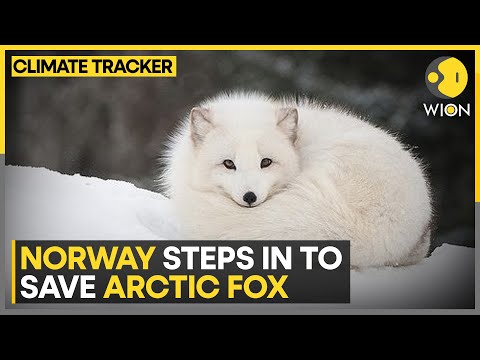
The Arctic fox is a remarkable species adapted to survive in extreme cold and challenging environments. This section covers their habitat, physical traits, and unique behaviors, highlighting what makes them fascinating creatures of the Arctic.
Habitat and Distribution
You can find Arctic foxes primarily in the Arctic tundra, an ecosystem filled with low vegetation and icy conditions. They thrive in areas across the northern regions of North America, Europe, and Asia.
These foxes make their homes in dens dug into the ground or among rocky outcrops. Their seasonal migration often follows the movements of their prey, mainly lemmings and other small rodents, which they depend on for food.
As the climate changes, the distribution of Arctic foxes is affected. Warmer temperatures can lead to a decrease in their habitat and an increase in competition from larger red foxes.
Physical Characteristics
Arctic foxes are small yet sturdy animals, weighing between 6 to 24 pounds. They have thick, fluffy coats that keep them warm in harsh climates. Their fur changes color with the seasons: white in winter and brown or grey in summer.
This color change helps them blend into their surroundings, providing excellent camouflage from predators. Their short muzzle and small, rounded ears are adaptations that minimize heat loss.
Another interesting feature is their bushy tail, which they use for balance and as a blanket to cover their faces during cold weather. You may also notice their short legs; they help them walk easily on snow.
Behavior and Diet
Arctic foxes are known for their clever hunting strategies and resourcefulness.
Their primary diet consists of lemmings, but they also catch other rodents and birds when needed. During times of low prey availability, they will even scavenge on carcasses left by larger predators.
This adaptability is crucial for survival in the unpredictable Arctic ecosystem.
You might find them solitary or in small family groups, especially during the breeding season. They communicate using a range of vocalizations, from barks to howls, and they are known for their playful behavior.
In summary, the Arctic fox exhibits fascinating adaptations and behaviors that enable them to thrive in some of the world’s harshest climates.
Threats to Survival

Arctic foxes face several serious threats to their survival. Factors such as climate change, competition with other animals, and human-related activities play crucial roles in their declining numbers. Understanding these challenges can help in their conservation.
Climate Change and Melting Sea Ice
Climate change significantly affects Arctic foxes. As temperatures rise, it leads to melting sea ice, disrupting their habitat. This can make finding food harder, as many of their prey, like lemmings, depend on specific conditions.
During warmer months, the changing landscape may also allow more red foxes to move into Arctic regions. This competition for resources puts additional stress on Arctic fox populations. As their habitat shrinks, it becomes increasingly difficult for these foxes to thrive.
Competition and Predators
In the Arctic, Arctic foxes must compete with various other predators. Species like golden eagles and wolverines directly threaten young foxes and their dens.
Increased predation can lead to lower survival rates for pups, especially during lean food periods. Moreover, when rodent populations, a primary food source, fluctuate, the foxes may face food shortages.
If prey is limited, it can lead to fewer litters and lower pup survival, which impacts the population’s growth and stability.
Human Impact and Hunting
Human activities have a major impact on Arctic foxes. Habitat loss due to development, pollution, and climate change can reduce their natural living spaces. Additionally, the fur trade poses risks, as foxes may be hunted for their pelts.
Having a better understanding of these threats is essential for conservation efforts. By addressing these issues, we can help protect Arctic foxes and ensure their survival for years to come.
Conservation Status and Efforts

The conservation status of Arctic foxes is critical, with various initiatives in place to protect and revive their dwindling populations. Key strategies include creating protected areas, implementing captive breeding programs, and conducting ongoing research.
Protected Areas and Legal Protection
Protected areas play an essential role in safeguarding Arctic fox habitats. In countries like Norway, Sweden, and Finland, these regions offer safe spaces for Arctic foxes to thrive. Legal protections help ensure that human activities do not harm their populations.
By establishing national parks and wildlife reserves, authorities provide environments where Arctic foxes can hunt and breed without significant threats. The International Union for Conservation of Nature (IUCN) includes the Arctic fox in its Red List, marking them as critically endangered in several areas.
Captive Breeding and Reintroduction
Captive breeding programs are crucial for increasing Arctic fox populations.
Organizations, such as the WWF, support these efforts by breeding Arctic foxes in controlled environments. The goal is to produce healthy breeding pairs that can be reintroduced into the wild.
Norway and Sweden have successfully maintained breeding programs, which help combat genetic pollution that can occur when isolated populations interbreed. With over 550 Arctic foxes now living in the wild through these programs, the future looks more hopeful. These efforts are significant to revitalize the population in regions where they have vanished, such as Finland.
Research and Monitoring
Ongoing research and monitoring are vital for understanding the needs of Arctic foxes. Scientists study their behaviors, habitats, and population trends to implement effective conservation strategies.
Tracking their movements and health is essential in assessing the success of conservation efforts. This research is particularly important in Fennoscandia, where the Arctic fox has faced severe population decline. By collecting data, conservationists can adapt their approaches to better protect these animals and their ecosystems.
The Future of the Arctic Fox

The Arctic fox faces many challenges in the coming years. You can learn about their vital role in the ecosystem, their ability to adapt to changes, and the need for ongoing conservation efforts. Each of these aspects helps shape the future for these fascinating animals.
The Role in the Ecosystem
The Arctic fox, or Vulpes lagopus, plays an important role in the Arctic ecosystem. They help control rodent populations, which can otherwise overpopulate if left unchecked.
By preying on lemmings and other small animals, Arctic foxes maintain a balance in their environment. When rodent populations are high, Arctic foxes thrive. This relationship supports the overall health of the Arctic region.
Their activities also help with nutrient recycling in the tundra. As they hunt, they influence the distribution of plant species and the health of the soil.
Adaptation and Resilience
Arctic foxes are known for their remarkable adaptability. They can adjust their diet based on what is available, eating fruits, fish, or even carrion when necessary.
Despite habitat loss due to warming in the Arctic, they have shown resilience. However, the shift in climate alters prey availability and may lead to competition with the red fox, which is moving into their territory.
Genetic diversity is vital for their survival as well. A strong gene pool can enhance their ability to adapt to new challenges. Ensuring healthy populations helps Arctic foxes remain resilient in the face of environmental changes.
The Importance of Continuous Efforts
Conservation efforts are essential to the future of Arctic foxes. The warming Arctic presents greater risks, so we must protect their habitat.
By supporting policies that mitigate climate change, you can contribute to a healthier ecosystem. This also includes efforts to control hunting and habitat destruction.
Community involvement is key. Education and awareness can lead to better protection strategies for these unique animals. You can make a difference by advocating for the Arctic fox and promoting the importance of genetic diversity within the species.
Every action counts in preserving the future of the Arctic fox.


