
Arctic foxes, known scientifically as Vulpes lagopus, are remarkable creatures that have adapted to some of the coldest environments on Earth. Unfortunately, these clever animals face various dangers that threaten their survival. One major danger to Arctic foxes includes habitat loss due to climate change. Climate change is rapidly altering their icy homes and impacting their food sources.
In addition to climate change, hunting and trapping for their fur has significantly reduced their populations in some areas. This is not just a problem for the foxes themselves, but also disrupts the delicate balance of the Arctic ecosystem. You may also be surprised to learn that as these foxes become more accustomed to human presence, some have been involved in livestock attacks, leading to increased calls for management efforts.
Conservation efforts are vital in addressing these challenges. By supporting wildlife protection initiatives and understanding the specific threats Arctic foxes face, you can help ensure a future for these fascinating animals and the ecosystem they inhabit.
Natural Habitat and Lifestyle
The Arctic fox thrives in unique conditions of the Arctic tundra, displaying remarkable adaptations for survival. This section explores how these foxes are built for their cold surroundings, their breeding habits, and what they enjoy munching on in their environment.
Distinctive Adaptations
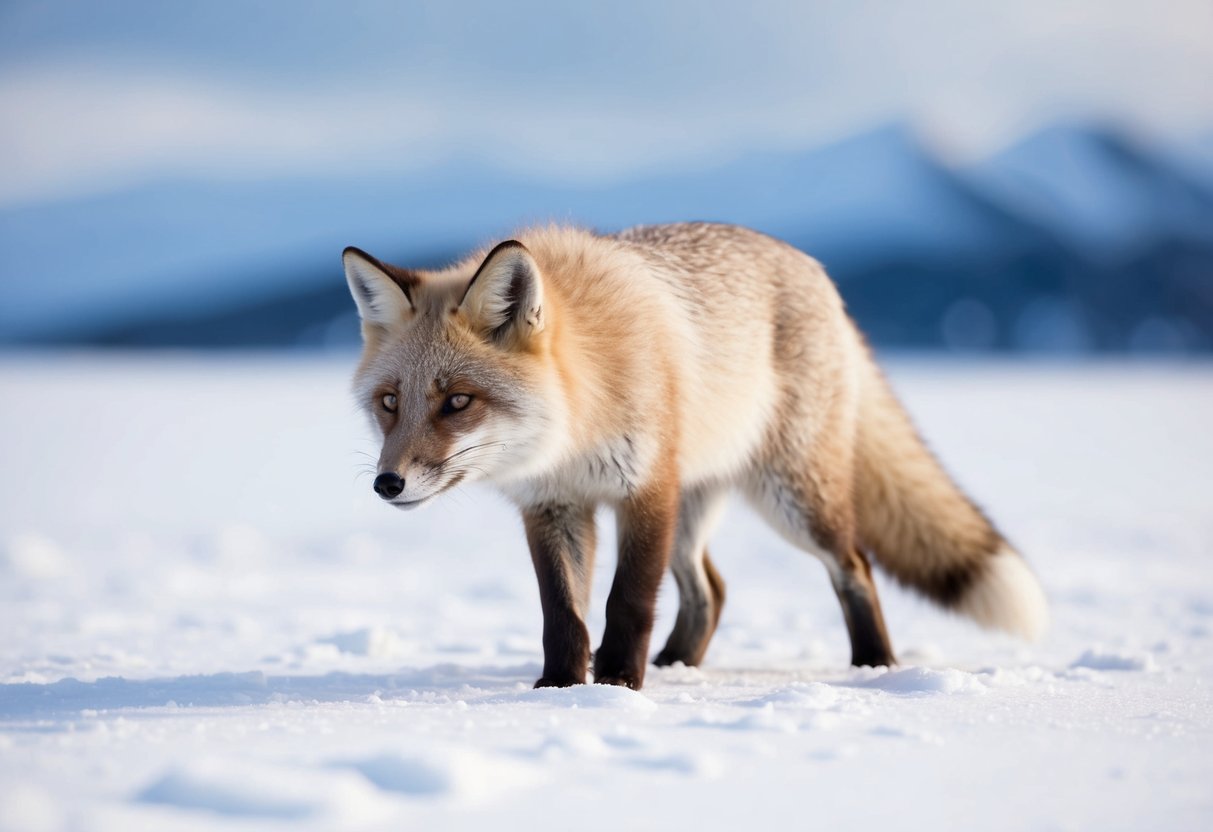
Arctic foxes have thick, insulating fur that keeps them warm in extreme cold, sometimes as low as -58°F. Their fur changes color with the seasons, turning white in winter for better camouflage against snow.
In addition, their small, rounded ears help minimize heat loss. They also have furry paws, which provide insulation and traction on icy surfaces. These adaptations allow you to spot them burrowing under snow cover, making them masters of their chilly habitat.
Breeding and Reproduction
Breeding usually occurs in late winter, around March or April. The female Arctic fox digs a den, often in a hill or slope, to protect her pups from harsh weather. Dens are typically made of multiple chambers, providing safety and comfort.
After a gestation period of about 52 days, she gives birth to a litter of 5 to 10 pups. The pups are born blind and rely on both parents for food. By summer, they begin to learn hunting skills, eventually leaving the den to explore their tundra home.
Dietary Habits and Prey
Arctic foxes are opportunistic eaters, primarily hunting small mammals like lemmings and other rodents. They have impressive hearing, allowing them to locate prey under thick snow cover.
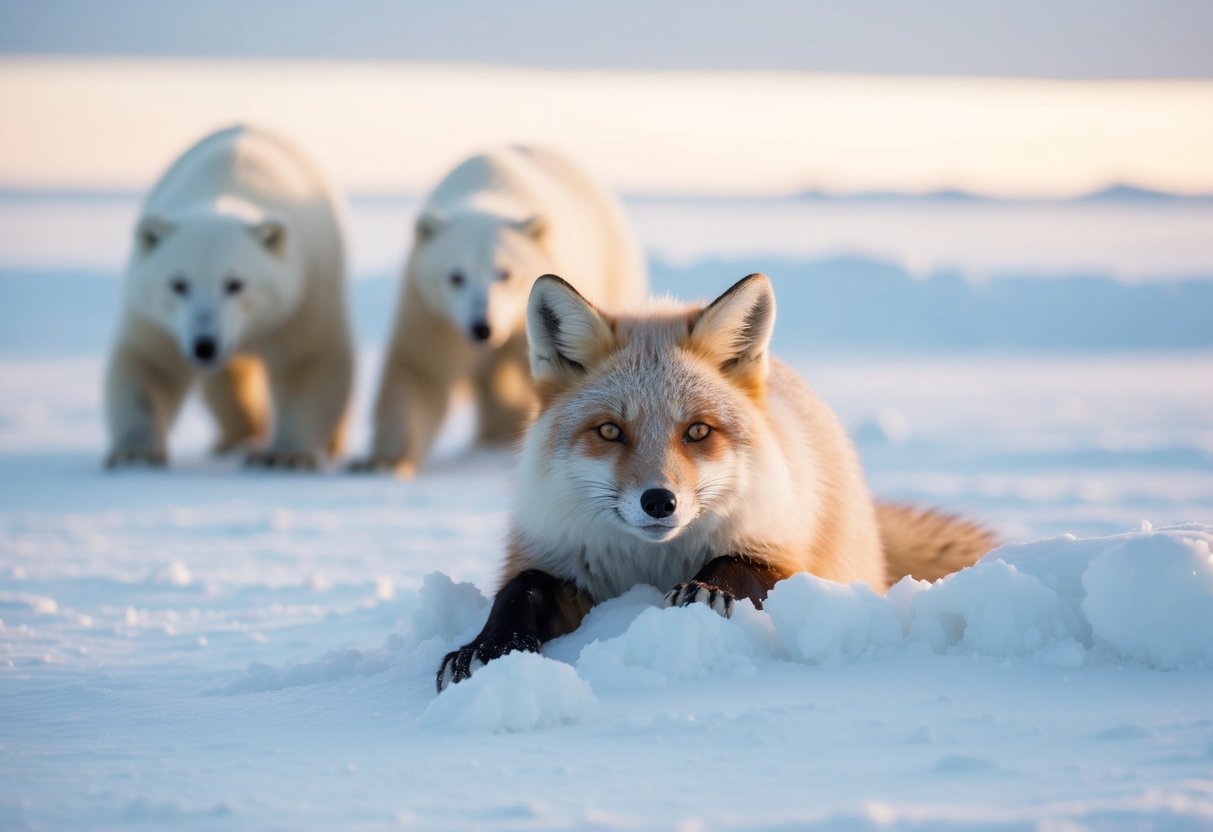
In times of scarcity, they also scavenge carrion left by predators like polar bears. Their varied diet helps them adapt to seasonal changes, ensuring they can find food regardless of the hunting conditions. You may find them using clever techniques to catch their prey, showcasing their intelligence and resourcefulness.
Environmental Challenges and Climate Change
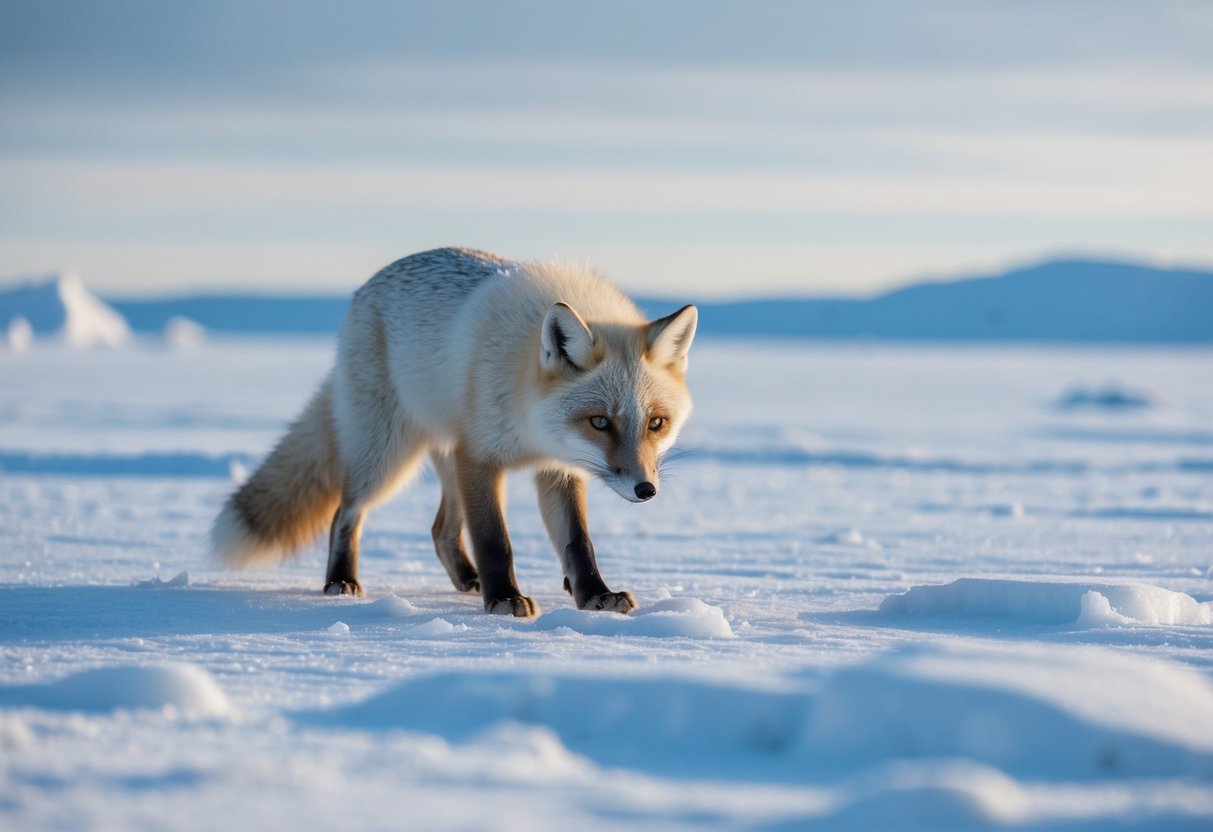
Climate change is bringing serious threats to Arctic foxes. Rising temperatures lead to habitat destruction, while their food supply becomes limited. This affects their survival and overall health in the harsh Arctic environment.
Melting Sea Ice and Habitat Loss
As temperatures rise, sea ice is melting at an alarming rate. This loss disrupts the delicate balance of the Arctic ecosystem. Many animals, including polar bears and Arctic foxes, rely on the ice for hunting and breeding.
With the ice gone, Arctic foxes face greater competition for territory. Red foxes move north, taking vital resources like dens and prey. This conflict limits the available habitat needed for Arctic foxes to thrive.
Food Scarcity and Changes in Prey Availability
Warming climates significantly alter the food chain in the tundra. Lemmings, a primary food source for Arctic foxes, become less abundant as their habitats shrink. Moreover, changes in the population of other prey animals can lead to food scarcity.
Without enough food, Arctic foxes struggle to find nourishment for themselves and their young. The competition for dwindling resources from other predators, like wolves, adds to their challenges. This scarcity could lead to decreased reproduction rates and threaten the survival of this beautiful species.
Interactions with Other Species
The Arctic fox interacts with various species in its environment. These interactions can lead to competition for food and increased vulnerability to predators. Understanding these dynamics is important for appreciating the challenges faced by Arctic foxes.
Competition for Resources
Arctic foxes face competition from red foxes, especially in areas where their habitats overlap. Red foxes tend to be larger and more aggressive, which can limit the Arctic fox’s access to food sources. Both species hunt similar prey, such as rodents, which can lead to conflicts.
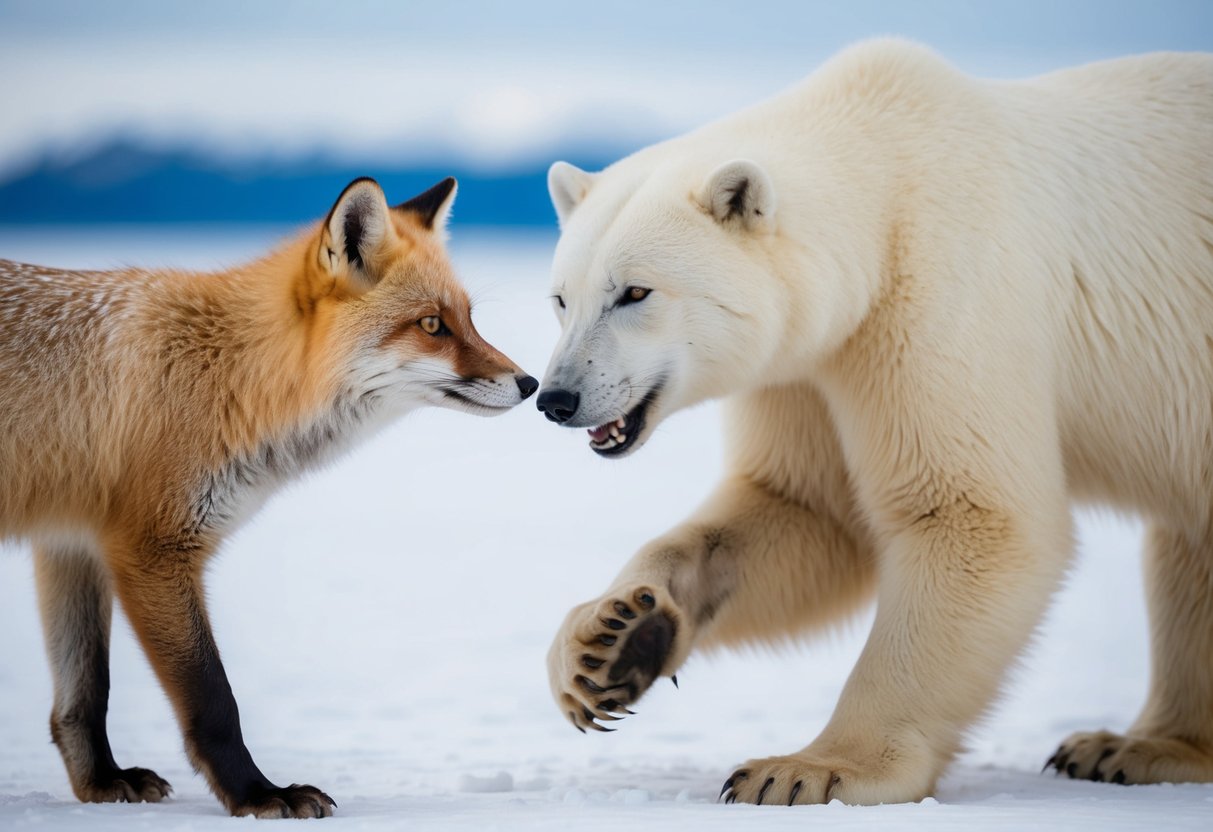
In addition to red foxes, Arctic foxes compete with wolverines and bears for scavenging opportunities. When a bear makes a kill, Arctic foxes will often scavenge the remains. Their survival depends on finding enough resources in a harsh environment.
Predation and Vulnerability
Arctic foxes are vulnerable to several predators, including golden eagles and larger carnivores like wolves. Golden eagles can target young or weakened foxes, making them particularly at risk.
Apex predators in the Arctic, such as polar bears, may pose a threat as well. While adult Arctic foxes can be agile and quick, their young are especially defenseless. This vulnerability highlights the importance of safe den sites for raising pups.
Human Impact and Conservation

Human activities have a significant effect on Arctic foxes, contributing to their endangered status. Understanding these influences is crucial for effective conservation efforts. It is important to recognize how actions like habitat loss and poaching threaten these unique animals.
The Effect of Human Activities
Human activities disrupt Arctic fox habitats in various ways. Habitat loss occurs due to industrial development and climate change. As the climate warms, the tundra ecosystem changes, impacting food supply and living conditions for Arctic foxes.
Moreover, poaching is a serious concern. Hunters may target foxes for their pelts, further reducing their numbers. These actions not only threaten the Arctic fox population but also affect the balance of the entire Arctic ecosystem.
Your support for organizations like the World Wildlife Fund (WWF) and the IUCN can make a difference. These groups work hard to raise awareness and advocate for better protections for Arctic foxes.
Conservation Initiatives
Conservation initiatives focus on protecting Arctic foxes and their habitats. Many organizations are dedicated to creating awareness about the importance of these animals.
Efforts include habitat restoration and stricter regulations against poaching.
Local communities play a key role in these initiatives. By working together, they can develop sustainable practices that benefit both the people and the wildlife.
Programs from the WWF and other conservation groups aim to educate the public about the challenges Arctic foxes face. By participating in these efforts, you can help support the survival of this endangered species.


