
Arctic foxes are fascinating creatures that have developed amazing ways to survive the bitter cold of winter. These small mammals, known scientifically as Vulpes lagopus, are perfectly adapted to life in the frigid Arctic tundra. They have thick, insulating fur that keeps them warm even in the most extreme temperatures, helping them thrive where few others can.

The arctic fox’s fur traps warm air close to its body, providing top-notch insulation against icy winds. When winter hits, their coat changes to a brilliant white, not only for camouflage but also to reflect sunlight, which can help regulate their body temperature. This clever adaptation allows them to blend into the snowy landscape while staying cozy and protected from the harsh environment.
As you learn more about these amazing animals, you’ll discover the other remarkable techniques they use for survival in such a challenging habitat. From their unique hunting methods to their underground dens, understanding how arctic foxes stay warm will give you a deeper appreciation for these resilient creatures.
Physical and Physiological Adaptations

You may wonder how arctic foxes survive the harsh winter cold. They have developed specific physical and physiological features that help them stay warm and conserve energy.
Thick Fur and Winter Coat
One of the most important features of arctic foxes is their thick winter coat. This fur is multilayered, which means it has an inner layer of soft insulating fur and a longer outer layer made of guard hairs.
The inner fur traps heat close to the body, while the guard hairs protect against wind and moisture. This combination reduces heat loss significantly, helping the foxes stay warm in extremely low temperatures. During winter, their fur even changes color, turning to a white or light gray for better camouflage in the snow.
Compact Body Shape and Short Extremities
Arctic foxes have a compact body shape that minimizes heat loss. Their rounded body and short legs help retain warmth.
Small rounded ears also play a role in reducing heat exposure. This body structure is crucial for keeping their core temperature up in frigid conditions. By having shorter extremities, they limit the amount of area exposed to the cold.
This unique body shape is not just for looks; it actively aids in thermoregulation, keeping them snug while they navigate their chilly habitat.
Metabolism and Heat Conservation
Physiological adaptations help arctic foxes conserve energy during the winter months. They have a lower metabolic rate compared to other mammals. This slower metabolism means they use less energy, which is vital when food is scarce.
During extreme cold, arctic foxes might enter a state of torpor, where their body temperature drops slightly to conserve heat. By staying in underground dens or sheltered areas, they further minimize heat loss and remain protected from harsh winds.
These methods of heat conservation are essential for their survival in one of the world’s coldest environments.
Behavioral Strategies for Warmth
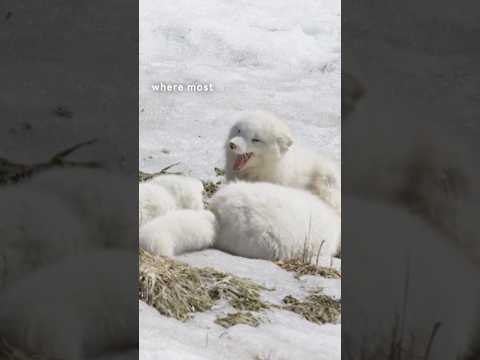
Arctic foxes use smart behaviors to stay warm in the cold winter months. By creating shelters, adjusting their hunting methods, and using social behaviors, they enhance their chances of survival in extreme conditions.
Denning and Shelter Habits
Arctic foxes look for shelter to escape the harsh winter weather. They dig dens in the snow, which provide insulation from the freezing temperatures. Dens can be quite complex, featuring multiple tunnels and chambers.
These burrows help to keep the foxes warm and protected from wind. They often use the same den for several years, adding layers of snow for thermal insulation.
In addition to digging, they may also use existing structures like crevices or abandoned animal burrows. This behavior helps them stay hidden from predators while conserving energy needed for warmth.
Foraging and Hunting Techniques
During winter, food can be scarce, so Arctic foxes adapt their hunting techniques. They are skilled scavengers, often following polar bears to feed on leftover scraps.
In deep snow, they hunt by using a technique called “pouncing.” They leap into the snow to surprise small mammals hiding underneath. Their excellent hearing helps them locate prey, even under thick layers of snow.
Arctic foxes also switch their diet based on seasonal availability. They eat a mix of birds, eggs, and even fruits during the summer. This flexibility ensures a steady food supply, which is crucial for maintaining body heat in winter.
Social Behavior and Huddling
Arctic foxes often engage in social behaviors that help them stay warm. During extreme cold, they will huddle together to share body heat. This behavior is especially common among family groups.
By staying close, they conserve more warmth than if they were alone. The fur of the foxes acts as an insulating layer, helping to trap heat.
Additionally, social interactions can strengthen family bonds, improving cooperation when hunting and foraging. These bonds also provide safety in numbers, allowing foxes to watch for predators while keeping warm.
Diet and Nutrition in Extreme Cold

In winter, Arctic foxes display remarkable adaptability in their diet to survive harsh conditions. Understanding their food preferences and hunting methods provides insight into their resilience in the cold.
Adaptive Food Preferences
Your diet plays a crucial role in how Arctic foxes thrive during winter. As small mammals like lemmings and voles become scarce with the changing seasons, Arctic foxes adjust their food sources.
They become opportunistic feeders, which means they eat whatever is available. This includes scavenging for carrion left by larger predators like polar bears. They might also seek out seals and birds when available.
Additionally, Arctic foxes eat berries during summer months, which helps them store fat for winter. Their omnivorous nature allows them to switch between food sources as needed, ensuring they have enough nutrition to stay warm and healthy.
Hunting Prey in Winter Conditions
Hunting in winter presents unique challenges for Arctic foxes. Snow can cover their prey, making it difficult to find food.
To adapt, they use their keen sense of hearing to locate small mammals beneath the snow. They may leap into the air and dive into the snow to catch their prey.
Arctic foxes also hunt along coastlines for seabirds and their eggs, adding variety to their diet. This active foraging ensures they receive enough energy to keep warm during the freezing temperatures.
By being versatile in their hunting techniques, Arctic foxes maximize their chances of finding food in the winter wilderness.
Conservation and the Impact of Climate Change

The survival of Arctic foxes is deeply affected by climate change and human actions. Understanding the threats they face and the efforts made to protect them is essential for their conservation.
Threats to Arctic Foxes’ Habitat
Arctic foxes rely on the tundra and ice habitats in the Arctic regions of North America. As climate change progresses, these environments are warming, leading to habitat loss. The reduction in sea ice affects their hunting areas and access to prey, such as lemmings.
Increased temperatures also bring competition from other predators, like polar bears and wolves. These competitors may move into the Arctic foxes’ territory, making it more challenging for them to find food. Additionally, golden eagles are rising in numbers as their own habitats become warmer, adding to the threat for these small foxes.
Protection and Human Interaction
Conservation efforts aim to protect Arctic fox habitats and their populations. Programs also monitor their numbers and preserve critical areas from human activities, such as development and pollution.
You can also play a part in their conservation by supporting wildlife organizations that help protect Arctic ecosystems. Raising awareness about climate change and its effects on wildlife is vital.
Every small action counts, from reducing your carbon footprint to promoting environmentally friendly practices in your community.
Through focused efforts, you can help ensure that Arctic foxes have a chance to thrive despite the challenges they face.


