
If you’ve ever wondered about the mysterious Arctic fox, you’re not alone. These lovely creatures are fascinating for numerous reasons, including their ability to thrive in extremely cold environments. Currently, about 630,000 Arctic foxes are estimated to be left in the world. Understanding how many of these foxes remain is important because their population is impacted by climate change and human activities.
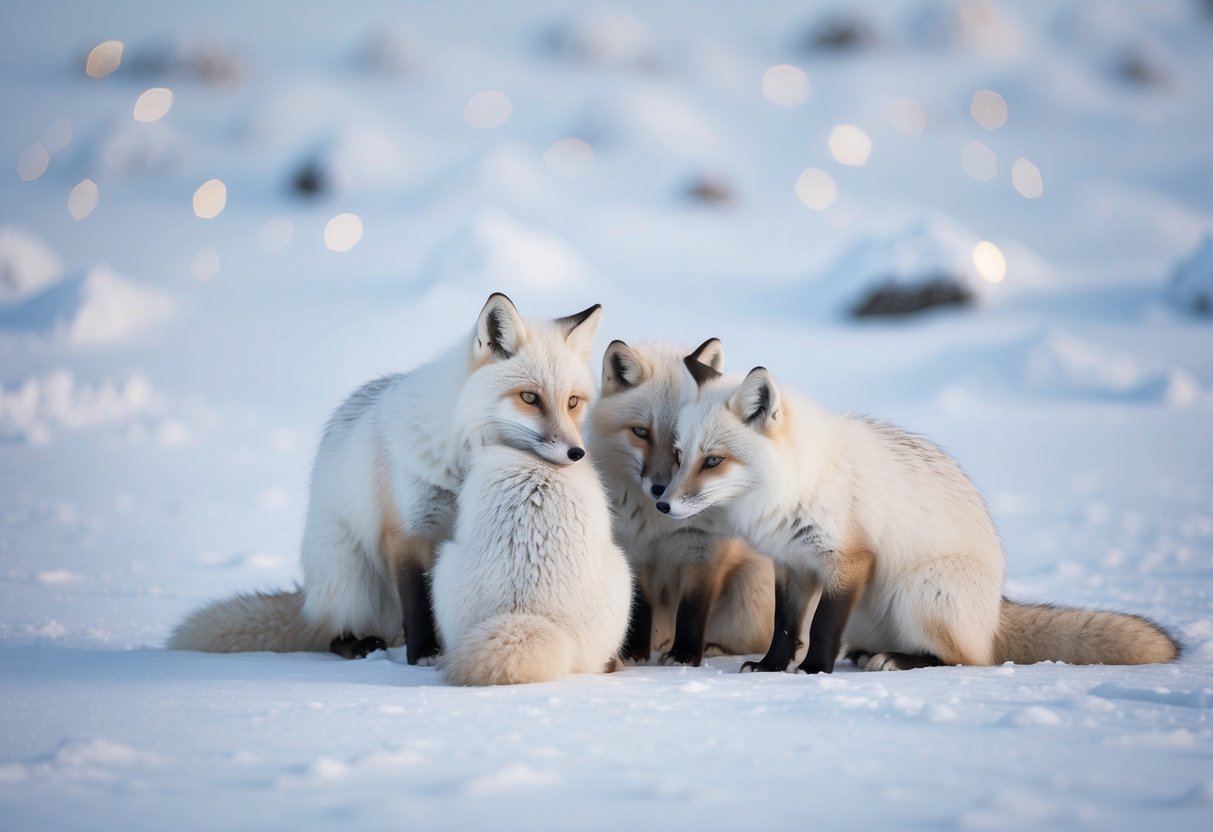
While Arctic foxes face challenges, they are not yet considered endangered. However, their numbers fluctuate due to changes in their habitat and food sources. By learning more about their current status and the threats they face, you can play a part in conservation efforts to protect these remarkable animals.
In this article, you will find detailed information about the populations of Arctic foxes, their conservation status, and what is being done to help them survive. Staying informed about wildlife can inspire actions that contribute to their protection.
The Arctic Fox Population

Understanding the current state of the Arctic fox population is important. Several factors influence their numbers, including habitat loss, climate change, and human activities like hunting.
Current Estimates and Trends
The estimated population of Arctic foxes ranges from about 330,000 to 930,000 individuals. According to the IUCN, there are approximately 630,000 Arctic foxes globally. In some areas, populations are stable, while in others, they are declining.
Research shows that Arctic foxes are mostly found in North America, Asia, and Northern Europe. These foxes adapt well to cold climates, but their numbers can vary significantly depending on the region. For example, some populations are struggling due to food shortages and habitat changes.
Factors Affecting Population Numbers
Several factors play a role in the Arctic fox population. Climate change is one major threat. Rising temperatures and melting ice disrupt their natural habitats. This leads to less food availability and challenges in finding shelter.
Hunting also impacts their numbers. In certain regions, such as Fennoscandia, hunting for fur affects Arctic fox populations significantly. While some areas stabilize at certain numbers, others struggle to recover. Additionally, habitat loss due to human activities poses another threat, making it harder for these animals to thrive.
Habitats and Ecosystems
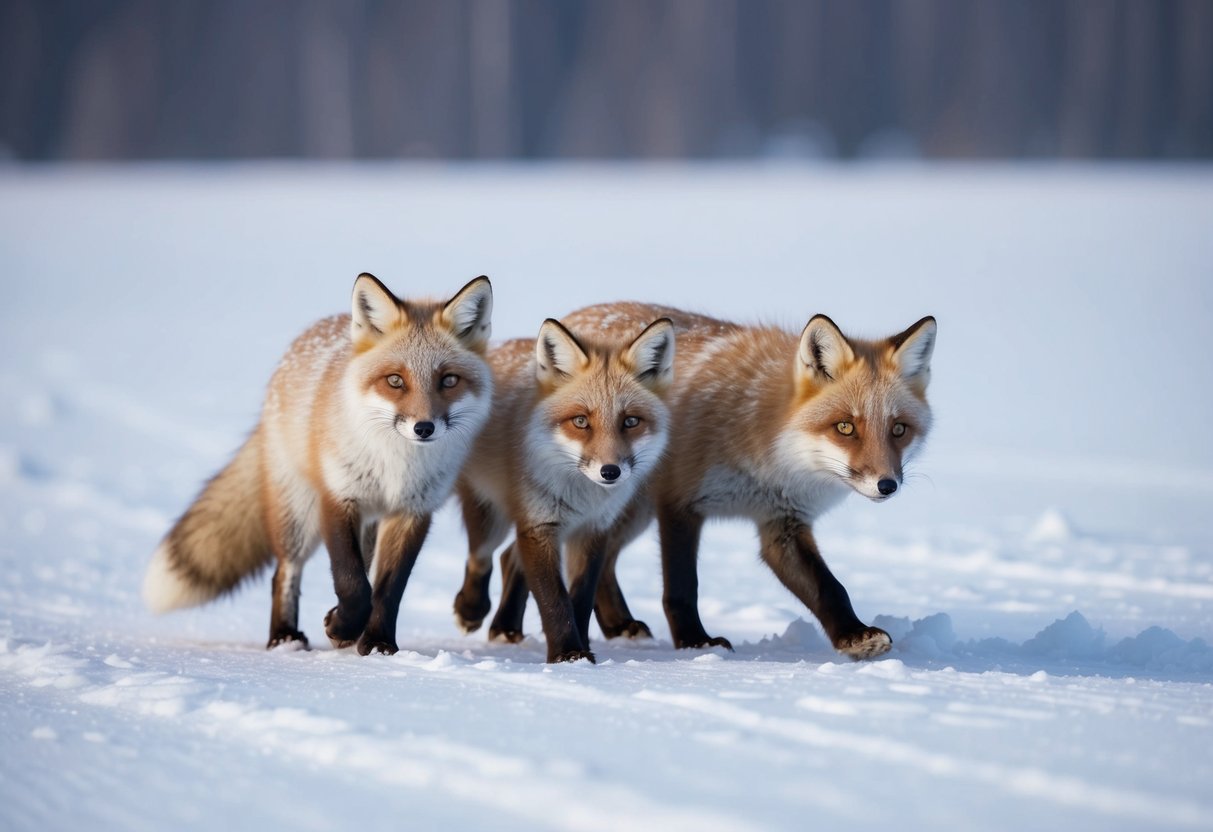
Arctic foxes thrive in harsh environments, particularly in the Arctic tundra. Their survival hinges on understanding their unique habitats and overcoming various challenges in those ecosystems.
Surviving in the Arctic Tundra
You will find arctic foxes primarily in the Arctic tundra, a cold and treeless environment. This region spans parts of North America, Greenland, and Scandinavia. The foxes have adapted well, sporting thick fur that keeps them warm in extreme cold, sometimes reaching temperatures as low as -50°C.
Their diet mostly consists of small mammals like lemmings, which they hunt for food. During the winter months, you might see them using dens for shelter and raising their young. These dens are often located in coastal areas or along riverbanks, providing a safe space from predators. They can dig deep burrows, which help keep them insulated.
Challenges to Habitats
While arctic foxes are well-equipped for survival, they face numerous challenges to their habitats. Climate change poses a significant risk, leading to melting ice and changing landscapes. As the tundra warms, the delicate balance of the ecosystem is disturbed.
This change affects lemming populations, as they rely on specific conditions to thrive. In years of low lemming populations, arctic foxes struggle to find food. Additionally, human activities, such as oil drilling and development, threaten their natural habitats further. These pressures make survival increasingly difficult for these resilient creatures.
Conservation Efforts and Challenges
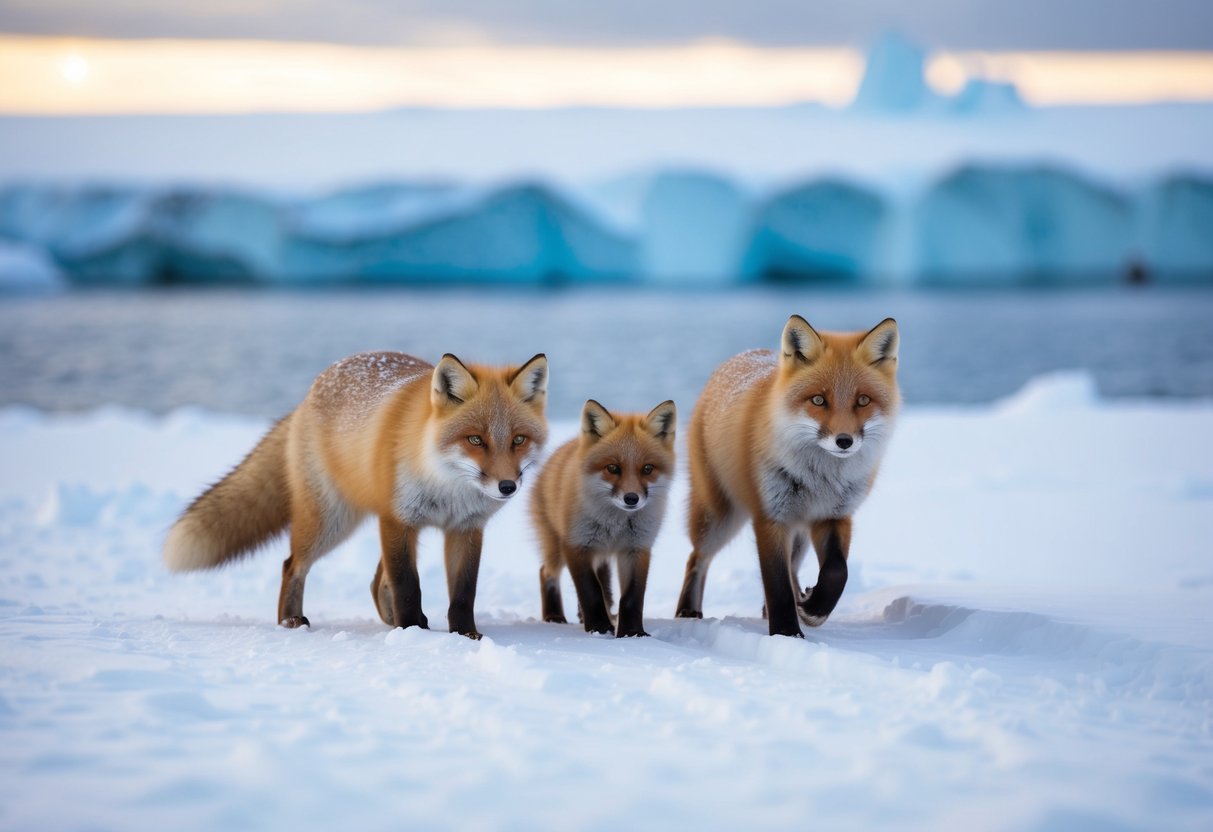
Preserving Arctic foxes is crucial for their survival. Various global initiatives aim to protect these animals while addressing modern challenges they face today.
Global Initiatives to Protect Arctic Foxes
Various organizations work to conserve Arctic foxes. Notable among them is the World Wildlife Fund (WWF), which helps in habitat preservation and promotes awareness. They work on projects that restore ecosystems.
The International Union for Conservation of Nature (IUCN) evaluates the conservation status of Arctic foxes. They provide guidelines and strategies that countries can follow to protect these animals.
Certain regions also implement protected areas where hunting is restricted, allowing populations to recover. Community involvement plays a significant role, as local people can be strong allies in conservation efforts.
Contending with Modern Threats
Arctic foxes face several modern threats. Hunting by humans has historically reduced their numbers. Although this threat has decreased, illegal hunting still occurs in some areas.
Pollution is another concern. Chemicals in the environment can impact the health of both Arctic foxes and their prey.
Genetic pollution from domestic animals can weaken fox populations. This issue highlights the need for strict regulations on pet ownership in vulnerable habitats.
Conservation efforts must adapt to these challenges to ensure the survival of Arctic foxes in their natural habitats. You can support these initiatives by advocating for sustainable practices and spreading awareness about the importance of preserving Arctic ecosystems.
Diversity and the Life of Arctic Foxes

Arctic foxes, known scientifically as Vulpes lagopus, exhibit fascinating diversity within their species. Understanding their variations, diet, breeding habits, and social behavior helps you appreciate how these resilient animals thrive in harsh environments.
Variations Within the Species
Arctic foxes come in several subspecies, each adapted to different habitats. You might spot the common Arctic fox, or the rare Blue Arctic fox, which has a unique blue-gray coat.
These foxes change fur color with the seasons. In winter, they wear thick, white fur that blends in with the snow, while in summer, their coat turns brown or gray. This seasonal variation is crucial for their camouflage and survival.
Sadly, the fur trade poses a significant threat to these beautiful creatures. Hunting for their fur also impacts their population. Protecting their diversity is essential for maintaining healthy ecosystems.
Diet, Breeding, and Social Behavior
Your understanding of Arctic foxes includes their varied diet. They primarily eat lemmings and tundra voles but will scavenge as needed. This opportunistic feeding helps them survive in tough conditions.
Breeding occurs in the spring, with a female giving birth to a litter of 5 to 10 pups. Both parents take part in raising the young, demonstrating their social behavior.
These foxes often live in small family groups, which helps them hunt and protect each other. Their adaptability and teamwork are vital for surviving in the harsh Arctic climate, showcasing their resilience.


