
If you live in an area where urban wildlife thrives, you might wonder if foxes pose a threat to your pets. Many people are surprised to learn that while foxes generally avoid humans, they can sometimes view smaller pets as prey, especially if they feel threatened or are desperate for food. So, it’s important to know how to keep your pets safe.
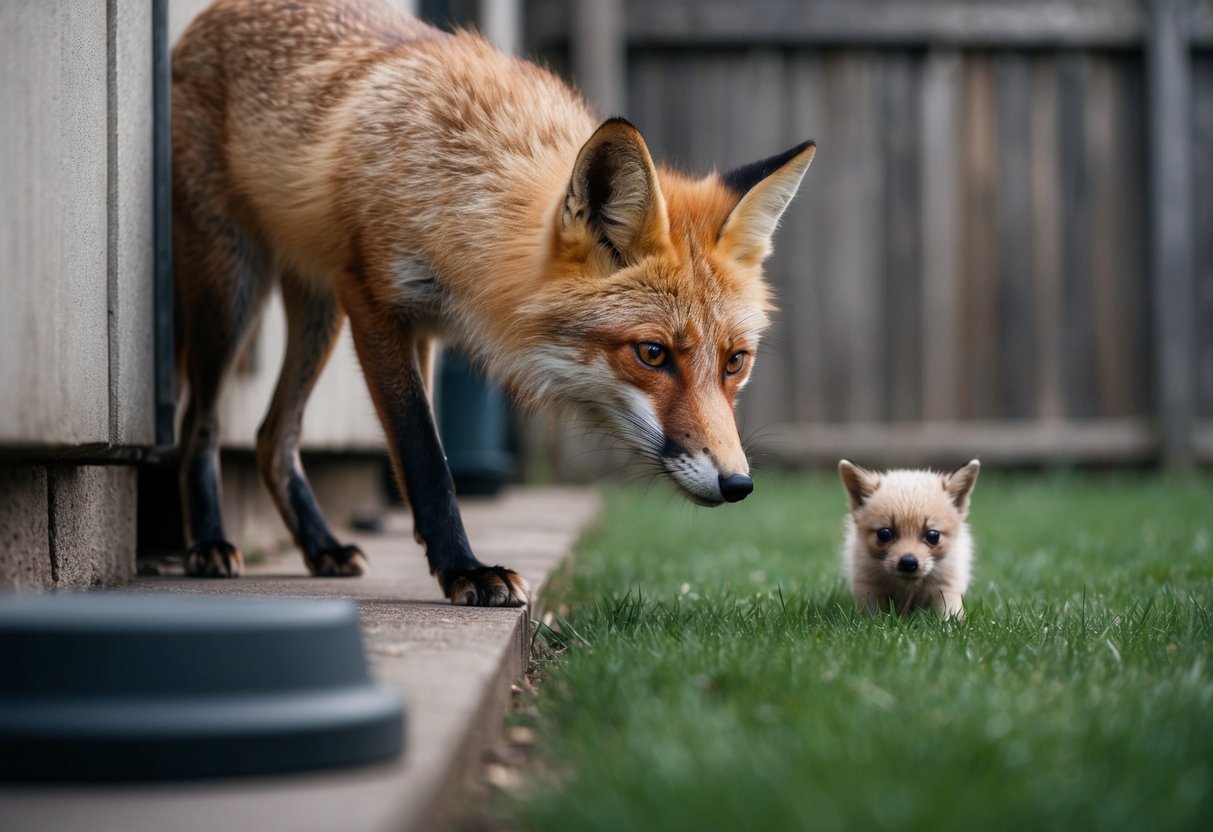
Understanding fox behavior can help you create a safer environment for your furry friends. Urban foxes are often seen scavenging for food in neighborhoods, which can increase the chances of unwanted encounters. Being aware of their habits and signs of presence in your area can help you take the right precautions.
You want your pets to be safe while enjoying the outdoors. Knowing how to protect your pets can make all the difference. Taking simple steps can help you minimize interactions with these wild animals and keep your pets secure.
Understanding Fox Behavior

Foxes are fascinating creatures that can often be misunderstood. Their behavior is shaped by their natural instincts and habits. Knowing more about how foxes act can help you better understand their impact on pets.
Are Foxes Naturally Aggressive?
Foxes are not generally aggressive animals. They belong to the canidae family, which includes dogs and wolves. Most foxes are timid and prefer to avoid confrontation. They are not known to seek out trouble with pets or humans.
If a fox feels threatened, it might show defensive behavior. This can happen if it is protecting its young or if it feels cornered. In general, foxes are more interested in foraging for small prey rather than attacking larger animals.
Nocturnal Habits and Predatory Instincts
Foxes are primarily nocturnal, meaning they are active at night. This behavior helps them hunt and avoid danger. Their predatory instincts drive them to search for food, often targeting small rodents, birds, and rabbits.
While they are skilled hunters, this doesn’t mean they are a threat to your pets. Small pets may attract curiosity, but foxes usually prefer more natural prey. So, it’s important to supervise smaller dogs and cats during nighttime to keep them safe. But remember most fox encounters will be harmless.
Identifying Potential Dangers to Pets

When it comes to protecting your pets from foxes, it’s essential to understand the specific risks they face. Knowing the dangers can help you take proactive steps to keep your animals safe. Below are key factors to consider.
Risk Factors for Small Mammals and Birds
Foxes are known to target small mammals like rabbits and birds. If you have pets such as bunnies or chickens, keep them secured and safe from curious foxes.
Foxes can enter yards easily, especially in urban settings where they feel comfortable around humans. They usually hunt at dawn or dusk, making it crucial to keep small pets indoors during these times.
Additionally, foxes carry parasites and diseases that can also put your pets at risk. They may transmit diseases like tularemia or sarcoptic mange, which can harm your animals. Ensuring that your yard is well-fenced and regularly checked can help deter these wild visitors.
Signs of a Rabid Fox
A rabid fox poses a serious threat not just to pets but also to humans. Some common signs of rabies in foxes include unusual behavior, such as excessive aggression or lack of fear of humans.
If you notice a fox behaving strangely in your area, it’s essential to keep your distance. Signs may also include difficulty walking, drooling excessively, or showing other neurological symptoms. If your pets come into contact with a fox showing these signs, you should consult your vet immediately.
Being aware of these warning signs can help you protect your pets and keep them safe from potential dangers.
Preventive Measures and Safety Tips

Keeping your pets safe from foxes involves taking specific steps to “fox-proof” your home and yard. You also need to know how to respond during a fox encounter to ensure everyone’s safety.
Fox-proofing Your Home and Yard
To protect your pets, start by securing your yard. Installing a high fence can deter foxes. Aim for a fence that is at least six feet tall and bends inward at the top.
Ensure there are no gaps or holes in the fence where foxes could squeeze through. Consider adding a layer of chicken wire or hardware cloth buried at the bottom of the fence to prevent digging.
Keep your yard tidy. Remove food sources like fallen fruit, pet food, or open garbage cans that might attract foxes. If you have small animals, such as guinea pigs, use secure enclosures that are hard for foxes to access.
Lastly, consider using fox repellents around your home to create an additional barrier. These can deter foxes from coming onto your property, adding a layer of protection for your pets.
Appropriate Response to Fox Encounters
If you spot a fox near your home or pet, it’s important to stay calm. Don’t approach the fox. Instead, make your presence known by clapping your hands or shouting loudly. This can startle the fox and encourage it to leave.
If the fox does not move, try to slowly back away while keeping an eye on it. Never turn your back and run, as this may provoke a chase.
If fox sightings continue and you feel unsafe, consider contacting animal control for assistance. They can help assess the situation and provide guidance on dealing with wildlife in your area.
Always monitor your pets when they are outside, especially during dawn or dusk when foxes are more active. By being vigilant and proactive, you can enjoy your time outdoors while keeping your pets safe from potential encounters.
Health Concerns and Disease Prevention

When it comes to your pets and their safety, understanding health risks is vital. Foxes can carry diseases that may affect your pets. Knowing more about these threats can help you take informed steps to protect your furry friends.
Rabies and Other Transmittable Diseases
Rabies is a serious disease that can be transmitted through bites or scratches from infected animals, including foxes. Though rabid foxes are rare in some areas, it’s important to be cautious. If your pet is bitten by a fox, seek veterinary care immediately.
Other diseases, like mange, can affect foxes and may spread to pets. Mange is caused by parasites that burrow into the skin, leading to itching and hair loss. Keeping your pets up-to-date on vaccines and regular check-ups can help prevent these issues.
You should also be aware that foxes can carry parasites like ticks and fleas. These pests can move from wildlife to your pets, leading to health problems. Regular flea and tick treatments for your pets are necessary for prevention.
Consulting Wildlife Experts
If you suspect that foxes are a threat to your pets, you might want to reach out to wildlife experts or animal control. They can provide information about local fox populations and their health risks.
Wildlife experts can also help you understand how to coexist with foxes. They may offer tips on how to secure your yard and discourage foxes from visiting.
For example, keeping trash bins sealed and feeding pets indoors can help reduce contact.
In cases of sick or injured foxes, contacting animal control is essential. They can assess the situation and offer guidance on safely handling wildlife concerns in your area.
Always prioritize safety for your pets and seek professional advice when needed.


