
If you’re a cat owner, you might wonder if foxes pose a danger to your furry friend. Many people have questions about wildlife and their interactions with pets.
Foxes can carry diseases that may be harmful to cats, including parasites and some infections, but the risk of direct transmission is relatively low.

While foxes generally avoid confrontations with cats, it’s still important to be aware of the potential health risks. Diseases such as mange and roundworm can be transmitted through contact with fox feces or bites.
Keeping your small pets safe means knowing when to be cautious and how to protect them from potential threats in your neighborhood.
Understanding the relationship between foxes and cats can help put your mind at ease. By taking a few simple precautions and monitoring your cat’s interactions with the outdoors, you can mitigate risks and ensure a happier, healthier environment for your pet.
Common Diseases Transmitted by Foxes
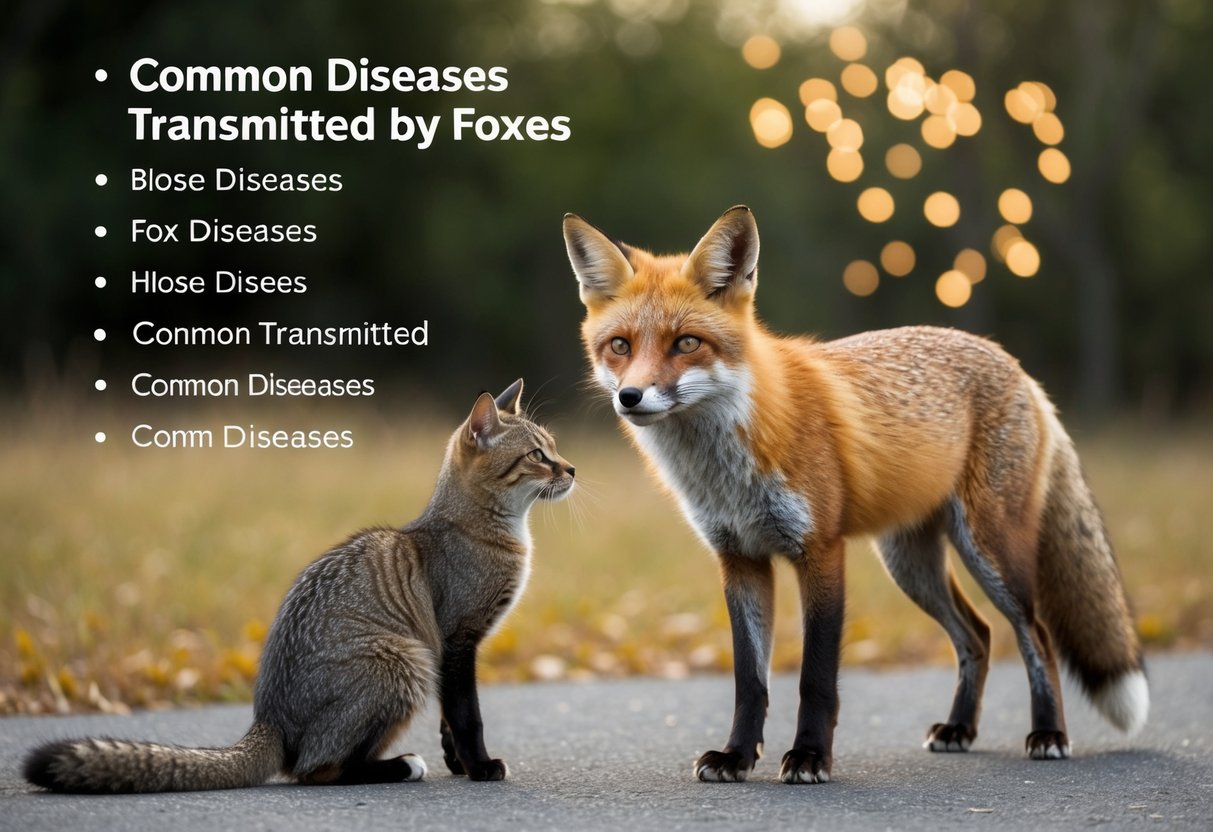
Foxes can carry various diseases that might pose risks to your cats and other domestic pets. Understanding these diseases helps you take necessary precautions to keep your pets safe.
Rabies and Its Implications
Rabies is a viral disease that can be transmitted through bites from infected animals, including foxes. If your cat gets bitten by a rabid fox, it can lead to serious health issues. Rabies affects the nervous system and is fatal if not treated quickly.
Vaccination is essential for pets. Keeping your cat up-to-date on their rabies vaccine can protect them from this disease. If you suspect your cat has been bitten, consult your veterinarian immediately. Rabies is a public health concern, making awareness and prevention key elements in protecting your furry friends.
Canine Distemper in Foxes
Canine distemper is a contagious viral disease that affects various animals, including foxes. Although it mainly affects dogs, foxes can transmit it to domestic pets like cats. The virus spreads through respiratory secretions, and sick animals may show symptoms like coughing and vomiting.
Distemper can lead to severe complications in pets. While most cats are not affected, it’s best to keep your pets away from sick wildlife. Vaccinations for canine distemper are vital for dogs, but it’s also important to be mindful of the environment where your pets roam.
Parasitic Infections from Foxes
Foxes harbor several parasites that can impact your cats. These include roundworms, lungworms, and ticks. Toxocara, common in foxes, can be transmitted through feces, leading to infections in domestic pets.
Sarcoptic mange is another concern. While it primarily affects foxes, it can spread to cats through direct contact. Additionally, echinococcosis, which can be serious for both pets and humans, can be linked to foxes and their droppings.
Regular deworming and maintaining a clean environment for your pets can help prevent these parasitic infections. Always consult a veterinarian if you notice signs of illness in your cats.
Health Risks to Cats and Small Pets
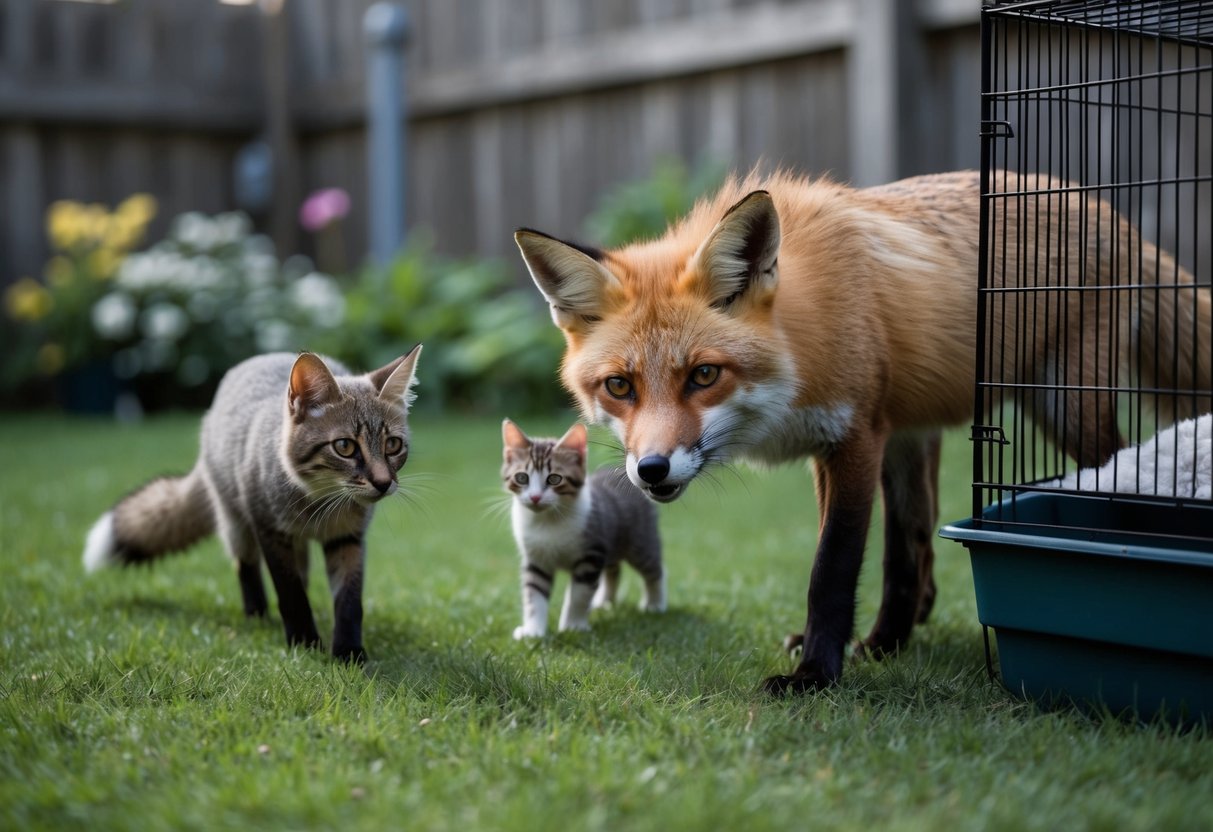
Cats and small pets can face health risks if they come into contact with foxes. Understanding these risks is essential for keeping your pets safe. There are specific dangers to consider, such as bites from foxes and diseases they may carry.
Consequences of a Fox Bite
If your cat is bitten by a fox, it can lead to serious health issues. A fox bite can introduce bacteria, leading to infections. This may cause pain, swelling, and fever in your cat.
Symptoms to watch for include:
- Swelling around the bite
- Redness
- Discharge from the wound
If your pet shows any of these signs, contact your veterinarian right away. Vaccination against rabies is crucial as it can be a severe result of a bite from a wild animal like a fox. Keep your cat’s vaccinations up to date to protect them from various diseases.
Diseases Impacting Feline Health
Foxes can carry several diseases that may impact your cat’s health. Notable ones include toxoplasmosis, leptospirosis, and salmonella. These diseases can spread through direct contact or by eating contaminated food.
- Toxoplasmosis can come from the environment and can affect cats if they ingest infected feces.
- Leptospirosis can be contracted through contact with contaminated water or soil.
- Salmonella is often found in the feces of wild animals and may be transmitted to your pet through contact with infected areas or by eating contaminated food.
Infections can lead to vomiting, diarrhea, and other gastrointestinal issues. Be cautious and ensure your pets are monitored. Regular check-ups with your veterinarian can help keep your feline friend healthy and safe.
Prevention and Control Measures

Keeping your cats safe from diseases that foxes may carry is important. You can take several steps to reduce the risks and ensure a healthy environment. This includes vaccinations, the role of wildlife experts, and managing your surroundings.
Safeguarding Pets Through Vaccination
Vaccination is one of the most effective ways to protect your domestic pets. Rabies, distemper, and other diseases can affect cats if they come into contact with sick wildlife. Ensure that your cats are up to date on their vaccinations.
Consult your veterinarian about specific vaccines that may be recommended based on your location and lifestyle. For example, if you live near areas with urban foxes, it’s wise to prioritize these vaccinations.
Wildlife Experts’ Role in Disease Management
Wildlife experts play a crucial role in managing diseases that can spread from foxes to domestic pets. These professionals monitor wildlife health and help educate the public on how to avoid risks.
You might consider reaching out to your local wildlife authority for advice on managing potential fox interactions. They can provide information on urban fox behavior and tips for keeping pets safe. Engaging with these experts can also support public health efforts.
Reducing Exposure to Fox Habitats
Minimizing your pet’s exposure to fox habitats is key.
Start by securing your yard to prevent foxes from entering. You can do this by installing fences. Make sure to bury the bottom to stop digging.
Keep food sources, like pet food and trash, sealed and indoors. This will prevent attracting urban foxes to your property.
You should also monitor areas where fox dens may exist, especially if you live near parks or open spaces. Being aware of these habitats can help you keep your cats safe.


