
If you’ve ever wondered what to feed foxes, you might be surprised to learn that there are many foods to avoid. Feeding them the wrong items can harm their health, even though urban foxes may seem friendly. Foxes are primarily carnivores, and their natural diet includes small mammals, fruits, and insects, not human food.
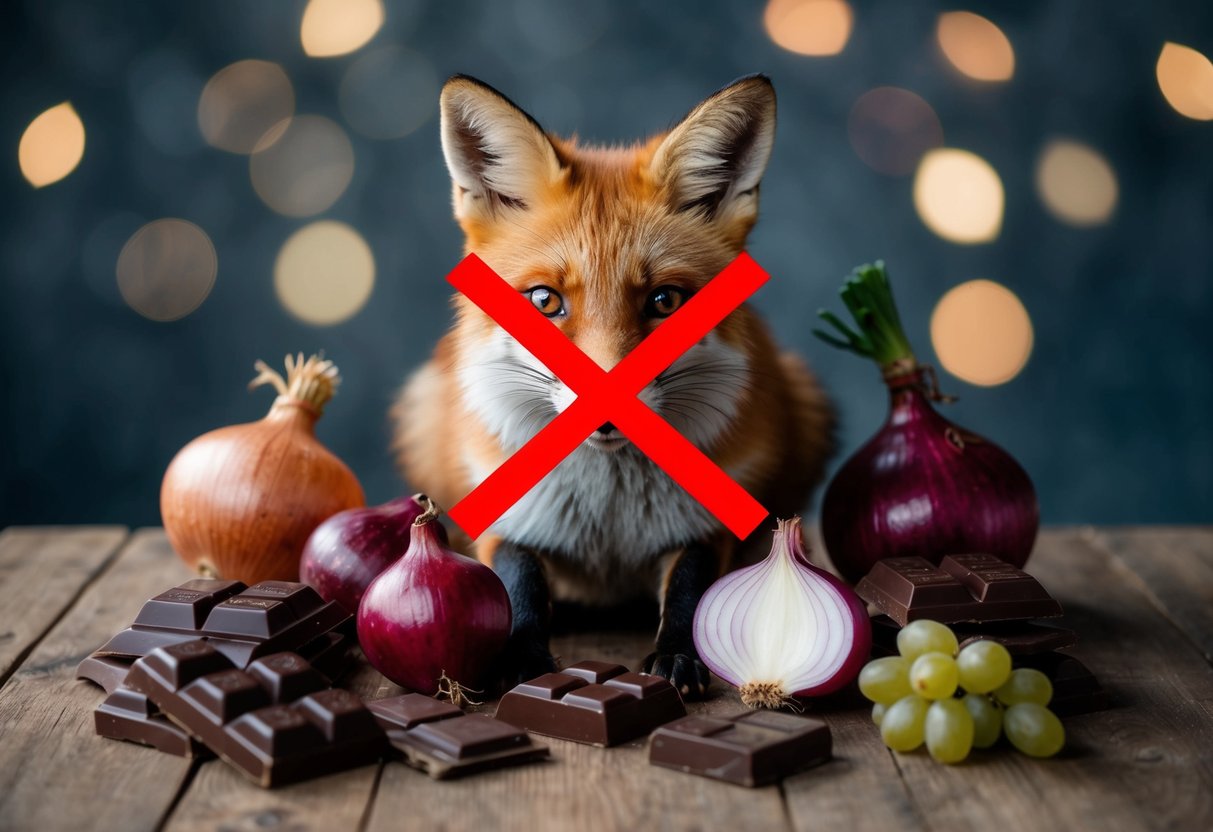
When considering what not to feed foxes, it’s essential to remember that some common foods can be dangerous. Avoid giving them grains like oats and rice, as these are not part of their diet in the wild.
Additionally, certain fruits, such as grapes and any toxic plants, should also be kept away from these wild visitors.
By understanding the right approach to feeding these fascinating animals, you can help ensure their well-being while keeping them at a safe distance. This knowledge will not only protect the foxes but also preserve the balance of wildlife in your area.
Foods to Avoid for Foxes
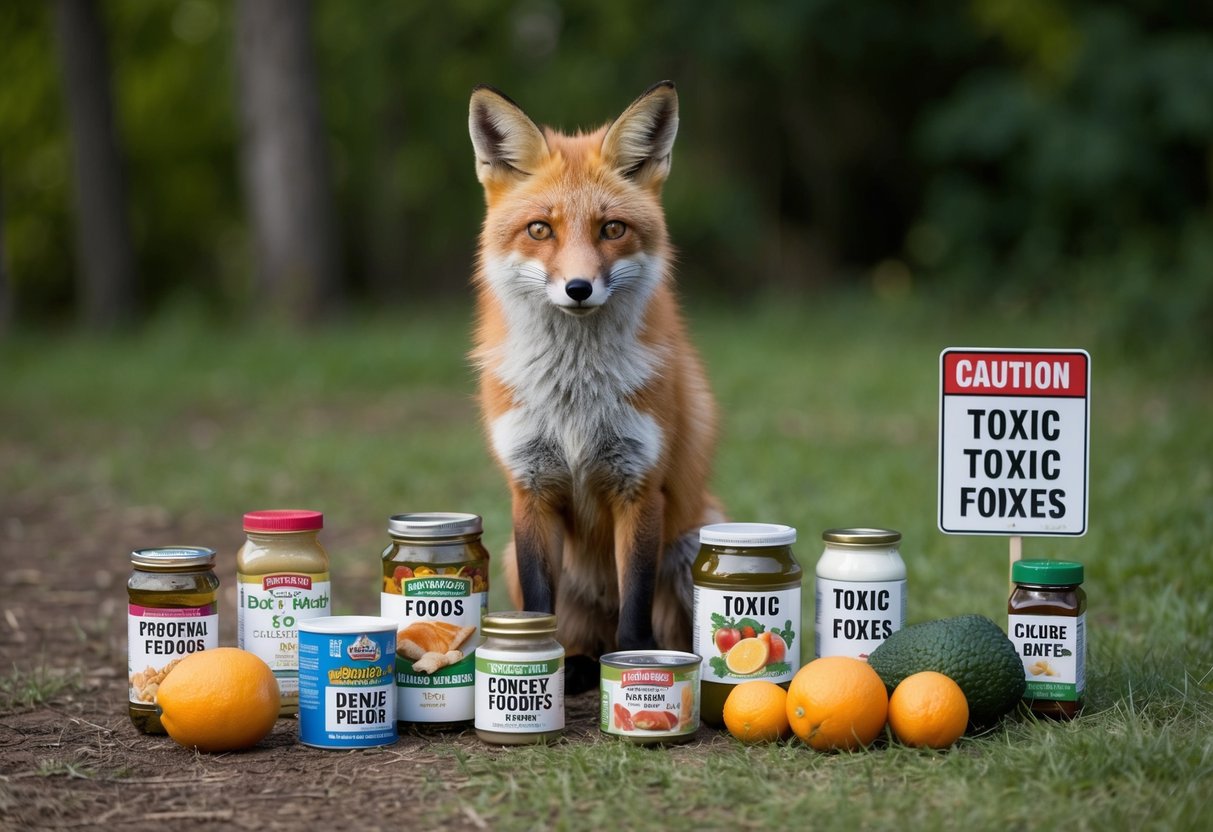
When feeding foxes, it’s crucial to know which foods can harm them. Some items are toxic, while others just don’t provide the right nutrition for their health.
Toxic Foods
Certain foods can be very dangerous for foxes. Here are some you must avoid:
- Chocolate: Even small amounts can cause serious health issues.
- Grapes and Raisins: These can lead to kidney failure, so keep them away from your fox.
- Caffeine: Found in coffee, tea, and some sodas, caffeine can be toxic and unsafe for your pet.
- Macadamia Nuts: They can cause weakness and other symptoms.
- Xylitol: This sweetener, often found in sugar-free products, is harmful to foxes.
- Avocados: These contain a substance called persin, which can harm your pet.
Make sure to double-check the ingredients of any treats or foods.
Non-Recommended Foods
In addition to toxic items, some foods aren’t ideal for foxes but might not be fatal. These include:
- Raw Pork: This meat can carry parasites, leading to digestive problems.
- Bread and Cheese: These are not part of a fox’s natural diet and could upset their stomachs.
- Green Potatoes & Tomatoes: Both have toxins that can harm your fox.
- Onions, Garlic, and Chives: These can cause anemia and digestive issues.
- Walnuts & Green Eggplant: These should also be avoided due to mild toxicity.
Stick to a diet of proper meats and fruits to keep your fox healthy and happy. Always consult with a vet if you are unsure.
Proper Diet Composition for Foxes

Feeding your fox a balanced diet is essential for their health and happiness. A proper diet includes high-quality proteins and necessary vitamins and minerals. Understanding what to feed them helps you support their well-being.
High-Quality Proteins
Foxes are omnivores, but they need a good amount of protein in their diet. In the wild, they eat a variety of meats. Common protein sources include:
- Mice
- Rats
- Earthworms
- Mealworms
- Insects
- Small mammals like frogs
You can provide cooked meat or high-quality cat food that contains animal proteins. Avoid bones as they can be choking hazards. Dog food can also be an option, but it should not make up the majority of their diet since it may lack certain nutrients. Introducing lean meats helps maintain their strength and energy.
Supplementing with Vitamins and Minerals
In addition to proteins, your fox will benefit from vitamins and minerals. Include supplements like taurine, which is vital for heart and eye health. Look for foods that contain:
- Vitamin A and E: Important for skin and fur health.
- Calcium: Supports bone structure.
- Essential fatty acids: Such as Omega 3 and Omega 6, which improve overall wellness.
You may also offer small amounts of fruits and vegetables as treats. Safe options include apples and carrots, but these should be given sparingly. Balancing their diet with quality nutrients helps keep your fox active and healthy.
Safe Treat Options for Foxes

Foxes enjoy a variety of safe treats that can add excitement to their diet. Here are some good options for you to consider:
-
Fruits: Foxes can have fruits as occasional treats. Some favorites include:
- Apples: Remove the seeds before serving.
- Pears: Make sure to slice them for easier eating.
- Cherries: Always pit them first to keep your fox safe.
-
Protein Sources: Foxes thrive on protein. You can offer:
- Turkey: Cooked turkey is a great lean protein option.
- Chicken: Offer cooked chicken without bones.
- Rabbits: Some fox owners give small, cooked rabbit pieces.
-
Seeds: You might consider small amounts of seeds as a treat. They can provide some nutrients and are easy for foxes to eat.
Remember, treats should be given in moderation. Too many can upset your fox’s stomach. Always monitor how they react to new foods. This way, you can ensure they stay happy and healthy!
Health Risks and Fox Feeding Tips
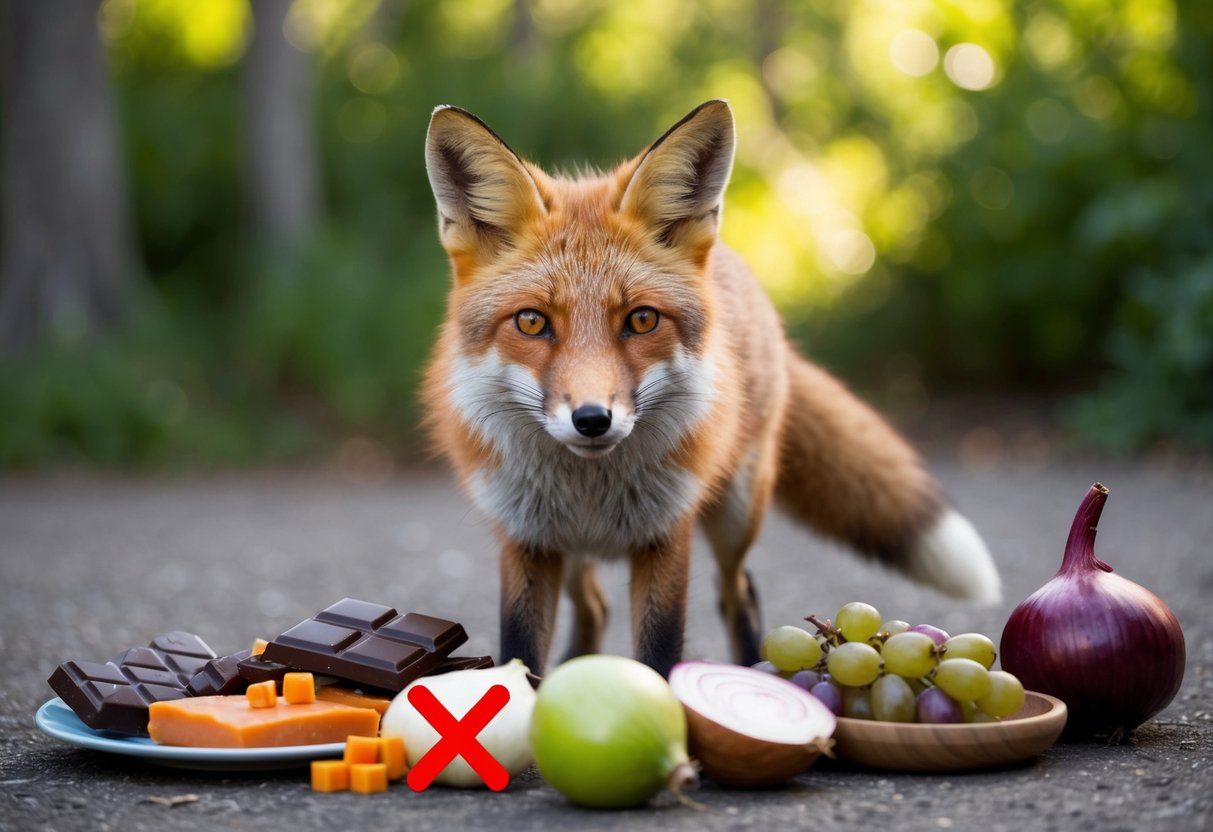
Feeding foxes can be a rewarding experience, but knowing what to avoid is crucial. Certain foods can harm their health and lead to serious diseases. Following best practices will help create a safer environment for both you and urban foxes.
Diseases Related to Improper Feeding
Improper feeding can cause various health issues in foxes. Foods like grains and processed items are not suitable. They can lead to obesity, dental problems, and digestive upset.
Common Diseases:
- Mange: This skin disease is caused by mites and is often linked to poor nutrition.
- Rabies: Though feeding doesn’t directly cause rabies, it can attract foxes, increasing encounters with infected wildlife.
Best Practices for Feeding Urban Foxes
When you interact with urban foxes, keep these tips in mind.
- Avoid Processed Foods: Stick to raw meat, eggs, and appropriate protein sources.
- Skip Grains: Avoid feeding grains as they can cause health issues.
- Feed Irregularly: Establishing a consistent feeding schedule may lead to dependency, reducing their foraging skills.
Remember to observe from a distance. Do not hand-feed, as this can encourage foxes to approach people, leading to dangerous situations for both you and the fox. Keeping a healthy distance helps maintain their natural behavior and protects urban wildlife.


