
Arctic foxes, known scientifically as Vulpes lagopus, are fascinating creatures that roam the cold landscapes of the Arctic. You might wonder if these cute animals carry any diseases, especially if you encounter them in their natural habitat or if you are concerned about your pets. Yes, Arctic foxes can carry diseases that may pose risks to both wildlife and, in some cases, humans.
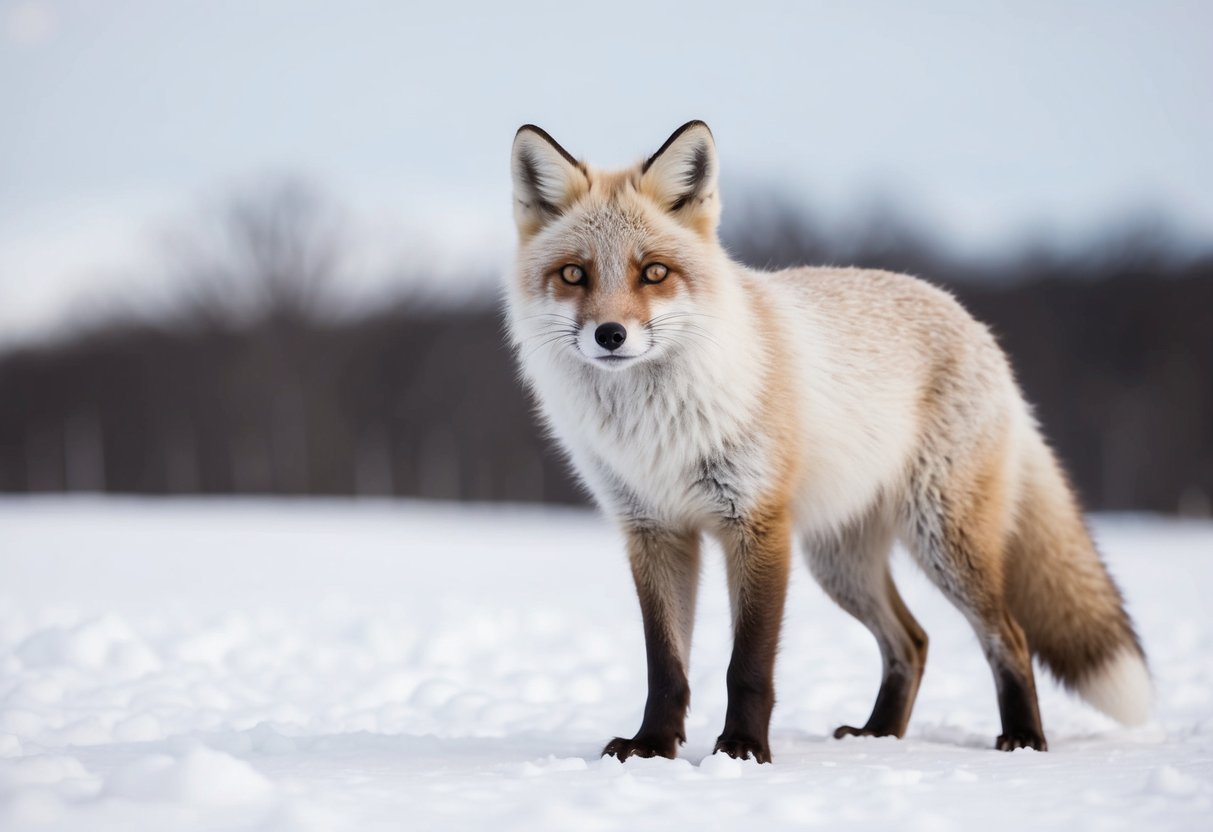
These foxes are known to be carriers of rabies and other parasites. Since they often scavenge near human settlements, they may come into contact with various pathogens, increasing their exposure to diseases.
Understanding the health risks associated with Arctic foxes can help you appreciate these animals while taking the necessary precautions if you live in areas where they are found.
Knowing more about the health of Arctic foxes allows you to better protect yourself and other pets. Whether you’re an avid wildlife watcher or simply curious about Arctic animals, learning about these risks can deepen your understanding of the ecosystem.
The Arctic Fox: Characteristics and Habitats
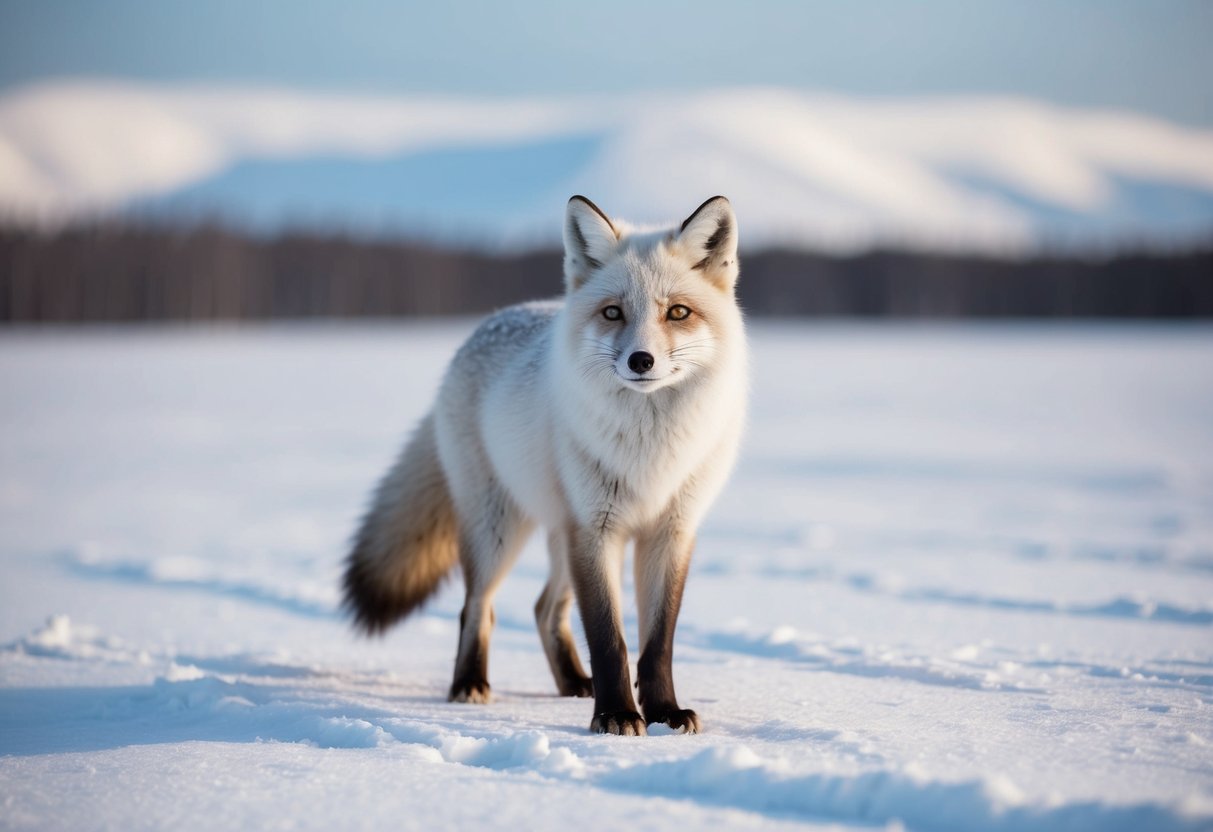
The Arctic fox, known scientifically as Vulpes lagopus, has unique features that help it survive in extreme cold. Its habitat is mainly in the Arctic regions where sea ice plays a crucial role in its survival. Let’s explore how Arctic foxes adapt and how climate change affects their homes.
Adaptations to the Arctic Environment
Arctic foxes have several remarkable adaptations. Their fur changes color according to the seasons, turning white in winter for camouflage against the snow and brown or gray in summer. This helps them avoid predators and catch prey.
They have thick fur that covers their bodies, providing insulation against freezing temperatures. Underneath their fur, a layer of fat keeps them warm as well.
Arctic foxes also have short ears and a round body shape, which help minimize heat loss.
These foxes are incredibly resourceful when it comes to hunting. They can smell prey buried under snow from over a mile away. Their diet mainly consists of small mammals, birds, and even carrion.
The Impact of Climate Change on Habitat
Climate change poses a serious threat to Arctic foxes. As temperatures rise, sea ice melts. This not only affects the fox’s hunting grounds but also disrupts their breeding patterns.
With less sea ice, the migration patterns of prey animals change too. This can make food scarce for Arctic foxes.
Additionally, with warmer weather, competition increases from other species like the red fox, which often invades Arctic fox territories.
The melting ice and changing landscapes also reduce the number of dens available for these animals. Many Arctic fox dens have been used for generations, sometimes even for over 300 years. With fewer places to raise their young, the future of the Arctic fox looks uncertain.
Health and Disease in Arctic Foxes
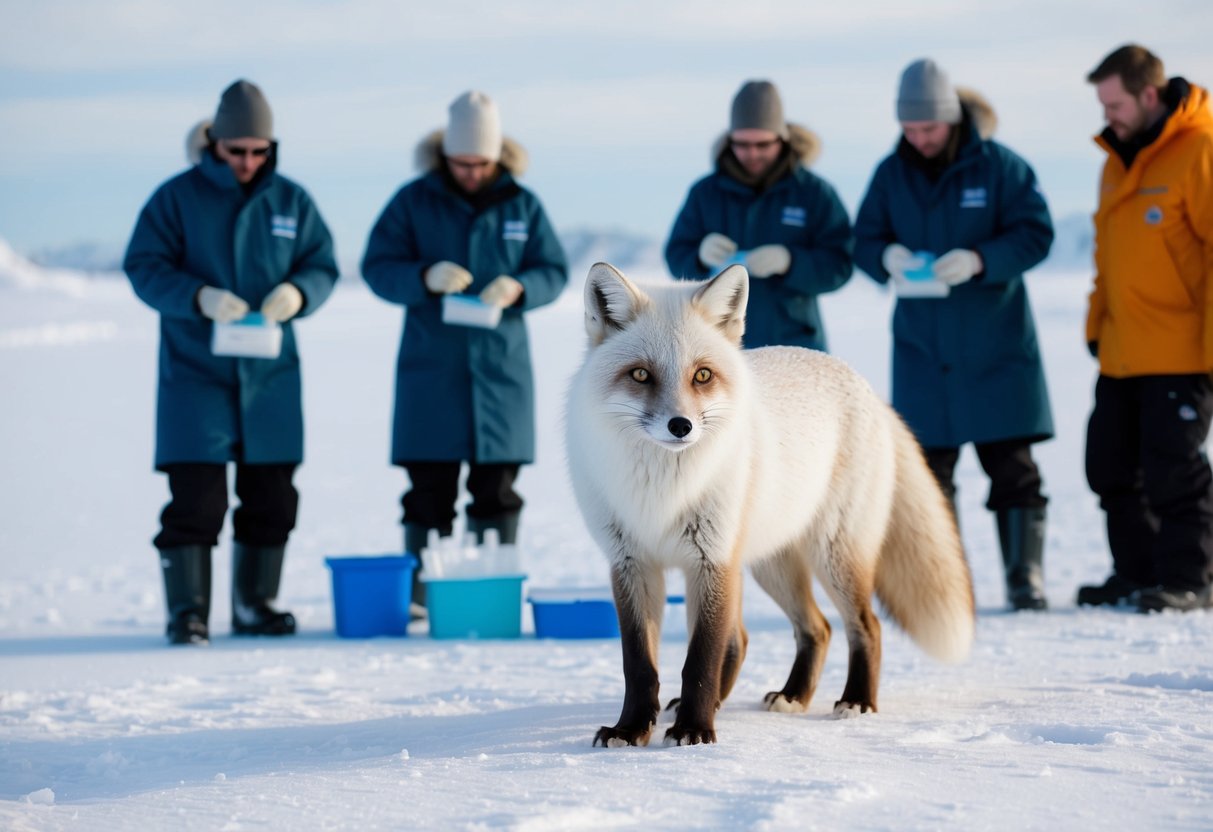
Arctic foxes can carry various diseases that may affect their health and populations. Understanding these diseases, especially rabies, can help you appreciate the challenges facing these resilient creatures.
Common Diseases of Arctic Foxes
Arctic foxes are susceptible to several diseases caused by different pathogens. One common issue is mange, caused by parasitic mites that lead to severe itching and hair loss. Affected foxes often appear scruffy and can suffer from secondary infections due to open sores.
Another concern is infections from bacteria such as Bartonella, which can affect the health of the foxes significantly. These conditions can weaken the immune system, making them more vulnerable to other diseases.
Regular monitoring and studies using polymerase chain reaction (PCR) help detect these infections early, which is crucial for managing their health.
Rabies and Its Transmission in Wildlife
Rabies is a viral disease that affects the central nervous system of mammals, including Arctic foxes. This virus is mainly transmitted through bites from infected animals. In the Arctic, Arctic foxes are considered key reservoirs of the rabies virus.
Wildlife interactions play a significant role in its spread. When foxes come into contact with other infected wildlife, such as bats or other carnivores, the disease can spread. This is particularly concerning in areas experiencing habitat disturbances, where interactions between species may increase.
Prevalence of Rabies in Arctic Fox Populations
Rabies has been a documented issue in Arctic fox populations since the mid-19th century. While the presence of the virus is noted, studies indicate that it does not significantly impact the overall population size.
Research suggests that Arctic fox populations maintain a balance despite the presence of rabies. Factors such as lifestyle and environment can influence how the disease spreads among populations. Climate changes and the presence of other fox species, like red foxes, can also affect rabies dynamics in these environments, leading to fluctuations in disease prevalence.
Interactions with Other Species
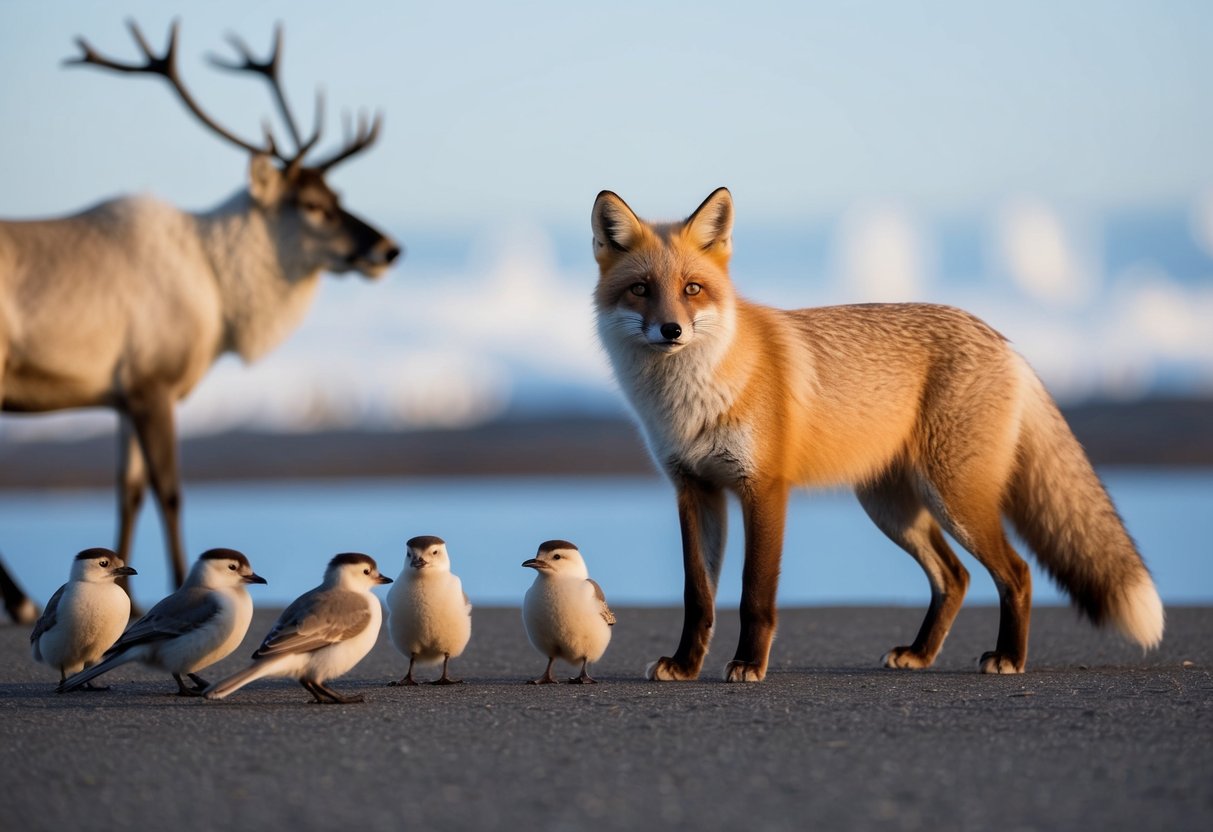
Arctic foxes play an important role in their environment and interact with various species, including red foxes. These relationships can impact the health and balance of the ecosystem. Understanding these interactions is key to grasping how Arctic foxes fit into their surroundings.
Arctic Foxes and Red Foxes
Arctic foxes and red foxes, known scientifically as Vulpes vulpes, can share overlapping habitats, particularly in areas where their ranges converge. While they may compete for food resources, they generally have different diets.
Red foxes are larger and tend to prey on bigger animals, while Arctic foxes hunt smaller prey. This difference allows them to coexist, but it can lead to territorial behaviors, especially when food is scarce.
In certain regions, red foxes can carry diseases like rabies, which may affect Arctic foxes if they come into contact. This highlights the importance of monitoring interactions to prevent disease spread among wildlife.
The Role of Arctic Foxes in Their Ecosystem
Arctic foxes contribute greatly to their ecosystem. As scavengers, they help clean up animal remains, including those from larger predators like polar bears. This scavenging action supports the health of the environment by reducing waste.
Additionally, Arctic foxes serve as prey for larger carnivores, like wolves. Their presence in the food chain keeps the population of both predators and prey balanced.
The interactions Arctic foxes have with other wildlife, including infected species, can influence the spread of diseases. Watching these relationships helps researchers understand the health of the whole ecosystem.
Human and Arctic Fox Encounters
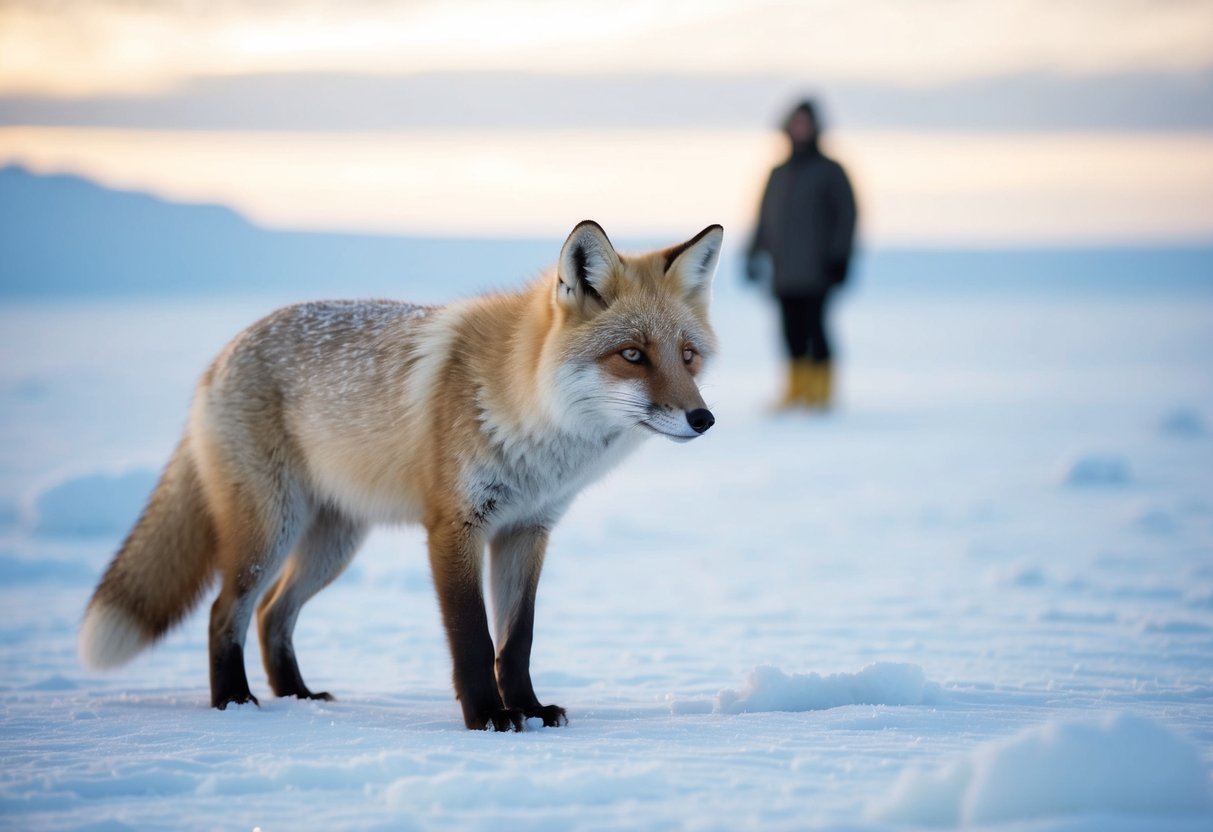
When you encounter an Arctic fox, it’s important to be aware of potential health risks. Understanding rabies and how to manage the risks from bites can help keep you safe.
Rabies in Humans and Preventative Measures
Rabies is a serious concern, especially in Arctic regions like Alaska, where Arctic foxes live. If a fox bites you, there’s a risk of transmission if the animal is rabid. Rabies spreads through the saliva of an infected animal and can lead to severe symptoms in humans.
Symptoms of rabies may include fever, headache, and anxiety. As the disease progresses, more severe symptoms can develop, such as paralysis or difficulty swallowing. The incubation period for rabies can vary, lasting from a few weeks to several months.
To protect yourself, avoid approaching foxes. If you are bitten, seek medical attention immediately. Vaccination is available and can prevent the onset of rabies if administered soon after exposure.
Managing Risks from Rabid Animal Bites
If you find yourself in a situation where you might be at risk of a fox bite, certain precautions can help reduce that risk.
First, keep a safe distance from wild animals. Arctic foxes may appear curious but can act unpredictably when approached.
In the event of a fox bite, wash the area thoroughly with soap and water. This action reduces the chance of infection from saliva. Following this, seek medical help as soon as possible.
Health professionals may recommend post-exposure rabies vaccinations based on the situation. It’s always better to be safe and seek advice from a healthcare provider if you suspect a rabid animal has bitten you.


