
The Arctic fox is a fascinating animal known for its beautiful fur and adaptability to extreme cold.
Yes, the Arctic fox can change its color, shifting from a brown or gray coat in the summer to a striking white in the winter. This color change helps it blend into its snowy surroundings, providing crucial camouflage from predators and aiding in hunting.
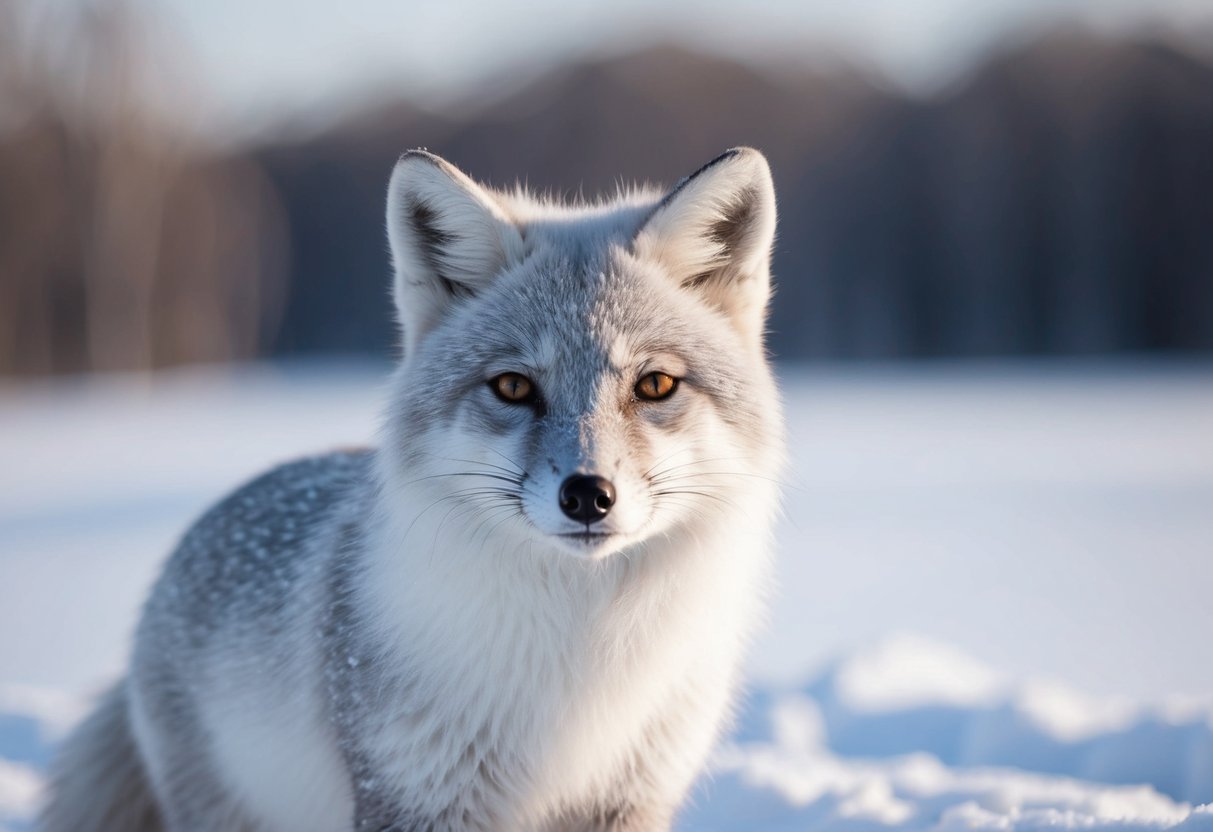
Beyond just a simple coat change, this transformation showcases how well these foxes adapt to their environment. As the seasons shift, so does their appearance, making them one of nature’s remarkable survivors in harsh conditions. You might be surprised to learn about other factors influencing their color change and the reasons behind this incredible ability.
Stay tuned to discover more about the Arctic fox and how its fur color is just one of the ways it thrives in the wild. You’ll gain deeper insights into their life and the science behind their seasonal transformation.
Understanding Arctic Fox Adaptations
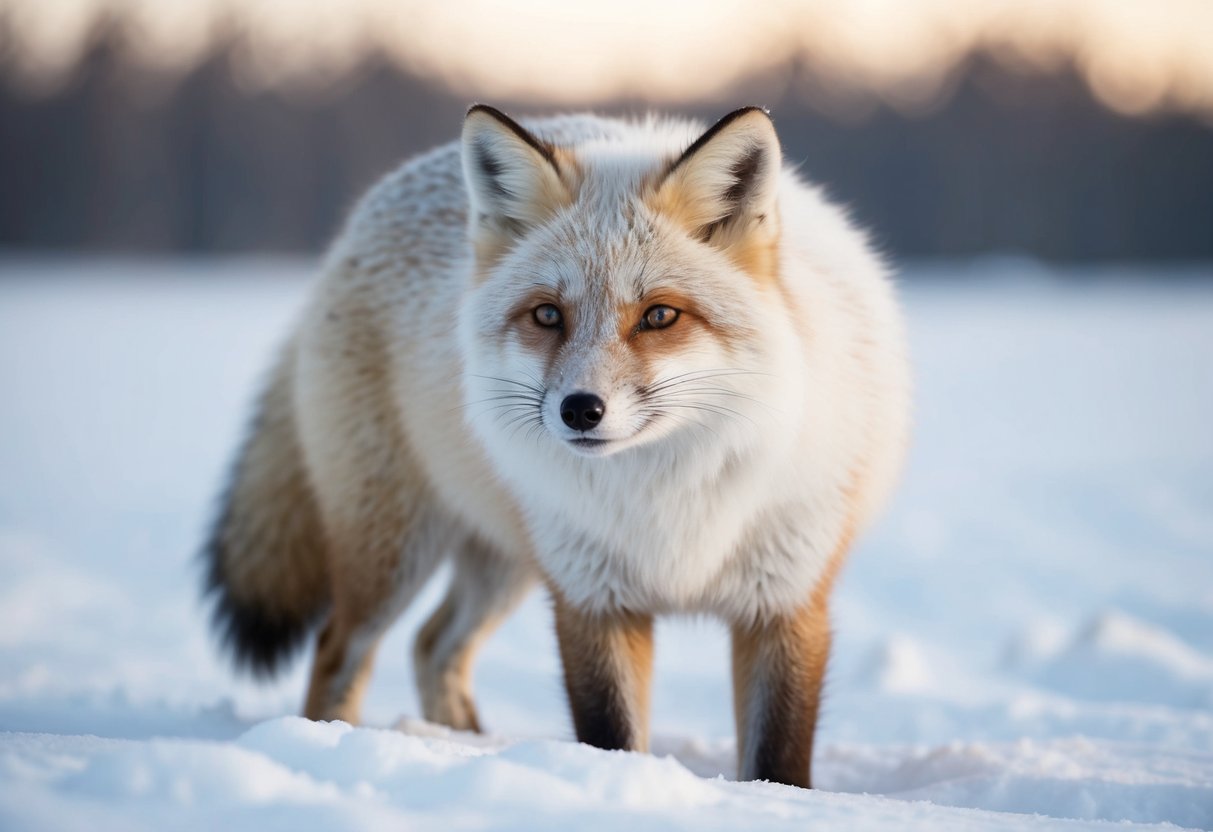
The Arctic fox has developed unique adaptations that allow it to thrive in its harsh environment. Its ability to change color with the seasons is essential for both camouflage and temperature regulation.
Let’s explore how this fascinating process works and how it helps the fox survive.
Color Change Mechanism
The Arctic fox, known scientifically as Vulpes lagopus, exhibits seasonal color change in its fur. In winter, its coat turns white, helping it blend into the snowy tundra. During summer, it changes to a brown or gray coat.
This transition is a result of molting, where the old fur falls out and new fur grows in response to environmental factors like temperature and daylight.
Hormonal changes trigger pigment production in the hair follicles, which directly influences coat color. The genetics behind this color change is complex, allowing the Arctic fox to adapt to varying conditions. This adaptability is key to its survival, as it enables effective camouflage, keeping it safe from both prey and predators.
Survival Strategies in the Tundra
The adaptations of the Arctic fox go beyond just color change. Its thick, insulated fur provides excellent thermoregulation during extreme cold. The compact body shape also helps conserve heat.
These features allow the fox to endure frigid temperatures while maintaining energy efficiency.
Additionally, the Arctic fox uses its color-changing ability for camouflage, making it stealthy while hunting. Blending into the environment allows it to approach prey more effectively. These strategies are crucial for survival in the harsh Arctic conditions where food can be scarce. Adaptability and resourcefulness make the Arctic fox a remarkable survivor in one of the planet’s most challenging habitats.
Arctic Fox Habitat and Lifestyle

Arctic foxes are well adapted to their harsh tundra home. Their lifestyle reflects their need to survive in this cold environment, focusing on effective hunting and a successful breeding process. Understanding these aspects is key to appreciating the resilience of these unique animals.
Hunting and Diet
In the tundra, you’ll find that Arctic foxes have a vital role as hunters. They mainly feed on small mammals like lemmings, which make up a large part of their diet. When lemmings are scarce, they will eat birds, eggs, and even carrion.
To hunt, Arctic foxes use several techniques. They might stalk their prey quietly or employ a high leap to catch it in the snow. Their keen sense of hearing helps them detect movement under the snow. This skill is important because food supply can vary greatly throughout the year.
Breeding and Lifespan
Arctic foxes typically breed in the spring, around April to May. The gestation period lasts about 52 days, leading to a litter of usually 5 to 10 pups. This is a crucial time for the parents, as they have to gather enough food to nurture their young.
The lifespan of an Arctic fox is about 3 to 6 years in the wild. Predators such as wolves or polar bears can pose a threat, making survival tough. However, with proper care and a little luck, some can live longer. The breeding season is an essential part of their life cycle, ensuring the continuity of their population in the Arctic tundra.
Conservation and Environmental Impact
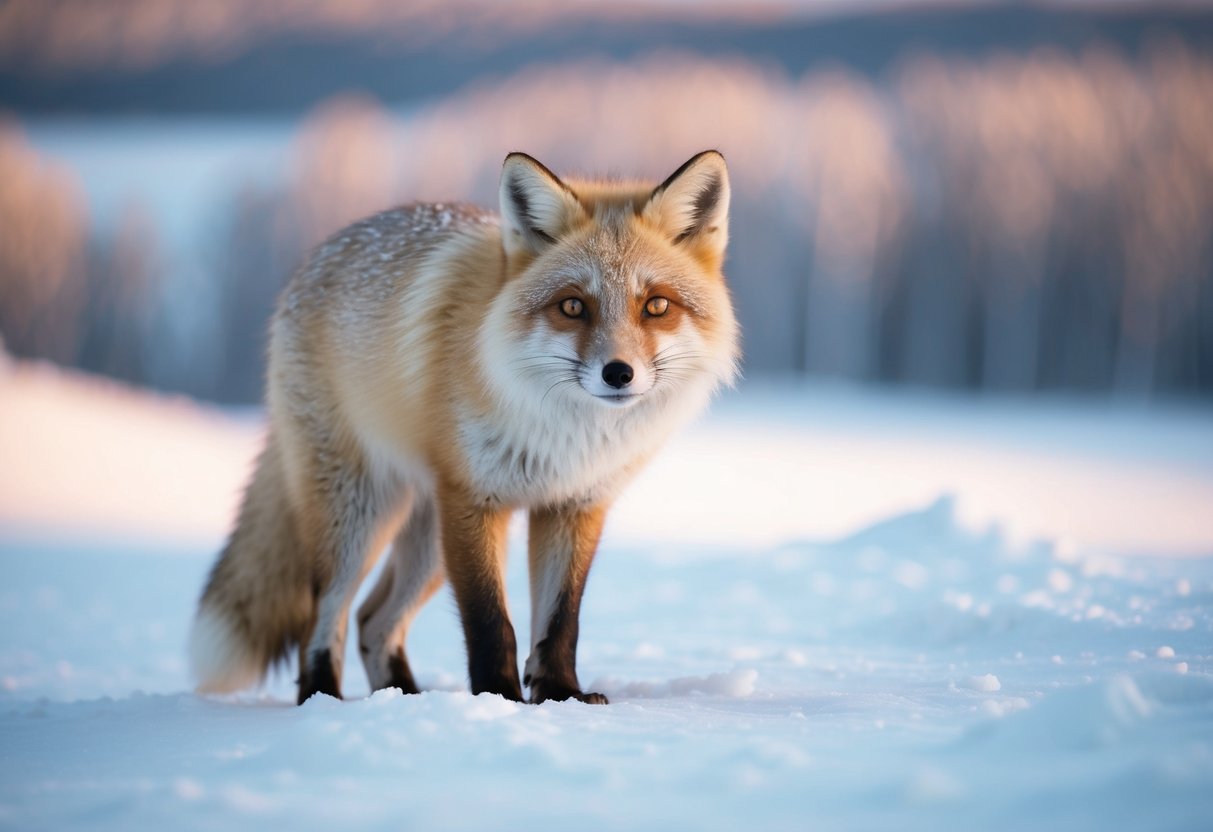
You might be surprised to know that the Arctic fox is facing serious challenges due to climate change and environmental factors. These issues not only impact their habitat but also the survival of their population.
Climate Change Effects
Climate change leads to warmer temperatures in the Arctic, which changes the landscape and disrupts the ecosystems. The snow cover is decreasing, which affects the Arctic foxes’ ability to camouflage.
When snow melts early, their white fur blends poorly into the environment. This change makes it harder for them to hunt and escape from predators.
Additionally, rising temperatures can alter the types of animals the Arctic foxes rely on for food. For example, their primary prey may decline. This shift can create stiff competition for limited resources, especially with an increase in red foxes moving into the area.
Protecting the Arctic Fox Population
To help the Arctic fox population thrive, we need to focus on conservation efforts. These efforts often focus on reducing the threats posed by climate change. Initiatives may include habitat protection and restoration. We also need to manage the red fox population that competes with Arctic foxes.
Public awareness campaigns are also crucial. Educating people about the Arctic fox’s role in the ecosystem can lead to increased support for preservation efforts. Programs that promote sustainable practices can further help mitigate environmental impacts. By coming together to support conservation, you play a part in protecting these beautiful creatures and their habitats for future generations.


