
If you’ve ever wondered about Arctic foxes and their relationship with humans, you’re not alone. Many people are curious about whether these charming creatures, known scientifically as Vulpes lagopus, pose any threat to us. The good news is that Arctic foxes are generally not dangerous to humans unless they feel threatened or are rabid. These small mammals are more focused on survival in their harsh Arctic habitat than on interacting with people.
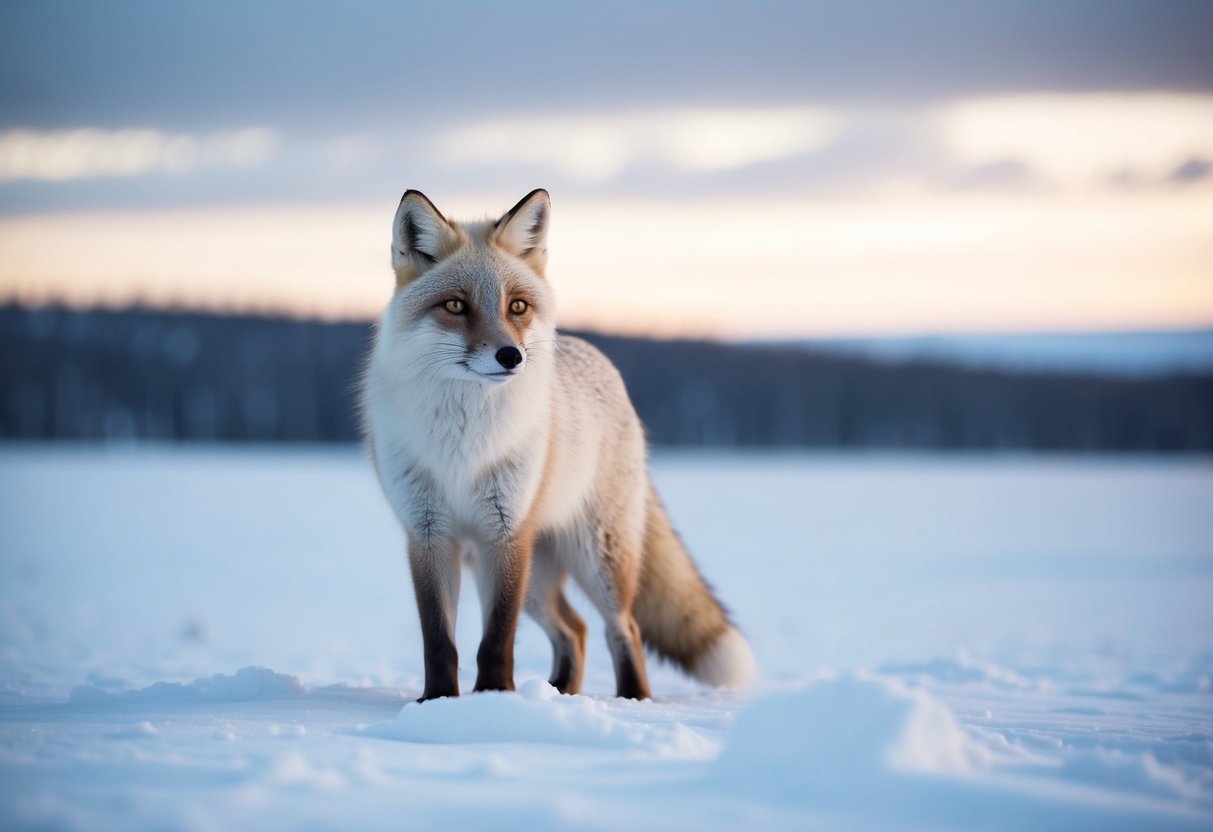
It’s important to understand the challenges Arctic foxes face. They struggle with threats from climate change and human activities like hunting for fur, which have significantly impacted their populations.
As you read on, you’ll learn more about these adorable foxes, their behaviors, and why respecting their space is crucial for both them and us.
Dive deeper into the fascinating world of Arctic foxes and find out how we can coexist peacefully while keeping these unique animals safe from further threats.
Understanding Arctic Foxes

Arctic foxes are fascinating animals that thrive in some of the harshest environments on Earth. Their unique adaptations and role in the ecosystem make them important to study and understand.
Habitat and Distribution
Arctic foxes primarily inhabit the tundra regions of the Arctic. This includes areas in Alaska, Canada, Greenland, and parts of Russia. They are well-suited to cold climates, often finding shelter in burrows under the snow.
During winter, their snowy environment provides excellent camouflage, making it easier for them to avoid predators.
They can travel long distances in search of food and sometimes migrate short distances as seasons change. This helps them adapt to fluctuating food availability.
Physical Characteristics and Adaptations
Arctic foxes have a thick, warm coat that helps them survive freezing temperatures. Their fur changes color with the seasons—white during winter and brown or grey during summer. This seasonal camouflage is key for hunting and avoiding danger.
They have short legs and a compact body, which reduces heat loss. Their furry paws act like natural snowshoes, allowing them to move easily over snow. Additionally, their keen sense of hearing helps them locate prey beneath the snow cover, making them effective hunters throughout the year.
Diet and Predation
As opportunistic feeders, Arctic foxes have a varied diet. They primarily hunt small mammals like lemmings and voles. In times of food scarcity, they scavenge from the remains of larger animals, such as polar bears.
Hunting techniques include stalking and pouncing on unsuspecting prey. They also cache food to eat later.
Arctic foxes must be cautious of predators like golden eagles and wolverines, which can pose threats to them, particularly when they are young.
In the Arctic ecosystem, they play a vital role in controlling small mammal populations and contributing to nutrient cycling through scavenging.
Human-Fox Interactions
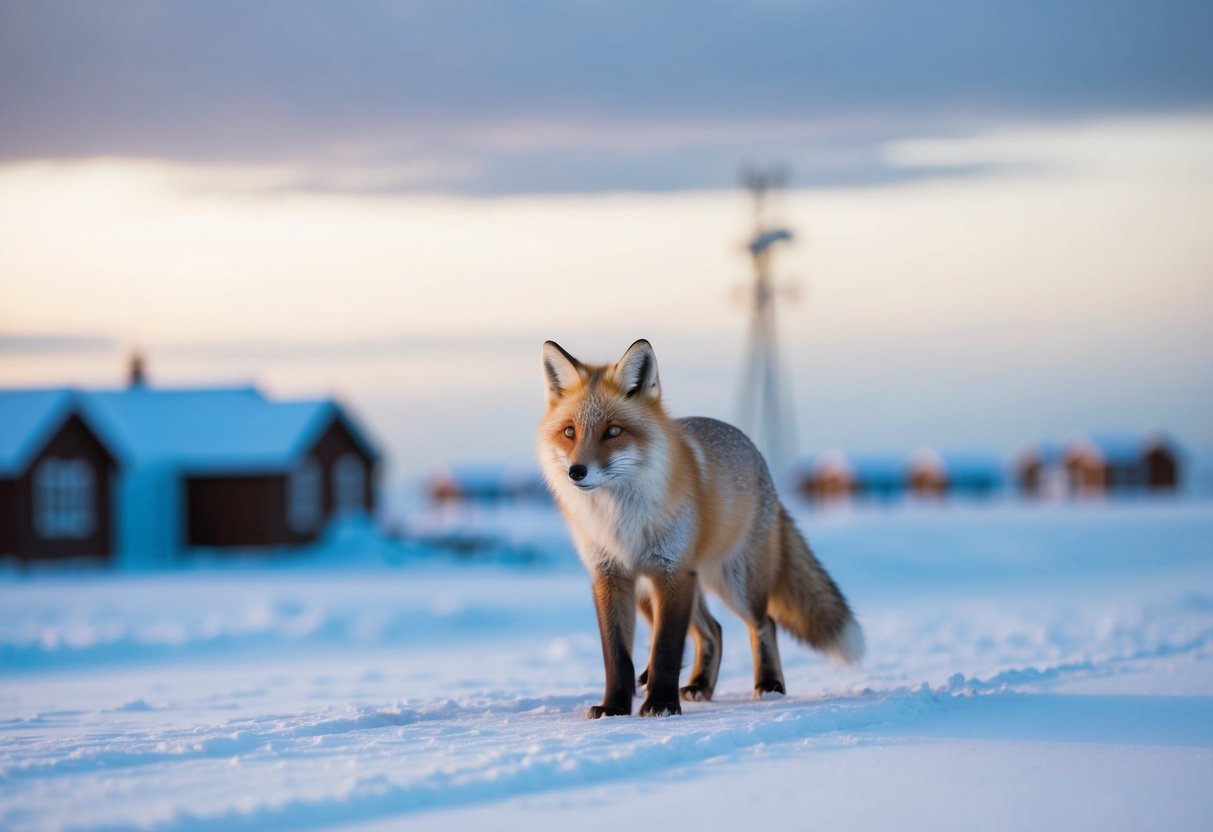
Understanding how Arctic foxes interact with humans is important for both safety and conservation. These encounters can vary greatly depending on the environment and context.
Contact with Humans
Arctic foxes are naturally shy and prefer to avoid humans. They often fall prey to habitat loss caused by human activities, which leads them to venture closer to urban areas in search of food.
When they do come into contact with people, it is usually because they are adapting to their changing environment.
It’s essential to maintain distance if you encounter an Arctic fox. Approaching them can cause stress and lead them to act defensively.
In regions where foxes have become accustomed to human presence, they may scavenge for food, creating a situation that could lead to further dependency on humans.
Arctic Foxes as Pets
While some people may consider Arctic foxes as pets, it’s important to think carefully. They require special care, a specific diet, and a lot of space to thrive.
Unlike domestic dogs, Arctic foxes have wild instincts that can make them challenging to train and manage.
In many places, it is also illegal to own a wild fox without proper permits. If you’re thinking about an Arctic fox as a pet, ensure you’re well informed about their needs and the responsibilities involved in caring for a wild animal.
Potential Threats to Humans
The risk of Arctic foxes posing a threat to humans is minimal. They are generally not aggressive and will avoid human interaction when possible. However, concerns exist regarding rabies, a disease that can affect any mammal.
Most Arctic foxes in their natural environment are healthy. Still, if you encounter one that appears sick or behaves oddly, keep your distance and contact local wildlife authorities.
Understanding their role in the ecosystem is crucial for addressing human-wildlife conflicts and ensuring safe surroundings for both foxes and people.
Threats to Arctic Fox Survival
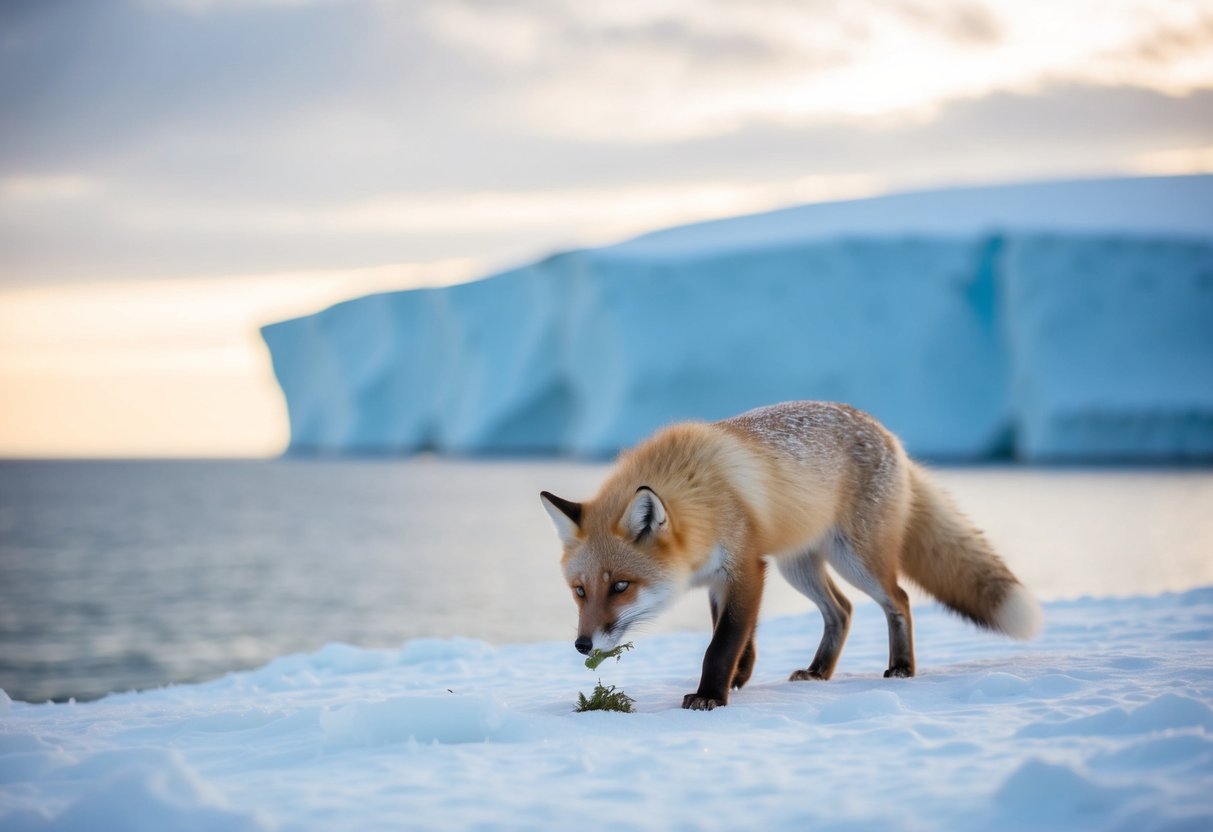
You might be surprised to learn that Arctic foxes face several serious threats that put their survival at risk. From climate change to competition with other species, these threats can impact their populations significantly. Let’s explore these issues.
Climate Change Impacts
Climate change poses a major danger to Arctic foxes. With rising temperatures, the habitats they rely on are changing rapidly.
Melting sea ice affects not only their living conditions but also their food sources.
As the tundra warms, the small rodents that make up a significant part of their diet can become scarce. This leads to food scarcity, making it hard for Arctic foxes to find enough to eat, especially during breeding seasons.
Additionally, warmer temperatures can lead to habitat destruction. Shrubs and other plants may spread into their regions, disrupting the delicate ecosystem they depend on.
Competition with Red Foxes
Another significant threat comes from red foxes, larger competitors that are moving into Arctic fox territories.
As the climate warms, red foxes are expanding their ranges northward, putting pressure on Arctic foxes for food and territory.
Not only do red foxes consume similar prey, but they also pose a risk through genetic pollution.
If Arctic foxes interbreed with red foxes, it can dilute their genetic distinctiveness. Maintaining a unique genetic identity is crucial for the Arctic fox’s adaptability to its harsh environment.
The combination of competition and genetic mixing complicates the survival of Arctic fox populations further.
Conservation Efforts
Efforts to protect Arctic foxes are underway but face challenges. Many organizations focus on conserving their habitats and raising awareness about these animals.
Effective conservation strategies include protecting designated areas, studying populations, and promoting sustainable practices in the Arctic.
You can support these animals by educating yourself and others about the threats they face. Participating in conservation programs or supporting wildlife organizations can make a difference for Arctic foxes.
Conservation is essential to ensuring these unique creatures have a fighting chance against the many challenges they encounter.


