
Arctic foxes, known scientifically as Vulpes lagopus, are remarkable creatures that thrive in some of Earth’s coldest environments. You might be wondering about their current situation in the wild.
Currently, estimates suggest there are around 630,000 Arctic foxes left in the world, although this number can vary between 330,000 and 930,000.
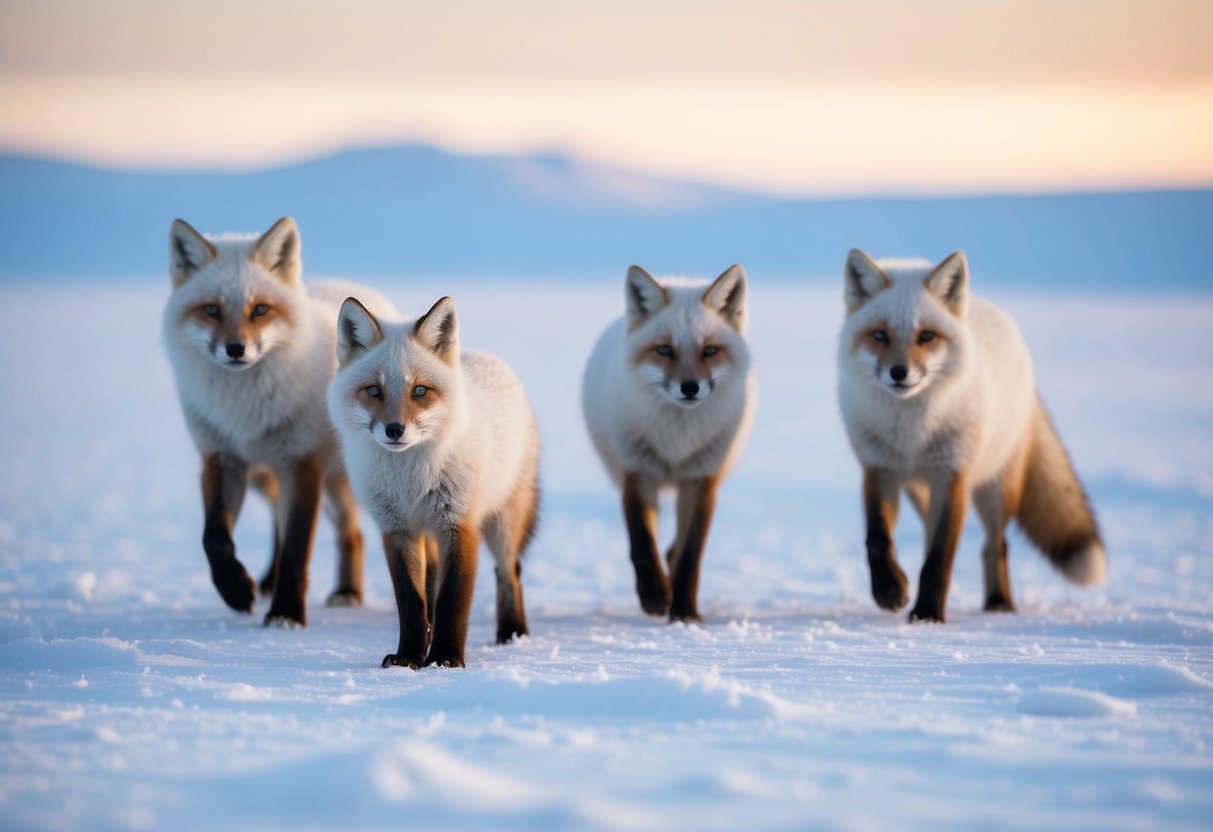
These small foxes primarily inhabit the Arctic tundra, where their thick fur provides warmth and camouflage in the snow. They are essential players in their ecosystem, feeding on small animals like lemmings, birds, and even fish. However, their population faces challenges due to climate change, which is affecting their habitat and food sources.
As you read on, you’ll discover more about the Arctic fox’s conservation status and what you can do to help protect these captivating animals. Understanding their plight can inspire you to take action and support efforts to keep their populations thriving.
The Arctic Fox: Species Overview and Habitat
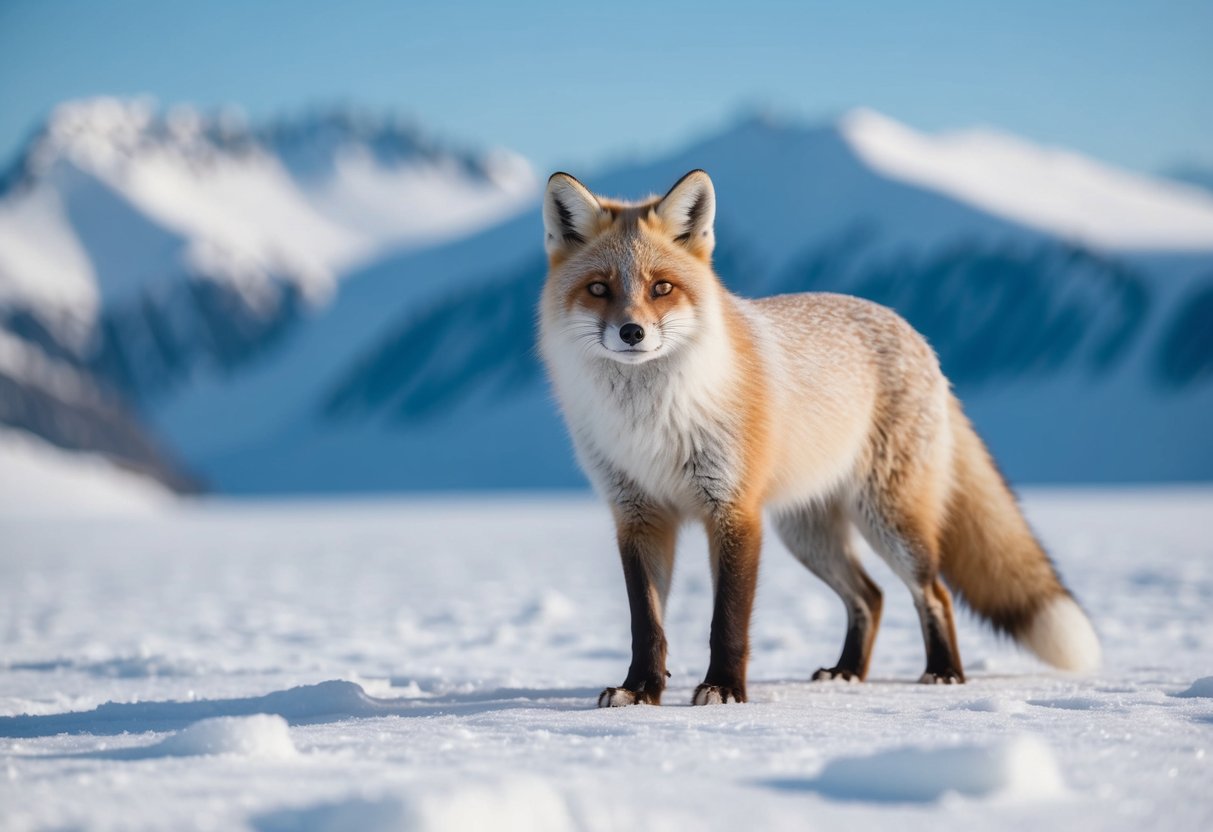
The Arctic fox, known scientifically as Vulpes lagopus, is an intriguing creature found primarily in the polar region. It has adapted to life in extreme cold and has a unique lifestyle that revolves around its habitat and food sources. Understanding its physical traits and where it lives can help you appreciate this remarkable animal.
Physical Characteristics and Adaptations
Arctic foxes are well-equipped to survive in harsh environments. They have a thick fur coat that is white during winter, helping them blend in with the snow. Come summer, they change to a brown or greyish fur, which allows them to stay hidden among rocks and tundra vegetation.
Their body is compact with short legs and a bushy tail, reducing heat loss. This design keeps them warm in temperatures that can drop to as low as -50°C (-58°F). They are also skilled hunters with good hearing, allowing them to locate prey under the snow, making them adept at finding food even in tough conditions.
Distribution Across the Arctic Region
You can find Arctic foxes in various locations across the Arctic region, including Canada, Greenland, Iceland, and parts of Russia. They inhabit the Arctic tundra and sometimes alpine tundra, where temperatures are extremely low.
Their habitat spans both land and ice-covered areas, showing their adaptability. Since they live in remote regions, their population ranges widely, estimated to be between 330,000 and 930,000 individuals. This wide range of numbers can be attributed to the difficulty in studying them in their natural habitats.
Diet and Prey Such as Lemmings and Birds
The diet of the Arctic fox mainly consists of small mammals, with lemmings being a favorite food source. They also hunt birds and scavenge for leftover food from larger predators like polar bears.
Arctic foxes are opportunistic feeders, meaning they take advantage of whatever food is available. This flexibility helps them thrive in their challenging environment. They can catch their prey through the snow, thanks to their keen sense of hearing, and will bury excess food to eat later. This behavior is essential for survival when food is scarce.
Challenges for Arctic Fox Populations
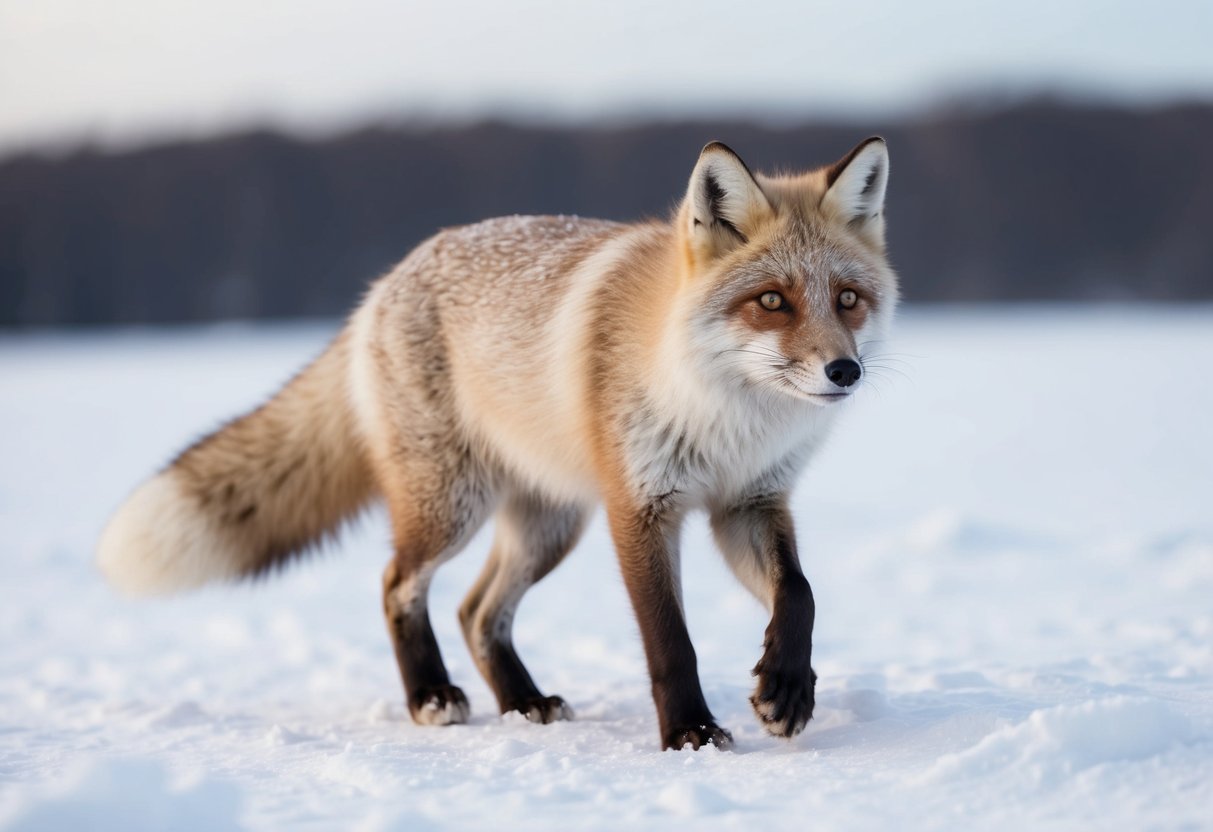
Arctic fox populations face several challenges that threaten their survival. Key factors include climate change, which alters their habitats and food sources, as well as competition with red foxes. Additionally, hunting and the fur trade impact their numbers. Understanding these issues helps you grasp the difficulties these fascinating animals encounter.
Impact of Climate Change on Habitats
Climate change significantly affects Arctic foxes by altering their habitats. Rising temperatures lead to melting sea ice and reduced snow cover, which affects where they can hunt and nest. Warmer weather can also impact the population of lemmings and other prey, making it harder for foxes to find food.
As their environment changes, Arctic foxes adapt, but these adjustments are challenging. You might see foxes moving to higher altitudes or further north, seeking colder habitats. Unfortunately, not all can find suitable new homes.
Predation and Competition with Red Foxes
The arrival of red foxes in the Arctic adds another layer of stress for Arctic foxes. Red foxes can outcompete Arctic foxes for food and territory. They tend to be larger and more adaptable, which makes them formidable rivals.
In areas where both species overlap, you may find Arctic foxes struggling to access their usual prey. This competition can lead to reduced pup survival rates, affecting the future population. Keeping track of red fox movements is essential for understanding the challenges Arctic foxes face.
Threats from Hunting and the Fur Trade
Hunting and the fur trade pose serious threats to Arctic fox populations. These animals are hunted for their beautiful fur, which can lead to population declines in specific regions. While regulations exist in some areas, illegal hunting still occurs.
Your awareness of these practices can help promote conservation efforts. Supporting organizations that protect Arctic habitats can make a difference. Understanding the impact of hunting and trade is vital in the fight for Arctic fox survival.
Conservation Efforts and the Role of Organizations
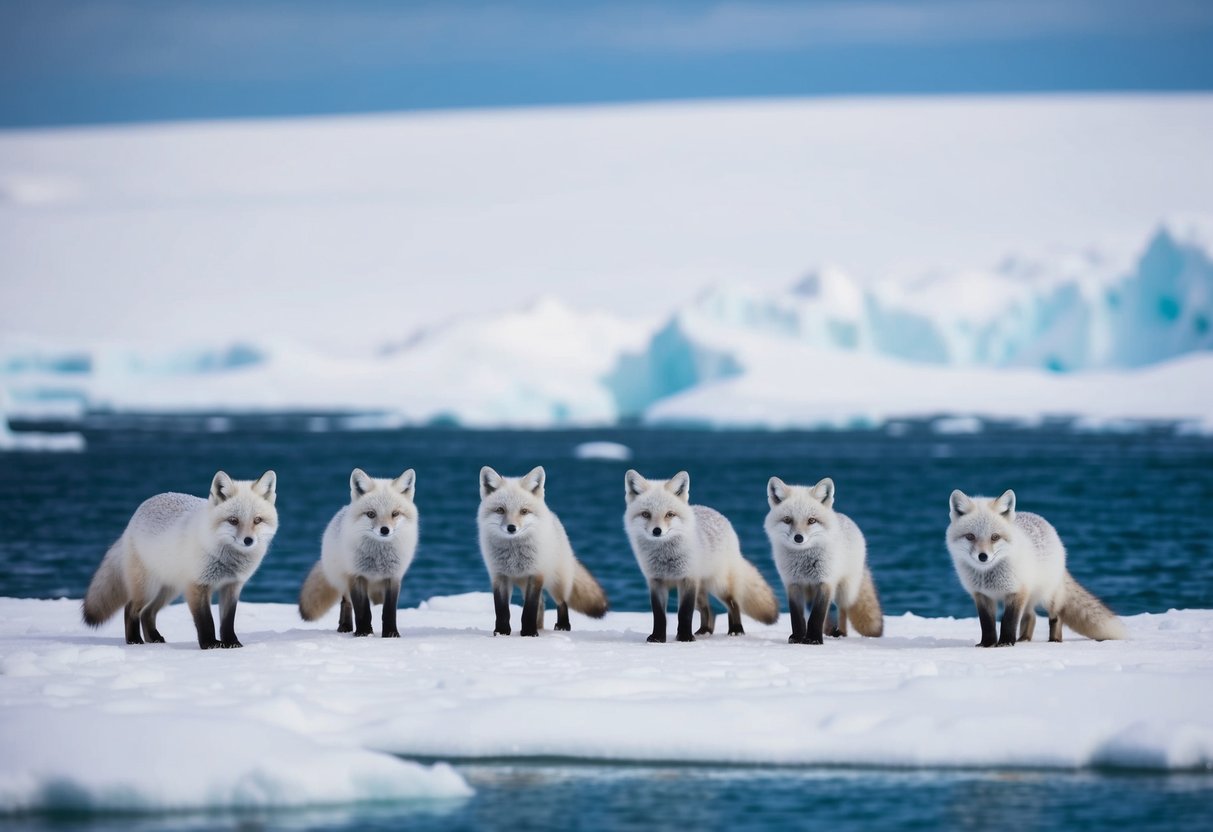
Conservation efforts for Arctic foxes are critical to their survival. Various organizations play a vital role in safeguarding these animals and their habitats through protected areas and focused research initiatives.
Protected Areas and Biodiversity Reserves
Protected areas and biodiversity reserves are essential for the conservation of Arctic foxes. These regions provide a safe space where wildlife can thrive and ecosystems remain balanced.
Organizations like WWF and IUCN work diligently to establish these reserves, ensuring that Arctic foxes have access to essential habitats. By minimizing habitat loss, these protected areas help maintain healthy populations of lemmings and voles, which are crucial for their survival.
Regular monitoring of these areas ensures that conservation efforts are effective. Implementing practices that reduce human encroachment enriches the biodiversity of these regions. This not only benefits Arctic foxes but also promotes the overall health of the ecosystem.
Research and Genetic Studies for Conservation
Research and genetic studies are key components of conservation efforts aimed at Arctic foxes. Understanding the genetic diversity within these populations helps organizations assess their conservation status. It also provides insights into how to manage their habitats most effectively.
Genetic studies can reveal important information about the health of the population. This includes understanding inbreeding risks and resilience to environmental changes.
Organizations focus on collecting data on Arctic fox behavior, diet, and habitat use. These findings guide conservation strategies and inform policies to protect these animals.
By supporting scientific research, you contribute to the ongoing efforts to ensure the long-term survival of Arctic foxes and their delicate ecosystems.
Understanding Population Dynamics
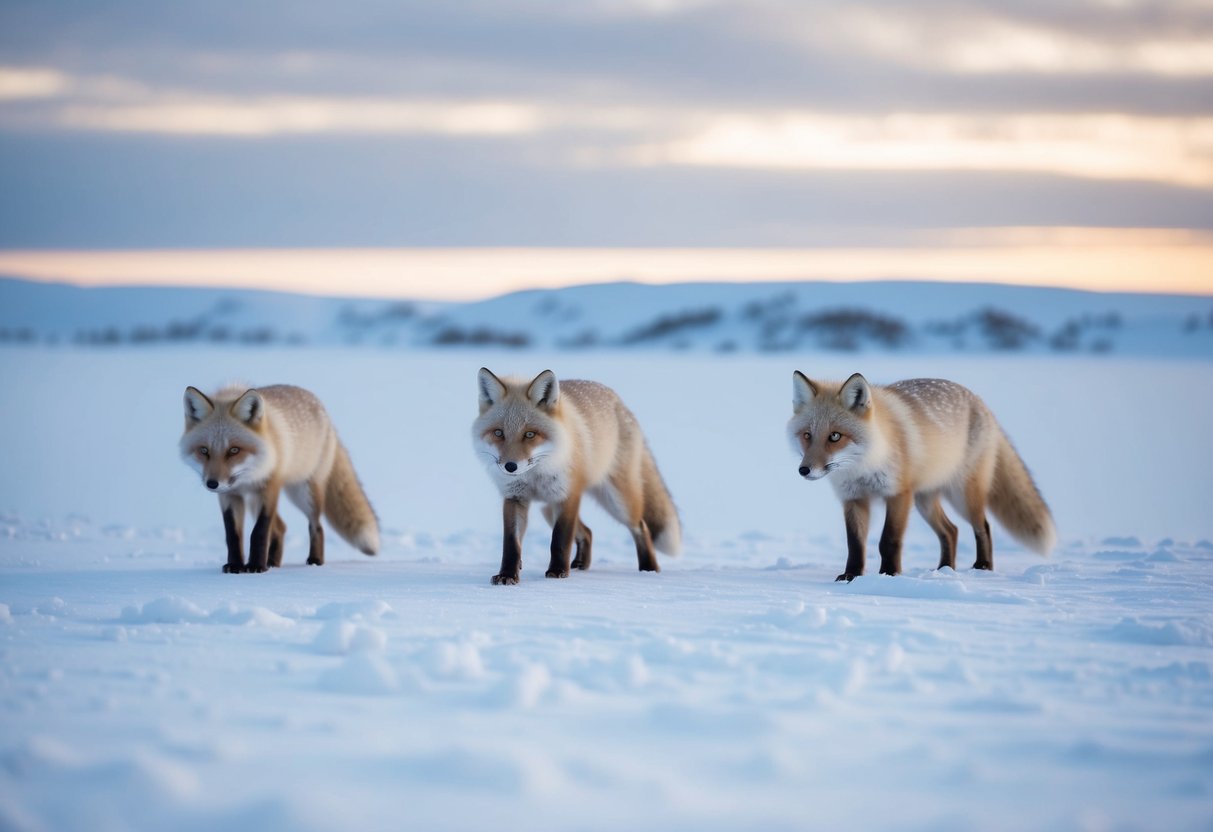
Arctic fox populations change over time due to various factors. Key aspects include breeding patterns and the availability of prey, particularly lemmings, which greatly influence their success in raising young. Let’s explore these important topics in more detail.
Breeding and Reproduction Patterns
Arctic foxes have a unique breeding cycle. They usually mate in late winter or early spring. After a gestation period of about 52 days, a female can give birth to a litter of 5 to 10 pups. The exact number can vary based on factors like food availability and environmental conditions.
The mother cares for the pups, while the father helps by bringing food. This teamwork is crucial for survival. Your chance of spotting these adorable young foxes in the wild increases in early summer when they play outside their dens.
Breeding success fluctuates significantly. When conditions are right, Arctic foxes thrive, but if lemming populations drop, so do their reproductive rates.
Influence of Prey Availability on Litter Sizes
Lemming numbers significantly affect how many pups an Arctic fox can have. When lemmings are abundant, food is plentiful. This allows female foxes to produce larger litters, sometimes reaching up to 15 pups.
Conversely, dwindling lemming populations impact reproduction. If food is limited, the female may have fewer pups or may not breed at all. This relationship highlights the delicate balance in the Arctic ecosystem.
In areas with high lemming populations, Arctic foxes can thrive. They can even be found in various Arctic regions, adjusting to their environment as needed. Understanding these dynamics helps in studying the overall Arctic fox population and its subspecies.


