
Arctic foxes, known scientifically as Vulpes lagopus, are fascinating creatures that many people wonder about as potential pets. While people can somewhat tame them, it is not an easy task and is generally not recommended for those without experience. Unlike domesticated dogs, these animals have specific needs and behaviors that can be challenging to manage.
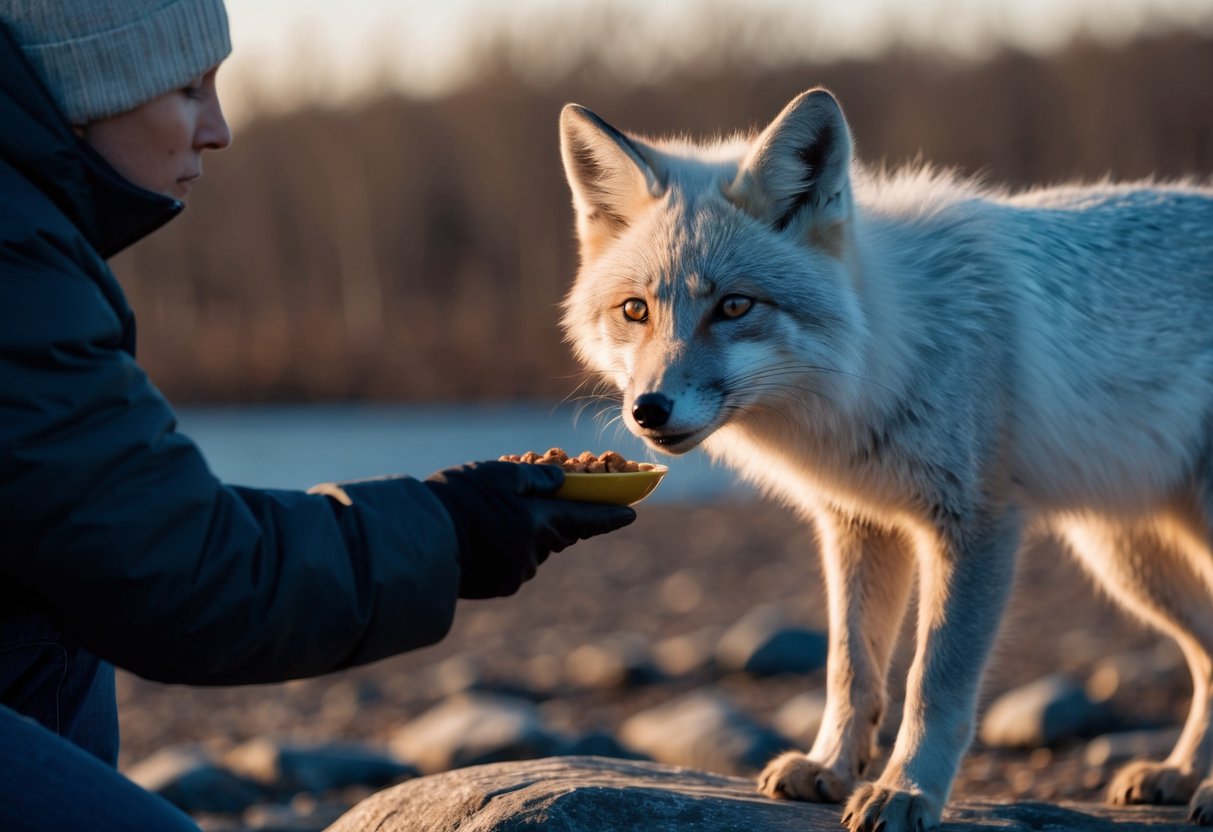
If you’re considering a pet fox, it’s important to understand what it truly means to tame an Arctic fox. These foxes are not like traditional pets. They require a unique environment and a lot of dedication to become somewhat comfortable around humans. You might find their playful nature appealing, but they also have instincts that can make them a handful.
The idea of having a tame fox sounds intriguing, but it’s vital to research and reflect on whether you can meet the needs of an Arctic fox. They thrive in environments that mimic their natural habitat and need structured care to remain healthy and happy. Understanding these factors can help you make an informed choice about whether an Arctic fox is the right pet for you.
Understanding the Arctic Fox
The Arctic fox, or Vulpes lagopus, is a fascinating mammal specially adapted to life in the harsh tundra. By exploring its physical traits and behavioral characteristics, you can appreciate how this unique animal thrives in extreme environments.
Physical Characteristics
Arctic foxes are small, sturdy animals with thick fur that keeps them warm in freezing temperatures. Their body length ranges from 18 to 27 inches, with bushy tails adding about 12 to 16 inches.
In winter, their fur turns white, offering perfect camouflage against the snow. In summer, it shifts to a brown or gray color, helping them blend in with the tundra landscape.
These foxes have small, rounded ears that minimize heat loss and a keen sense of hearing. Their paws are covered in fur, enabling them to walk on ice and snow easily. As omnivores, they eat various foods, including small mammals, birds, and berries.
Behavioral Traits and Habitat
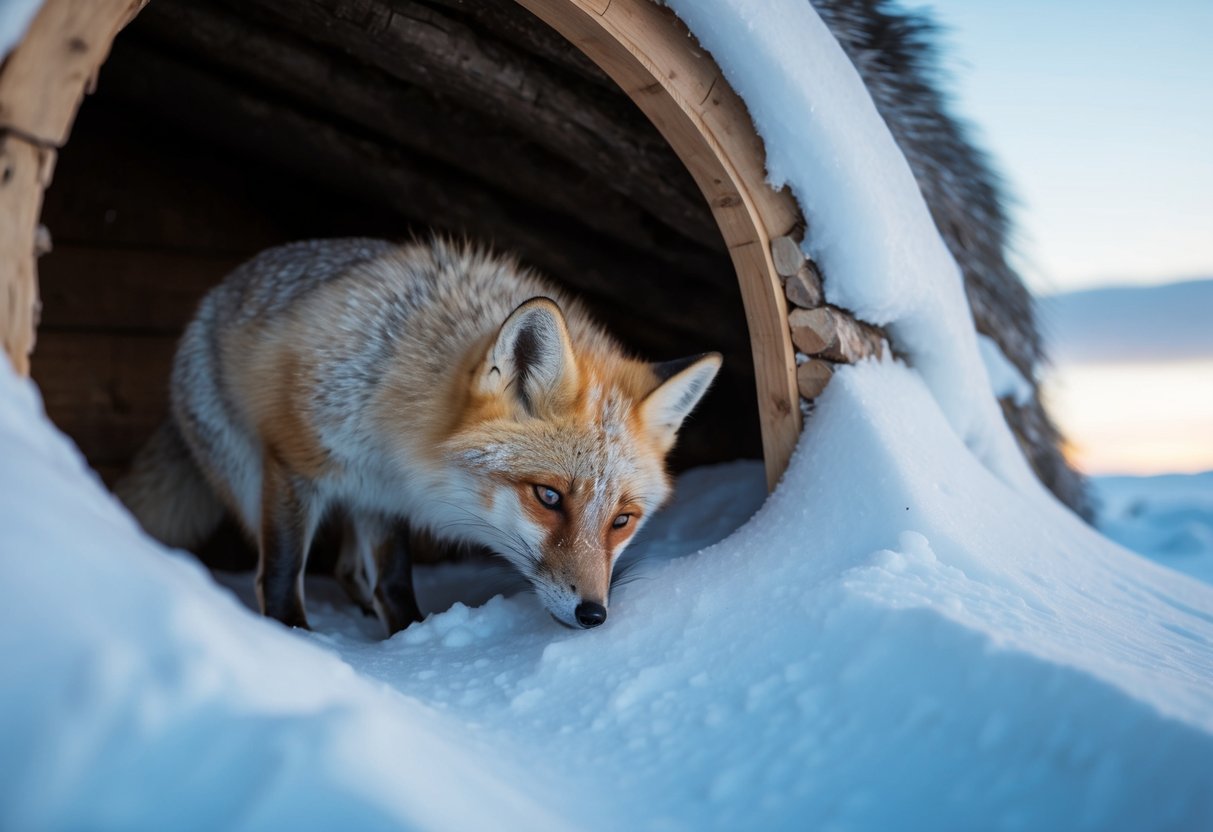
Arctic foxes are mostly nocturnal, meaning they are active at night. They live in burrows that they dig in the tundra. These dens are often used for generations and can be quite elaborate.
In terms of social behavior, Arctic foxes might form monogamous pairs during the breeding season, typically in late winter. They are known to be curious and intelligent, which is essential for their survival in the wild.
Despite living in extreme conditions, these wild foxes can be playful. They often chase each other and engage in social behaviors that help build bonds. Conservation efforts are important as they face threats from climate change and habitat loss. Understanding their unique traits helps in appreciating these resilient animals.
The Feasibility of Taming an Arctic Fox
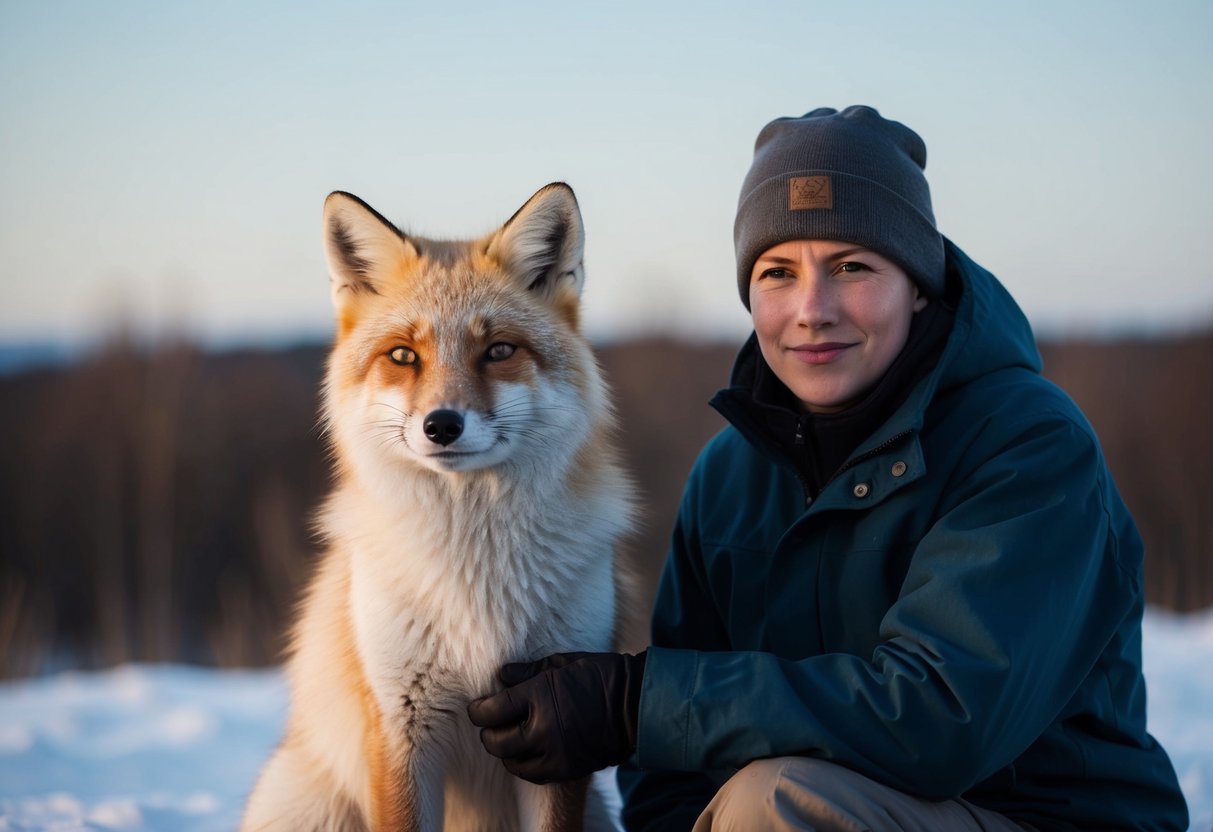
Taming an Arctic fox is a complex topic that involves understanding its behavior and genetics. You will see how Arctic foxes compare to domestic dogs and the role of breeding in this process.
Arctic Fox vs. Domestic Dogs
Arctic foxes are different from domestic dogs in several ways. Dogs have been bred for thousands of years to live with humans, but Arctic foxes have not undergone the same selective breeding process. This affects their behavior and interactions with people.
Arctic foxes tend to be more independent and may not form the same strong bonds with humans as dogs do. Their wild instincts can make socializing and training challenging. In contrast, domestic dogs exhibit traits like loyalty and playfulness due to generations of selective breeding.
Some people attempt to tame Arctic foxes, but success is rare. Unlike domesticated foxes, which have been bred for friendliness, Arctic foxes retain their wild behaviors.
Genetics and Domestication
Genetics play a crucial role in the tameness of Arctic foxes. Research has shown that specific genes influence behavior and adaptability. The Institute of Cytology and Genetics has studied domesticated foxes, finding that selective breeding promotes traits like lower aggression and increased sociability.
In contrast, Arctic foxes have not undergone similar breeding programs. This lack of genetic selection for tameness means they possess instincts that can make them more challenging companions.
Breeding Arctic foxes in captivity may result in some level of habituation to humans, but true domestication is unlikely. If you’re considering one as a pet, be aware of their wild nature and unique needs.
Caring for a Pet Arctic Fox
Owning a pet Arctic fox requires attention to their unique needs. This includes offering them a proper diet and being aware of the legal and ethical considerations that come with exotic pet ownership.
Diet and Nutrition
Arctic foxes are omnivores, meaning they need a varied diet. You should include a mix of meats, vegetables, and some fruits. Their diet can mimic that of their natural environment, which includes:
- Rodents
- Small mammals
- Birds
- Insects
A balanced diet helps keep your fox healthy and happy. It’s important to avoid overfeeding and ensure they get the right nutrients. You can also consult a vet familiar with exotic pets to create a special meal plan.
Legal and Ethical Considerations
Before bringing an Arctic fox home, check local laws. Some areas have strict regulations regarding pet foxes. This is essential to ensure you are following conservation efforts and ethical guidelines.
Educate yourself about the responsibilities of owning an exotic pet. Foxes may require specialized vets, and finding one can be challenging. Make sure you understand the commitment involved, including the costs and care needed for their well-being.
Arctic Foxes in Popular Culture
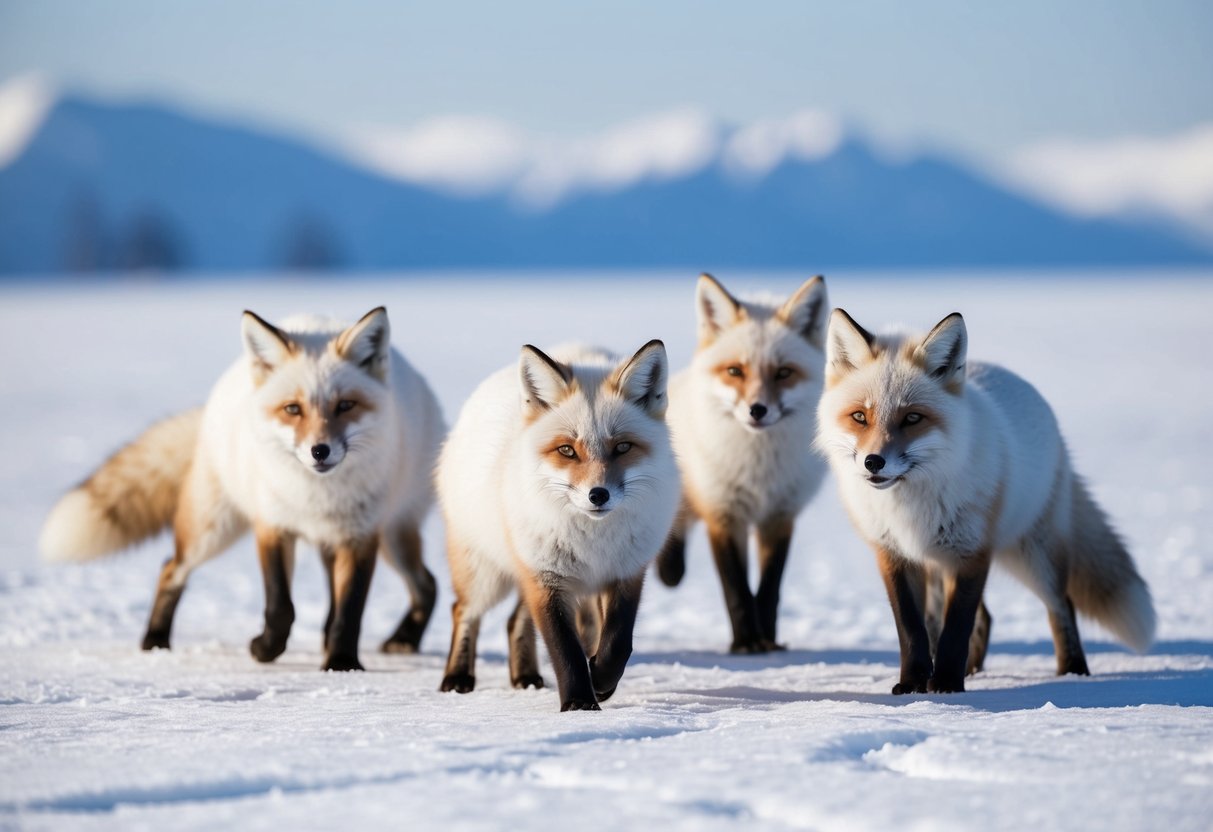
Arctic foxes have made a notable impact in various forms of media, influencing how people view these animals. They are often depicted in games and literature, showcasing their unique traits and playful nature.
Arctic Foxes in Video Games
In the popular game Minecraft, Arctic foxes appear within taiga biomes. These creatures are depicted as cute, small animals that can exhibit playful behavior. You can find them roaming near sweet berry bushes, where they often hunt for their favorite treats.
When playing Minecraft, you can tame a fox, which represents a bond in the game. However, remember that only the red fox variant is available for taming. This adds an element of survival as you navigate through the game’s taiga and snowy taiga biomes.
Arctic foxes in Minecraft are known as passive mobs. They don’t attack players and add charm to the game’s ecosystem. Their presence encourages players to engage with nature, learning about the unique adaptations of these animals in a fun way.
Books and Media
Arctic foxes also appear in various books and films, featuring their ability to survive in harsh climates. The imagery often highlights their striking white fur during winter, which helps them blend into the snowy landscape.
You might find stories that focus on their cleverness and resourcefulness, reinforcing the idea of adaptation.
In some tales, Arctic foxes symbolize cunning and trickery, making them engaging characters. This representation has a cultural impact, influencing how audiences perceive wildlife.
By showcasing their survival skills, these stories often remind readers of the importance of protecting such creatures and their habitats.
With their charm and adaptability, Arctic foxes continue to inspire creativity in various media. This has helped to highlight their ecological significance and role within nature.


