
The journey of Arctic foxes to Iceland is a fascinating story of survival and adaptation. Around 10,000 years ago, these clever creatures made their way to the island, likely crossing a natural ice bridge during a time when sea levels were lower. As the only native land mammal in Iceland, Arctic foxes have not only endured the harsh climate but have thrived, especially in remote areas like Hornstrandir, where their unique adaptations can be observed.
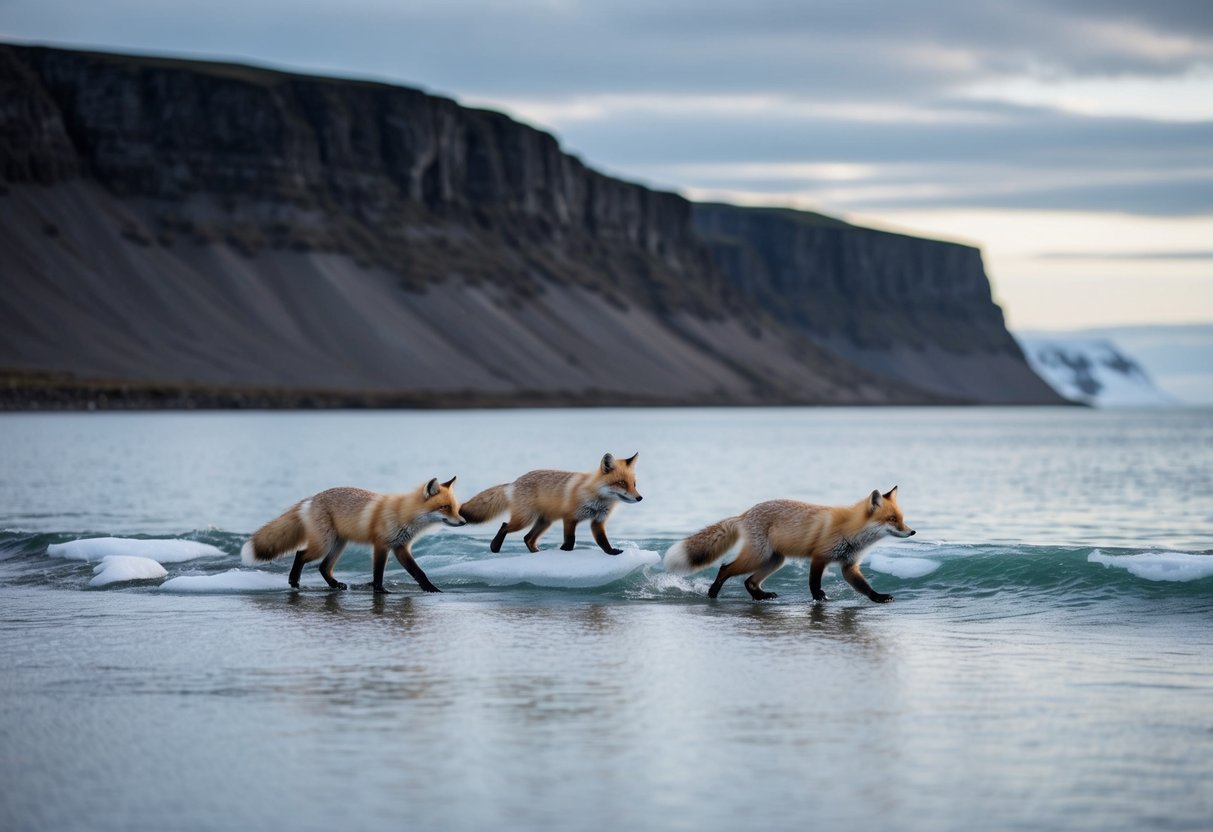
In Iceland, you can discover the Arctic fox’s role in the local wildlife through dedicated places like the Arctic Fox Center. This center not only celebrates these resilient animals but also educates visitors about their lifestyle and habitats. Whether you’re an animal lover or simply curious about wildlife in Iceland, understanding how Arctic foxes arrived is a key piece of the puzzle.
By exploring the origins and behaviors of these fascinating mammals, you’ll gain insight into the delicate balance of Iceland’s ecosystem. The Arctic fox serves as an important link in the wildlife of the region, reminding us of nature’s incredible ability to adapt.
History and Origins of Arctic Foxes in Iceland
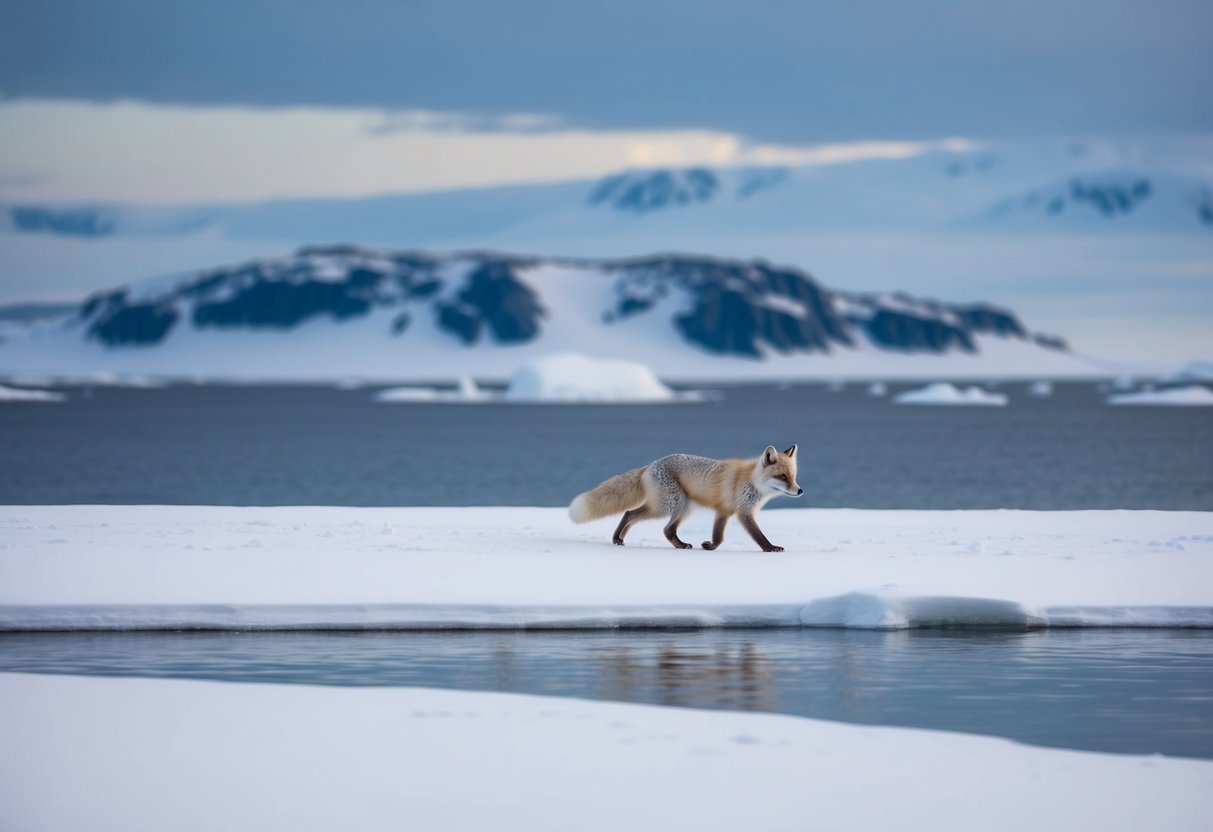
The history of Arctic foxes in Iceland is tied to their ancient presence and migration patterns. Understanding these elements gives insight into how they adapted to this unique environment.
Ancient Arctic Foxes and Archaeological Sites
Arctic foxes have lived in Iceland since the end of the Ice Age. Archaeological sites reveal that these animals were part of Iceland’s early ecosystem. Researchers found ancient fox remains in locations such as caves and settlements.
Genetic studies indicated that the ancestral population consisted of a single genetic signature. This research was published in the Proceedings of the Royal Society B. The findings show that early Arctic foxes in Iceland likely came from a small number of individuals.
Migration and Ice Ages
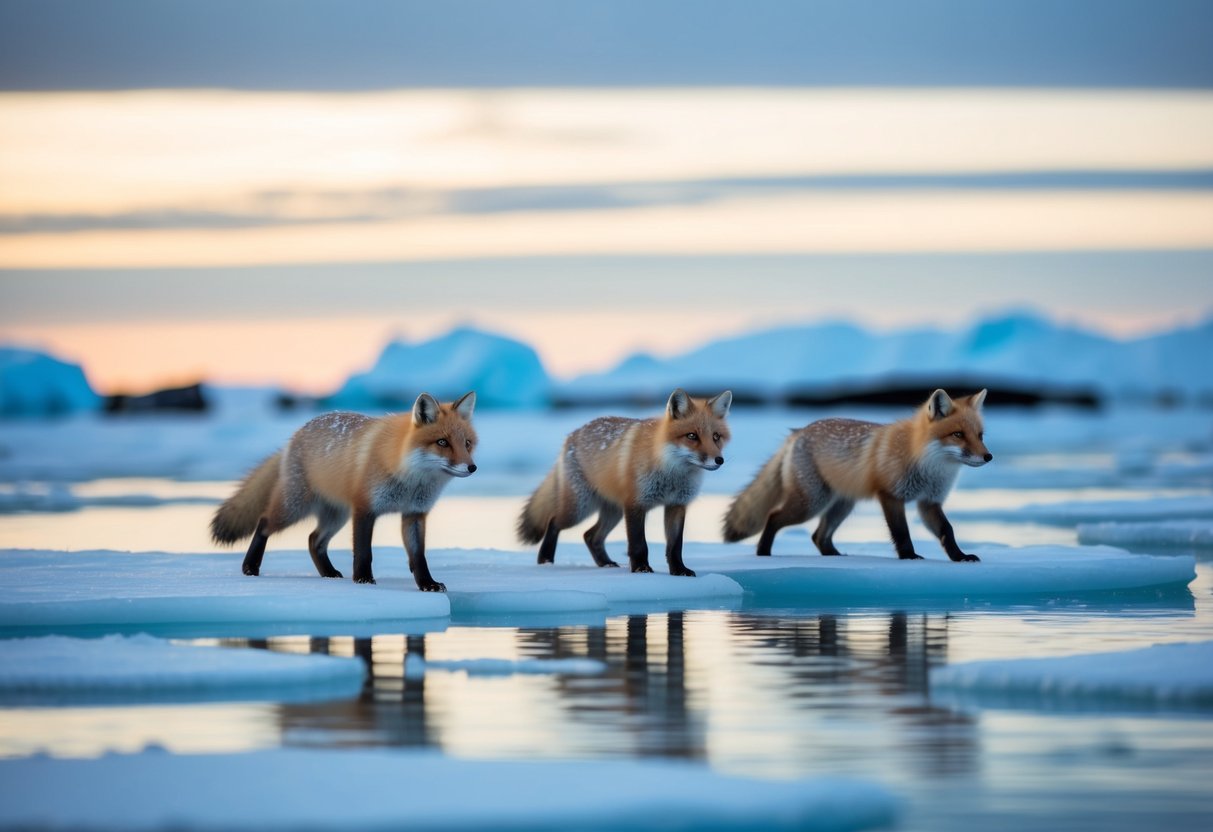
During colder periods, like the Little Ice Age, migrations of Arctic foxes to Iceland became possible. An “ice bridge” formed, connecting mainland areas to the island. This allowed foxes to travel across sea ice and colonize new territories.
Nomadic Arctic foxes would roam the frozen landscapes, seeking new habitats. Over time, different groups formed, adapting to the unique conditions in Iceland. This migration helped sustain their population as they faced climate shifts and changing prey availability.
Physical and Behavioral Adaptations
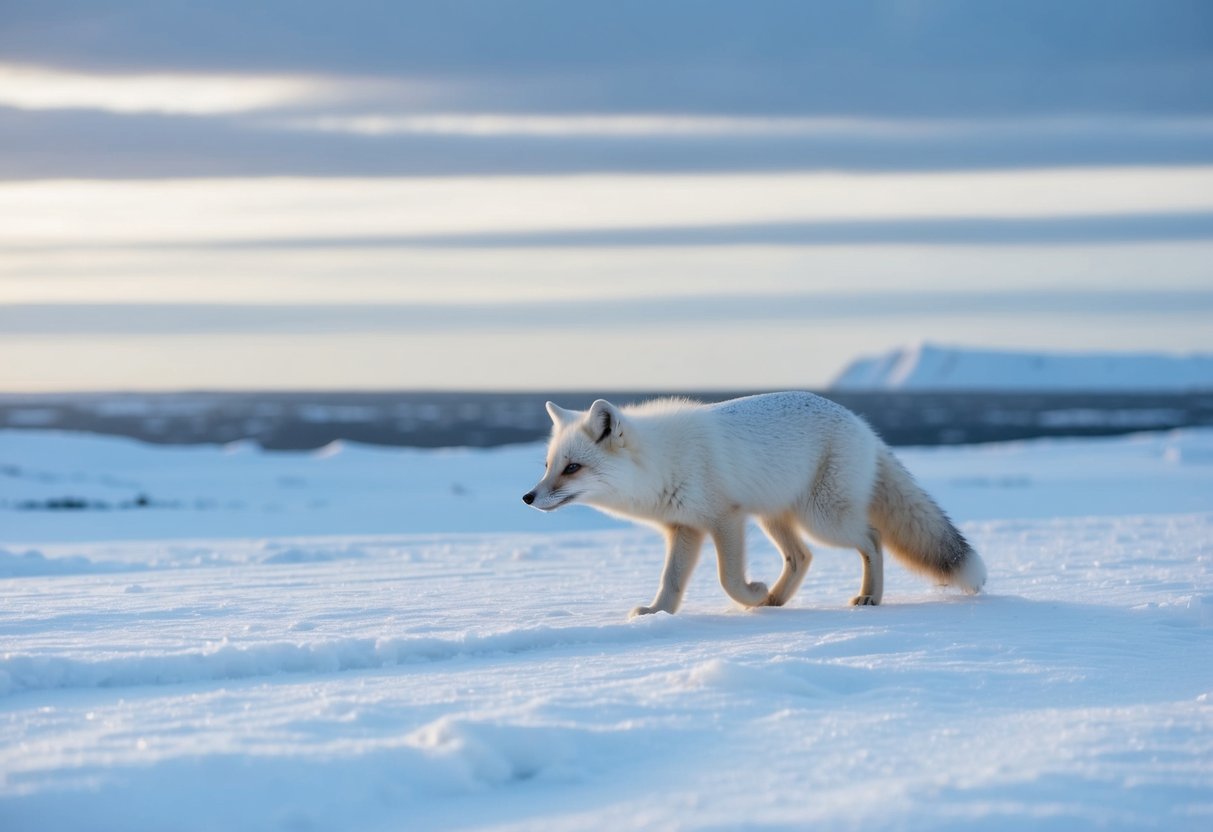
Arctic foxes have developed several physical and behavioral traits to thrive in their environment. These adaptations help them stay warm, find food, and successfully reproduce. Here are some key aspects of their survival skills.
Camouflage and Winter Coat
Your Arctic fox has a stunning winter coat that turns white, blending perfectly with the snow. This camouflage is crucial for hunting and avoiding predators. In summer, its coat changes to a brown or gray color, which helps it blend with the tundra.
The thick fur provides insulation, keeping the fox warm in temperatures that can drop as low as -50°C. The pad of their feet is covered in fur, helping them grip the icy ground. This unique coat is not just beautiful; it plays a vital role in survival.
Diet and Hunting Patterns
As a carnivorous creature, the Arctic fox has a varied diet. You might find them hunting small mammals like voles and reindeer calves. They are also known to hunt birds and consume eggs when available.
Hunting is often done alone or in pairs. Their excellent sense of hearing helps them locate prey beneath the snow. They may also scavenge from larger predators, taking advantage of leftover meals like seal pups. This adaptability in diet is key to their survival in a harsh environment.
Breeding Habits and Family Structure
Arctic foxes typically form monogamous pairs during the breeding season. This bond is strong, as they work together to care for their young. The gestation period lasts about 52 days, leading to a litter of 5 to 7 pups.
You will find that parents take turns hunting and watching the den. The pups are born blind and helpless but grow quickly. This strong family structure helps ensure the survival of their young, making them a protected species in many areas.
Conservation and Population Management
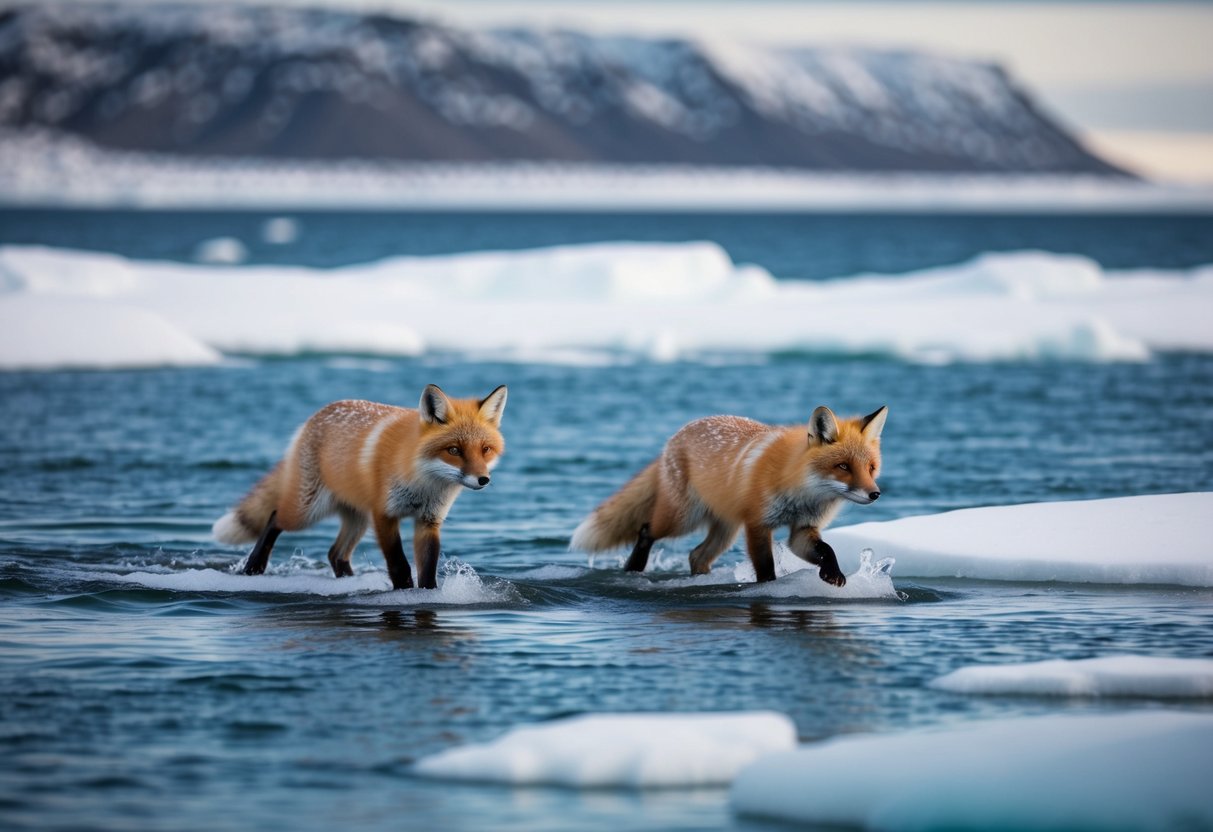
Conservation efforts for Arctic foxes in Iceland focus on protecting their habitats and ensuring a stable population. Strategies include managing protected areas and monitoring genetic diversity, which are crucial for a healthy fox population.
Protected Areas and Nature Reserves
One of the key strategies for conserving Arctic foxes is the establishment of protected areas. The Hornstrandir Nature Reserve is a significant location for these efforts. This reserve offers a safe habitat for foxes, free from human interference and hunting pressures.
In this environment, foxes can thrive, contributing to their population stability. Conservation teams monitor these areas regularly to assess the health of the fox population. They also engage in habitat restoration projects, ensuring that the natural environment remains suitable for foxes and other wildlife.
Population Density and Genetic Diversity
Maintaining a healthy population density is important for the Arctic fox. Low numbers can lead to inbreeding, which reduces genetic diversity. This diversity is vital for the long-term survival of the species, as it helps populations adapt to changes in their environment.
Studies show that the Icelandic Arctic fox population experienced significant fluctuations over the years. Ongoing research, including insights from the Natural Environment Research Council, aims to track these changes. This monitoring allows for timely interventions if the population shows signs of decline. Through these efforts, conservationists hope to enhance the future of Arctic foxes in Iceland.
Human Interactions and Environmental Impact
Human activities have greatly influenced the Arctic fox population in Iceland. From climate change affecting habitats to tourism facilitating education about these unique creatures, your interactions with the environment can shape the future of Arctic foxes.
Climate Change and Habitat Alteration
Climate change plays a significant role in altering the habitats of Arctic foxes. As global warming leads to warmer temperatures, the landscapes where these foxes thrive are changing.
The melting ice and shifting vegetation can disrupt their food sources. This change makes it harder for Arctic foxes to find prey, impacting their survival.
Additionally, human settlement in Iceland has introduced challenges. Areas previously untouched now face construction and development, which can lead to habitat loss. The establishment of nature reserves helps protect some regions, but much more is needed to preserve these animals and their environment.
The Role of Tourism and Education
Tourism can have both positive and negative impacts on Arctic foxes. Increased visitor interest in wildlife can raise awareness about conservation efforts. Places like the Arctic Fox Center provide educational experiences that focus on the importance of protecting these animals.
On the other hand, excessive tourism can disturb their habitats. Visitors may unknowingly encroach on living areas or stress the animals. Responsible tourism practices, such as maintaining distances from wildlife and following guidelines, are crucial.
Education programs can help inform the public about the delicate balance between enjoying nature and protecting it. By prioritizing wildlife-friendly practices, you can play a part in ensuring Arctic foxes continue to thrive in Iceland.


