
Arctic foxes, known scientifically as vulpes lagopus, are remarkable survivors in one of the harshest climates on Earth. These clever animals use a variety of adaptations to endure the frigid winter months.
From changing their fur color to providing effective camouflage, to having a special layer of fat for insulation, Arctic foxes are well-equipped to thrive in extreme conditions.
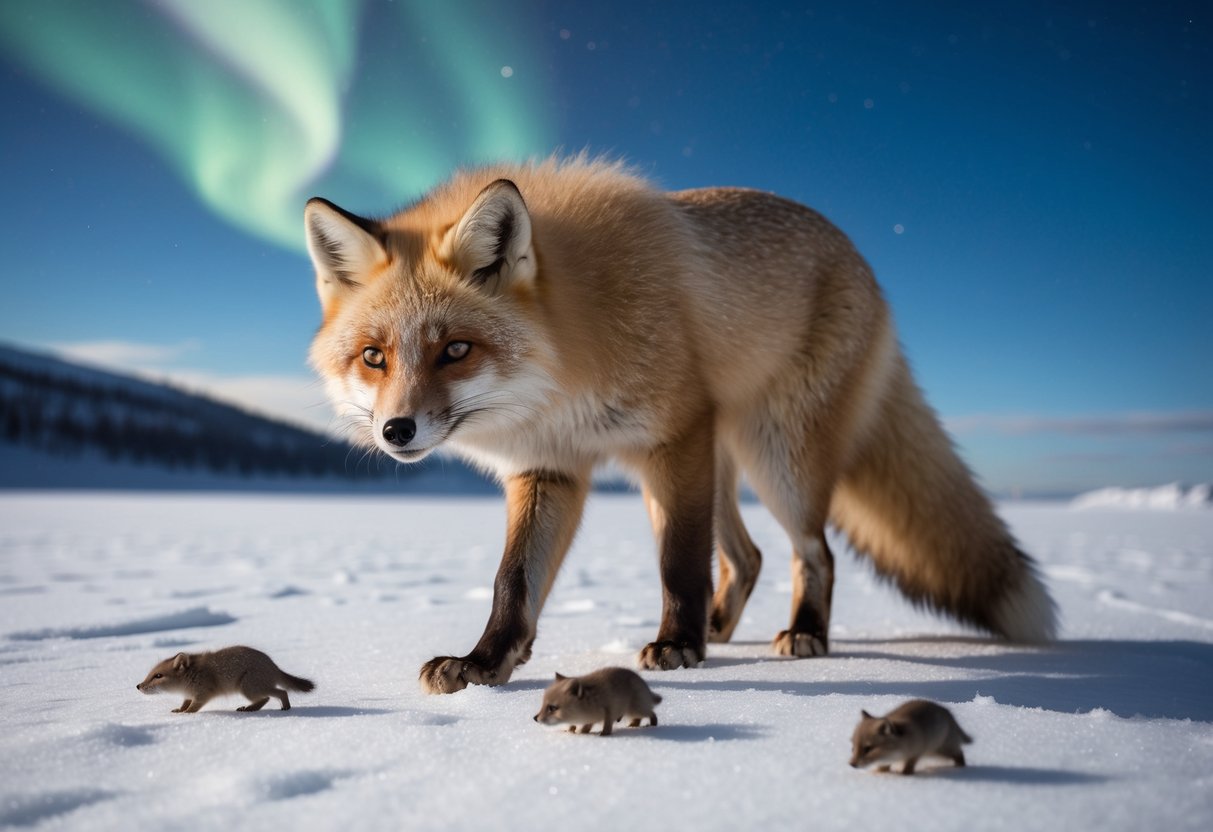
You might be surprised to learn that their round bodies and short limbs help minimize heat loss. Their thick, furry paws ensure they can walk comfortably on snow, making it easier for them to hunt.
Understanding these unique survival tactics not only showcases their ability to adapt but also highlights the fascinating balance of nature in the Arctic wilderness. You’ll find that these small creatures have big secrets when it comes to surviving winter.
Physical Adaptations for Survival

Arctic foxes have special physical features that help them thrive in extremely cold environments. Their thick fur, compact body shape, and clever camouflage are key to enduring harsh winter conditions.
Thick Fur and Body Insulation
The Arctic fox is well-known for its thick fur coat. This coat consists of two layers: a dense undercoat and longer guard hairs on top. The undercoat traps warmth, providing excellent insulation.
In winter, the fur turns to a brilliant white, blending perfectly with the snowy landscape. This not only keeps the fox warm but also helps it avoid predators.
When temperatures drop to -50°F (-45°C), this fur acts as a barrier against icy winds. It’s an amazing example of nature’s design for survival.
Compact Body Shape and Short Ears
The compact body shape of the Arctic fox is crucial in reducing heat loss. Short legs and a rounded body keep the fox’s surface area smaller, which helps maintain warmth.
Their short ears are another adaptation. By being smaller, there is less area for heat to escape. This design makes the Arctic fox one of the best-adapted animals for cold climates.
These physical features together create a perfect winter outfit for the fox, allowing it to thrive despite extreme conditions.
Camouflage with Seasonal Fur Changes
Camouflage plays a vital role in the survival of the Arctic fox. In summer, their fur is a brown coat, helping them blend into the tundra’s landscape.
As winter approaches, the fur changes to white, making it nearly invisible in the snow. This ability to change color enhances its hunting and survival capabilities.
This seasonal transformation allows the Arctic fox to stay hidden from both predators and prey. The clever use of color is a striking example of how animals adapt to their environments.
Behavioral Strategies to Overcome the Cold
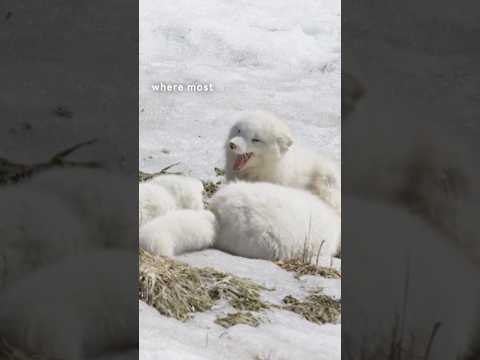
Arctic foxes have developed clever ways to survive the harsh winter conditions. They build cozy homes, find food effectively, and adapt to changes in their environment. Here are some key behaviors that help them thrive during the cold months.
Developing Dens and Burrows
Creating dens is essential for Arctic foxes in winter. These dens are often dug into the snow or the ground, providing a safe refuge from the biting cold and fierce winds.
These burrows offer warmth and protection, which are crucial for keeping young foxes safe. They may also use existing holes made by other animals, making digging less labor-intensive.
Inside, they line their dens with fur, feathers, and other materials to increase insulation. Sometimes, a fox will even create multiple dens within their territory. This allows them to escape predators or search for food nearby, making it easier to survive in a challenging environment.
Hunting Techniques and Diet
Hunting is crucial for Arctic foxes during winter. They must rely on their sharp senses to locate prey buried beneath the snow.
Their keen hearing allows them to detect the slightest movements of potential prey like lemmings, voles, and birds.
Foxes use a unique technique called “mousing,” where they leap into the air and dive into the snow to catch their food. This energetic method helps them capture prey effectively.
When the snow covers their primary food sources, they also adapt their diet. During lean times, they will eat birds, eggs, and even fish. Hunting is not just about catching prey; it’s also about being resourceful.
Adapting to Scarcity and Scavenging
When food becomes scarce, Arctic foxes show impressive adaptability. They are known scavengers, often following larger predators like polar bears.
By taking advantage of leftover carcasses, they secure essential nutrition without expending much energy.
Additionally, foxes will store food like lemmings in their dens for later consumption. This practice helps them prepare for days when hunting yields little. Learning to survive through scavenging and storing shows their resilience amid winter challenges.
Ecosystem and Interactions with Wildlife

In the Arctic tundra, the survival of the Arctic fox is closely tied to its ecosystem and its interactions with other wildlife. Understanding these dynamics can help you appreciate the challenges these animals face.
Predators and Prey in the Arctic Tundra
Arctic foxes are skilled hunters and mainly feed on small rodents like lemmings and voles. These rodents make up the majority of their diet, especially during winter when food is scarce.
The Arctic fox uses its keen sense of hearing to locate prey under the snow. It also eats birds, their eggs, and scavenges on leftover meals from larger predators, like polar bears. This adaptability helps maintain the balance in the tundra ecosystem.
As a prey species, Arctic foxes must be cautious of larger predators such as wolves and polar bears. Their ability to change their fur color with the seasons provides excellent camouflage. This helps you understand how they navigate the challenges of their habitat.
Interaction with Humans and Domestication
Interactions between Arctic foxes and humans vary. In some areas, they are seen as pests, while in others, they are appreciated for their beauty.
People have attempted to domesticate Arctic foxes in recent years, leading to them being kept as pets.
Domesticated foxes can exhibit playful behaviors and form strong bonds with humans. However, keeping them requires committed care and understanding of their needs.
As you consider having a pet fox, it’s essential to recognize that wild instincts may remain. Laws about keeping wild animals as pets can differ, so it’s important to check local regulations.
Conservation Efforts and Climate Change
Conservation efforts play a crucial role in ensuring the survival of Arctic foxes. Their environments have become more challenging due to habitat loss and climate change.
Warming temperatures affect the tundra ecosystem, reducing the population of lemmings and other prey. Organizations are working to protect these habitats and promote awareness about the impacts of climate change.
Using sustainable practices helps preserve the Arctic. Efforts include creating protected areas and focusing on research to understand the changing dynamics of wildlife.
By supporting conservation, you can contribute to protecting these remarkable creatures and their home.


